Blog
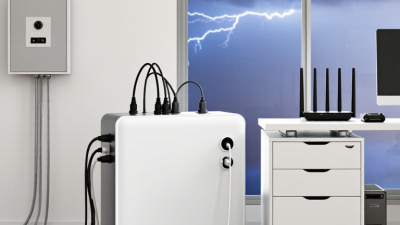
7 Tips for Choosing a Surge Protection Device
A power surge can arrive without warning, after a nearby lightning strike or a brief change in the electrical supply. It may damage a router, interrupt a home office, or shorten the life of equipment that seems perfectly ordinary. A Surge Protection Device can help reduce that risk, but not every model offers the same protection. The label alone is not enough.
Choosing one means matching its specifications to the equipment and the installation. Joule ratings, clamping voltage, response time, and the number of protected outlets all deserve attention. So does the difference between a plug-in unit and a whole-home device. Small details matter. A model with an indicator light may show when protection has been lost, while a device with too few outlets can lead to awkward workarounds. Those practical details are easy to overlook.
This guide shares seven tips for comparing devices with care. It explains what product ratings can tell you, where they have limits, and why grounding and installation conditions matter. Check the manufacturer’s instructions and applicable safety standards before buying or installing a device. If the electrical setup is unclear, ask a qualified electrician rather than guessing. No device can prevent every failure. That is worth remembering. A thoughtful choice can still reduce avoidable risk and help protect the electronics you rely on every day.
Read more »
 By:Ethan
- November 20, 2026
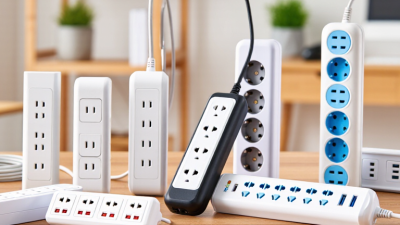
Top 10 AC Surge Protectors for Home and Office
A power strip can keep a desk tidy, but it may not protect connected equipment from a voltage spike. An AC Surge Protector is designed to limit transient surges before they reach devices such as computers, monitors, routers, and printers. The right choice depends on what you plan to plug in, how much space you have, and the protection details on the product label. A compact unit may suit a bedside table. A wider model may fit better behind a home-office workstation.
Small details matter. Compare the joule rating, outlet count, cord length, and indicator lights. Check whether the manufacturer identifies the product as tested to UL 1449, and confirm the exact model and specifications rather than relying on packaging claims alone. A higher joule rating can be useful, but it does not tell the whole story. No single number does.
This guide to the top 10 AC surge protectors for home and office highlights practical differences that are easy to overlook, including outlet spacing, USB ports, mounting options, and warranty terms. Think about the equipment you need to connect, too: a large adapter can block neighboring outlets, and a short cord may leave the protector awkwardly placed. Surge protectors are not a guarantee against every electrical event, and their components can wear over time. Check status indicators and follow the maker’s replacement guidance. The best fit is not always the most expensive one; it is the model whose ratings, layout, and features match your setup.
Read more »
By:Ethan
- November 20, 2026

7 Surge Protective Device Buying Tips for Global Buyers
A surge can arrive as a brief voltage spike, yet its effects may linger in damaged drives, tripped controls, or hours of lost production. Uptime Institute’s 2024 Annual Outage Analysis identified power issues as a factor in 54% of significant outages reported by survey respondents. That figure covers power problems broadly, not surge events alone. Still, it shows why protection deserves careful attention. A Surge Protective Device is not a cure-all; performance depends on the electrical system, installation, and maintenance.
Global buyers face a practical challenge: products that look similar on a specification sheet may suit different systems. Check the nominal voltage, maximum continuous operating voltage, protection modes, short-circuit rating, and discharge-current rating against the intended installation. The IEEE C62.41 series describes surge environments for low-voltage AC circuits, while IEC 61643-11 sets requirements and test methods for AC power SPDs. Confirm the applicable standard and certification for each destination market. The margin matters. A high headline rating alone does not prove a device matches a site’s exposure or backup arrangement.
This guide offers seven buying tips, from choosing the right SPD type to checking status indicators, replacement parts, and supplier documentation. Ask for test reports, not just a brochure. Verify that ratings refer to the same test method and product configuration. Procurement teams can miss small details, such as a voltage mismatch or unclear warranty terms. These checks cannot guarantee uninterrupted power. They can, however, make comparisons more grounded and reduce avoidable selection errors.
Read more »
 By:Charlotte
- November 20, 2026
