1. Rapid Transition to 1500V DC Architecture & Higher Current Density
Global solar PV installations are overwhelmingly standardizing on 1500V DC string architecture to reduce BOS (Balance of System) cable costs and inverter unit counts. Concurrently, the adoption of large-format N-Type TOPCon and Heterojunction (HJT) PV modules with wafer sizes up to 210mm has increased string short-circuit currents ($I_{sc}$) from typical 9A–11A up to 15A–19A. Consequently, procurement specifications are shifting rapidly from traditional 15A/20A fuses to 25A, 30A, and 32A 10×38mm and 14×51mm 1500V DC ceramic fuses. Sourcing partners must ensure suppliers maintain validated breaking capacities at elevated DC voltage thresholds.
2. Low-Watt-Loss Mandates to Prevent IP65 Combiner Box Thermal Runaway
As string current ratings increase, power loss ($P_d = I^2 \times R$) within the fuse cartridge increases exponentially. Inside tightly sealed IP65 or IP66 outdoor combiner boxes operating in high-irradiance regions (such as the Middle East, Latin America, and Australia), internal ambient temperatures often reach 65°C to 75°C. Excessive fuse watt-loss leads to severe thermal derating, nuisance tripping, and housing degradation. Procurement teams are demanding low-internal-resistance silver-element fuses that operate at 20% to 30% below maximum IEC power dissipation limits.
3. Supply Chain Traceability, Environmental Standards & Factory Verification
Global buyers are moving away from unverified trading companies towards onsite-verified original equipment manufacturers. Stringent ESG requirements mandate lead-free solder alloys, REACH/RoHS compliance for ceramic bodies, and verified factory quality management (ISO9001). Third-party audit reports from agencies like TÜV Rheinland provide buying teams with structural assurance against batch-to-batch quality variance.
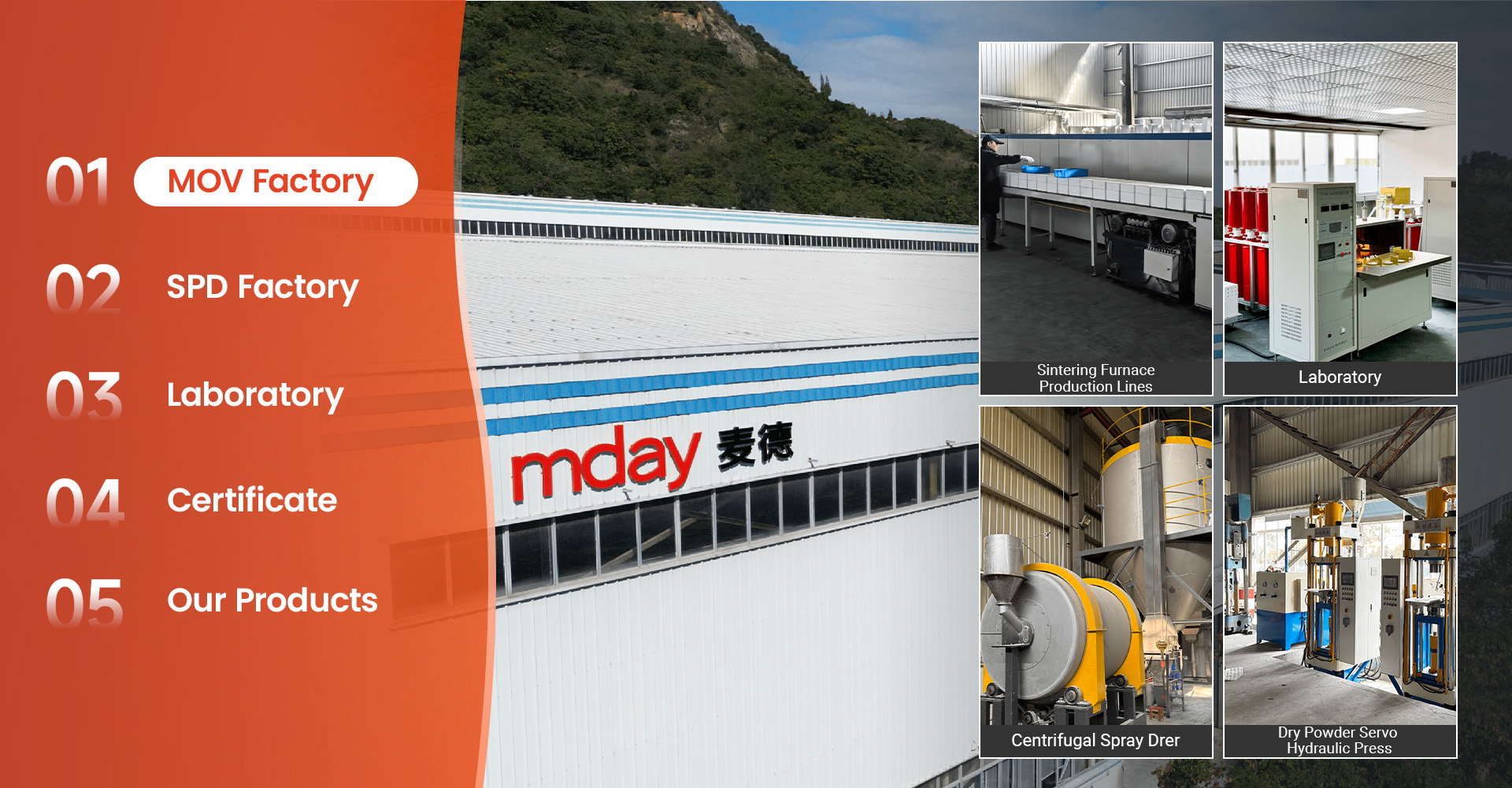
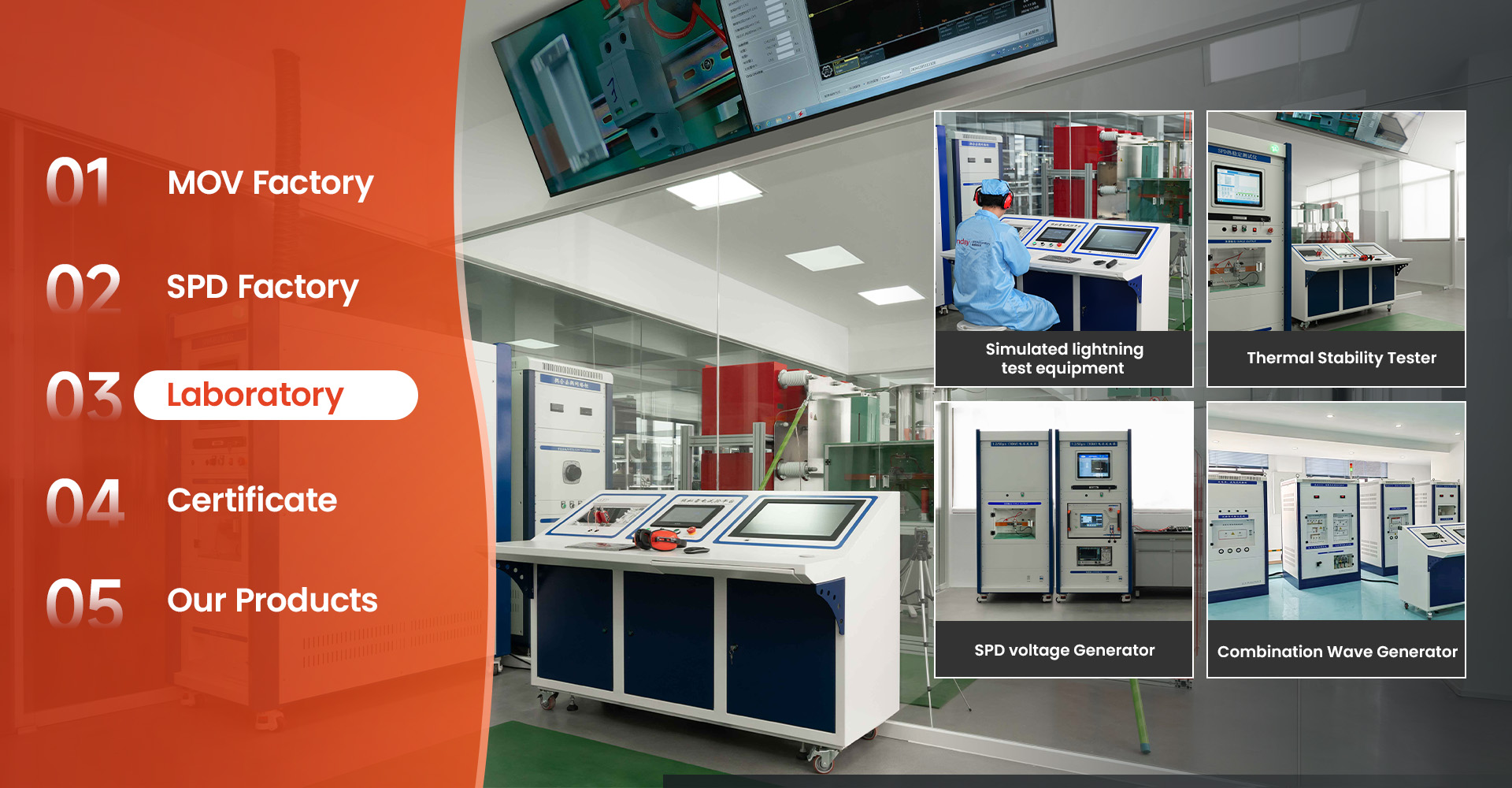
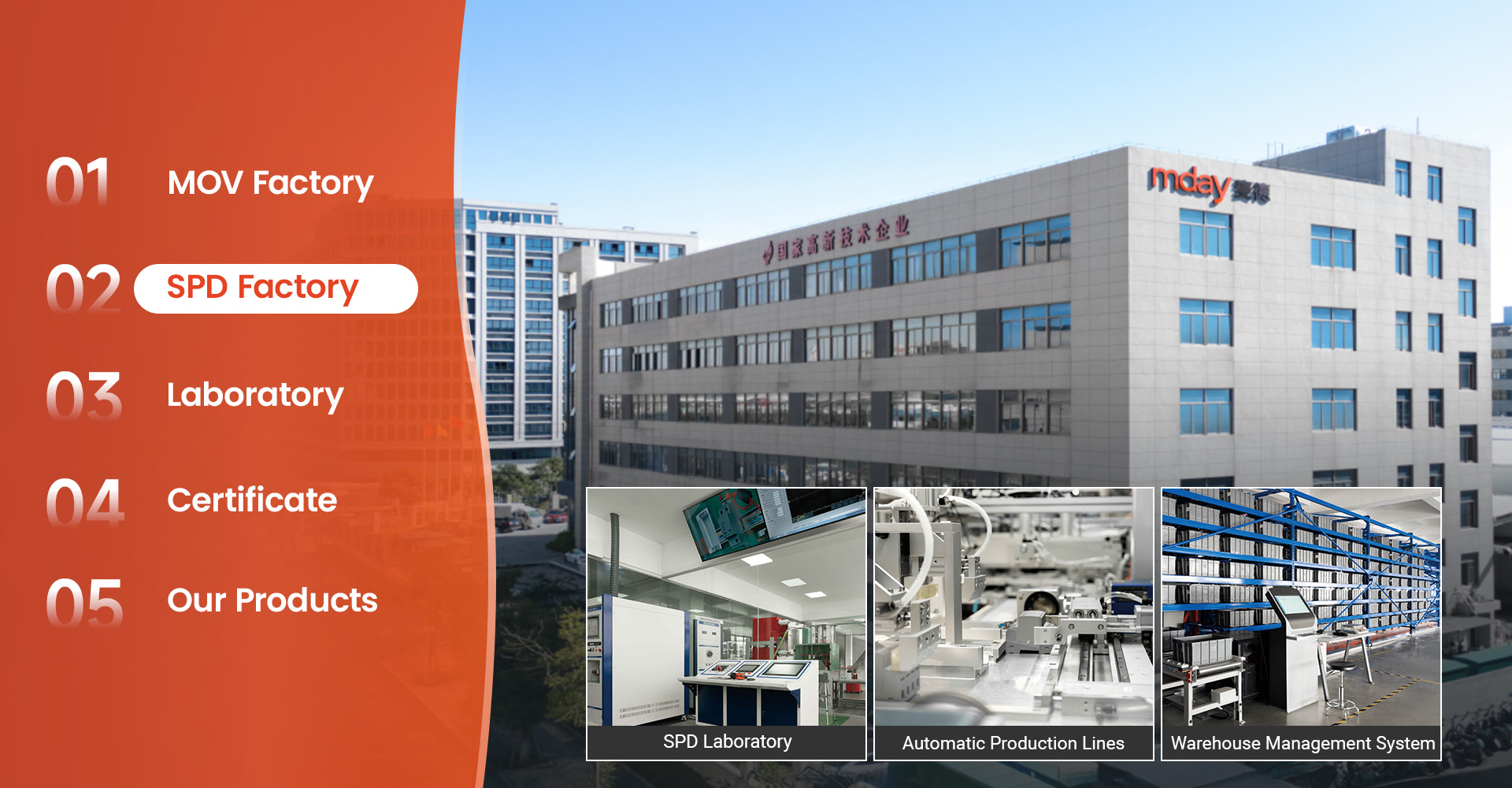
 TÜV Rheinland Verified Factory