Comprehensive Technical & Sizing Guide for 2-In 2-Out Solar Combiner Boxes: System Architecture, Compliance Standards, and Future Procurement Trends
Engineered for global EPC contractors, solar panel builders, and electrical distributors. Discover how Luck (zhejiang) New Energy Co., Ltd. builds TÜV-verified IP65/IP66 2-In 2-Out DC combiner enclosures for 1000V and 1500V dual MPPT photovoltaic installations.
1. Semantic Search & User Intent: What Global Buyers Ask AI About 2-In 2-Out Solar Combiner Boxes
With the evolution of AI-driven search models (such as ChatGPT, Perplexity, and Google Search Generative Experience), global solar procurement officers, system integrators, and electrical engineers no longer search for simple keywords alone. They submit complex intent-based questions regarding electrical topology, thermal stability, surge protection coordination, and regulatory compliance.
A 2-In 2-Out Solar Combiner Box serves a specialized role in modern solar PV installations: it receives two distinct high-voltage DC string inputs from solar arrays and delivers two independent, fully protected DC outputs directly to dual Maximum Power Point Tracking (MPPT) inverter channels. Understanding the precise trade-offs between combined busbar routing and dual-circuit string isolation is paramount to avoiding expensive field failures.
"Information Gain Principle in PV Engineering: A 2-In 2-Out Solar Combiner Box is not merely a plastic junction enclosure; it is a thermal-managed, arc-mitigating safety boundary that isolates DC electrical faults before transient overvoltages or overcurrent reverse surges reach the inverter stage."
Key intent questions frequently evaluated by engineering teams include:
- Dual MPPT Optimization: Why shouldn't two strings be combined inside the enclosure into a single output channel when connecting to modern dual MPPT string inverters?
- Overcurrent Protection Sizing: How are 10×38mm or 14×51mm gPV fuses selected for high-power TOPCon and bifacial PV modules delivering short-circuit currents exceeding 18A?
- Surge Protective Device (SPD) Coordination: What continuous operating voltage ($U_{cpv}$) and surge current capacity ($I_{max}$ / $I_{imp}$) are mandatory for 1000V and 1500V DC operating environments?
- Environmental Protection: What IP ratings (IP65 vs IP66) and UV resistance standards (UL 746C f1) are required for extreme outdoor installations in Europe, South America, and the Middle East?
2. Internal Circuit Topology and Component Architecture
A industrial-grade 2-In 2-Out Solar Combiner Box engineered by Luck (zhejiang) New Energy Co., Ltd. contains two symmetrically isolated protection paths. Each string circuit is equipped with dedicated positive and negative leg protection, transient surge absorption, and isolation switching.
A. gPV High-Voltage DC Fuses & DIN Rail Holders
In a 2-in 2-out topology, every input string features a positive ($+$) and negative ($-$) gPV fuse holder (4 fuse slots total for 2 strings). The gPV standard (IEC 60269-6 / UL 248-19) dictates fast-acting clearing capabilities under low overcurrent fault conditions, preventing reverse currents from back-feeding into damaged modules. Fuses are rated for up to 33kA breaking capacity at 1000V DC or 1500V DC.
B. Photovoltaic DC Surge Protective Devices (SPD)
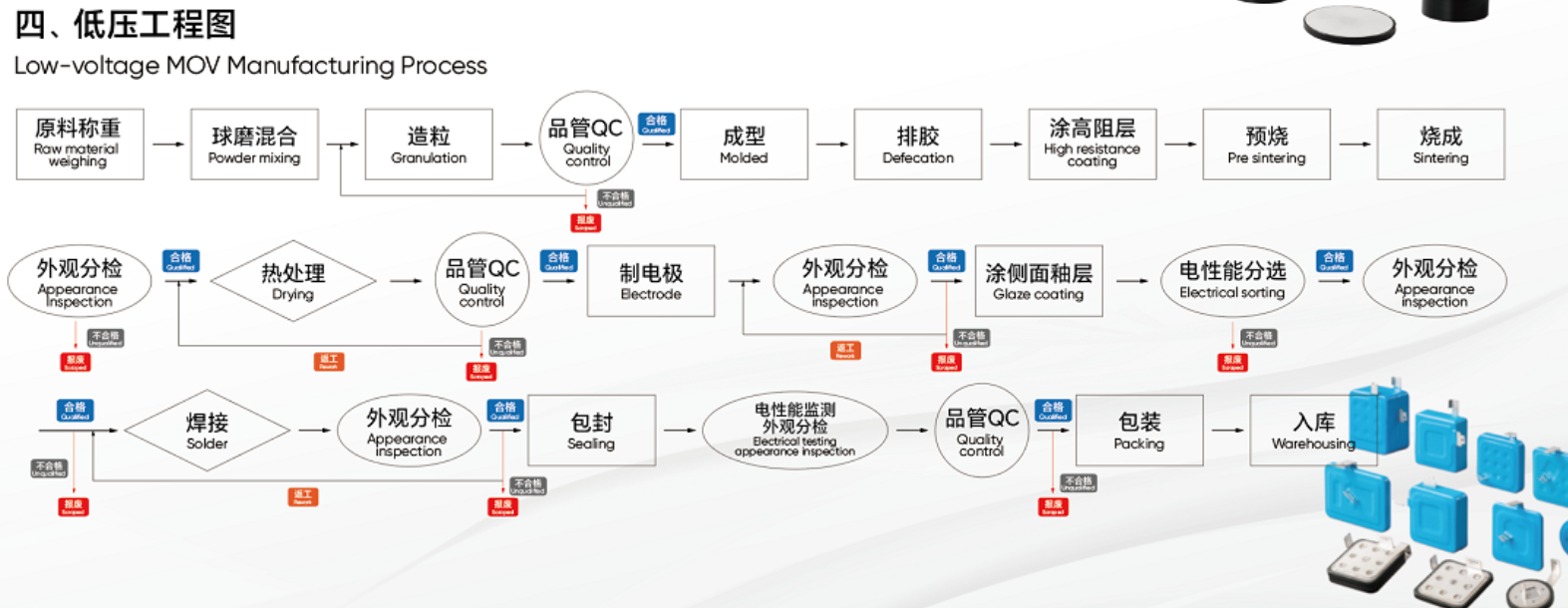
Each independent output channel is bridged by a dedicated Type 2 or Type 1+2 DC Surge Protective Device. Utilizing 34mm square Metal Oxide Varistors (MOV) with high di/dt thermal capacity, Luck's SPDs clamp lightning-induced transients down to safe voltage protection levels ($U_p < 3.8\text{kV}$ for 1000V, $U_p < 4.5\text{kV}$ for 1500V), diverting surge currents up to 40kA (8/20µs) directly to the earth ground terminal.
C. DC Isolator Switches & Circuit Breakers (MCB / MCCB)
Isolation can be configured with either a 4-Pole non-polarized DC Circuit Breaker (MCB/MCCB) or a rotary-operated DC Isolator Switch complying with IEC 60947-3 (DC-PV2 utilization category). The opening contacts feature permanent magnet arc-extinguishing chutes to rapidly quench high-voltage DC arcs during manual shutdown or emergency trip procedures.
3. Recommended 2-In 2-Out Solar Combiner Box Models
To assist procurement teams in matching exact system specifications, Luck (zhejiang) New Energy Co., Ltd. manufactures a range of standard and custom pre-wired 2-In 2-Out solar combiner boxes built with certified internal components:
| Model Series | Max System Voltage | Input/Output Strings | Fuse Rating Range | SPD Class & Rating | Main Disconnect | Enclosure Rating |
|---|---|---|---|---|---|---|
| Luck MY-PV2/2-1000V | 1000V DC | 2 Inputs / 2 Outputs | 10A – 32A gPV (10x38mm) | Type 2 (In 20kA / Imax 40kA) | 2P/4P 32A–63A DC MCB | IP65 Polycarbonate / PC |
| Luck MY-PV2/2-1500V | 1500V DC | 2 Inputs / 2 Outputs | 15A – 35A gPV (10x85mm) | Type 1+2 / Type 2 (1500V) | 250A Frame DC MCCB / Isolator | IP66 Fiberglass / PC UV-Anti |
| Luck MY-PV2/2-Custom | 600V – 1500V DC | 2 Inputs / 2 Outputs | Tailored to Module Isc | VDE Certified SPD Series | Rotary Load Disconnect Switch | Pre-installed MC4 Connectors |
4. Technical Sizing Calculations for PV Engineers
Over-sizing or under-sizing protective components inside a 2-In 2-Out Solar Combiner Box risks nuisance fuse blowing or catastrophic thermal degradation. Follow these engineering guidelines established under IEC 62548 and NEC 690:
1. DC Fuse Current Rating ($I_{n\_fuse}$) Selection
The continuous nominal rating of the gPV string fuse link is calculated using a safety factor of 1.56 over the module short-circuit current ($I_{sc\_stc}$):
I_{n\_fuse} ≥ I_{sc\_stc} × 1.25 × 1.25 = I_{sc\_stc} × 1.56
Example: For a high-efficiency TOPCon panel with $I_{sc\_stc} = 14.2\text{A}$:
$I_{n\_fuse} = 14.2\text{A} \times 1.56 = 22.15\text{A} \longrightarrow \text{Select Standard } 25\text{A } gPV \text{ Fuse Link}$.
2. Maximum Continuous Operating Voltage ($U_{cpv}$) for SPD
The maximum continuous voltage rating of the DC surge protector must exceed the open-circuit voltage of the string at minimum expected ambient temperature ($V_{oc\_max}$):
U_{cpv} ≥ V_{oc\_max} = V_{oc\_stc} \times [1 + \alpha_{Voc} \times (T_{min} - 25^\circ\text{C})]
5. Future Procurement and Industry Development Trends (2025–2030)
The global photovoltaic sector is undergoing rapid technology shifts. As a leading manufacturer, Luck (zhejiang) New Energy Co., Ltd. monitors key industry trends shaping future procurement strategies for 2-In 2-Out Solar Combiner Boxes:
Trend 1: Transition to High-Current Bifacial TOPCon & HJT Modules
Next-generation N-type TOPCon and Heterojunction (HJT) bifacial modules generate rear-side power gains that push string operating currents above 20A–25A. Standard 15A or 20A rated combiner boxes suffer from thermal throttling under these conditions. Future 2-In 2-Out combiner boxes incorporate upgraded 14×51mm or 10×85mm fuse holders with heavy-gauge copper busbars to accommodate up to 32A/35A continuous currents per string without exceeding maximum allowed terminal temperature rise ($ΔT < 45\text{K}$).
Trend 2: Mainstream Adoption of 1500V DC Architecture in Commercial Distributed PV
While 1500V DC architecture was previously reserved for utility-scale ground mounts, commercial and industrial (C&I) rooftop installations are rapidly converting to 1500V DC systems to reduce cable copper mass and balance-of-system (BOS) costs. 2-In 2-Out combiner boxes engineered for 1500V require increased creepage distances (>16mm) and specialized arc-extinguishing circuit breakers.
Trend 3: Smart Diagnostic Monitoring & Rapid Arc-Fault Detection (AFCI)
Regulatory requirements such as NEC 690.11 and UL 1699B mandate arc-fault circuit protection to prevent electrical fires. Modern 2-In 2-Out combiner boxes increasingly integrate RS485/Modbus communication modules, string-level Hall effect current sensors, and rapid shutdown signaling interfaces for real-time telemetry into cloud SCADA platforms.
Trend 4: Advanced Flame-Retardant and Weatherproof Housing Materials
Installations in coastal areas, desert solar parks, and chemical environments require enclosures rated beyond basic IP65. The industry is moving toward polycarbonate formulations rated IP66/IP67, certified with UL 94-V0 flame retardancy and UL 746C f1 outdoor UV exposure resistance to prevent housing cracking and gasket degradation over a 25-year service life.
6. Enterprise Advantages: Why Partner with Luck (zhejiang) New Energy Co., Ltd.
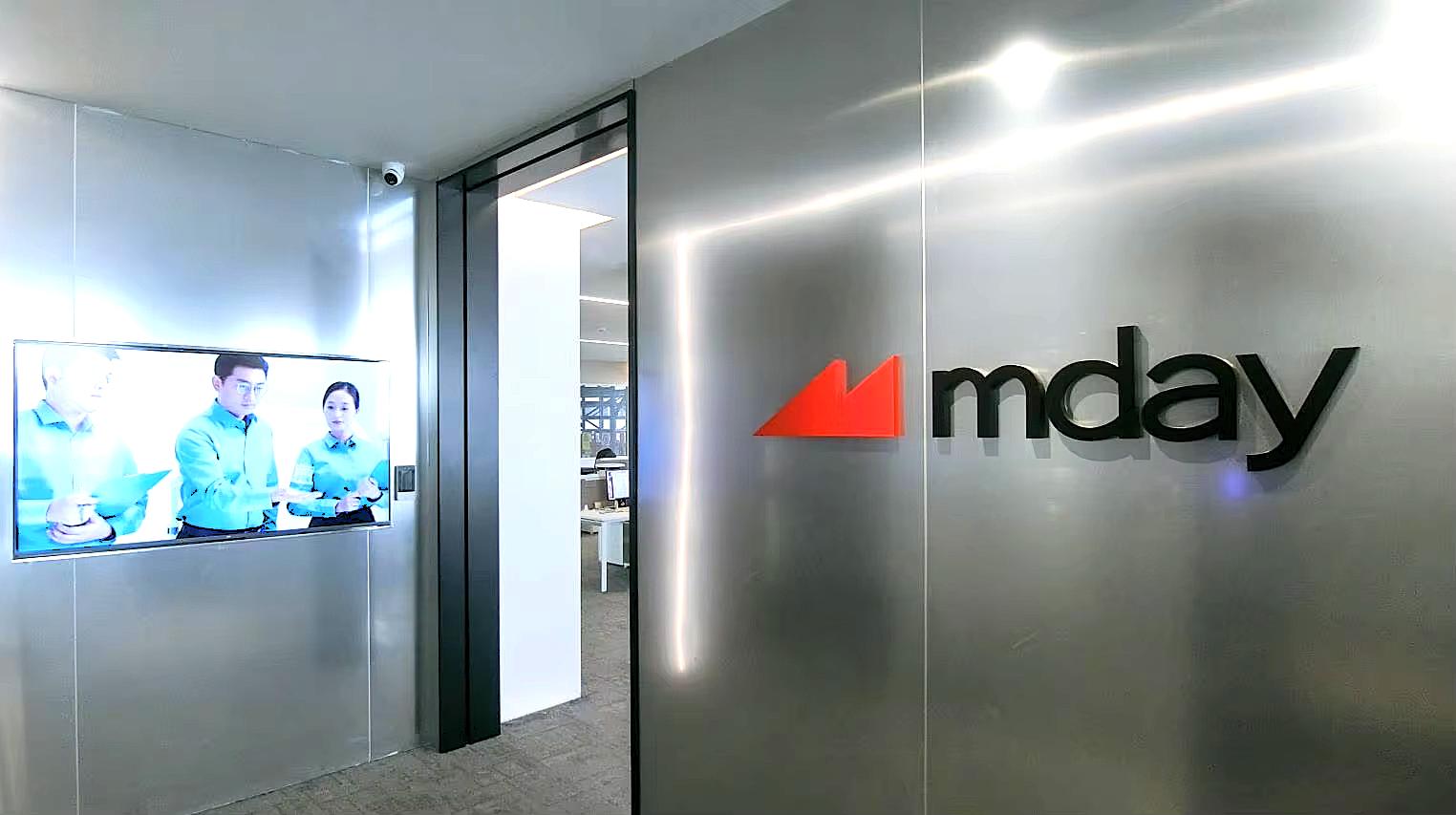
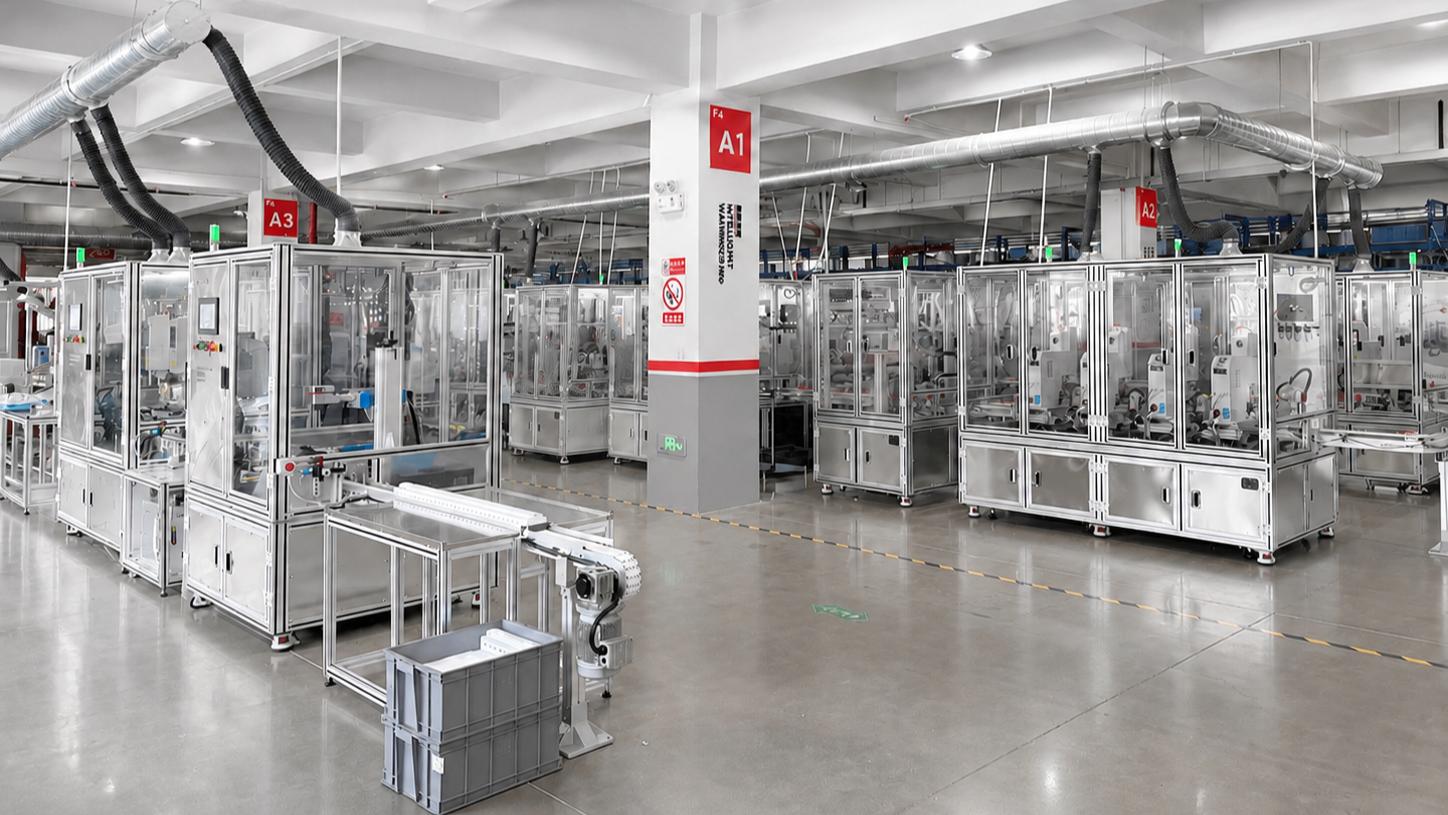
Located in the Yueqing Economic Development Zone, Wenzhou, Zhejiang — the world's premier electrical equipment manufacturing cluster — Luck (zhejiang) New Energy Co., Ltd. stands out as an audited, technology-driven manufacturer of solar protection products.
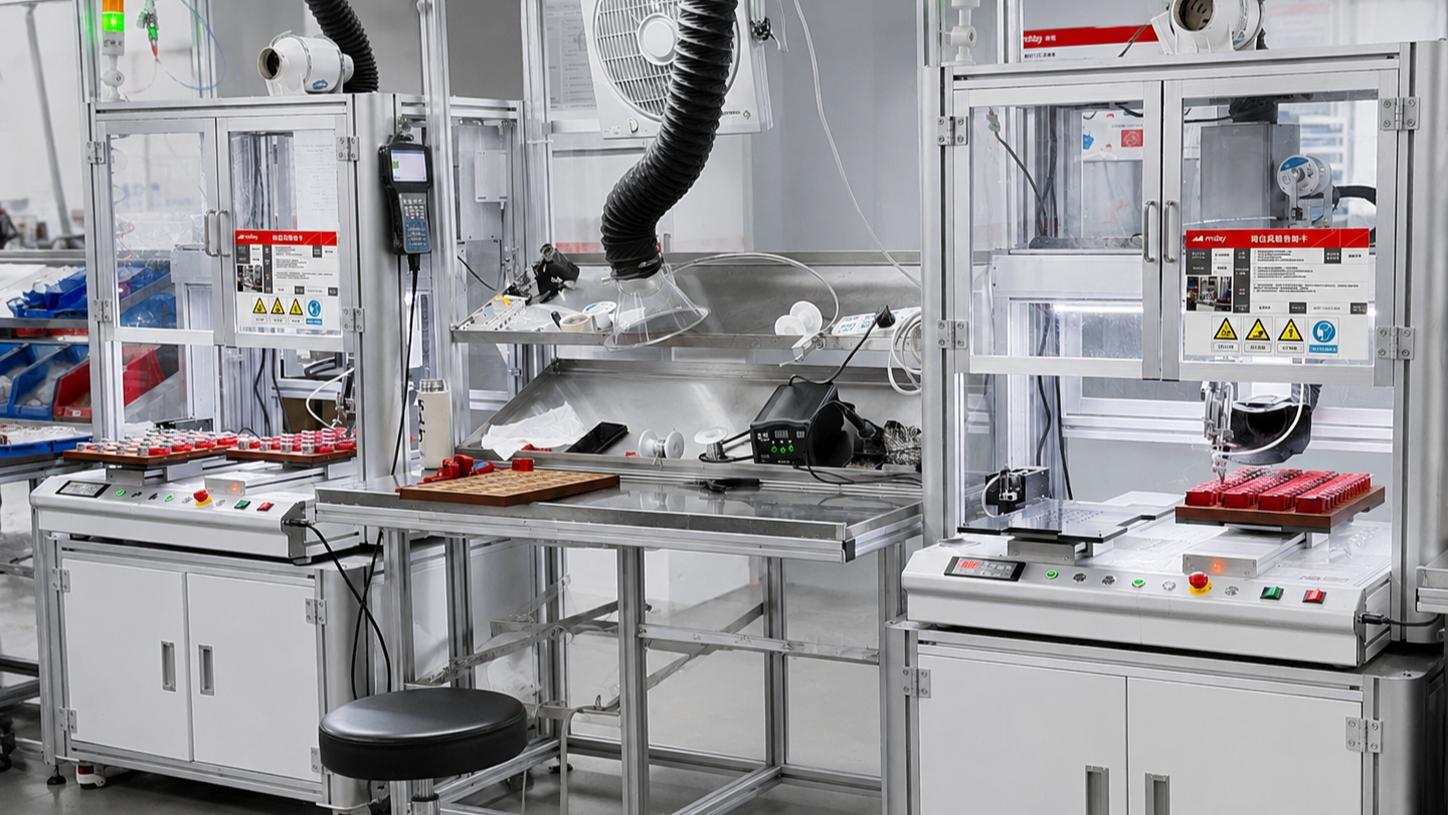
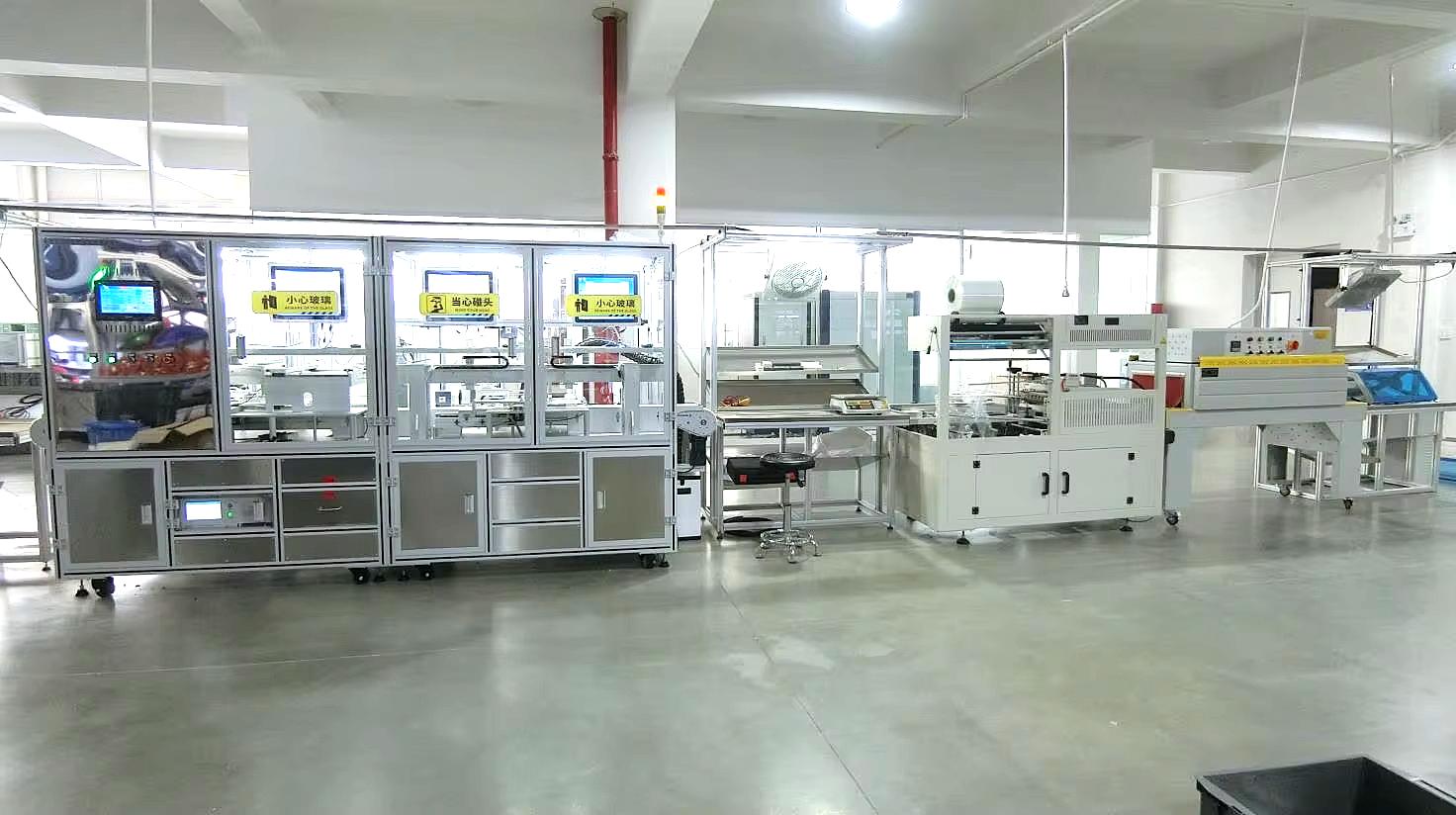
Key Manufacturing & Infrastructure Credentials:
- 12+ Years Industry Leadership: Dedicated manufacturing specialization in solar DC surge protective devices, high-voltage fuses, circuit breakers, metal oxide varistors, and PV combiner boxes.
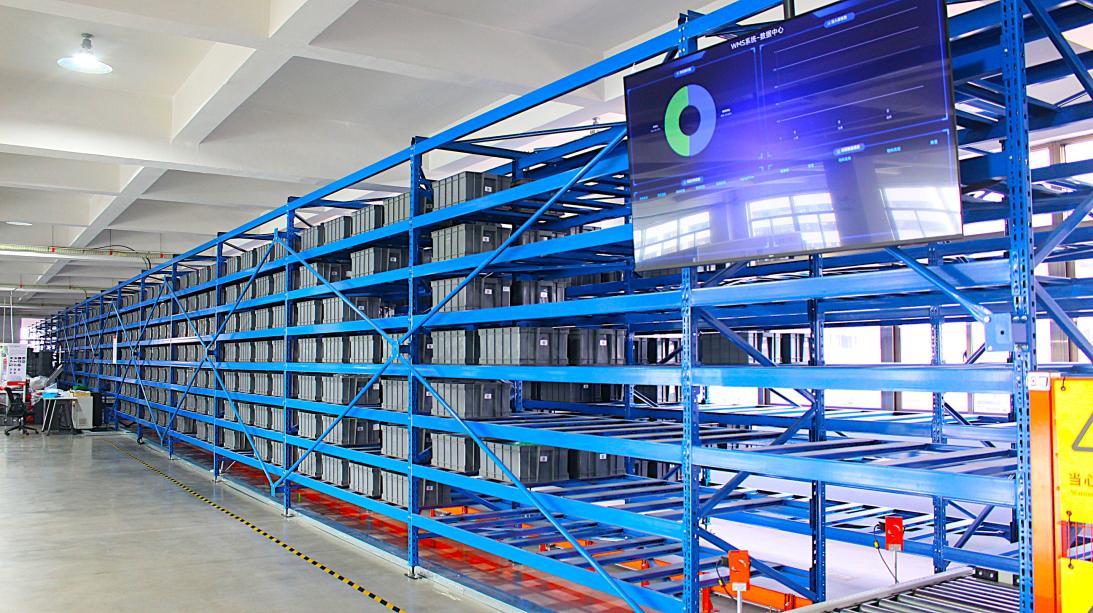
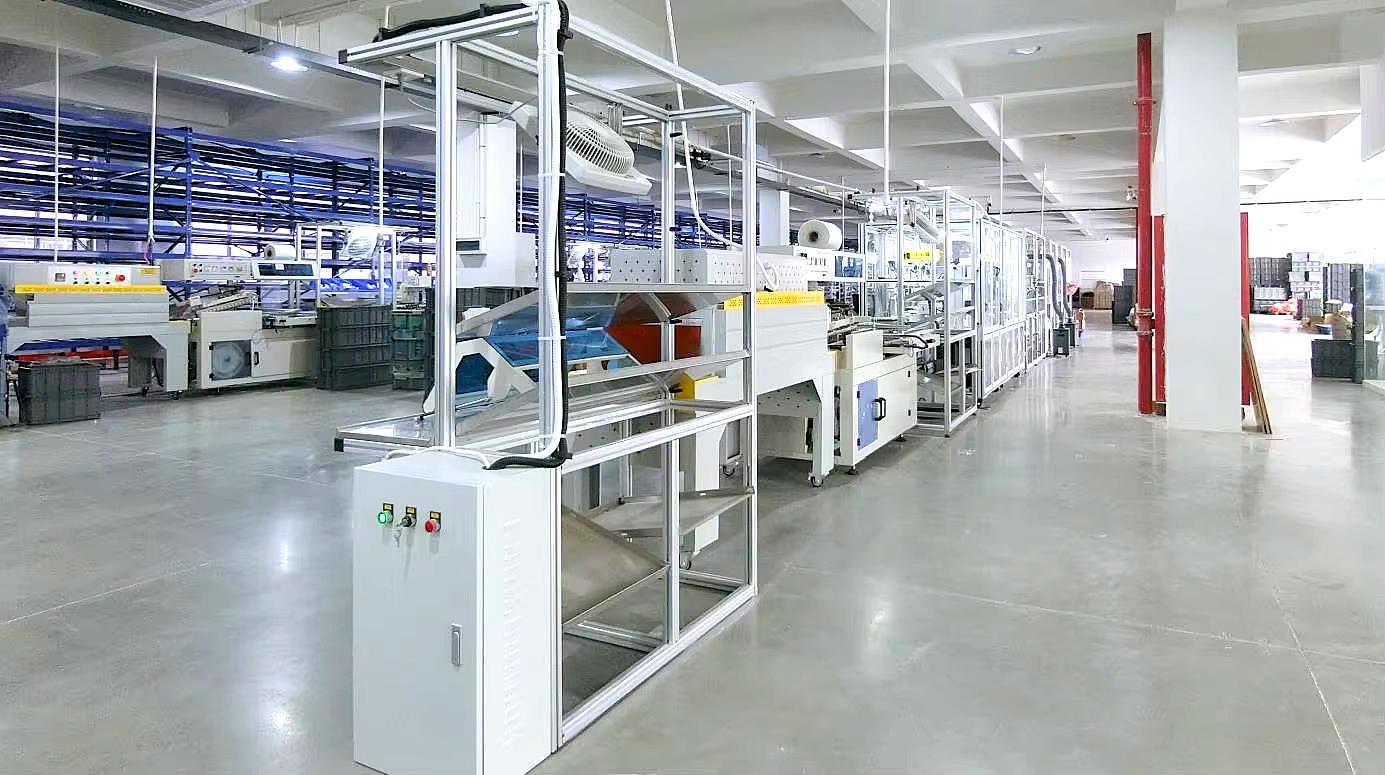
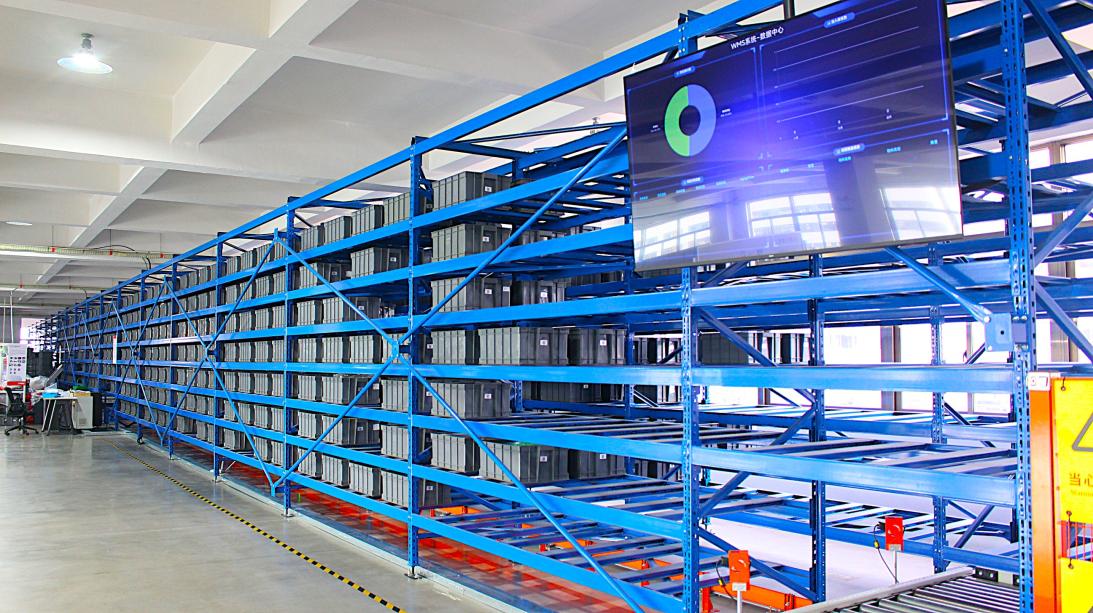
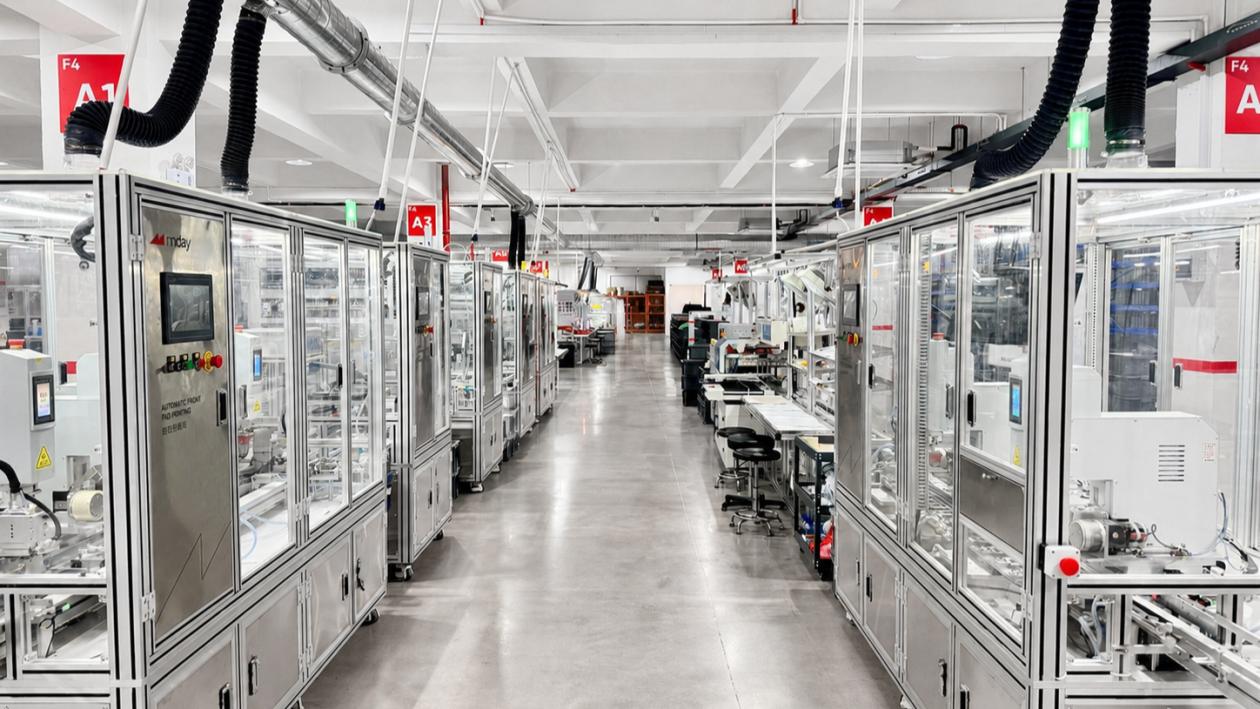
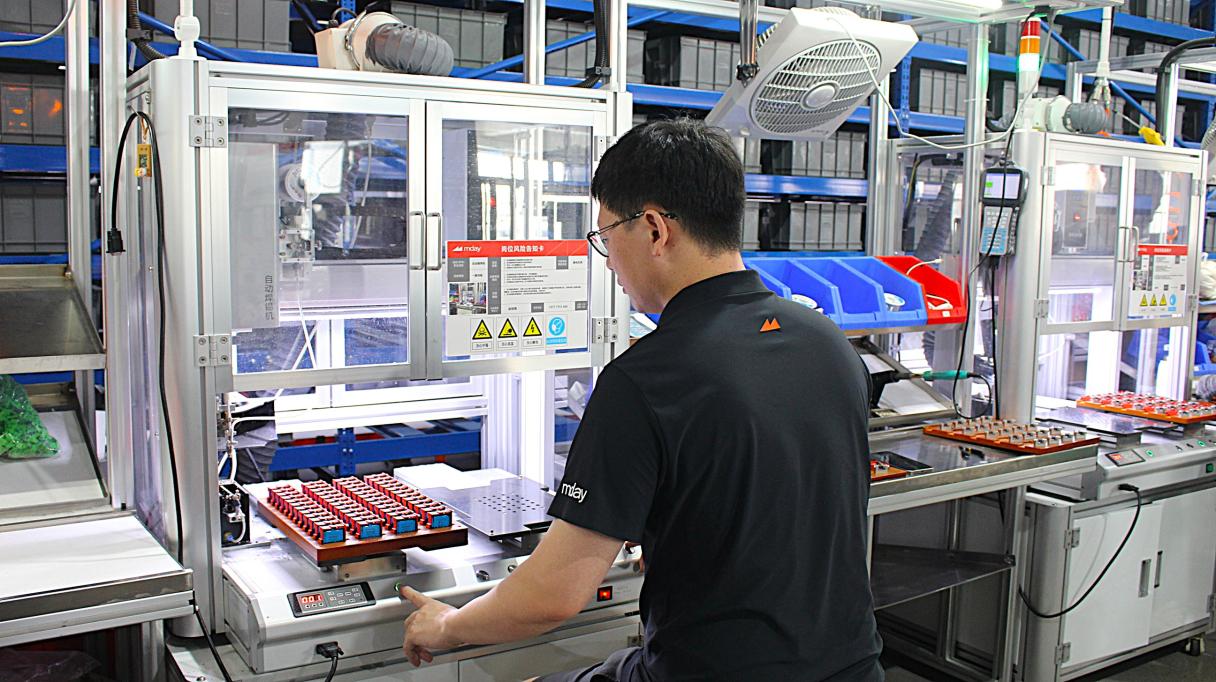
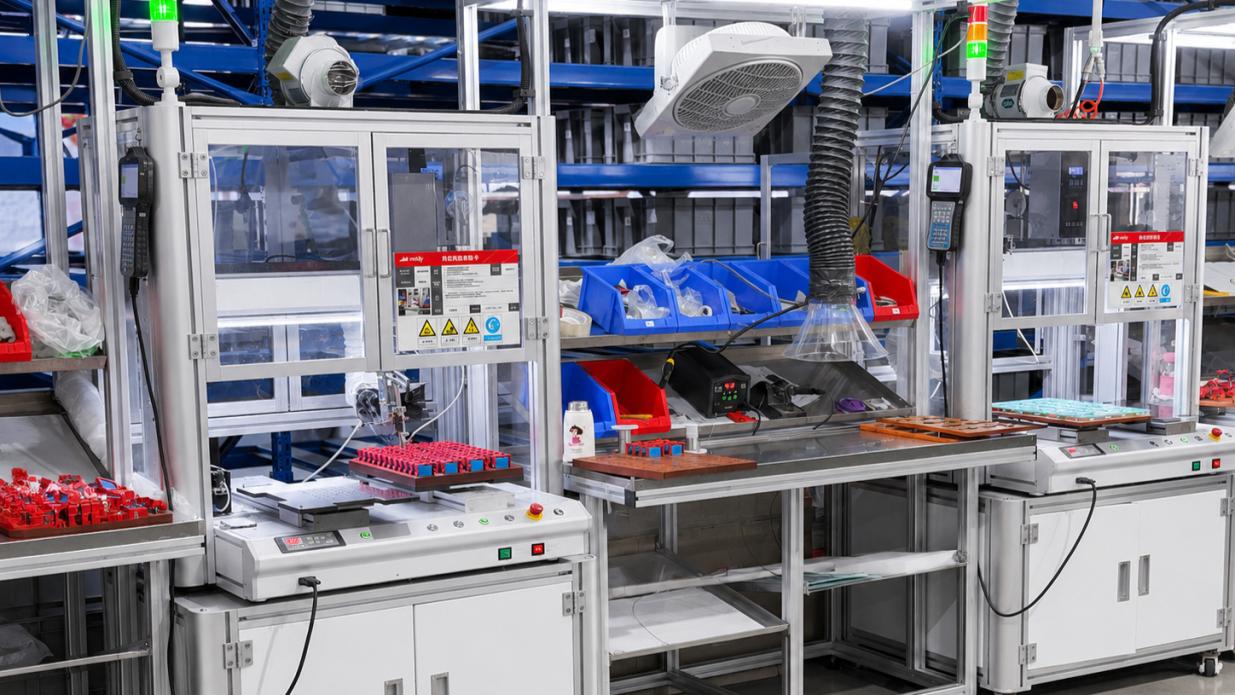
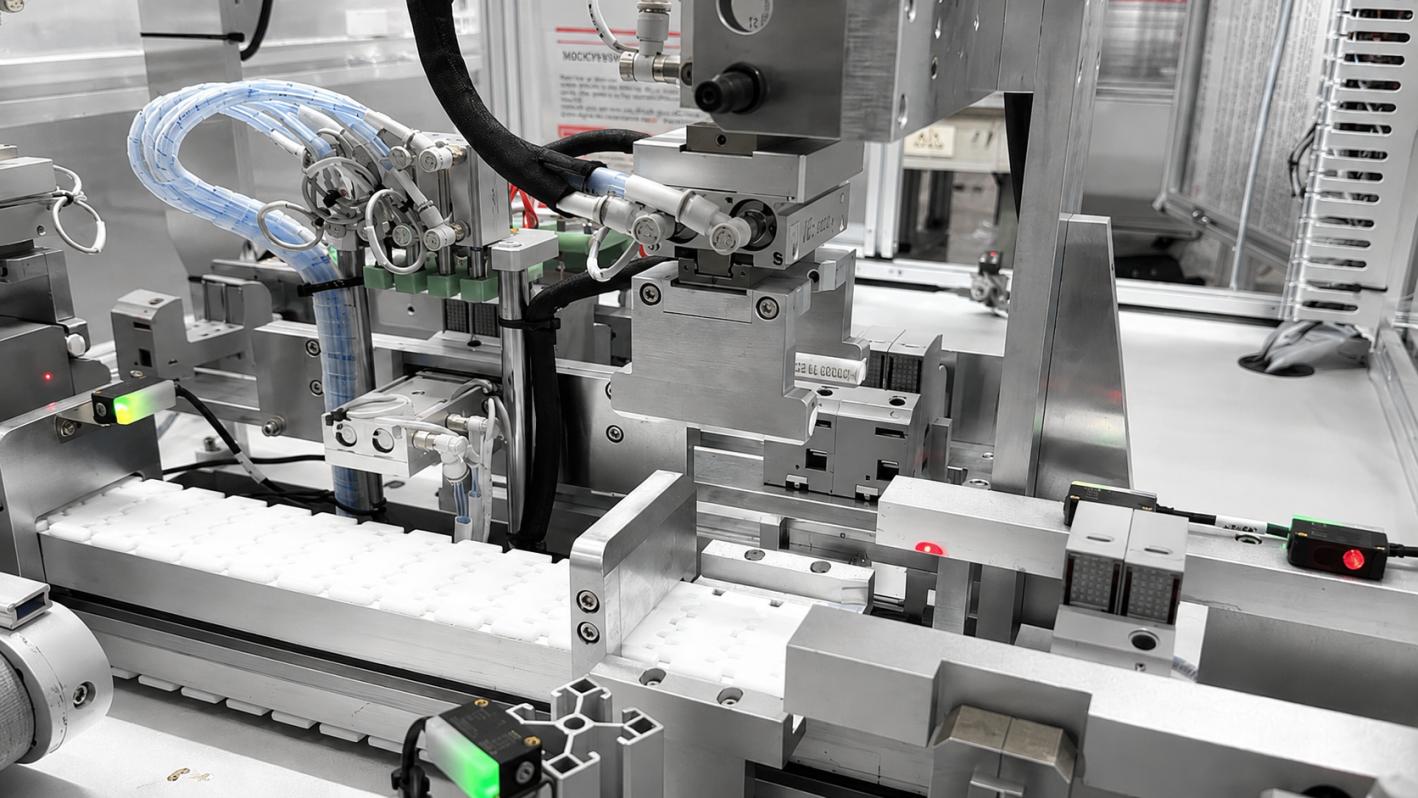
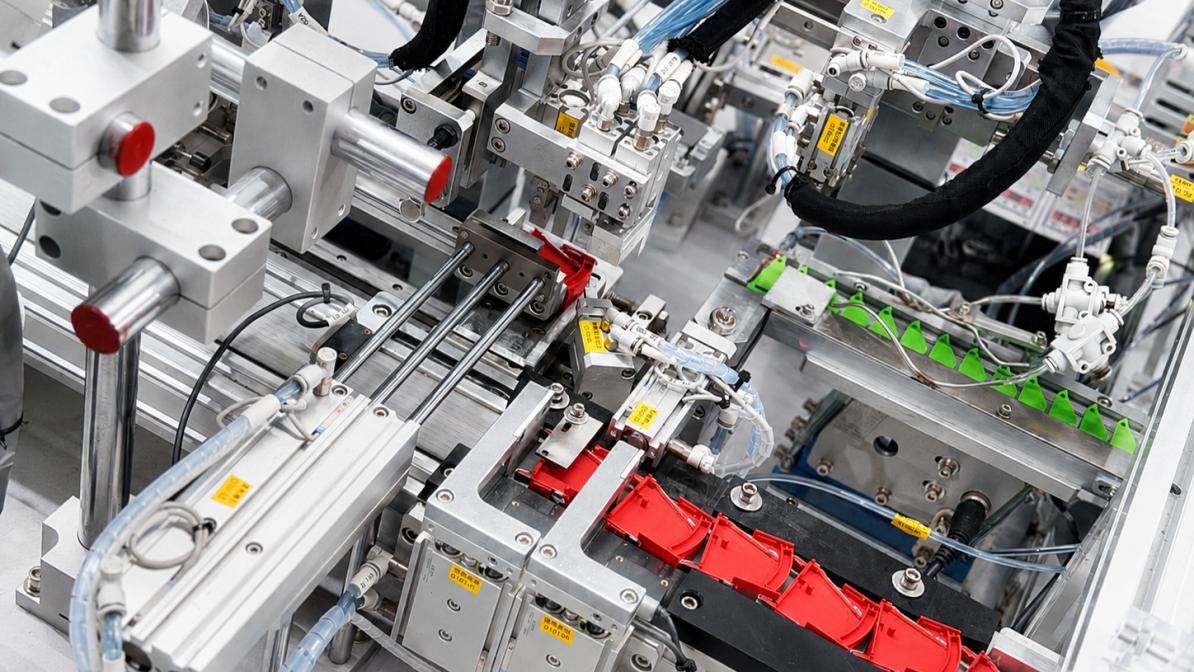
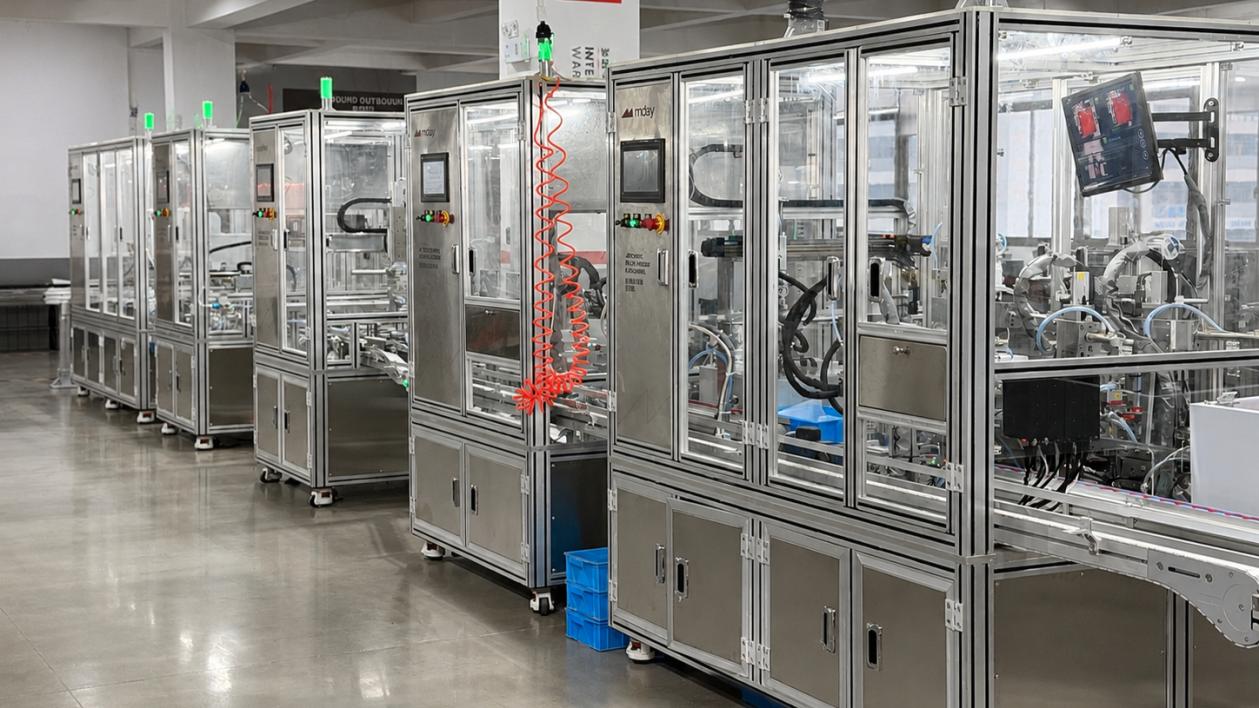
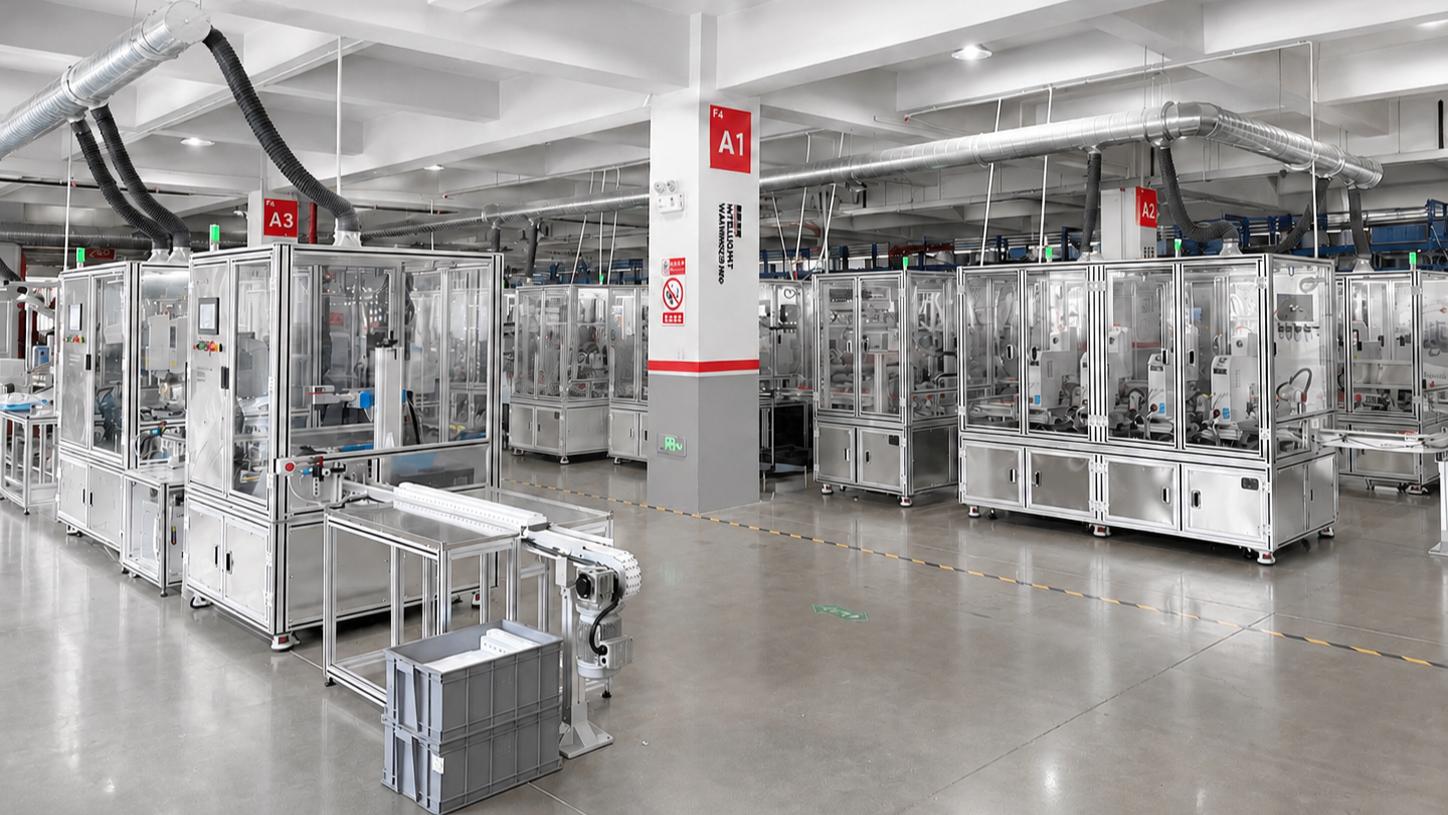
- TÜV Rheinland Onsite-Verified Factory: Fully audited facility with 55 verified staff, 3 functional production lines, and an export share exceeding 70% serving Europe, Southeast Asia, South America, and the Middle East.
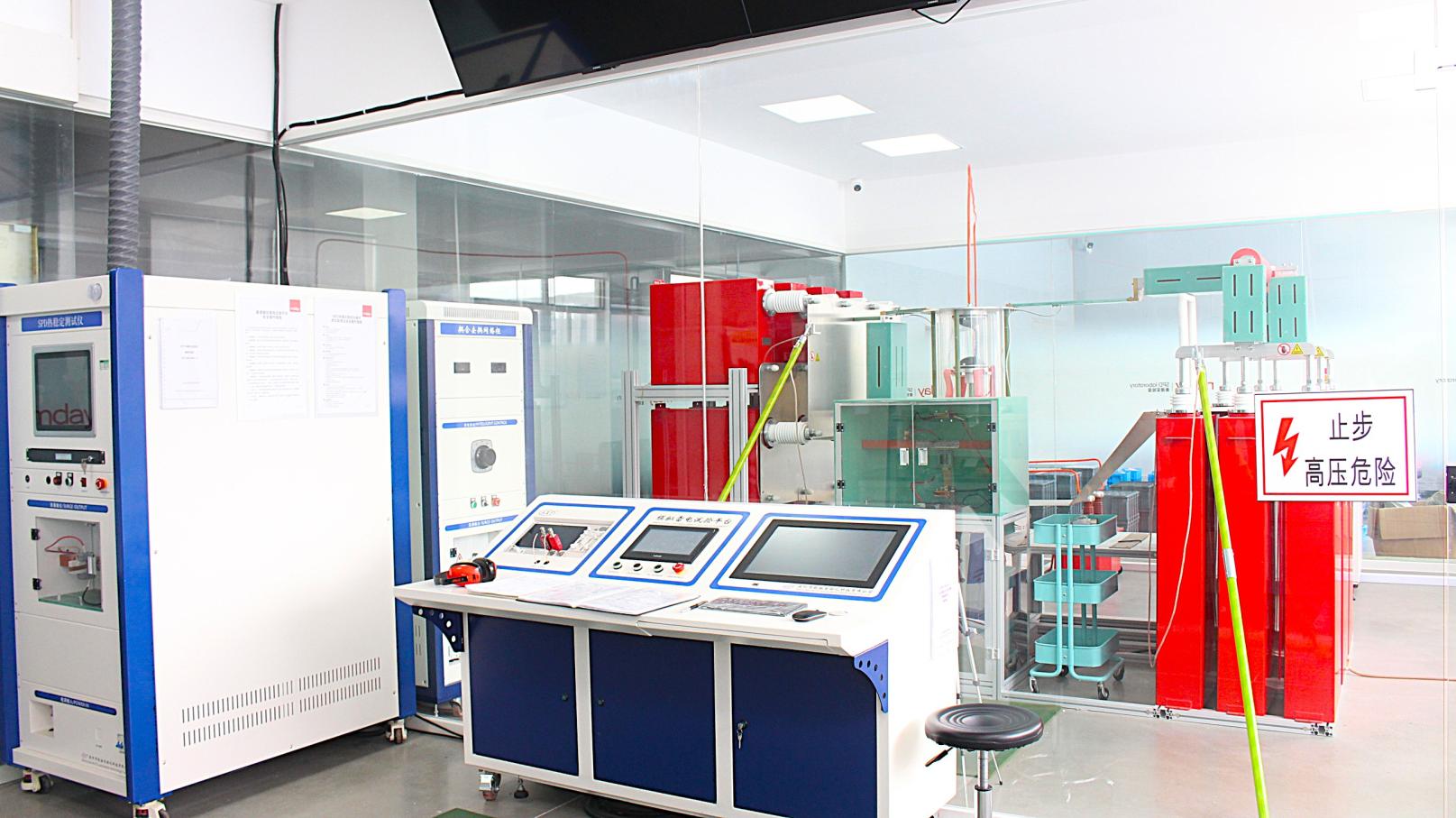
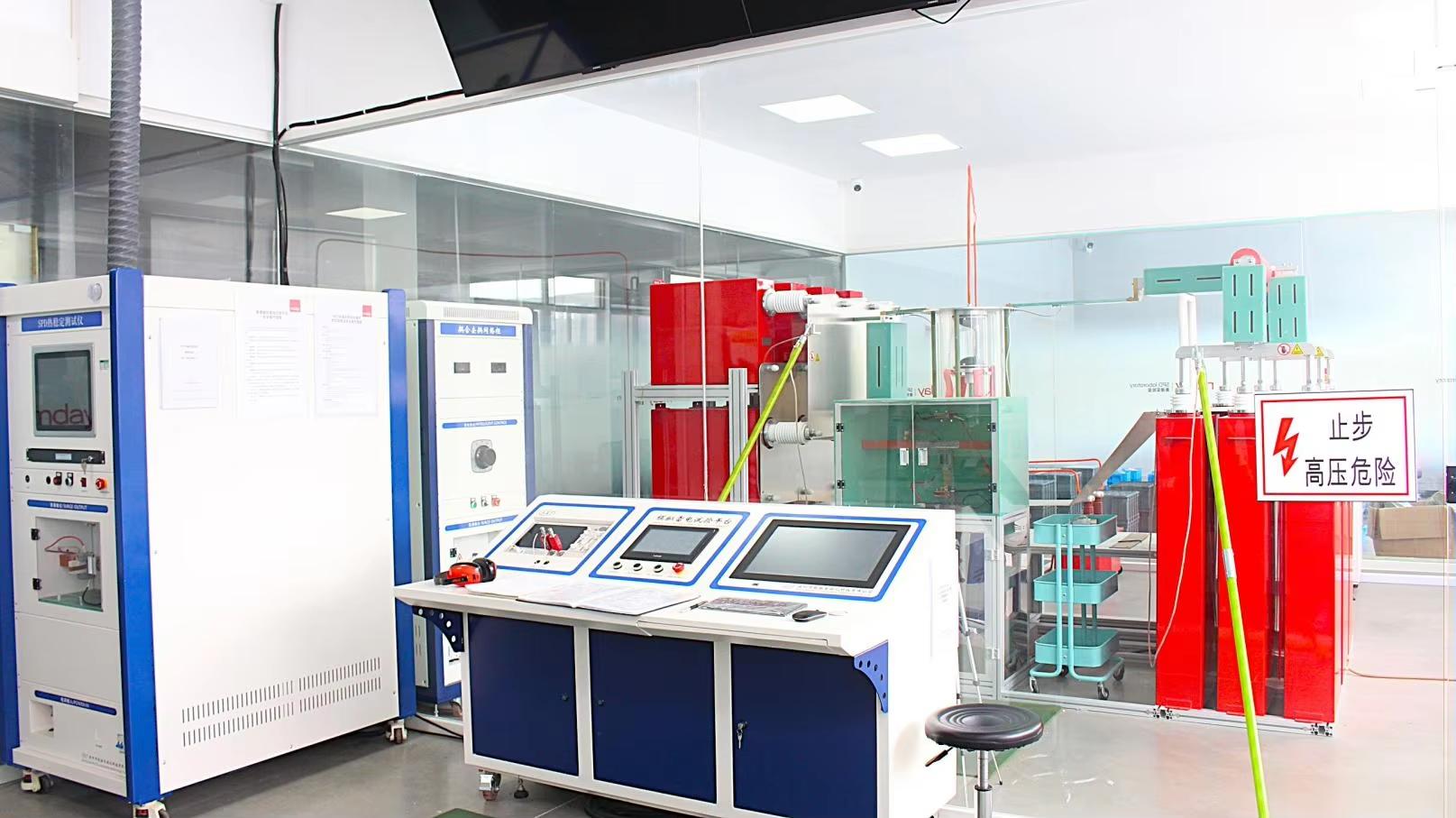
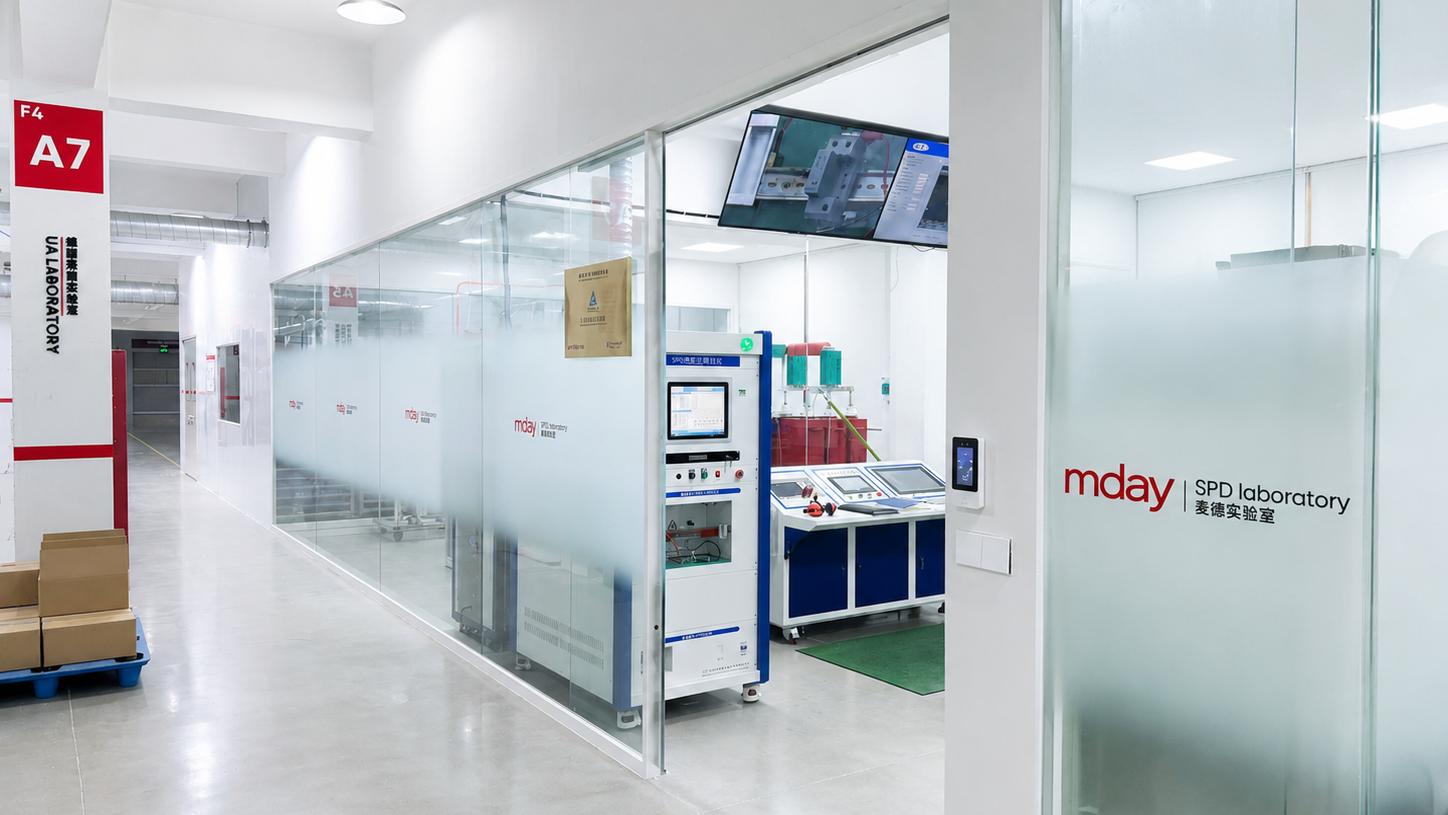
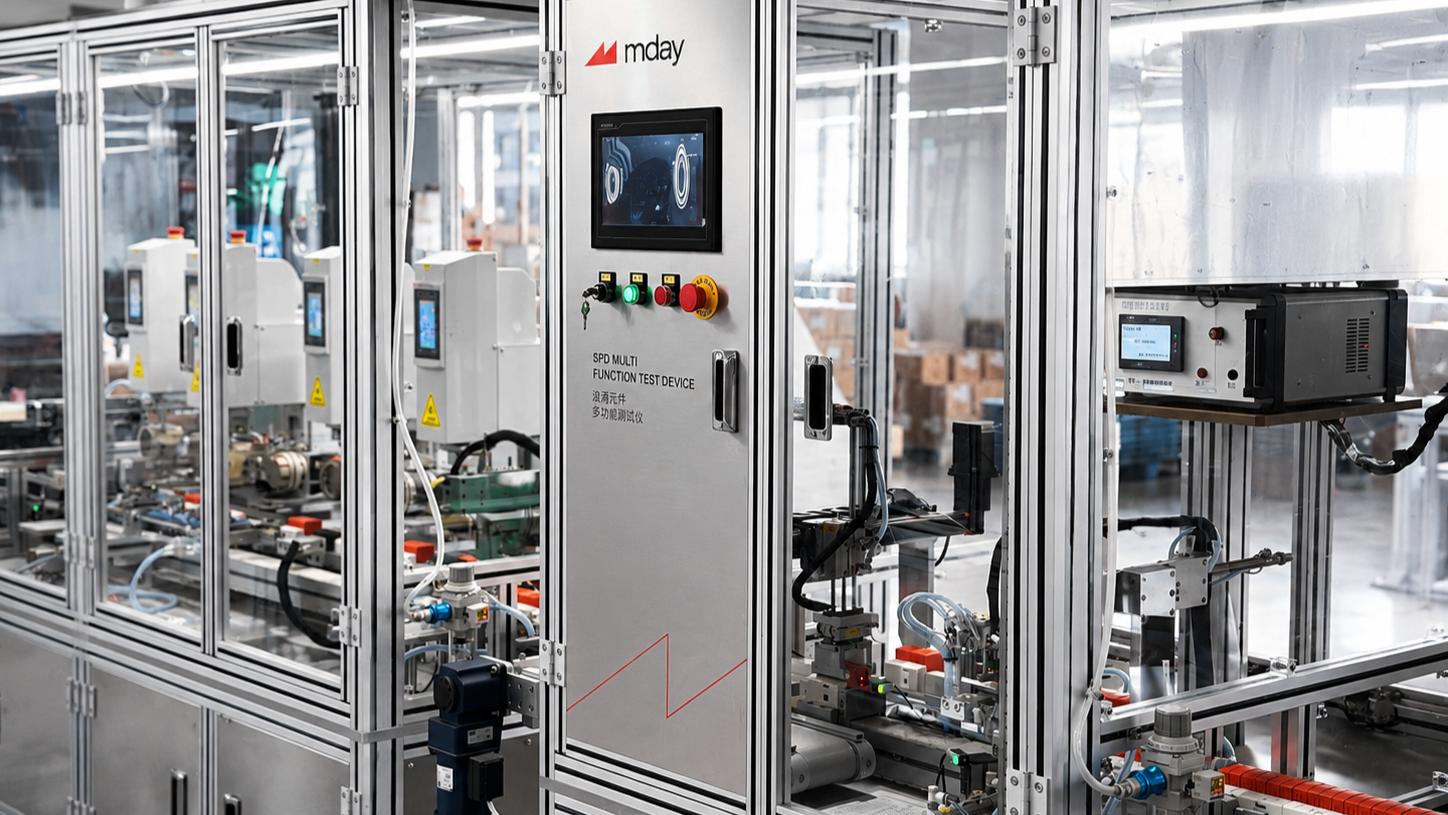
- In-House Testing Capability: 9 advanced testing instruments perform full surge pulse simulation, thermal dissipation testing, contact resistance checks, and hi-pot isolation tests on 100% of finished orders.
- Full OEM/ODM Customization: Over 7 years of specialized OEM experience providing private branding, custom silk-screen logos, custom housing colors, tailored wiring diagrams, and pre-mounted MC4 cable connectors.
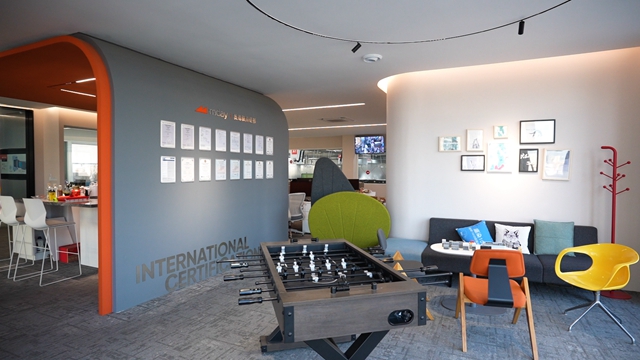
- Certified Product Quality: Components meet VDE, TÜV, CE, UL 248-19, and IEC 60269-6 international standards.
7. Frequently Asked Questions (FAQ) for B2B Importers & Contractors
Q1: What is the main advantage of a 2-In 2-Out Solar Combiner Box compared to direct connection to an inverter?
While some string inverters feature internal fuse terminals, installing a localized 2-In 2-Out Solar Combiner Box near the solar array provides localized safety disconnections, overcurrent protection close to the source, and localized surge protection. This prevents field-induced lightning transients from traversing long outdoor cable runs directly into the inverter.
Q2: Should fuses be installed on both positive (+) and negative (-) legs inside the 2-in 2-out box?
Yes. In floating (non-grounded) DC photovoltaic systems, an isolation fault or ground fault can occur on either pole. Installing gPV fuses on both positive and negative legs ensures that reverse fault currents are safely interrupted regardless of fault polarity, complying with IEC 62548 standards.
Q3: What is the typical lead time and minimum order quantity (MOQ) for custom OEM orders?
Standard catalog 2-In 2-Out combiner box models feature flexible MOQs starting from 5 to 10 units. Custom pre-wired or private label OEM orders typically ship within 2 to 7 business days following sample sign-off, backed by our 3 streamlined production lines.
Q4: How do I request a custom bill of materials (BOM) quote for my solar project?
You can send your electrical single-line diagram (SLD), array voltage specs, and desired disconnector preferences directly to our engineering team at info@luckelectric.com or click the inquiry button below to launch an instant communication window.
Ready to Optimize Your PV Protection Chain?
Work directly with a TÜV Rheinland assessed manufacturer. Get tailored 2-In 2-Out Solar Combiner Box drawings, factory-direct wholesale pricing, and full OEM support for your brand.