B2B Procurement & Technical Guide

Thermal Magnetic Trip Circuit Breaker Technical Guide: Sourcing Dynamics, Tripping Mechanics, and Market Trends for Global Buyers

An authoritative engineering evaluation of Thermal Magnetic Trip Circuit Breakers designed for electrical panel builders, solar PV system integrators, energy storage OEMs, and industrial distributors. Discover technical selection criteria, tripping curve analytics, emerging procurement trends, and factory-direct OEM capabilities from Luck (zhejiang) New Energy Co., Ltd.

Get a Quote Explore Product Range

1. Dual-Action Protection Mechanics: How Thermal-Magnetic Tripping Works

In modern low-voltage AC power distribution, solar photovoltaic arrays, and battery energy storage systems (BESS), circuit protection must mitigate two fundamentally distinct electrical hazards: sustained thermal overloads and instantaneous short-circuit faults. The Thermal Magnetic Trip Circuit Breaker accomplishes this through a dual-mechanism architecture built into a single, compact housing.

The Thermal Trip Element (Overload Protection)

The thermal protection mechanism consists of an accurately calibrated bimetallic strip constructed from two bonded metals with differing thermal expansion coefficients. When electrical current flows through the circuit breaker under normal operational conditions, joule heating ($I^2R$) remains within design thresholds. However, when an overload occurs (typically between $1.15 \times I_n$ and $3 \times I_n$), the continuous excessive current causes the bimetallic strip to heat up and flex. As it deflects, it physically engages a mechanical trip bar, releasing the spring-loaded latch and opening the breaker contacts.

Because bimetallic heating is inherently time-dependent, the thermal trip unit exhibits an inverse time-current characteristic: higher overload currents cause faster thermal deflection, while minor overcurrents are tolerated temporarily to prevent nuisance tripping during harmless transient surges (such as motor startup currents).

The Magnetic Trip Element (Short-Circuit Protection)

In contrast to slow thermal overload deflection, short-circuit faults demand sub-cycle fault clearance to prevent catastrophic equipment damage, conductor melting, or electrical fires. The magnetic protection mechanism employs an electromagnetic solenoid coil wired in series with the current path. Under normal load conditions, the magnetic field generated by the coil is insufficient to pull the internal armature against its counter-acting spring.

When a high-magnitude short-circuit fault strikes (exceeding $3 \times I_n$ up to $10 \times I_n$ or higher, depending on the tripping curve), the sudden current spike generates an intense magnetic force that instantly pulls the armature, forcibly striking the trip mechanism in under 10 milliseconds.

Comparison: Thermal-Magnetic vs. Hydraulic-Magnetic vs. Electronic Circuit Breakers

Technology Type Overload Sensing Short-Circuit Sensing Temperature Sensitivity Cost Profile Optimal Applications
Thermal-Magnetic Bimetallic Strip ($I^2R$ Heat) Electromagnetic Solenoid Slightly sensitive (Calibrated at 40°C) Cost-Effective / High ROI Solar PV strings, C&I distribution, residential boards, BESS combiners
Hydraulic-Magnetic Hermetic Fluid Dashpot Solenoid Core Pull Temperature Independent Moderate to High Telecom power supplies, marine installations, extreme desert panels
Electronic / Microprocessor Current Transformer (CT) & ASIC Digital Microprocessor Signal Low (requires auxiliary power) High Premium Main industrial switchgear, high-amp utility substations (>630A)

Tripping Curve Analytics: B, C, and D Curve Selection

Choosing the correct tripping curve is critical to balancing system safety with operational continuity. At Luck (zhejiang) New Energy Co., Ltd., our thermal magnetic circuit breakers are manufactured to meet precise IEC/EN 60947-2 and IEC/EN 60898-2 standards across standard tripping characteristics:

  • Curve B (3 to 5 $I_n$): Designed for resistive loads and long cable runs where short-circuit currents are relatively low. Ideal for telecommunications DC circuits and residential lighting.
  • Curve C (5 to 10 $I_n$): The industry standard for general commercial distribution, solar PV string protection, inverter input channels, and inductive inductive lighting loads.
  • Curve D (10 to 20 $I_n$): High instantaneous magnetic trip threshold designed to accommodate severe inrush currents from transformers, high-capacity motors, and capacitive energy storage chargers without nuisance tripping.

Product Selection Showcase

Recommended Thermal Magnetic Trip Circuit Breakers & Systems

Factory-direct low-voltage protection components engineered by Luck (zhejiang) New Energy Co., Ltd. for demanding global solar and electrical applications.

Luck New Energy Manufacturing Excellence & Enterprise Profile Enterprise Headquarters & Executive Production Hub
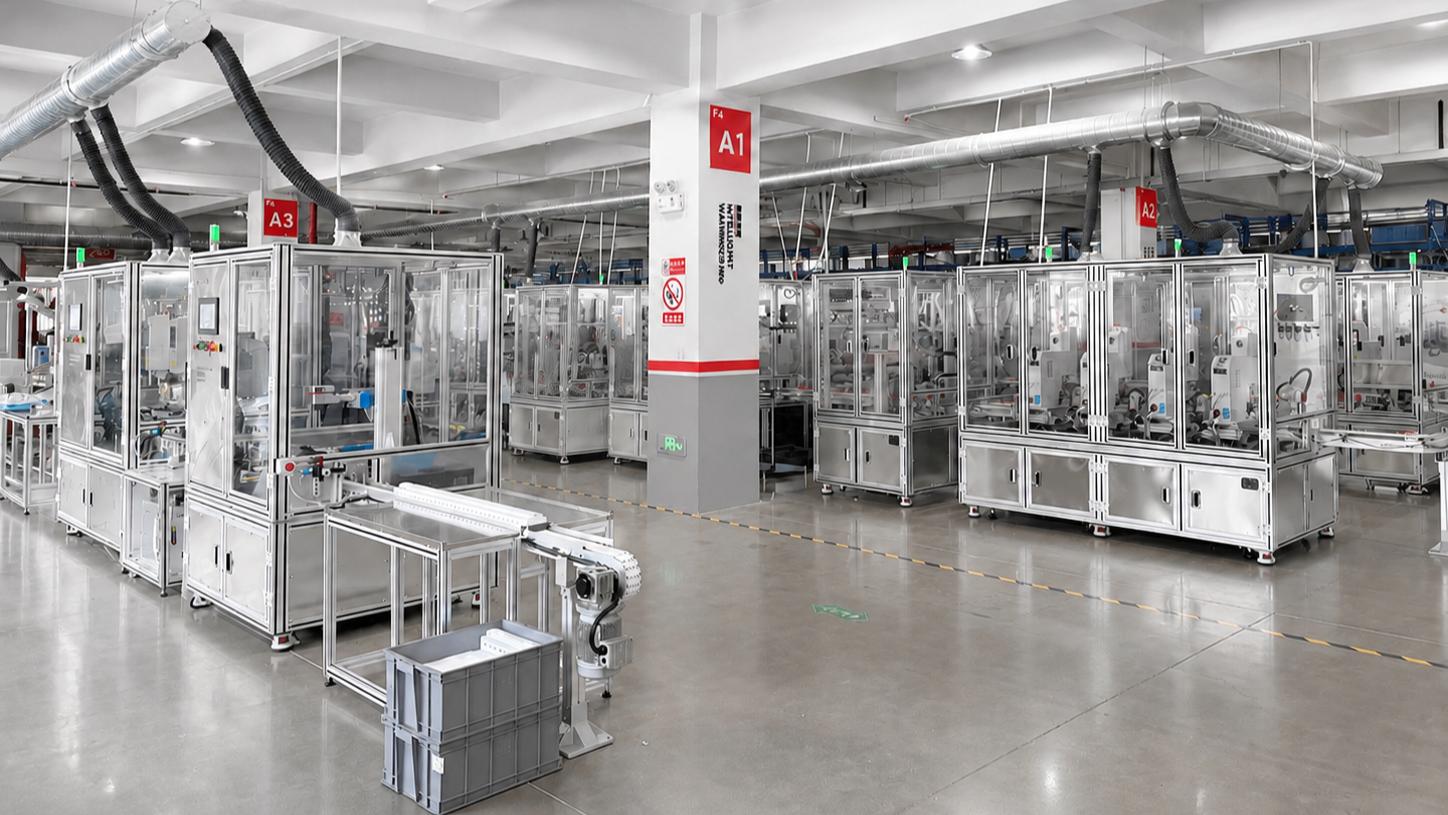
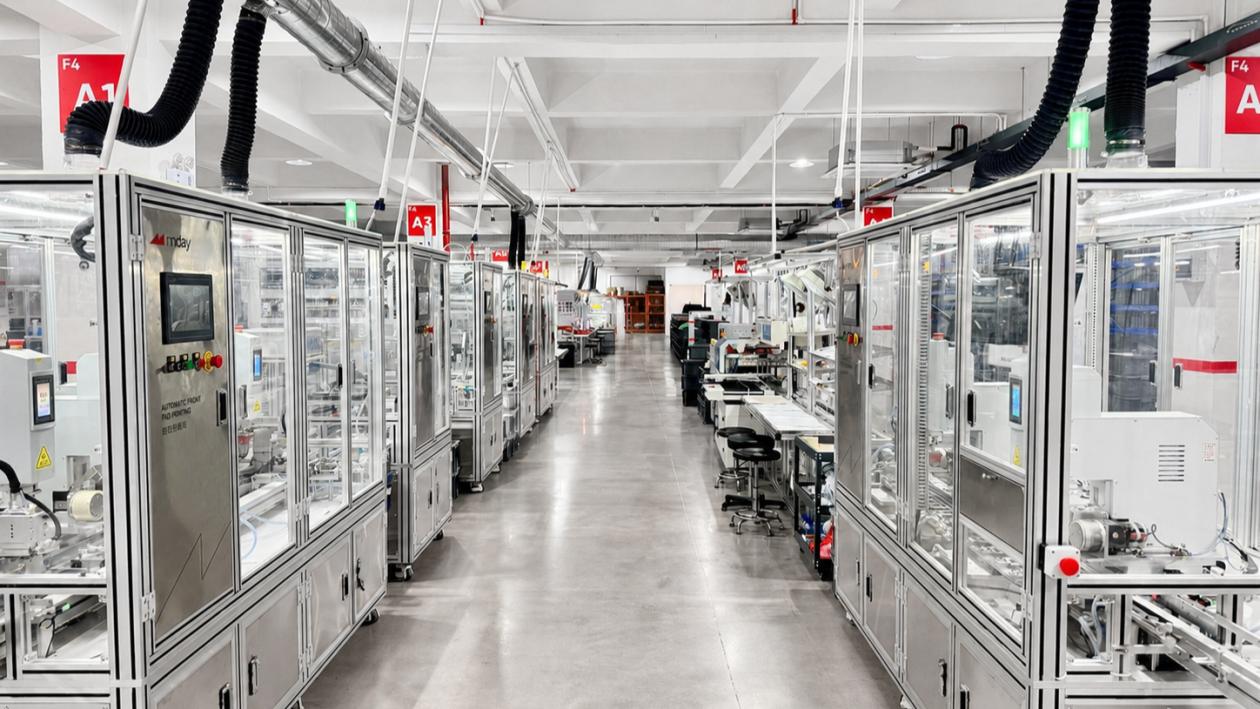
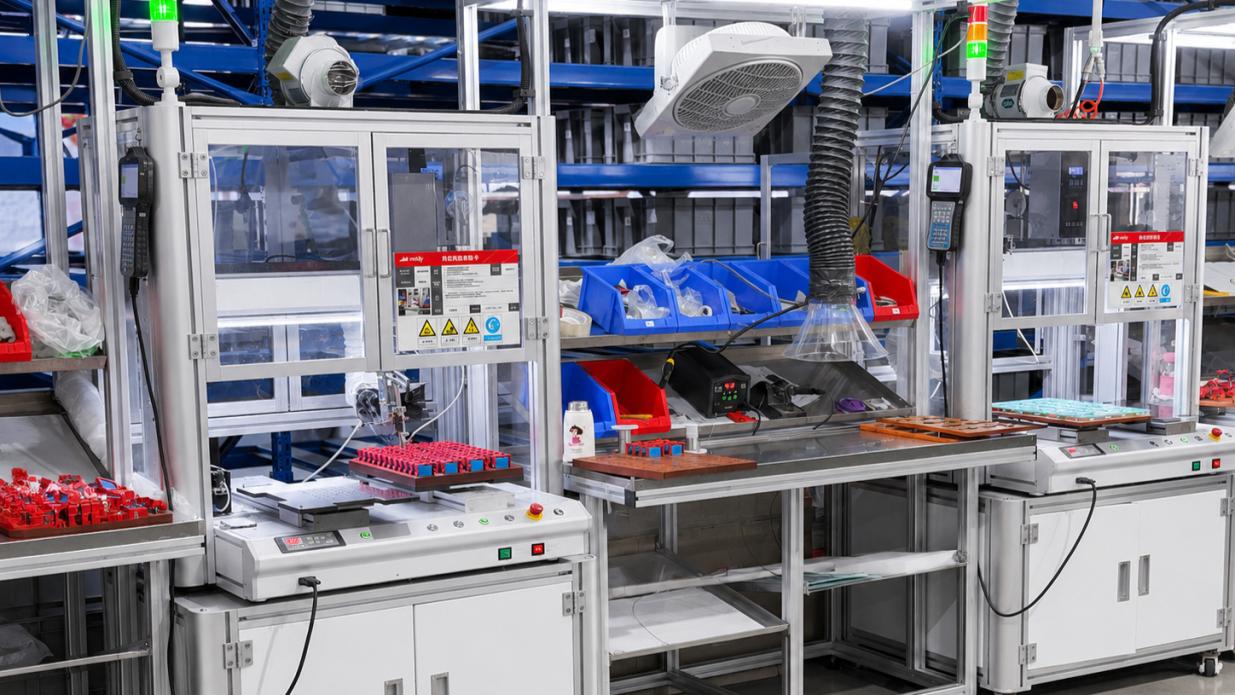
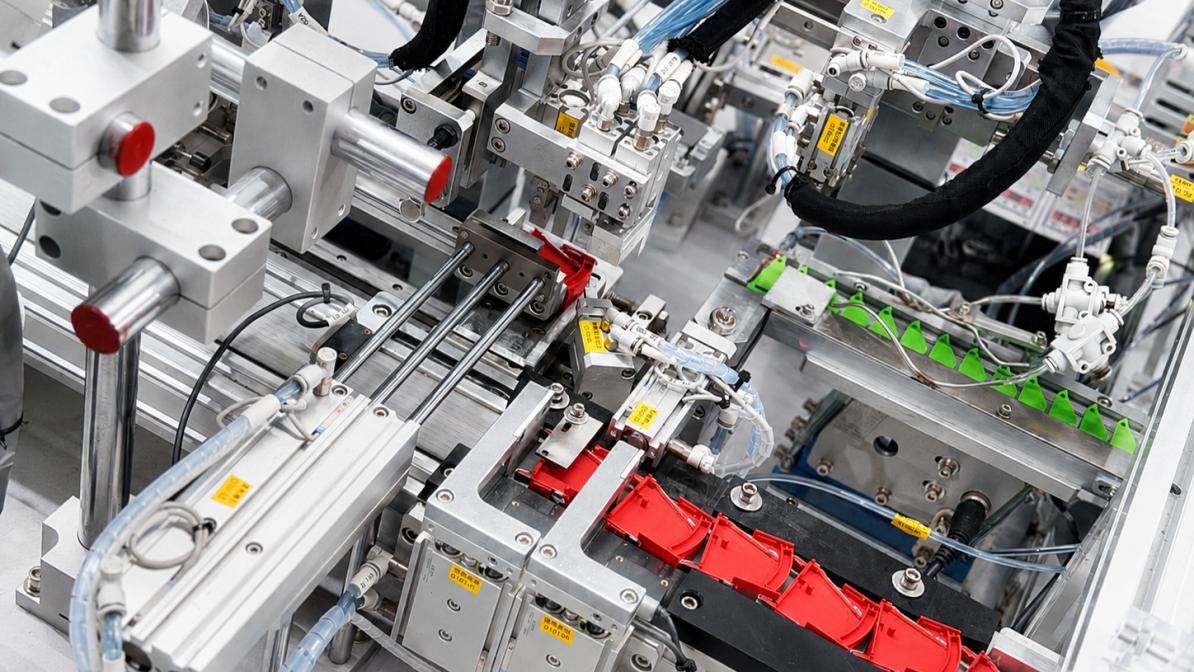
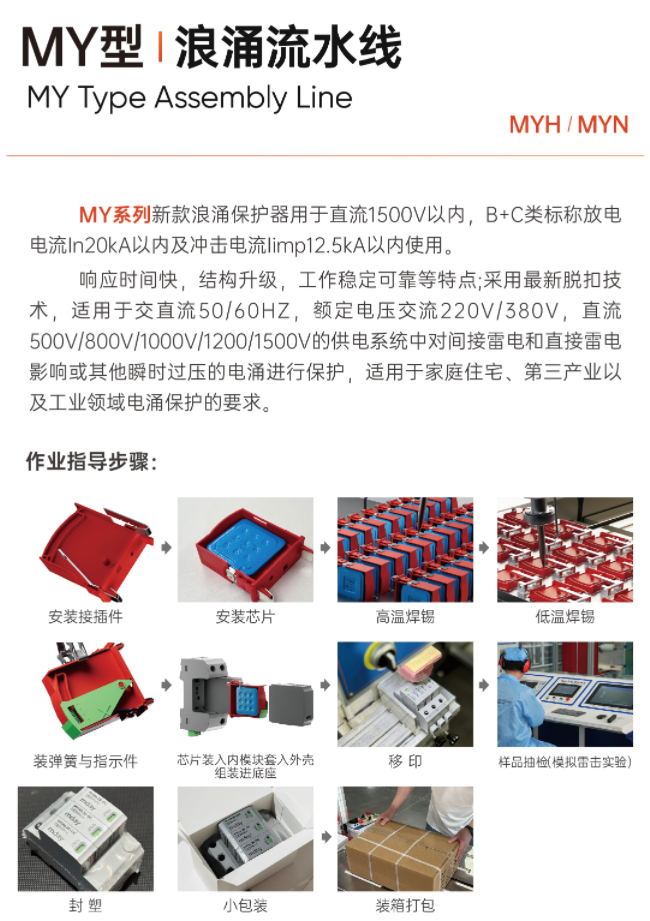
Precision Assembly Line for Thermal Magnetic Circuit Breakers Automated Assembly & Calibration Line
1000V DC Solar PV DC Thermal Magnetic Miniature Circuit Breaker L7 Series
L7 Series · DC MCB

Solar PV DC Thermal Magnetic MCB 1A–63A 1000V

Non-polarized magnetic arc chute design for bi-directional battery and solar PV array protection.

  • 1000V DC
  • 6kA Breaking
  • IEC/EN 60947-2
MCCB Thermal Magnetic Moulded Case Circuit Breaker MDM3DC-250
MDM3DC-250 · MCCB

500V/1000V 250A Thermal Magnetic DC MCCB

Heavy-duty molded case breaker with adjustable thermal magnetic trip threshold for central inverters.

  • 250A Rating
  • 20kA Breaking
  • 2-Pole / 4-Pole
AC Distribution AC DIN Rail Thermal Magnetic Circuit Breaker 230V 400V
MY-AC Series

AC Thermal Magnetic DIN Rail Breaker 1P-4P 400V

Calibrated silver-alloy contacts delivering long electrical life for commercial power switchboards.

  • 400V AC
  • 10kA Breaking
  • CE / VDE Standard
IP65 Box Solar Combiner Box pre-wired with Thermal Magnetic Circuit Breakers
PV Box Solution

Pre-Wired IP65 Combiner Box with Thermal Breakers

Turnkey DC string combiner box integrated with thermal magnetic MCBs, surge protectors, and fuses.

  • IP65 Waterproof
  • 2-In 2-Out to 18-Way
  • TÜV Certified
Why Partner With Us

Enterprise Strengths & Manufacturing Excellence

Luck (zhejiang) New Energy Co., Ltd. is a dedicated manufacturer of low-voltage photovoltaic protection and distribution components located in the Yueqing Economic Development Zone, Wenzhou, China.

With over 12 years of specialized engineering experience, Luck (zhejiang) New Energy Co., Ltd. operates a modern production facility equipped with 3 functional manufacturing lines, an internal plastic injection workshop, precision metal stamping dies, and a dedicated quality testing laboratory.

Our core product catalog encompasses Thermal Magnetic Trip Circuit Breakers (DC MCB / DC MCCB / AC MCB), Surge Protective Devices (Type 1+2 & Type 2 SPD), 1000V/1500V DC Fuses and Fuse Holders, 34mm Square Metal Oxide Varistors (MOV), Isolator Switches, and IP65 Solar Combiner Boxes.

  • TÜV Rheinland Onsite Verified Factory
  • 9 In-House Testing Instruments
  • 100% Finished-Product Inspection
  • Fast Delivery (2–7 Days for Standard Models)
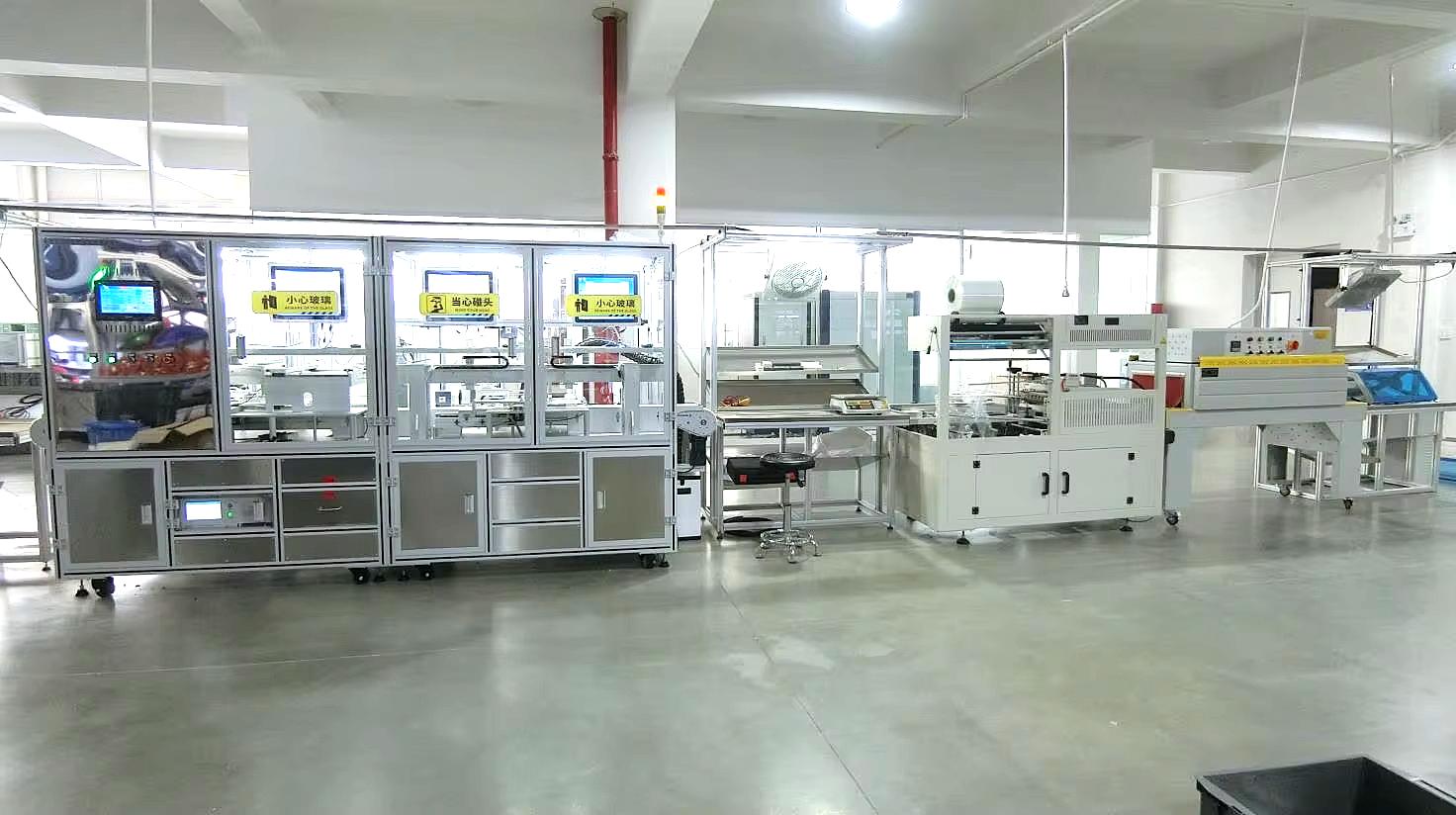
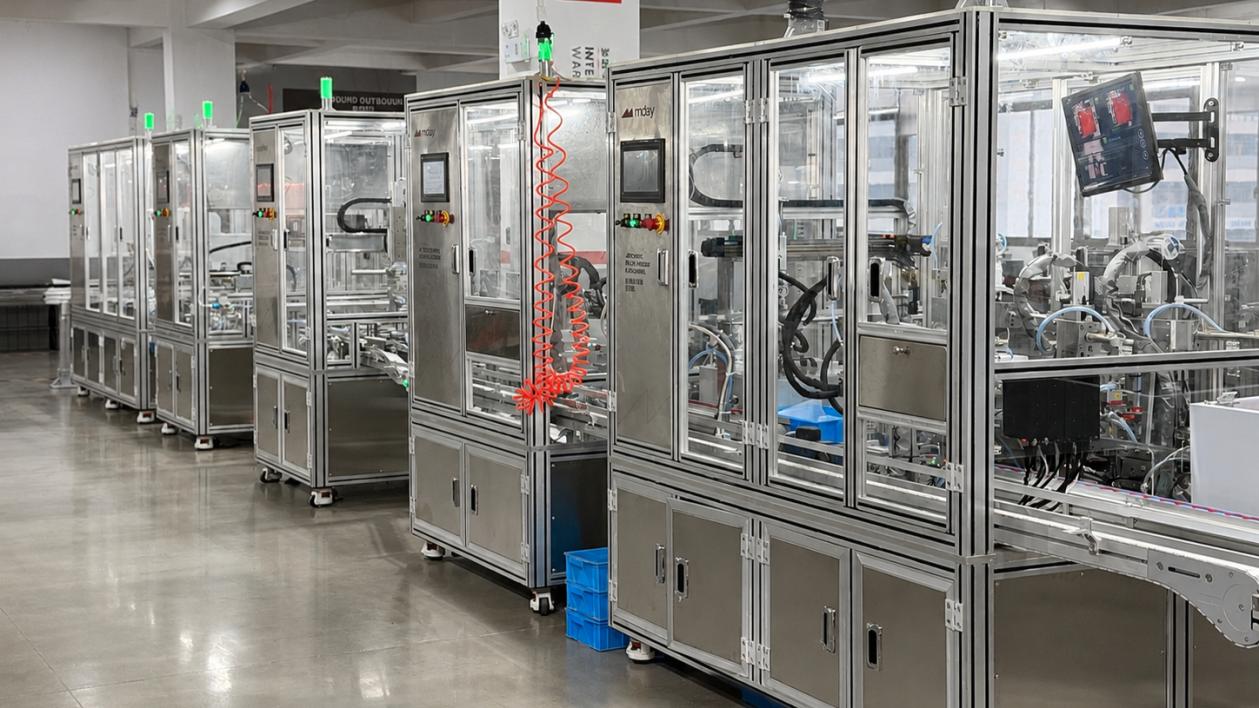
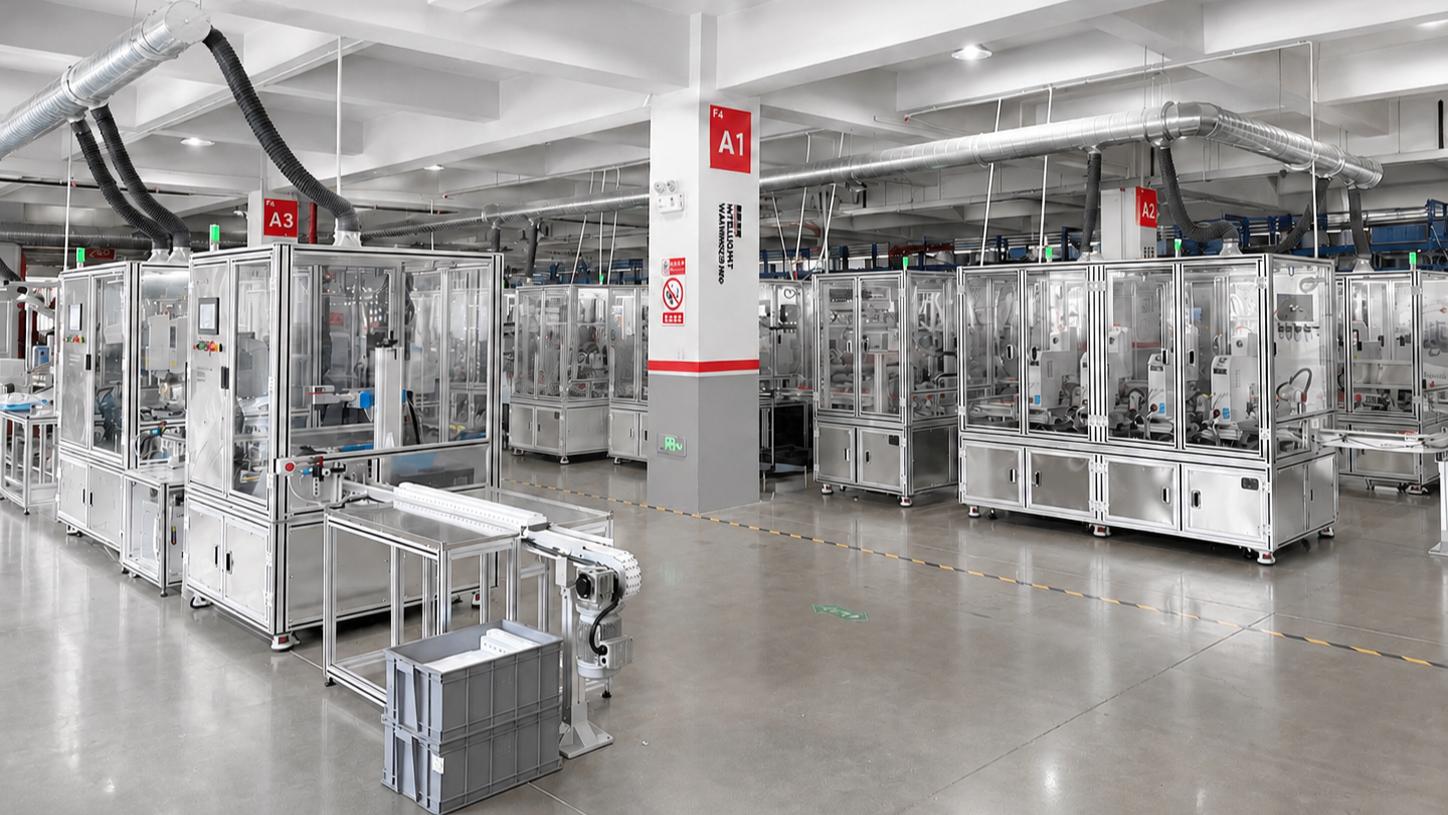
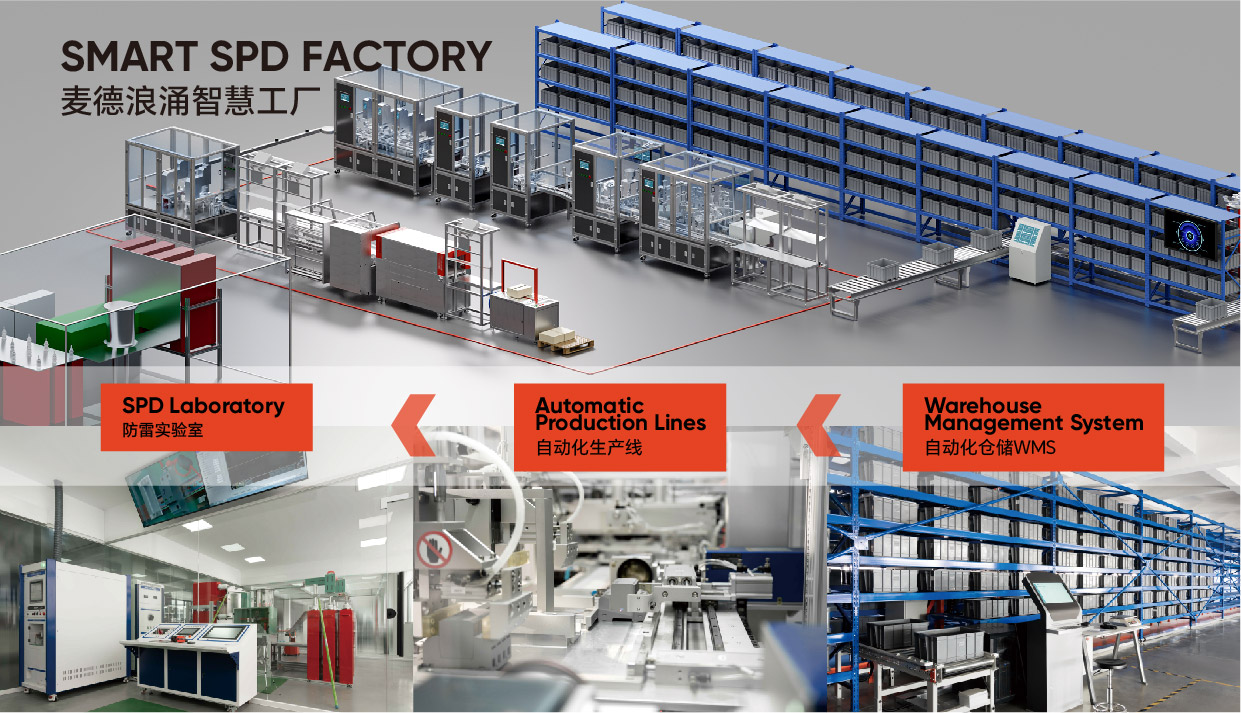
Luck New Energy Factory Overview and High Precision Machinery

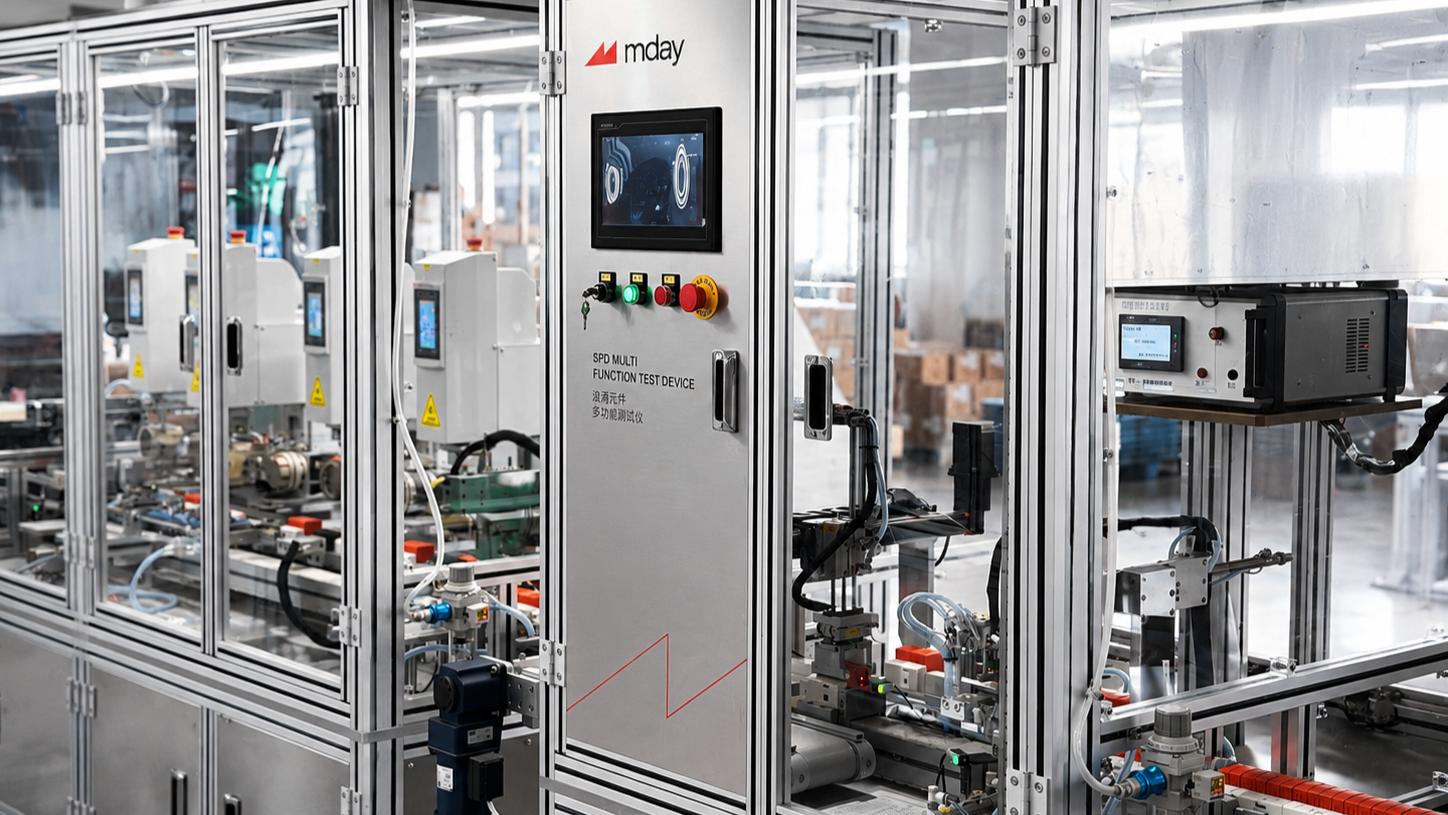
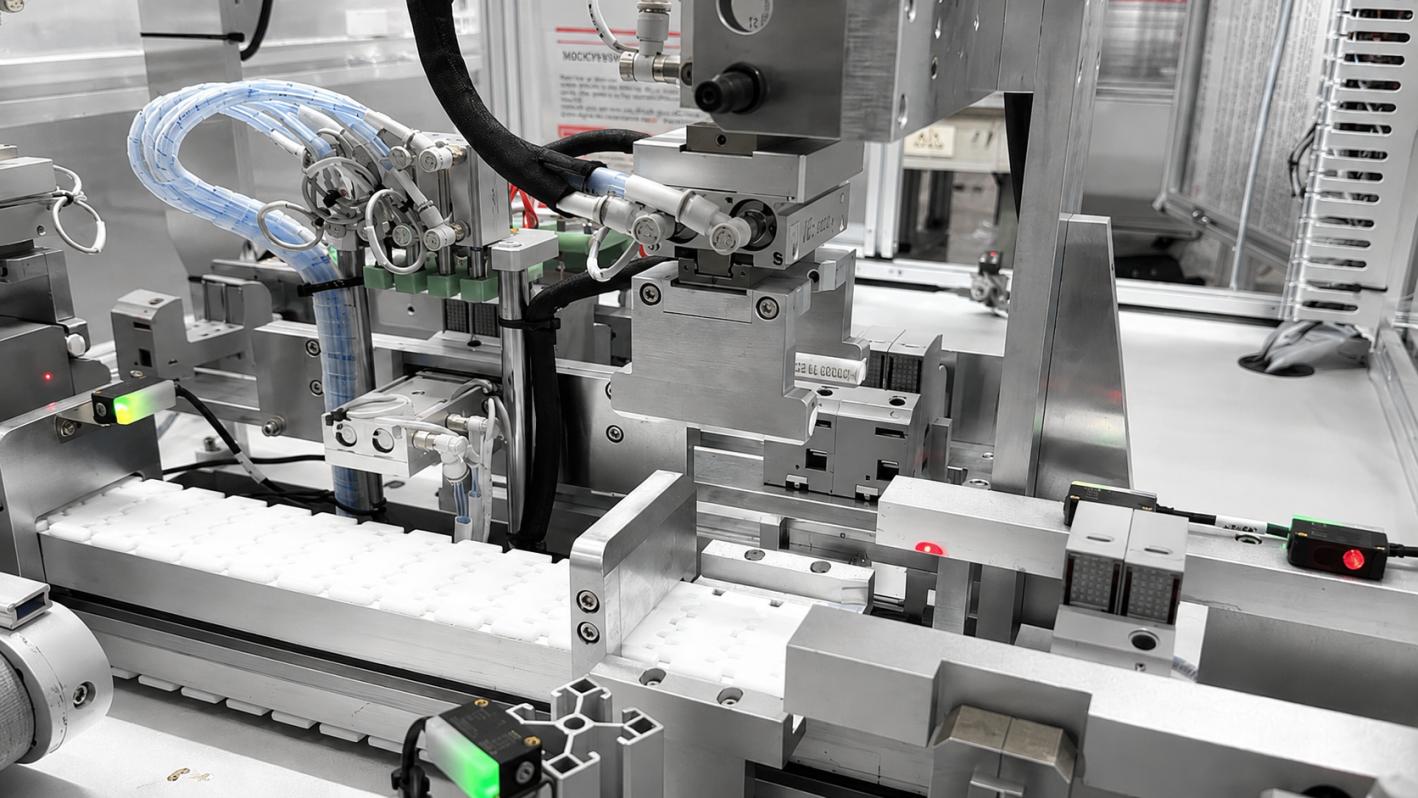
Factory Overview & Production Workshop Tour

Explore our internal manufacturing capabilities, automated assembly stations, inspection instruments, and packaging standards:

Automated Wire Stripping and Terminal Crimping Workstation Automated Terminal Crimping & Wire Harness
Magnetic Solenoid Winding Machine Solenoid Coil Winding & Tripping Calibration
Arc Chute Stacking and Verification Arc Extinguishing Chamber Stacking
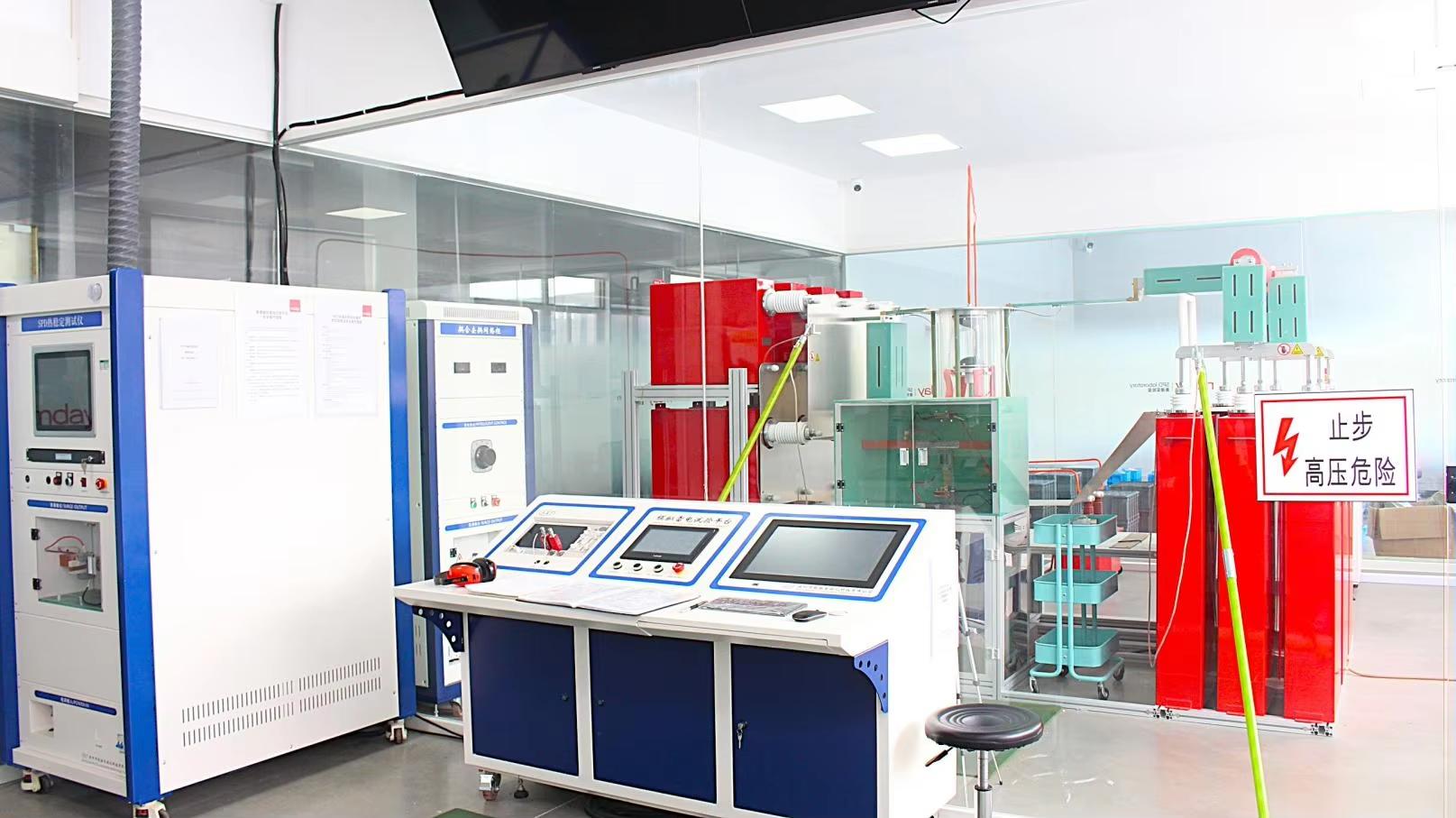
High Current Injection Calibration Station Overload & Short-Circuit Calibration Tester
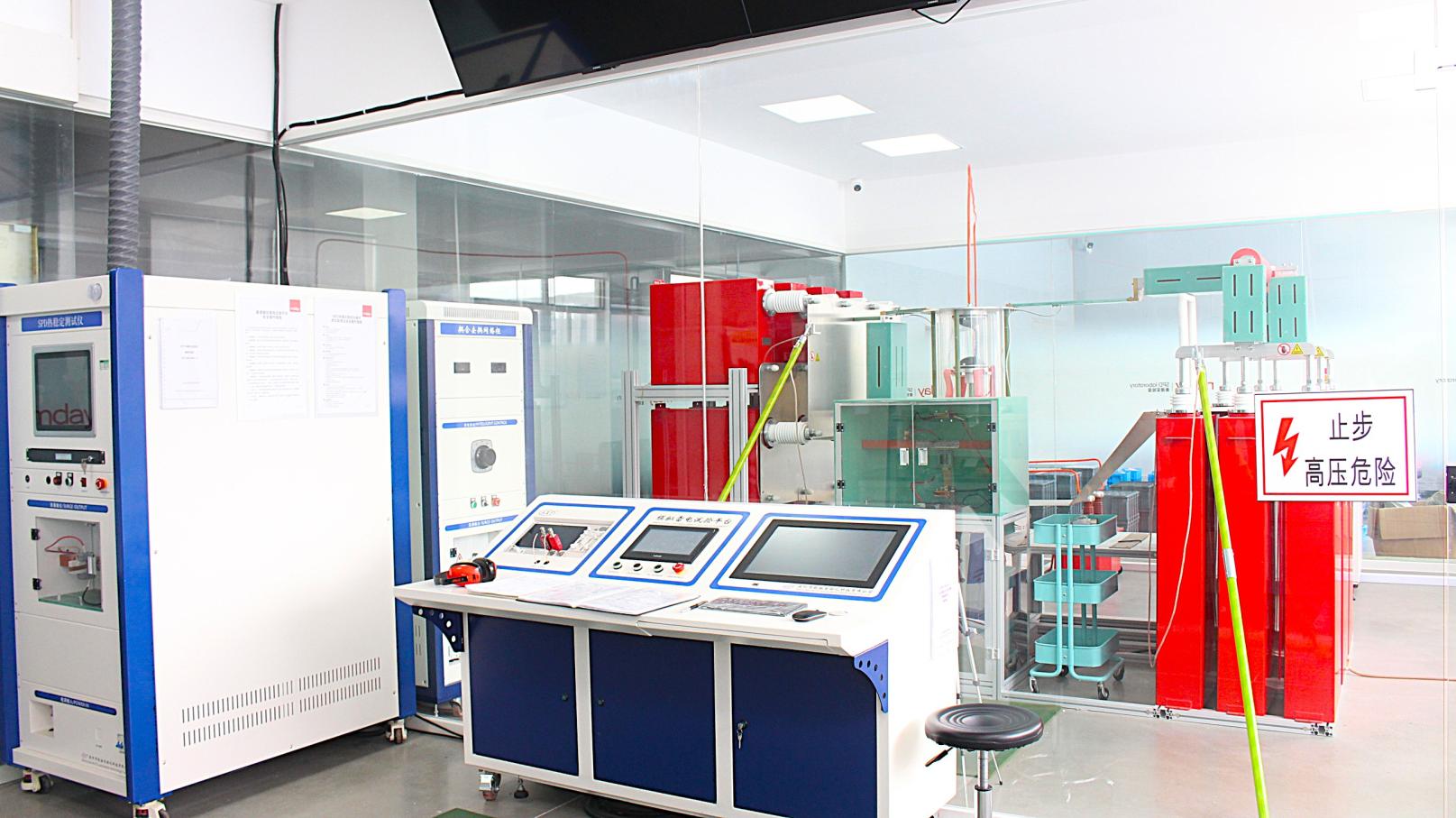
Insulation Withstand Voltage Testing Laboratory Dielectric Voltage & Insulation Tester
Temperature Rise Testing Bench Multi-Channel Temperature Rise Bench
Optical Laser Etching Machine for Brand Marking Laser Marking & Serial Numbering
Finished Product Quality Assurance Checkpoint Final QA Visual & Electrical Inspection
Export Packaging and Palletizing Facility Export Carton Packing & Seaworthy Palletizing
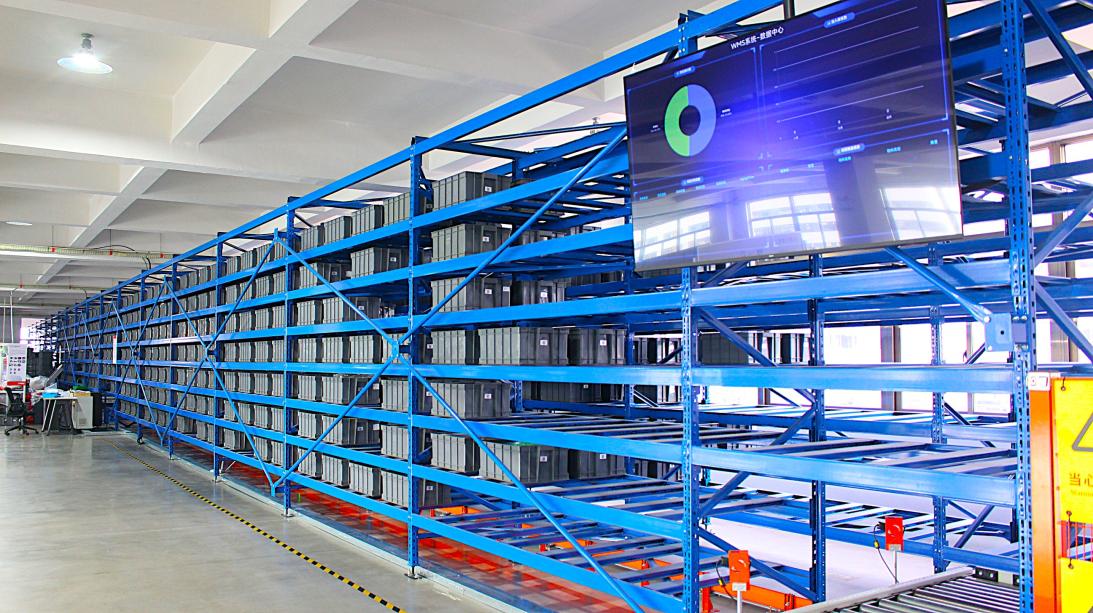
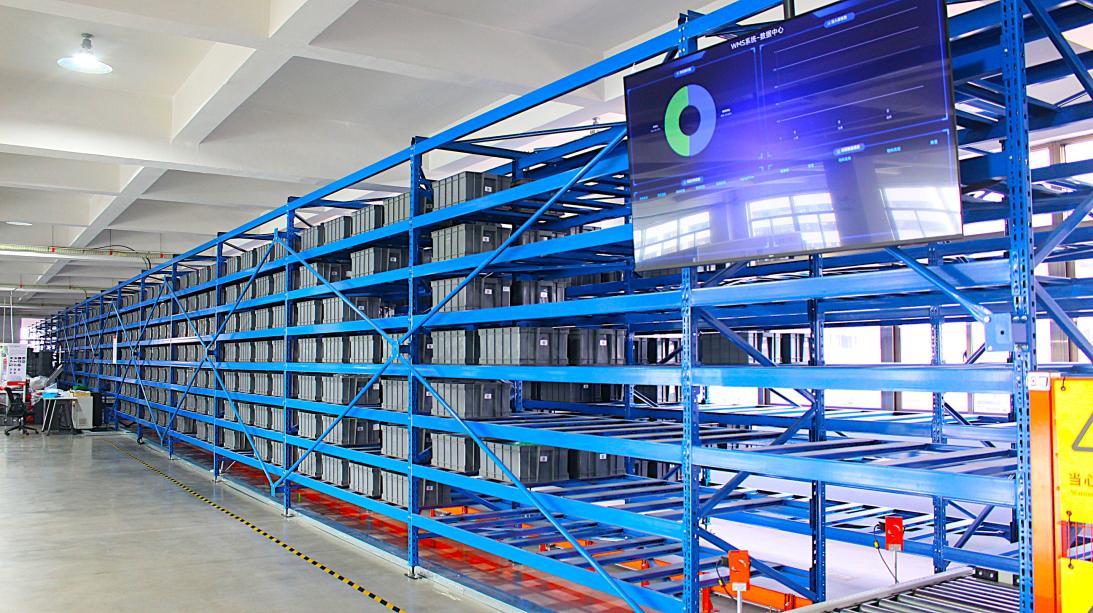
Warehouse Storage for Raw Materials and Components Raw Material & Copper Stock Inventory
Finished Goods Storage Area Ready-to-Ship Finished Product Warehouse
Global Shipping and Logistics Dispatch Global Container Loading & Logistics Hub
Procurement Knowledge Base

Frequently Asked Questions by Global Buyers & AI Search Queries

Key technical and commercial answers compiled by our senior electrical engineering and procurement team.

How does a thermal magnetic trip circuit breaker handle both overload and short-circuit faults in high-voltage DC solar systems?

A thermal magnetic trip circuit breaker combines two distinct tripping mechanisms in a single housing. The thermal mechanism utilizes a calibrated bimetallic strip that bends predictably under sustained overload currents, heating up due to $I^2R$ thermal dissipation until it mechanically releases the latch. The magnetic mechanism utilizes an electromagnetic solenoid coil that generates an instantaneous magnetic field during massive short-circuit current surges, physically driving an armature to trip the breaker in milliseconds. In DC solar PV systems, specialized permanent magnetic blow-out channels and arc chutes are integrated to extinguish DC arcs caused during disconnection.

What is the difference between thermal magnetic MCB and MCCB in solar PV array installations?

Miniature Circuit Breakers (MCB) are typically rated up to 63A or 125A with fixed thermal-magnetic trip settings, designed for DIN-rail mounting in string-level or combiner box circuits. Moulded Case Circuit Breakers (MCCB) handle higher operational currents from 100A up to 250A or 630A with robust, arc-resistant molded enclosures, higher breaking capacities (up to 20kA–50kA at 1000V DC), and often feature adjustable thermal or magnetic threshold settings for precise system coordination in central inverter inputs and battery energy storage systems.

How do ambient temperature variations impact thermal magnetic tripping characteristics in outdoor combiner boxes?

Because the thermal element relies on bimetallic thermal deflection, ambient temperatures inside outdoor IP65 combiner boxes affect tripping times. Standard thermal trip curves are calibrated at 30°C or 40°C. In high-temperature ambient environments (e.g., desert solar farms reaching 50°C to 60°C internal enclosure temperatures), thermal trip units trip at lower continuous currents, requiring temperature derating factors (typically 0.8 to 0.9x rated current). Quality manufacturers like Luck (zhejiang) New Energy Co., Ltd. provide temperature derating tables to ensure accurate sizing.

Why is non-polarity sensitivity essential for thermal magnetic breakers in battery energy storage systems (BESS)?

In battery energy storage systems (BESS), power flows bidirectionally—charging from solar/grid and discharging into loads. Standard polarity-sensitive DC circuit breakers utilize permanent magnets that push arcs into arc chutes only when current flows in one direction; reverse current flow can redirect arcs away from chutes, causing fire risks. Non-polarized thermal magnetic DC breakers utilize specialized symmetrical magnetic arc-extinguishing chambers, ensuring safe arc suppression regardless of current direction.

What certifications should B2B procurement teams look for when sourcing thermal magnetic circuit breakers from China?

Procurement managers should verify compliance with international electrical standards: IEC/EN 60947-2 for industrial low-voltage circuit breakers, IEC/EN 60898-2 for DC MCBs, CE marking, VDE certification for European market acceptance, and TÜV Rheinland factory verification reports. Ensure the factory provides certified laboratory test reports covering breaking capacity (Icu/Ics), temperature rise, and mechanical endurance.

What are the custom OEM/ODM options, MOQs, and lead times provided by Luck (zhejiang) New Energy Co., Ltd.?

Luck (zhejiang) New Energy Co., Ltd. offers flexible OEM/ODM options including custom current ratings, tailored tripping curves (B, C, D curves), custom housing colors, private laser labeling, and pre-wired combiner box integration. MOQ ranges from 5 to 200 pieces depending on MCB vs MCCB models. Standard product lead times are 2 to 7 days, backed by 3 automated production lines and in-house molding facilities.

Direct Factory Connection

Source Certified Thermal Magnetic Trip Breakers Factory-Direct

Looking for reliable, cost-effective, and fully certified Thermal Magnetic Trip Circuit Breakers, DC MCCBs, or pre-wired IP65 combiner boxes? Contact our engineering sales team at Luck (zhejiang) New Energy Co., Ltd. today for instant technical datasheets, sample requests, and competitive wholesale pricing.

Email Inquiriesinfo@luckelectric.com
Factory Location4th Floor, 299 Weishi Road, Yueqing Economic Development Zone, Wenzhou, Zhejiang, China
Supported TermsT/T, L/C, D/P, Western Union, PayPal, Cash