Solar PV DC Surge Protective Device Engineering & Global Procurement Guide: High-Voltage Protection Architecture, Technological Trends, and OEM Selection for Next-Gen PV Systems
An in-depth technical analysis for utility-scale solar developers, commercial EPC contractors, panel builders, and electrical distributors seeking robust circuit protection against lightning transients and operational overvoltages.

1. The Core Technical Imperative: Why Photovoltaic DC Systems Require Purpose-Built Surge Protective Devices
As the global solar energy infrastructure accelerates toward higher operating voltages—transitioning rapidly from traditional 1000V DC architectures to high-efficiency 1500V DC utility-scale networks—the operational demand placed on electrical circuit protection has intensified exponentially. Photovoltaic (PV) arrays are uniquely exposed to extreme environmental conditions and electromagnetic atmospheric disturbances. Installed over expansive outdoor acreage, solar strings act as giant receiving antennas for direct lightning strikes, indirect surge currents, and switching-induced overvoltages.
A common engineering mistake in early-stage PV design was the attempt to adapt standard Alternating Current (AC) surge protectors to Direct Current (DC) circuits. However, the physics of DC current interruption differs fundamentally from AC electrical behavior:
- Absence of Zero-Crossing: AC voltage continuously passes through zero current cross-over points 100 or 120 times per second (50/60 Hz), allowing electrical arcs within a degraded Metal Oxide Varistor (MOV) to naturally extinguish. In contrast, DC current maintains a constant amplitude with no zero-crossing point. When a varistor fails or experiences thermal runaway under prolonged overvoltage, an continuous DC electric arc forms, capable of sustaining temperatures exceeding 3000°C.
- Uncontained Thermal Runaway Hazards: Without a specialized high-speed thermal disconnector specifically tuned for DC arcs, degraded MOVs can ignite the plastic enclosure, triggering catastrophic fires in combiner boxes, string inverters, or energy storage cabinets.
- Y-Topology Configuration (EN 50539-11 / IEC 61643-31): Purpose-built Solar PV DC Surge Protective Devices (DC SPDs) utilize a three-module "Y" circuit design (comprising DC+, DC-, and PE protective earth poles). This configuration ensures that even if an insulation fault occurs between the solar panel frame and earth, the surge protector continues to safely direct impulse currents to the ground without causing short-circuit currents through the remaining healthy MOV.
At Luck (zhejiang) New Energy Co., Ltd., our engineering team designs every Solar PV DC Surge Protective Device strictly in compliance with IEC 61643-31 (Low-voltage surge protective devices - Part 31: SPDs for photovoltaic installations) and EN 50539-11, integrating micro-arc extinction chambers and precision thermal release mechanisms capable of instantly quenching DC arcs upon component degradation.
2. Product Recommendation & Technical Specification Portfolio
To assist procurement managers, system integrators, and electrical engineers in matching the exact surge protection rating to their system architecture, Luck (zhejiang) New Energy Co., Ltd. offers a comprehensive line of DIN-rail modular Solar PV DC Surge Protective Devices.
2.1. MLN40-DC Series: Type 2 Solar PV DC Surge Protective Device (1000V / 1500V DC)
Designed for residential, commercial & industrial (C&I), and utility-scale solar string inverters and combiner boxes. The MLN40-DC delivers reliable protection against indirect lightning surges and system switching transients.
- Continuous Operating Voltage ($U_{cpv}$): Available in 500V, 600V, 800V, 1000V, 1200V, and 1500V DC.
- Nominal Discharge Current ($I_n$): 20kA (8/20 µs waveform per pole).
- Maximum Discharge Current ($I_{max}$): 40kA (8/20 µs waveform).
- Voltage Protection Level ($U_p$): $\le 2.8\text{ kV}$ (1000V DC) / $\le 3.8\text{ kV}$ (1500V DC).
- Features: Plug-in module structure, visual status window (Green = Normal, Red = Fault/Replace), internal dynamic thermal disconnector, optional remote signaling fault contact (NO/NC).
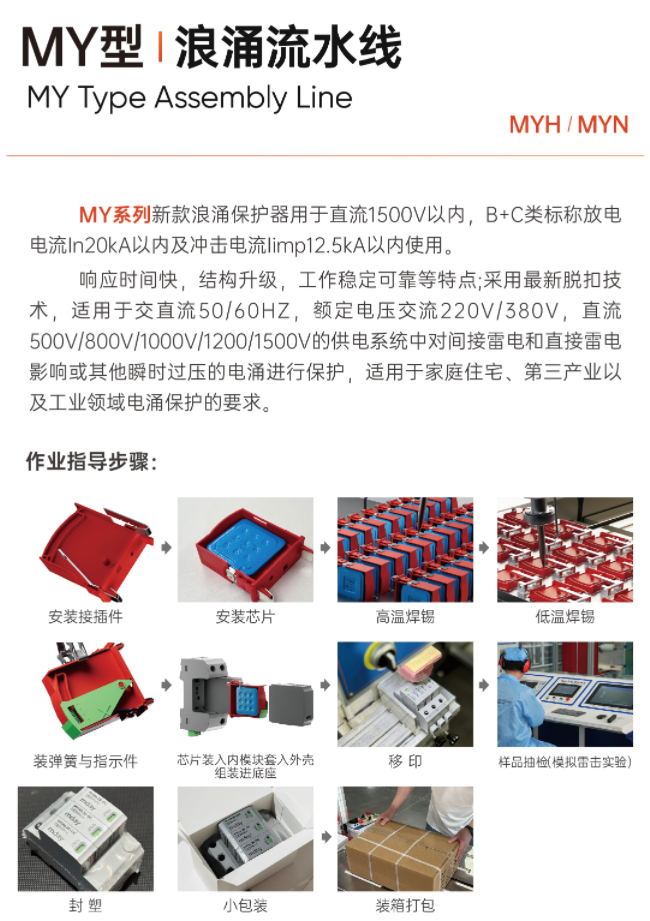
2.2. MYH7-DC Series: Type 1+2 Heavy-Duty Solar PV DC Surge Protective Device
Engineered specifically for installations exposed to severe lightning risks, rooftop PV arrays equipped with external Lightning Protection Systems (LPS) per IEC 62305, or ground-mounted utility solar plants in high thunderstorm-frequency zones.
- Impulse Current ($I_{imp}$): 7kA / 12.5kA (10/350 µs direct lightning impulse waveform per pole).
- Total Impulse Current ($I_{total}$): Up to 25kA (10/350 µs).
- Nominal Discharge Current ($I_n$): 20kA (8/20 µs).
- Maximum Discharge Current ($I_{max}$): 50kA (8/20 µs).
- Compliance: Tested and certified under Class I + Class II test standards per IEC 61643-31.
| Model Series | SPD Class / Type | Max Operating Voltage ($U_{cpv}$) | Impulse Current ($I_{imp}$ 10/350µs) | Max Discharge ($I_{max}$ 8/20µs) | Protection Level ($U_p$) | Primary Application |
|---|---|---|---|---|---|---|
| MLN40-DC 1000V | Type 2 (Class II) | 1000V DC | N/A | 40 kA | ≤ 2.8 kV | Residential & Commercial String Inverters / Combiner Boxes |
| MLN40-DC 1500V | Type 2 (Class II) | 1500V DC | N/A | 40 kA | ≤ 3.8 kV | 1500V Utility Solar Arrays & Central Inverters |
| MYH7-DC 1000V | Type 1+2 (Class I+II) | 1000V DC | 7 kA | 50 kA | ≤ 2.5 kV | Rooftop Solar with External Lightning Protection |
| MYH7-DC 1500V | Type 1+2 (Class I+II) | 1500V DC | 12.5 kA | 50 kA | ≤ 3.6 kV | High-Risk Utility Plants & Open-Field Substation Arrays |
3. Technological Evolution & Development Trends in Solar DC SPDs
The renewable energy sector is evolving at an unprecedented rate. To maintain a competitive edge and ensure long-term grid stability, manufacturers and procurement leaders must align with four key technical trends currently shaping the future of Solar PV DC Surge Protective Devices:
3.1. Transition to 1500V DC and Next-Generation 2000V DC Architectures
Utility solar farm developers continue to increase system DC voltages to reduce overall balance-of-system (BOS) costs, minimize cable copper cross-sections, and lower $I^2R$ transmission line losses. While 1500V DC systems are now the global standard for ground-mounted installations, preliminary 2000V DC pilot projects are already undergoing trial. This voltage scaling requires MOV varistor disks with higher clamping density, optimized thermal dissipation, and ultra-high dielectric strength housing materials capable of resisting tracking index (CTI > 600V).
3.2. Coupling with Battery Energy Storage Systems (BESS)
Modern solar installations increasingly pair PV generation directly with high-capacity Battery Energy Storage Systems (BESS). DC SPDs deployed in BESS environments face ultra-high short-circuit prospective currents ($I_{scpv}$) originating from low-internal-resistance lithium battery racks. Next-generation DC SPDs must possess high short-circuit current withstand ratings ($I_{scpv} \ge 1000\text{ A}$ to $10,000\text{ A}$) paired with fast-acting internal thermal fuses to prevent catastrophic battery short circuits.
3.3. Smart Monitoring and Predictive Maintenance Integration
Traditional SPDs rely purely on passive visual mechanical flags (Green/Red indicators). As solar farms expand to remote desert regions and offshore locations, physical manual inspection becomes economically unfeasible. Modern trends demand smart DC SPDs equipped with integrated micro-sensors, dry contact remote status outputs, and RS485/Modbus communication modules that log transient stroke counts, measure varistor leakage current degradation in real time, and alert plant operators via SCADA prior to device failure.
3.4. Arc-Shielding Thermal Disconnection Technology
Enhanced thermal disconnectors now feature multi-layer arc-chutes and silicone arc-extinguishing barriers. When the MOV reaches its end-of-life temperature threshold (~120°C–130°C), a spring-loaded mechanical slider snaps open, simultaneously dropping a physical flame-retardant barrier between the separated contact points to prevent persistent electrical arcing under high ambient humidity or desert temperatures.
4. Global Sourcing Trends & Procurement Insights for International Buyers
In today's complex geopolitical and supply chain climate, global procurement officers are shifting their strategy away from pure component-level price bidding toward long-term strategic direct-factory partnerships. Sourcing engineers evaluating Chinese electrical manufacturers prioritize three crucial operational pillars:
- Direct OEM/ODM Capabilities vs. Trading Intermediaries: Tier-1 international solar brands demand bespoke product engineering—including customized continuous voltage ratings ($U_{cpv}$), custom enclosure colors, private branding/laser marking, and integrated wiring harness configurations. Sourcing directly from verified manufacturers like Luck (zhejiang) New Energy Co., Ltd. eliminates middleman markup, guarantees raw material traceability, and cuts production lead times down to 2–7 days for standard models.
- Third-Party Inspection & Certification Compliance: European and North American markets strictly enforce CE, VDE, TÜV, and UL standards. Overseas buyers mandate third-party audited factory reports (such as TÜV Rheinland onsite assessments) confirming real production capacity, testing instrument calibration, and ISO9001 quality management practices.
- Total Cost of Ownership (TCO) and Component Reliability: A single inverter breakdown caused by a substandard surge protector can cost thousands of dollars in emergency field labor, lost feed-in tariff generation, and warranty claims. Procurement teams now evaluate the total lifetime value of SPDs, demanding premium grade 34mm square Metal Oxide Varistors (MOVs) and high-grade flame-retardant polyamide (UL 94-V0) housing materials.
5. Enterprise Advantages & Manufacturing Superiority: Luck (zhejiang) New Energy Co., Ltd.
Located in the heart of China’s electrical equipment manufacturing hub—the Yueqing Economic Development Zone in Wenzhou, Zhejiang—Luck (zhejiang) New Energy Co., Ltd. is a dedicated manufacturer specializing in high-performance circuit protection components for photovoltaic and energy storage systems.
With over 12 years of specialized industry experience, our company has built a global reputation for engineering excellence, manufacturing reliability, and customer-centric customization service.
Why Global Solar Leaders Partner with Luck (zhejiang) New Energy Co., Ltd.:
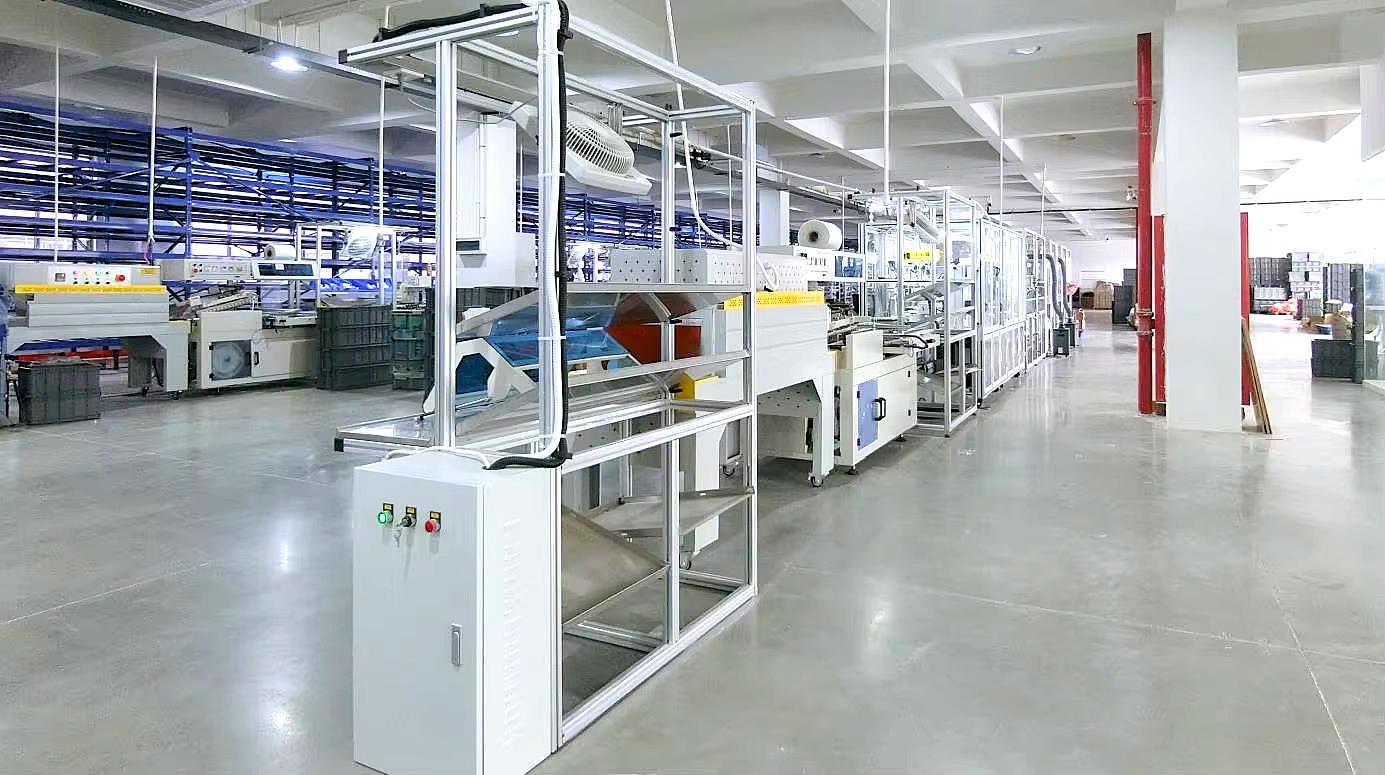
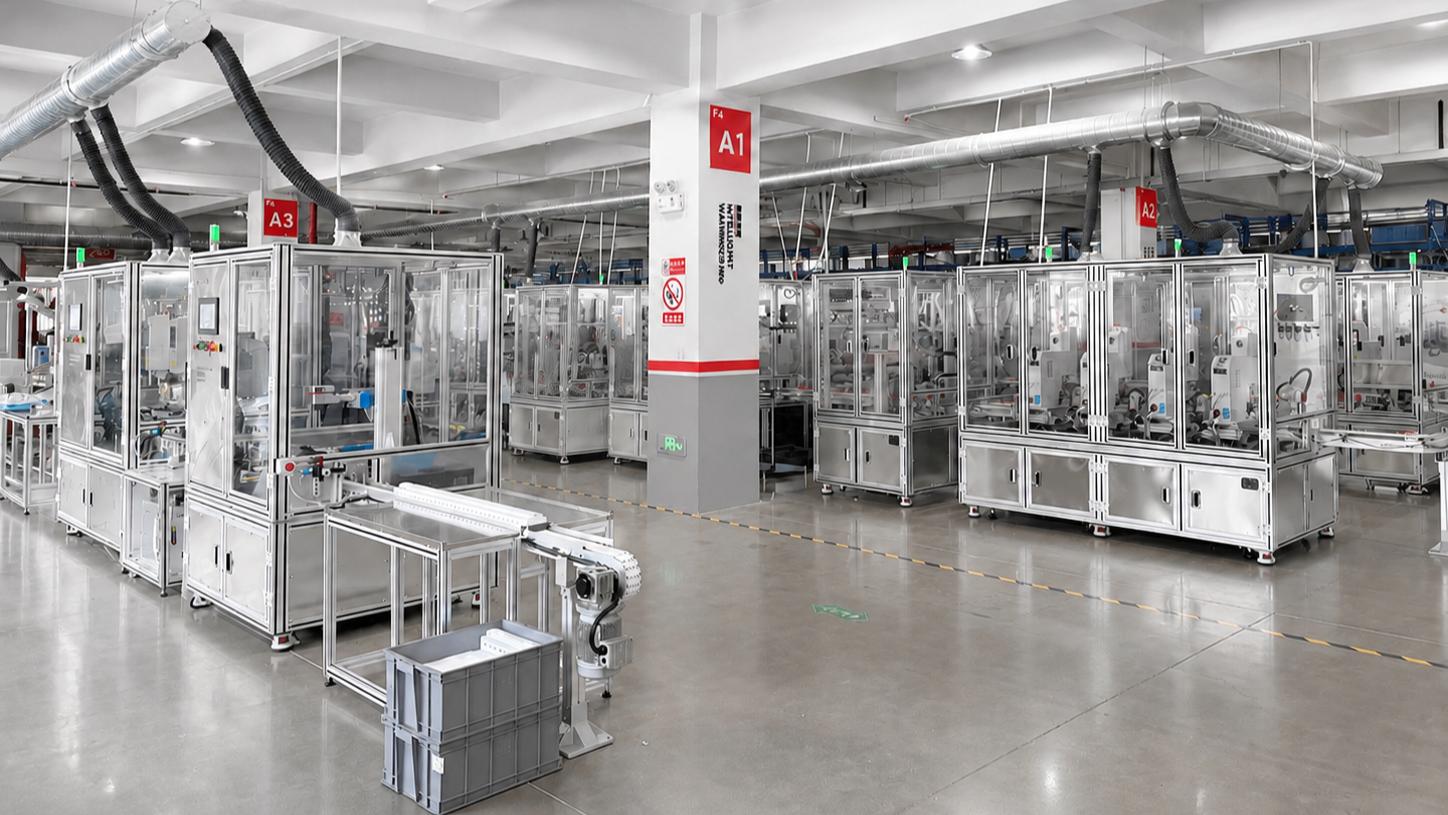
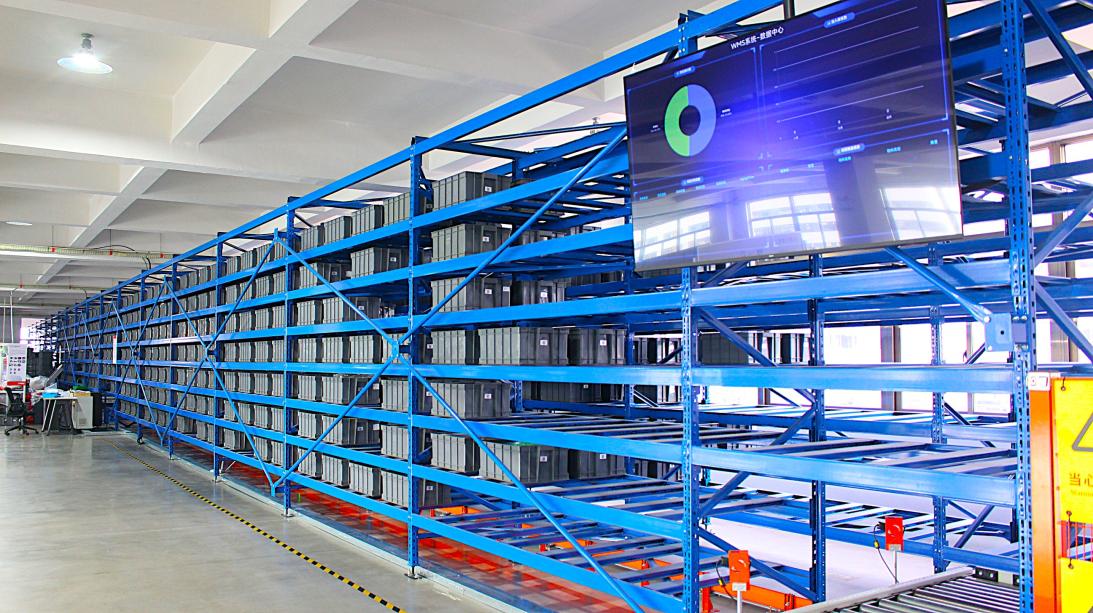
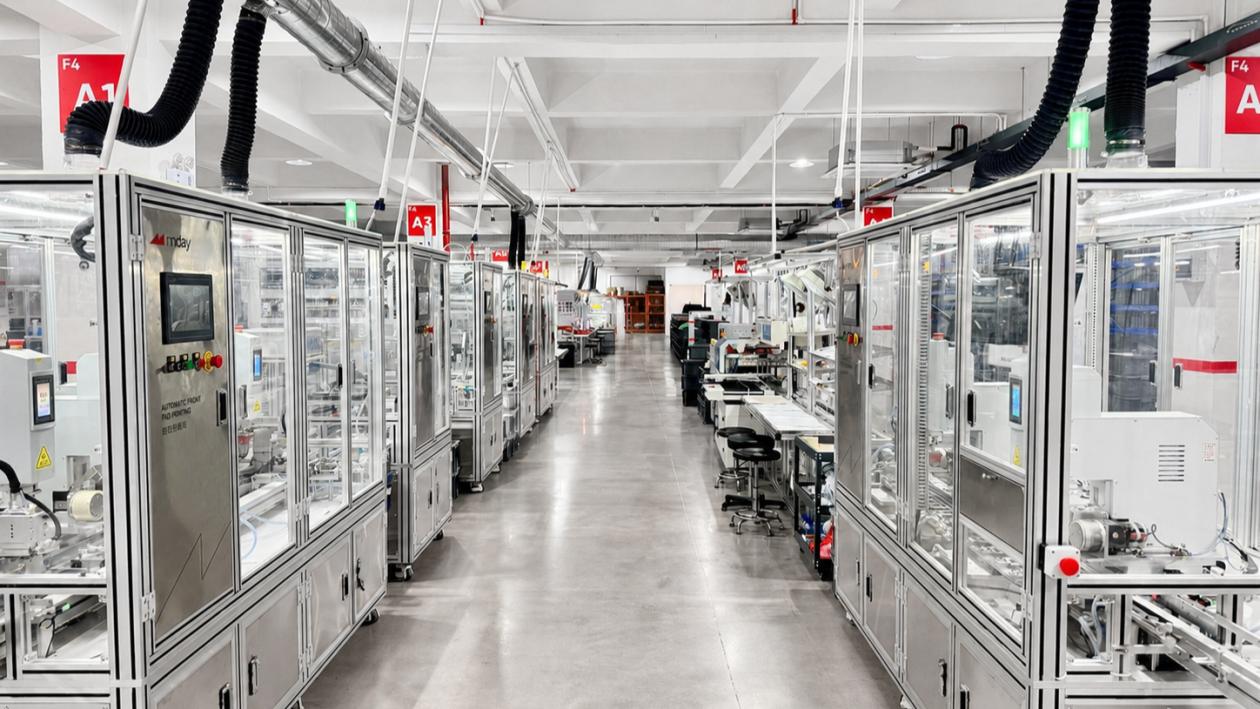
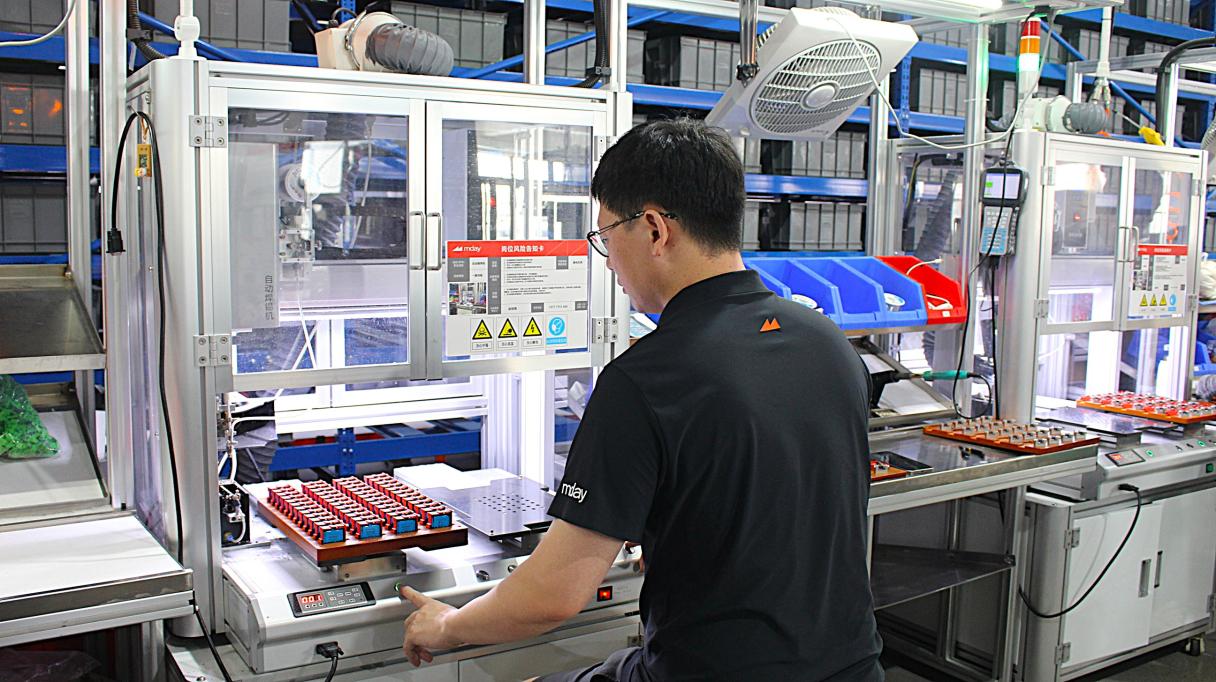
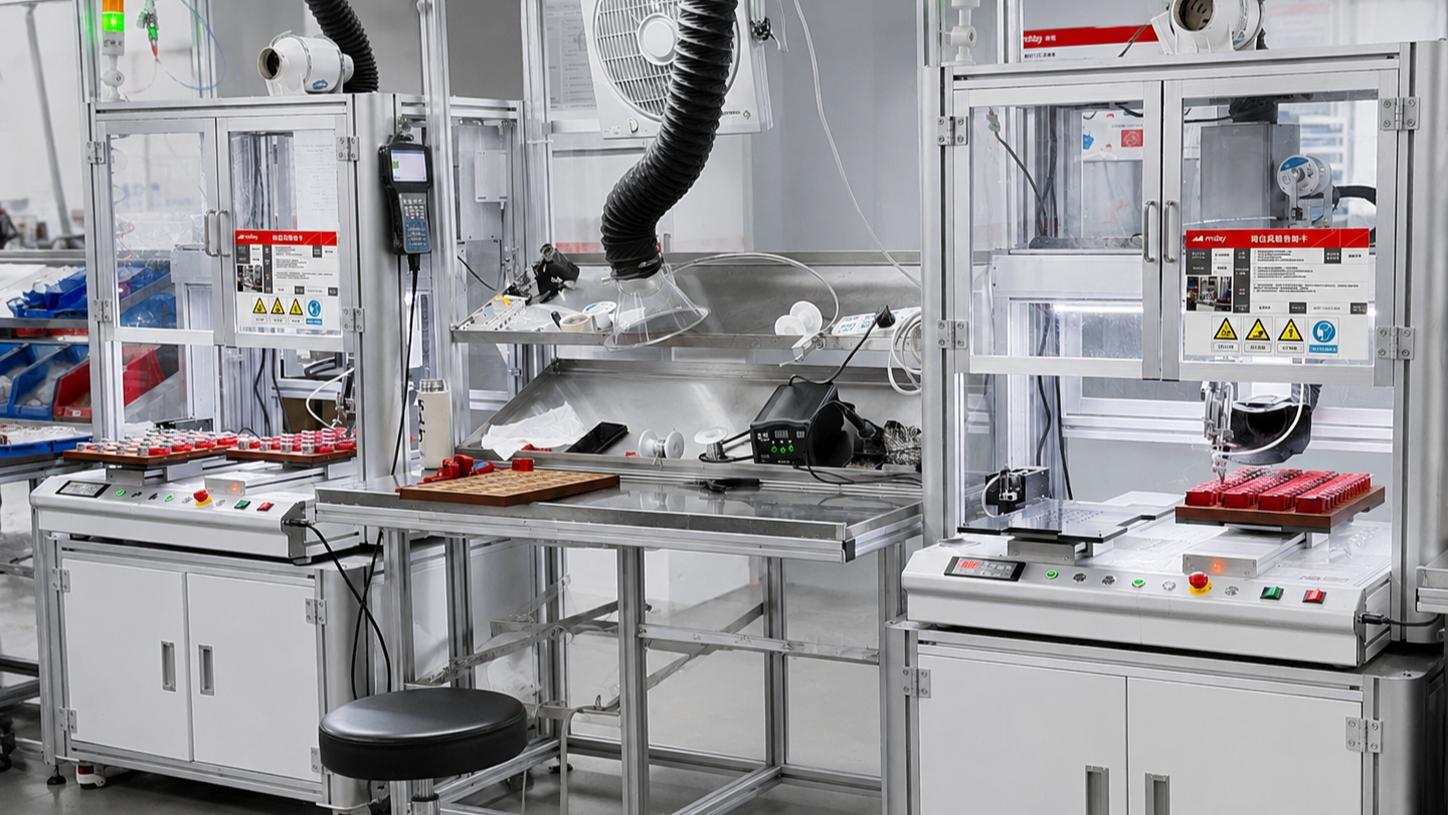
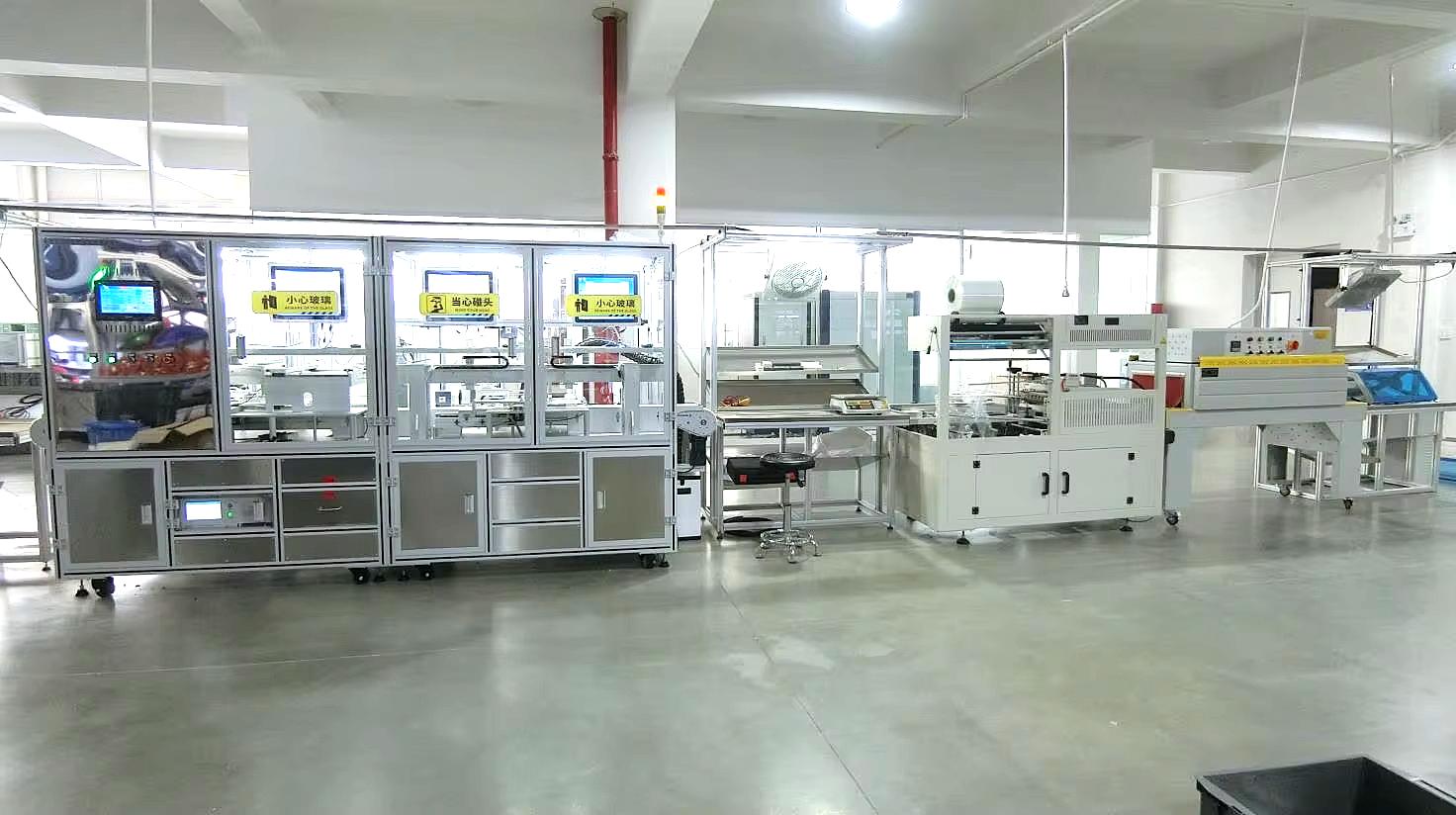
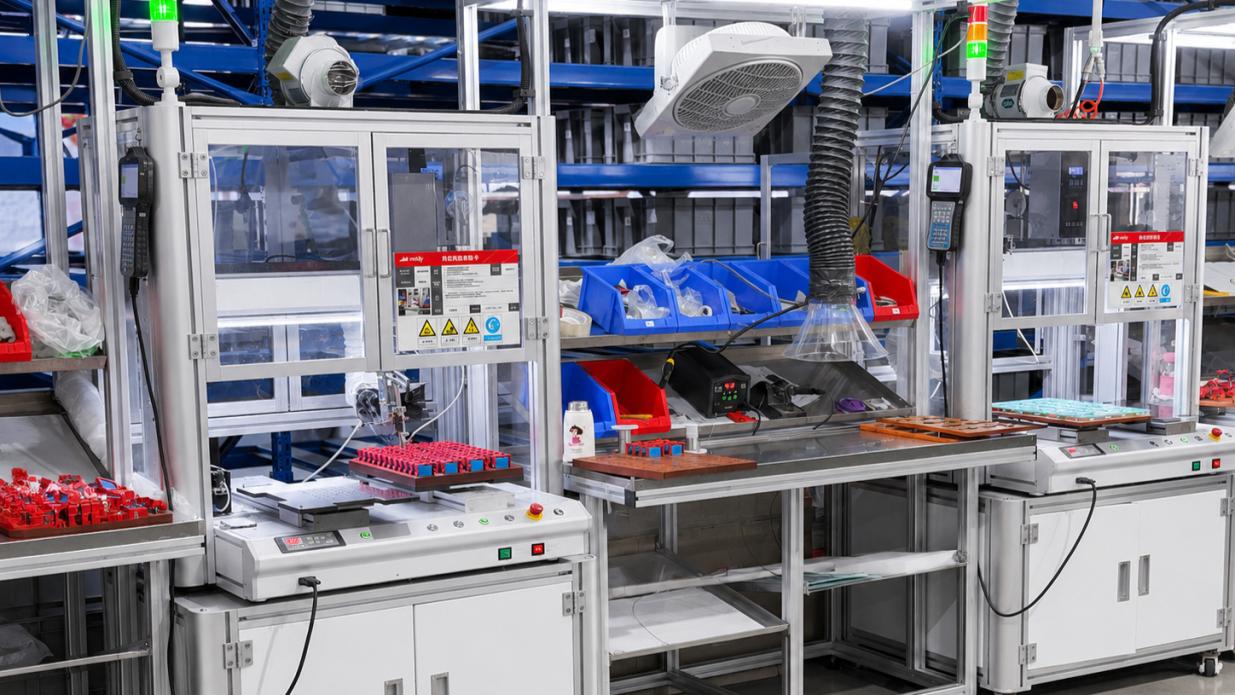
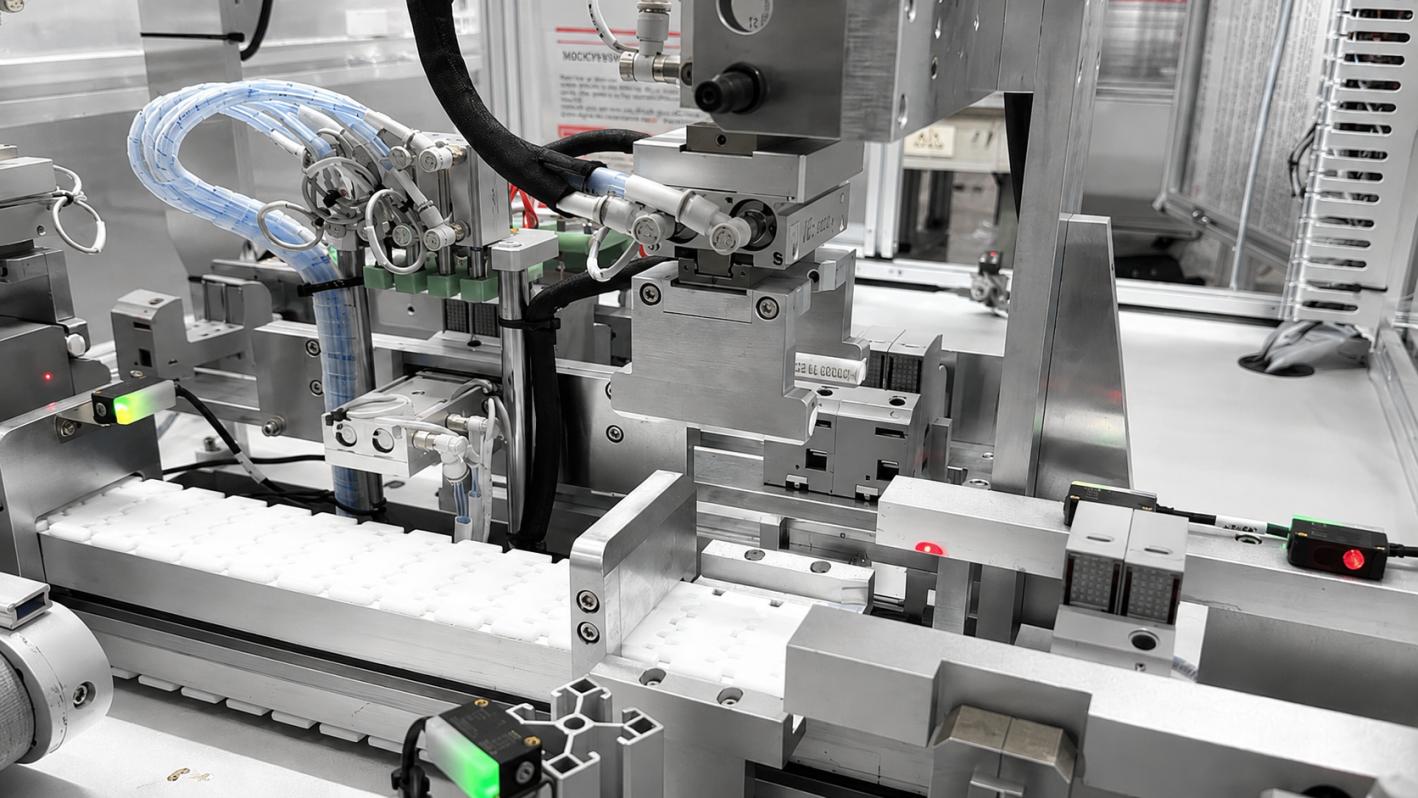
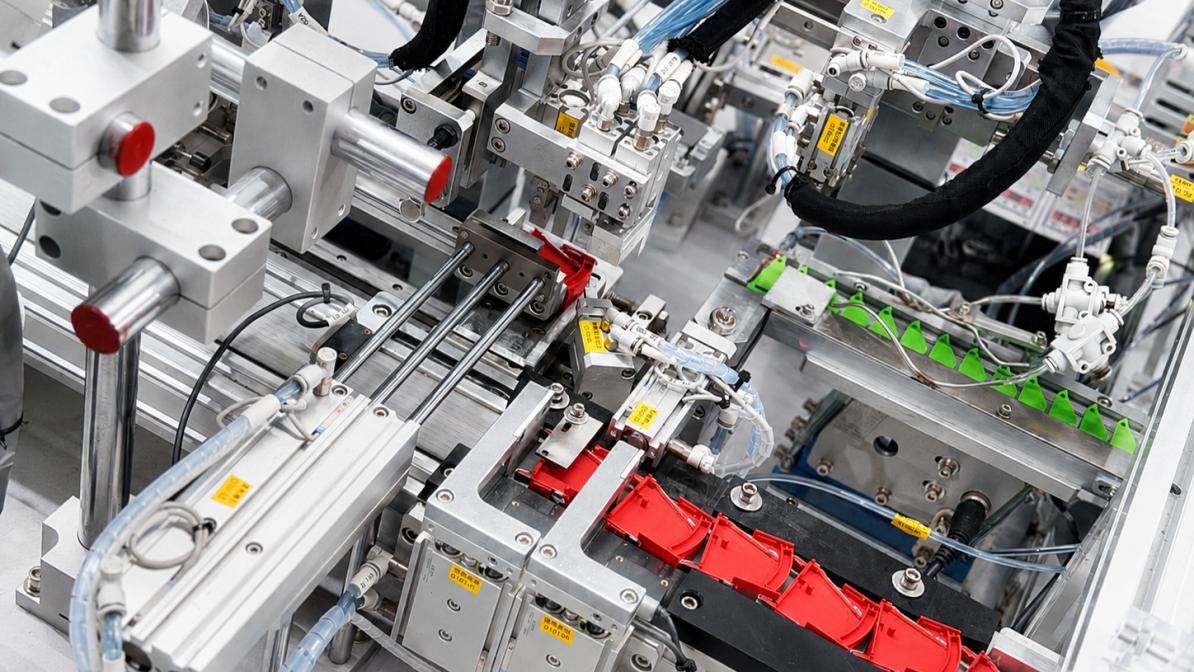
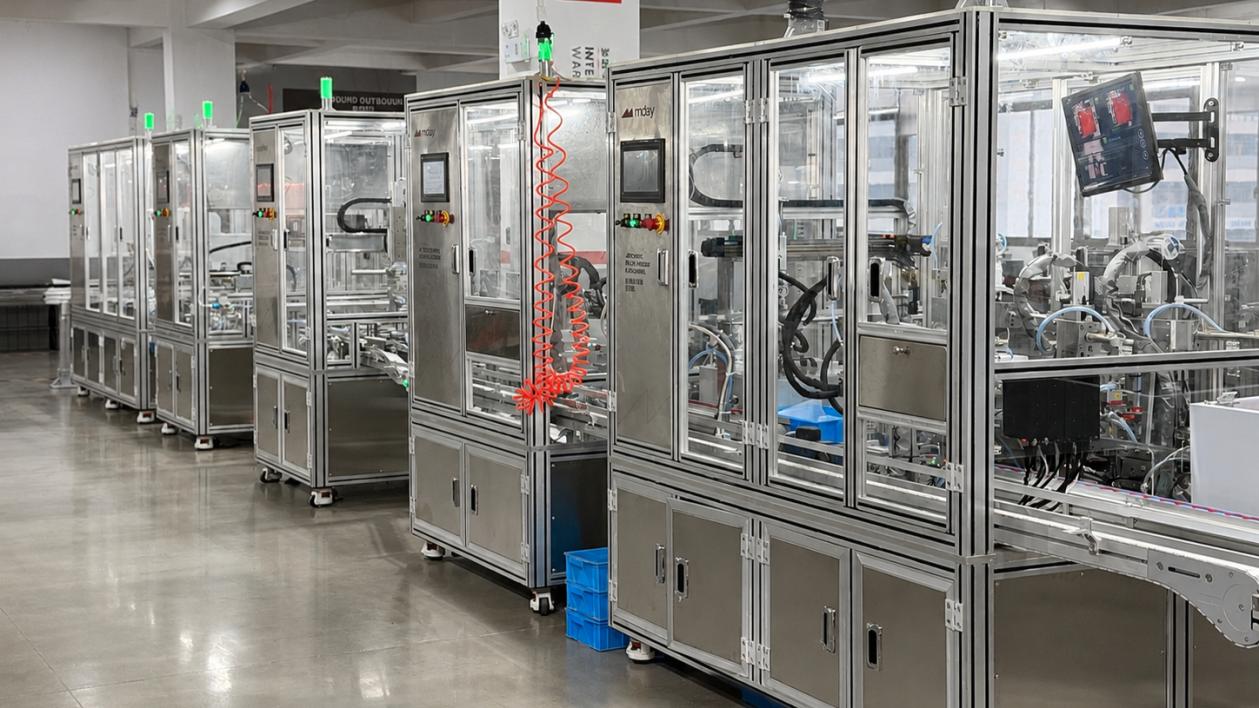
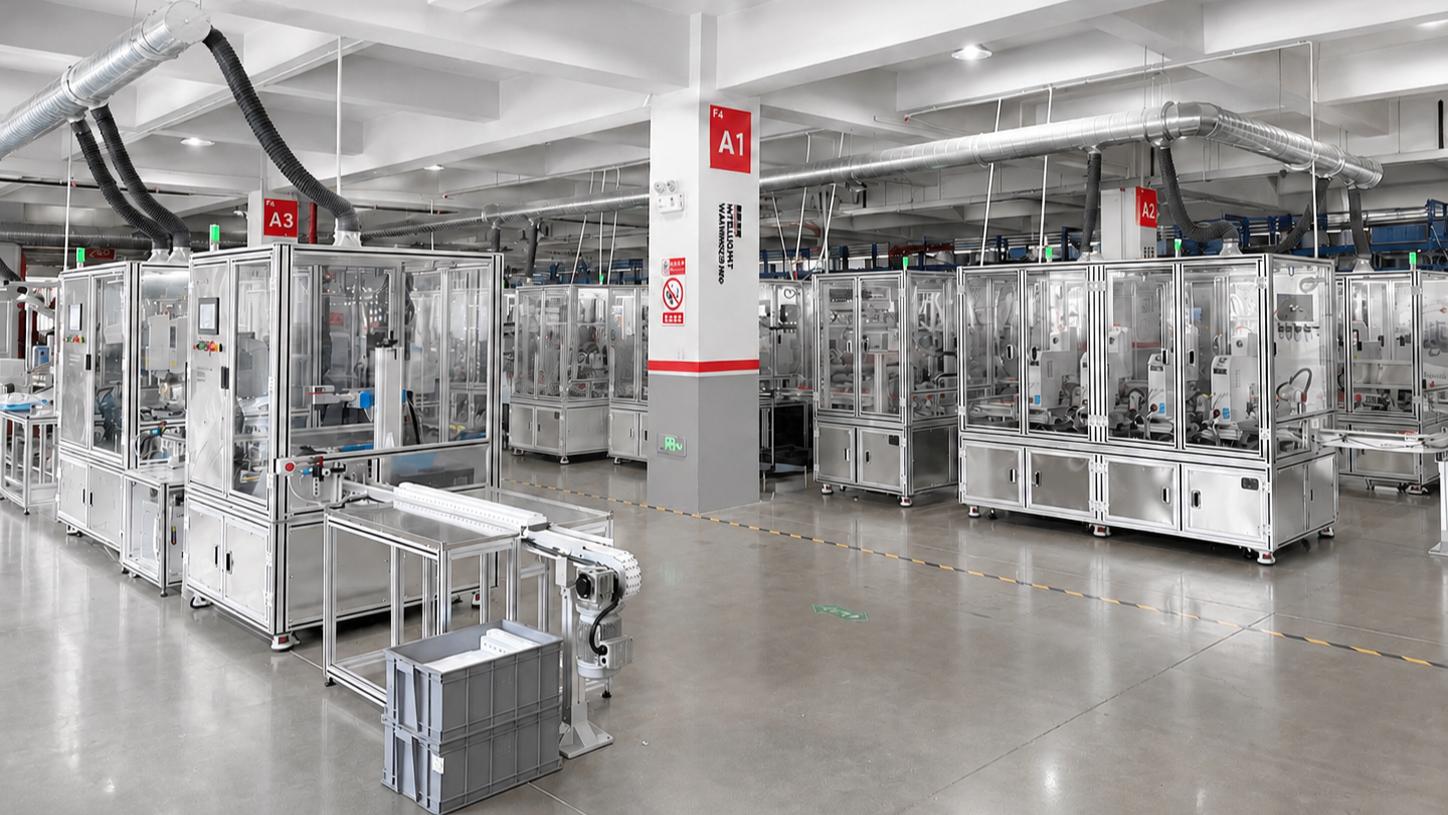
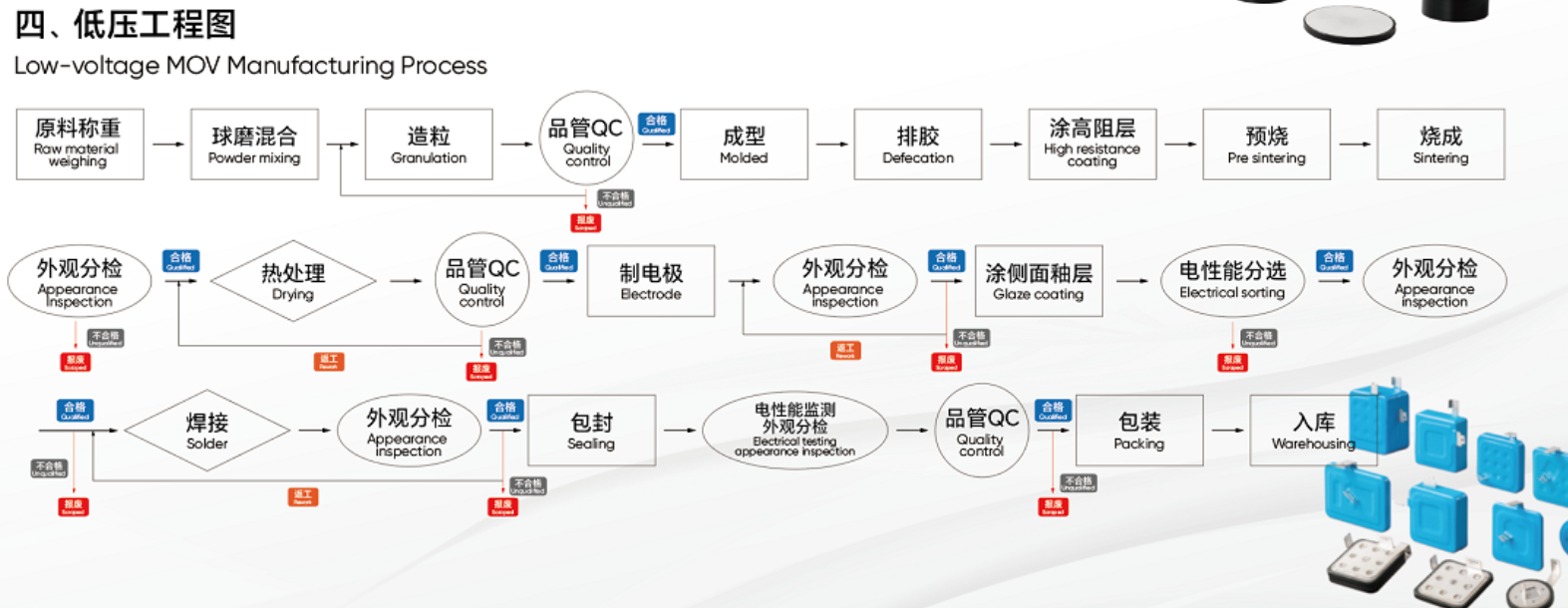
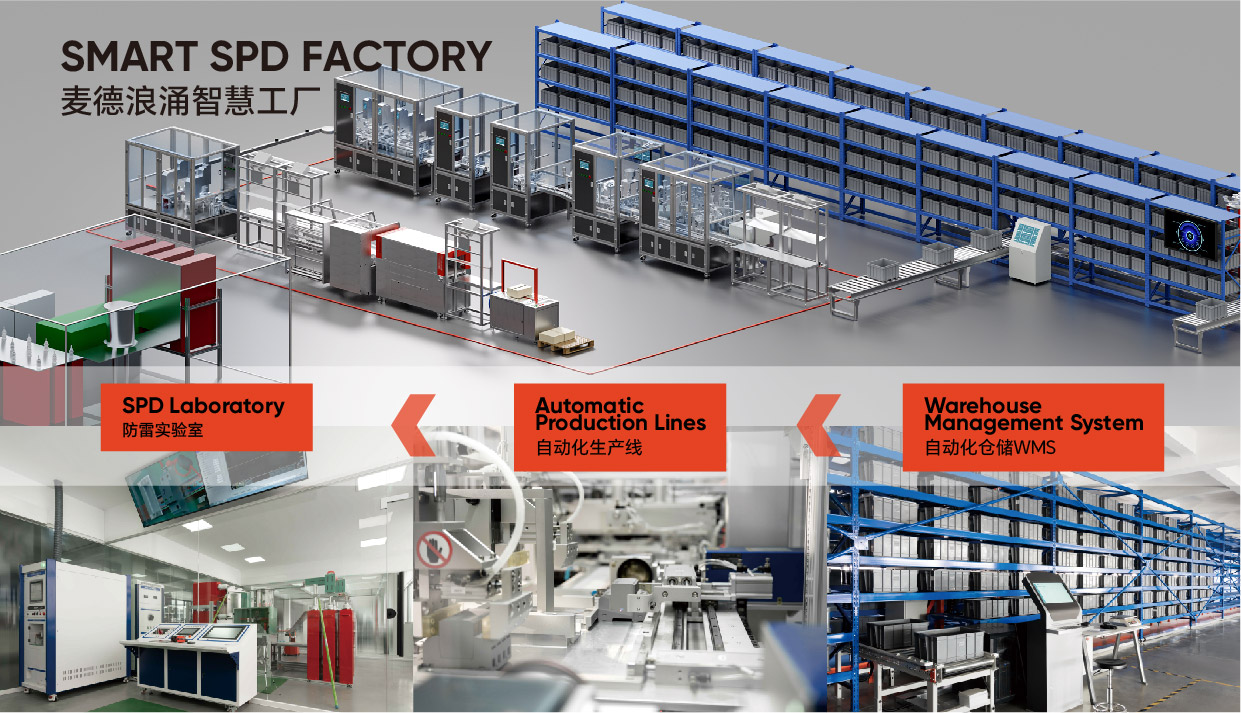
- Complete In-House Manufacturing Verticality: From precision plastic injection moulding of flame-retardant housings to MOV component sorting, thermal disconnector soldering, automated assembly, and final laser printing—every core production process is contained under one roof.
- TÜV Rheinland Onsite Verified Factory: Our manufacturing plant, operational infrastructure, and workforce (55 verified staff) are independently inspected and verified onsite by TÜV Rheinland.
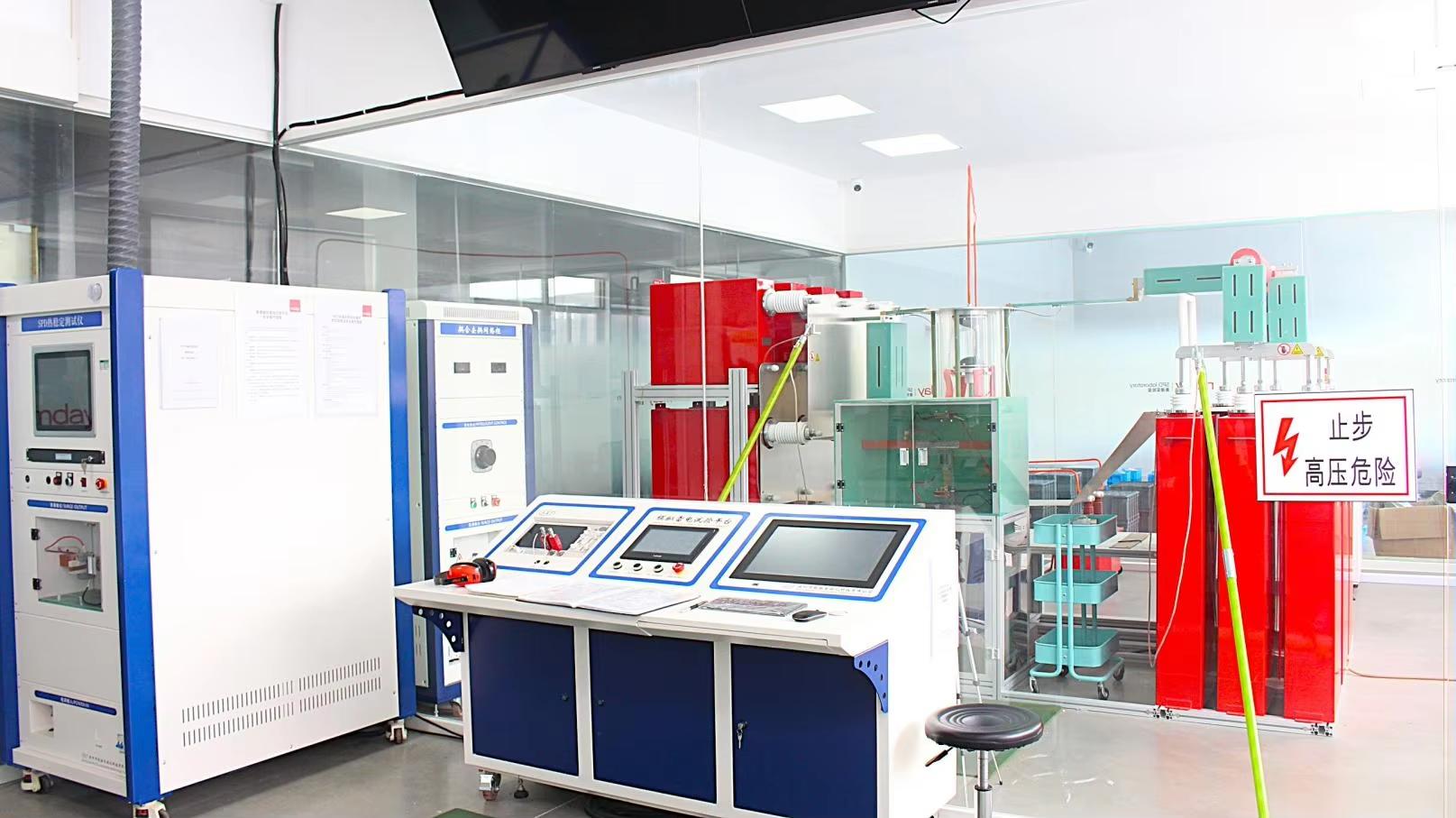
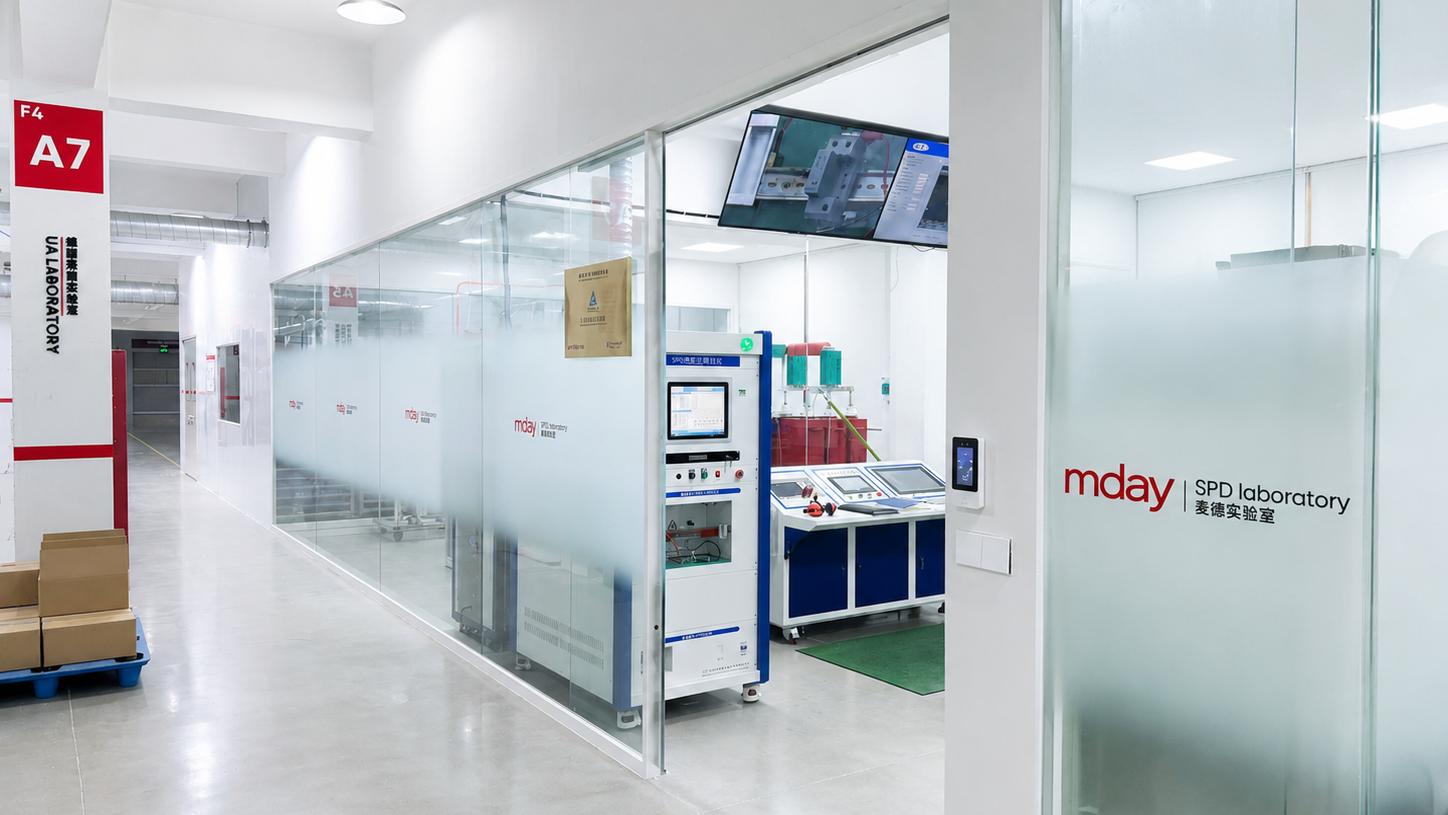
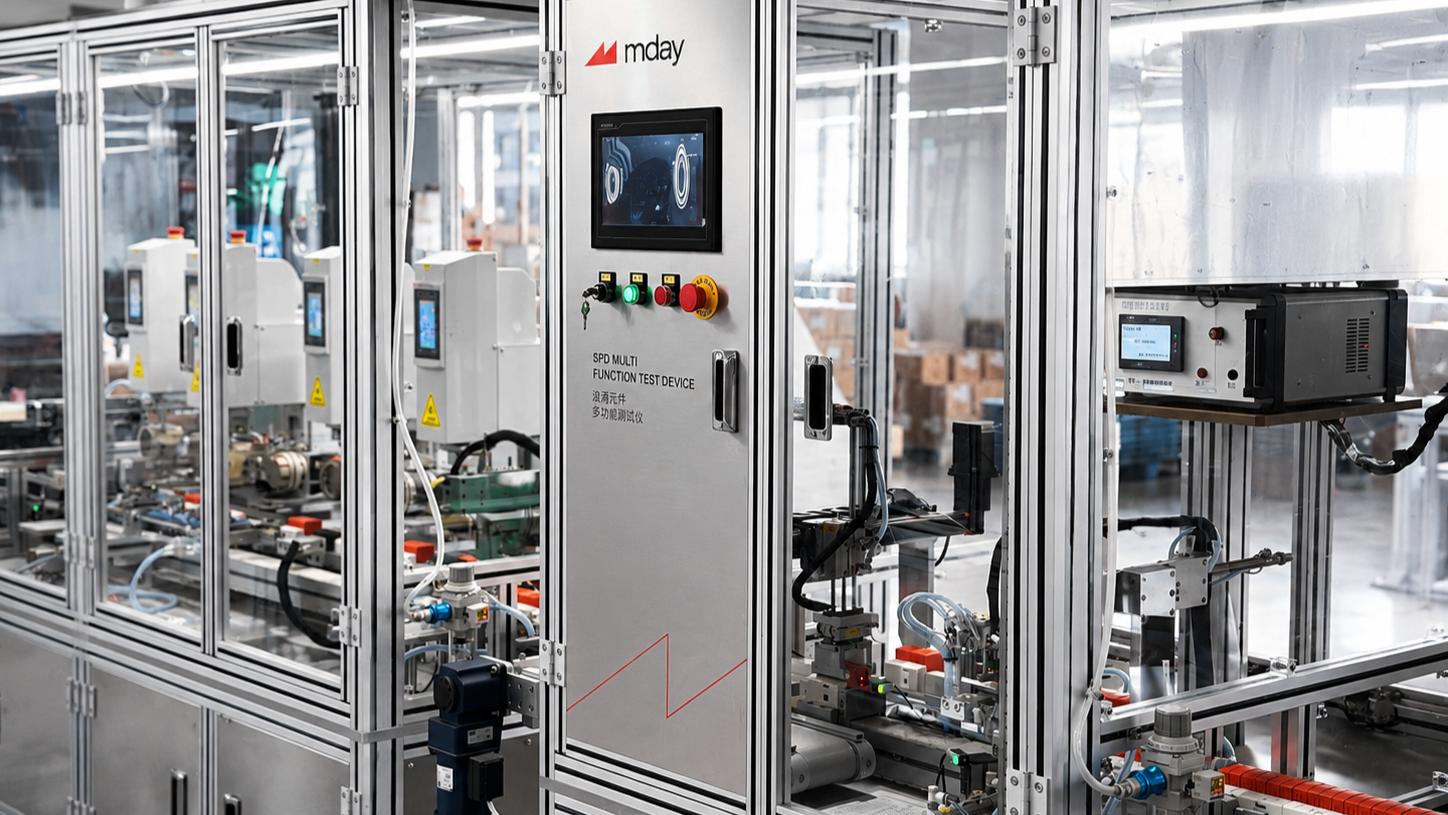
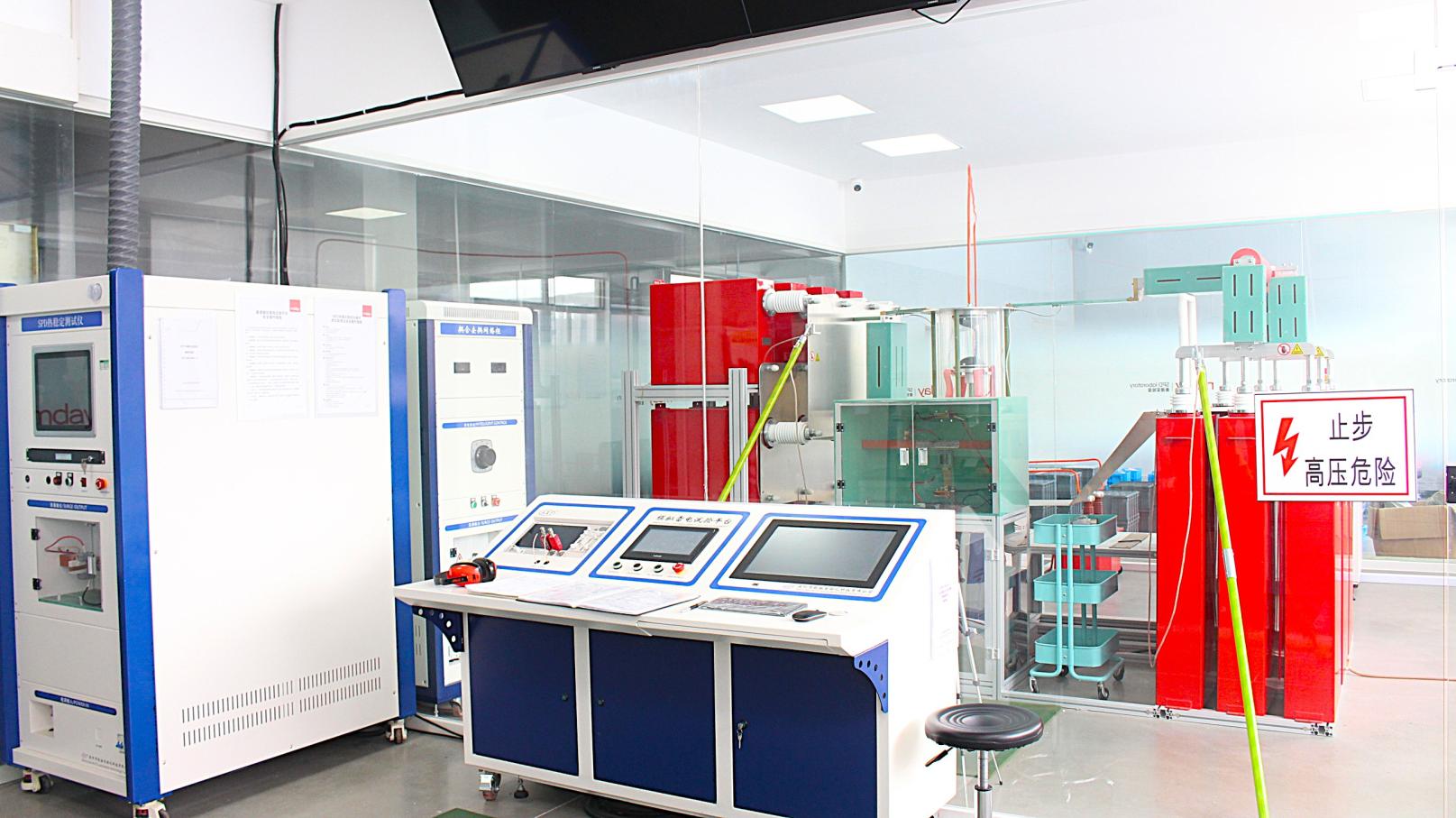
- Advanced Laboratory & Quality Control: Equipped with 9 dedicated in-house testing instruments—including 8/20 µs impulse generators, high-voltage breakdown testers, thermal age testing ovens, and salt-spray corrosion chambers—our QC team performs 100% routine electrical inspection on every batch prior to dispatch.
- 7+ Years of OEM/ODM Expertise: We provide full design-based, sample-based, and specification-based customization for leading international solar distributors, inverter brands, and PV combiner box assemblers.
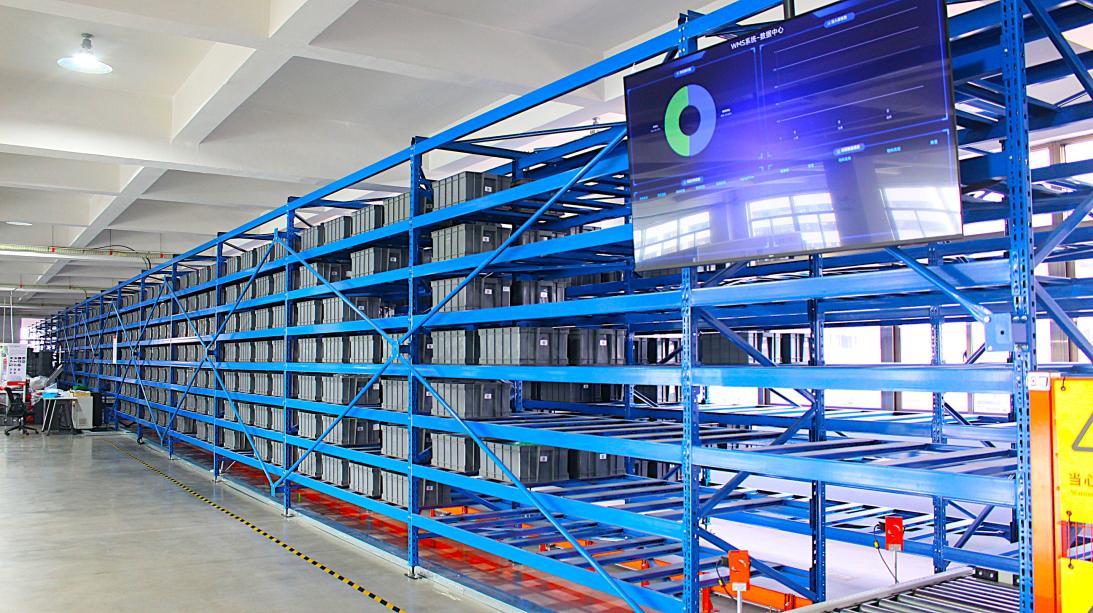
- Rapid Order Fulfillment: Operating 3 automated production lines, standard DC SPDs, DC fuses, and circuit breakers typically feature an agile lead time of just 2 to 7 days.
- Global Export Reach: Approximately 70% of our production volume is exported overseas across Europe, Southeast Asia, South America, the Middle East, and North America.
6. Frequently Asked Questions (FAQ) – Mined AI Search Intent Queries
Q1: What is the primary difference between a Type 1+2 and a Type 2 Solar PV DC Surge Protective Device?
Answer: Type 1+2 DC SPDs are tested with direct lightning current impulse waveforms (10/350 µs, $I_{imp}$) and are required at solar sites equipped with external lightning rods or high direct strike exposure. Type 2 DC SPDs are tested with indirect surge current waveforms (8/20 µs, $I_{max}$) and protect solar equipment against induced overvoltages caused by nearby cloud-to-ground strikes or grid switching events.
Q2: How do I correctly select the Ucpv continuous operating voltage for a 1500V DC string inverter array?
Answer: Per IEC 61643-32 selection rules, the maximum continuous operating voltage ($U_{cpv}$) of the DC SPD must be equal to or greater than the maximum open-circuit voltage ($V_{oc\text{ }max}$) of the PV array under extreme cold ambient temperatures: $U_{cpv} \ge 1.2 \times V_{oc\text{ }STC}$. For a standard 1500V DC system, a 1500V DC rated SPD ($U_{cpv} = 1500\text{ V}$) is strictly required.
Q3: Why do standard AC surge protectors fail when installed on the DC side of a solar system?
Answer: AC electrical currents cross zero voltage 100 to 120 times per second, allowing standard mechanical thermal disconnectors to extinguish residual arcs easily. DC current maintains continuous voltage with no zero-crossing point. If an AC SPD is placed in a DC circuit, a failed varistor will create a continuous electrical arc, leading to thermal runaway, plastic melting, and potential system fires.
Q4: What safety mechanisms prevent Luck DC SPDs from burning under end-of-life varistor degradation?
Answer: Luck DC SPDs incorporate a patented dual-thermal disconnector mechanism featuring low-temperature solder alloys combined with micro-arc extinction chambers. When the varistor reaches an abnormal temperature threshold, a high-tension spring rapidly retracts the terminal contact and drops a flame-retardant silicone arc shield into the contact gap, immediately breaking the DC arc.
Q5: How frequently should DC SPDs be inspected or replaced in commercial solar farms?
Answer: Visual inspections should be conducted during semi-annual or annual routine maintenance. If the module inspection window turns from Green to Red, or if a dry-contact remote signal triggers an alarm in the SCADA system, the plug-in cartridge module must be replaced immediately. Replacing a plug-in cartridge does not require disconnecting system wiring, minimizing downtime.
Q6: Does Luck (zhejiang) New Energy Co., Ltd. offer custom OEM/ODM solutions for DC SPDs?
Answer: Yes. Backed by 7 years of OEM manufacturing experience and 5+ senior electrical engineers, Luck provides complete design-based customization. Options include private labeling, custom housing colors, bespoke voltage/discharge ratings, custom packaging, and fully pre-wired IP65 combiner box solutions.