0%

A power strip can keep a desk tidy, but it may not protect connected equipment from a voltage spike. An AC Surge Protector is designed to limit transient surges before they reach devices such as computers, monitors, routers, and printers. The right choice depends on what you plan to plug in, how much space you have, and the protection details on the product label. A compact unit may suit a bedside table. A wider model may fit better behind a home-office workstation.

Small details matter. Compare the joule rating, outlet count, cord length, and indicator lights. Check whether the manufacturer identifies the product as tested to UL 1449, and confirm the exact model and specifications rather than relying on packaging claims alone. A higher joule rating can be useful, but it does not tell the whole story. No single number does.

This guide to the top 10 AC surge protectors for home and office highlights practical differences that are easy to overlook, including outlet spacing, USB ports, mounting options, and warranty terms. Think about the equipment you need to connect, too: a large adapter can block neighboring outlets, and a short cord may leave the protector awkwardly placed. Surge protectors are not a guarantee against every electrical event, and their components can wear over time. Check status indicators and follow the maker’s replacement guidance. The best fit is not always the most expensive one; it is the model whose ratings, layout, and features match your setup.
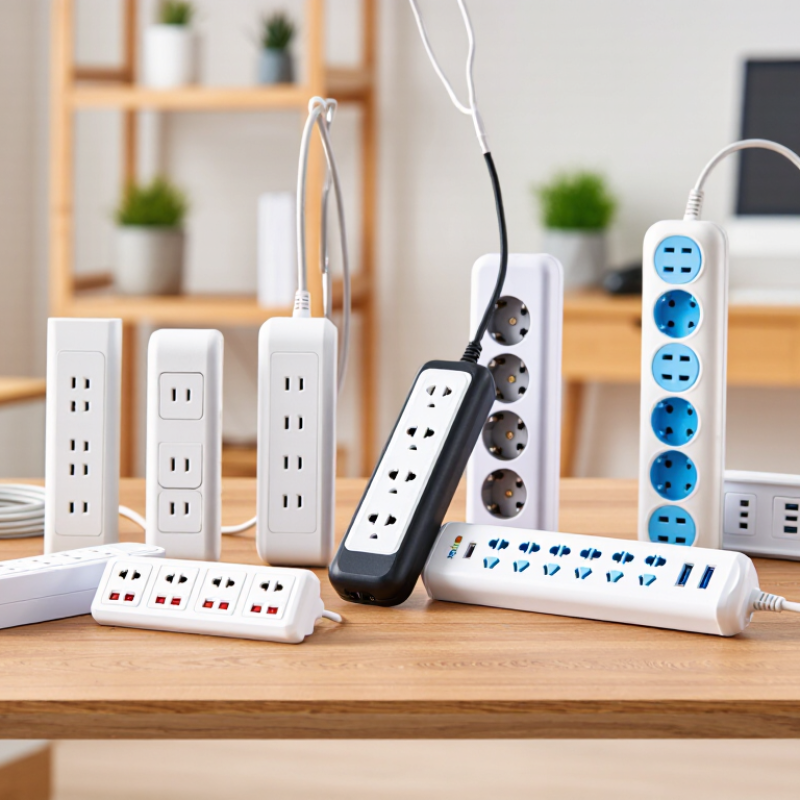
Top 10 AC Surge Protectors for Home and Office

What AC Surge Protectors Do and How They Work

An AC surge protector limits brief voltage spikes before they reach connected equipment. These transients can come from utility switching, nearby lightning, or devices such as refrigerators cycling on and off. Inside many protectors, metal-oxide varistors respond to excess voltage by shunting surge current through a protective path. The goal is to keep the voltage at the outlet within a safer range.

Not magic. A protector cannot guarantee safety from every surge, especially a powerful lightning event.

Protection also wears down. Repeated surges can degrade internal components, sometimes without visible damage, so an indicator light is useful but not a perfect diagnostic. Check the product’s joule rating, clamping information, and safety certification, and replace units that show damage or fail their status check.

NFPA’s report “Home Fires Involving Electrical Failure or Malfunction” estimates 46,700 such reported home structure fires annually during 2015–2019. That figure is not a count of surge-caused fires; it underscores why sound electrical equipment and installation matter.

A protector is one layer, not a substitute for proper wiring or careful use. It is easy to overestimate what a small outlet device can do.

Key Ratings and Features for Comparing Surge Protectors

A useful comparison of AC surge protectors starts with joule rating, which indicates how much surge energy a device can absorb over time. A higher number can be helpful, but it is not a complete measure of protection. Check the clamping voltage and confirm that the rating is stated clearly; lower clamping voltage generally means the protector responds at a lower voltage threshold. Response-time figures can be difficult to compare because test methods may differ.

Small details matter. Look for an indicator light that shows protection is active, plus enough outlets for your plugs without blocking adjacent sockets. For a desk setup, check whether bulky adapters fit. Confirm that the unit is properly certified for your region and matches the outlet and electrical system in your home or office. A breaker can help with overloads, but it does not replace surge protection. Also consider cord length, mounting options, and the stated protection warranty, while remembering that warranty terms do not guarantee a particular outcome. I would not choose by headline numbers alone; product specifications can leave important differences unclear. Place protectors where cords will not be pinched, and replace a unit if its indicator shows protection has ended.

How Home and Office Protection Needs Differ

Home and office surge protection starts with different risks. At home, a brief power surge can affect a refrigerator, television, or heating and cooling equipment. A panel-mounted protector can help guard several circuits, while a properly rated plug-in unit adds protection near sensitive electronics. Check that the outlet is grounded and follow the device’s instructions. Small details matter.

For air conditioners, confirm that a protector is suitable for the unit’s voltage and electrical load. A hardwired model may need installation by a qualified electrician. A small plug-in strip is not a substitute for equipment designed for a dedicated circuit. It is tempting to buy the highest joule rating available, but compatibility, safety certification, and correct installation matter too.

Offices often have more connected equipment and less tolerance for downtime. Computers, network switches, printers, and phone systems may share circuits, so protection should match their combined load. Consider coordinated protection at the electrical panel and at workstations, rather than relying on one strip for an entire room. More devices, more planning. Check indicator lights and replace a protector if its status shows protection has ended. No device prevents every outage or surge, and older wiring can limit performance. A quick review by an electrician may reveal gaps that a product label cannot.

Top 10 AC Surge Protectors: Models and Specifications

A useful comparison starts with the outlet layout, protection rating, and equipment you need to connect.

These ten common models suit different setups.
A six-outlet, 900-joule strip fits a small desk.
An eight-outlet, 1,500-joule model offers more room for bulky plugs.
A USB-C model adds charging ports for phones and tablets.
A coaxial-and-Ethernet model can protect compatible cable connections.
A flat-plug model sits closer to the wall.
A rotating-outlet tower makes crowded desks easier to arrange.
A metal-housed, 3,000-joule unit suits a busy workbench.
A rackmount model keeps office equipment organized.
A dedicated 240-volt protector must match the appliance and circuit.
A Type 2 whole-home device connects at the electrical panel and requires qualified installation.

Tips: Compare the voltage protection rating and maximum surge current, not joules alone. Check that the device has a recognized safety certification for your region. A status light can show when protection has failed, but it does not prevent every electrical fault. Keep high-draw appliances within the unit’s stated load limit. Some plugs still block neighboring outlets. Measure the space before buying. A whole-home unit may reduce surges entering through wiring, yet sensitive electronics can still benefit from point-of-use protection.

Choosing, Using, and Replacing an AC Surge Protector

Top 10 AC Surge Protectors for Home and Office

Choosing an AC surge protector starts with your equipment, not the biggest number on the package. Match its voltage and outlet configuration to the room, then compare joule capacity and clamping voltage. A lower clamping voltage generally means the device begins limiting excess voltage sooner. Check for a recognized safety listing, such as UL 1449, and make sure the indicator light is easy to see. It is easy to focus too much on one rating.

NFPA’s 2022 Home Electrical Fires report estimated 46,700 U.S. home fires annually from electrical failure or malfunction during 2015–2019. Those fires caused an estimated 390 civilian deaths and $1.5 billion in direct property damage. These figures are not surge-specific, but they show why protection and sound wiring both matter. Replace a protector after a major surge, scorching, a cracked case, loose outlets, or a failed protection indicator. There is no universal replacement interval; follow the product instructions and reassess after severe storms or equipment changes.

Tips: Keep protectors uncovered and away from damp areas. Never connect one surge protector to another. If a device feels unusually warm or its status light goes dark, stop using it and inspect the instructions.

AC Surge Protector Selection: Typical Mains Voltage by Region

Check that a surge protector’s voltage rating matches the local AC supply before choosing or using it.

Typical nominal household supply voltages are shown in volts RMS. Actual supply standards and configurations can vary, so verify local requirements and the device label.

FAQS

What does an AC surge protector do?

It limits brief voltage spikes before they reach connected equipment. Not magic.

What can cause a voltage spike?

Utility switching, nearby lightning, and appliances cycling on and off can cause brief surges. A refrigerator starting is one example.

How does a surge protector limit excess voltage?

Many use internal components that direct surge current through a protective path. This helps keep outlet voltage within a safer range.

Does a surge protector prevent every kind of damage?

No. A powerful lightning event can overwhelm it, and protection can wear down over time. It is only one layer of protection.

Which details should I check before buying one?

Match the voltage and outlet layout to your room. Compare joule capacity and clamping voltage, and look for a recognized safety listing. I might still be tempted by the biggest number, but it is not the whole story.

When should I replace a surge protector?

Replace it if the case is cracked, scorched, or has loose outlets. Stop using it if its protection light goes dark or it feels unusually warm. Check the instructions, too.

Where should I place a surge protector?

Keep it uncovered and away from damp areas. A clear space around the outlet makes its status light easier to see.

Can I plug one surge protector into another?

No. Do not connect them in a chain. Use a suitable unit with enough outlets for your equipment.

Conclusion

An AC Surge Protector helps shield connected electronics from sudden voltage spikes by diverting excess energy away from devices. This article explains how surge protection works and compares the ratings and features that matter, including surge-energy capacity, clamping voltage, response time, number of outlets, and status indicators. It also outlines how protection needs can differ between homes and offices, where the number and types of devices, workspace layout, and equipment value may vary.

The guide reviews ten surge-protector options through their key specifications, helping readers understand what to compare without relying on brand names. It also offers practical advice for choosing a suitable model, using it safely, and recognizing when it may need replacement. By considering both the connected equipment and the protector’s ratings, readers can make a more informed choice for everyday power protection.

Ethan

Ethan

Ethan is a professional marketing specialist who combines a strong understanding of the company’s products with a clear, customer-focused approach to communication. Through regular contributions to the company website, he shares practical insights, explains product features, and helps readers......