A power surge can arrive without warning, after a nearby lightning strike or a brief change in the electrical supply. It may damage a router, interrupt a home office, or shorten the life of equipment that seems perfectly ordinary. A Surge Protection Device can help reduce that risk, but not every model offers the same protection. The label alone is not enough.
Choosing one means matching its specifications to the equipment and the installation. Joule ratings, clamping voltage, response time, and the number of protected outlets all deserve attention. So does the difference between a plug-in unit and a whole-home device. Small details matter. A model with an indicator light may show when protection has been lost, while a device with too few outlets can lead to awkward workarounds. Those practical details are easy to overlook.
This guide shares seven tips for comparing devices with care. It explains what product ratings can tell you, where they have limits, and why grounding and installation conditions matter. Check the manufacturer’s instructions and applicable safety standards before buying or installing a device. If the electrical setup is unclear, ask a qualified electrician rather than guessing. No device can prevent every failure. That is worth remembering. A thoughtful choice can still reduce avoidable risk and help protect the electronics you rely on every day.
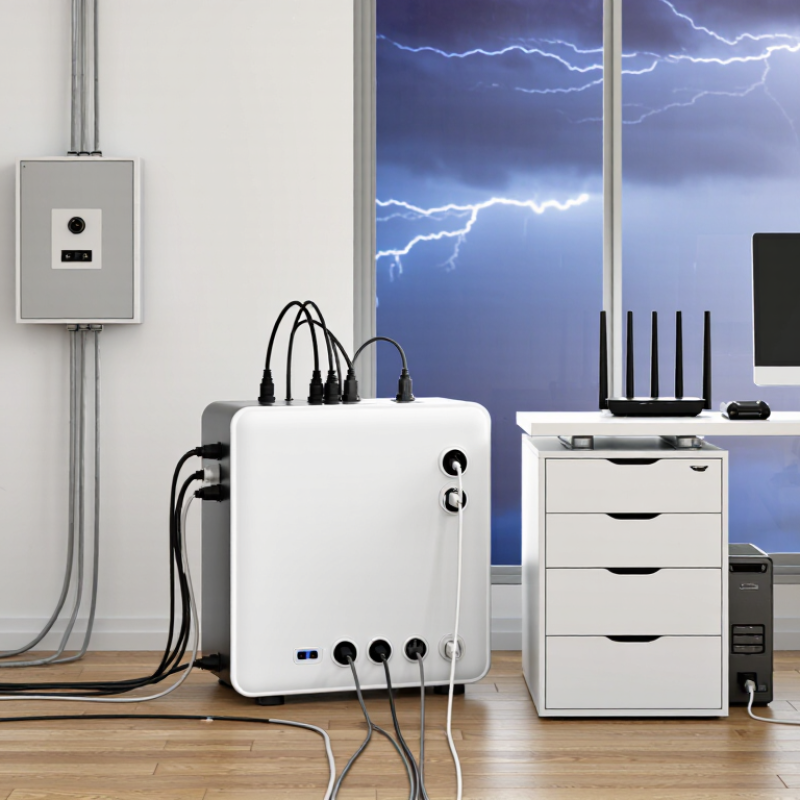
A surge protection device (SPD) limits brief voltage spikes caused by events such as nearby lightning or switching equipment. When voltage rises above a set level, the device redirects excess energy through a protective path, reducing stress on connected equipment. Many SPDs use components that respond quickly, then return to normal operation once the spike passes. That matters. An SPD does not supply backup power or correct every voltage problem. It also cannot guarantee that sensitive electronics will never fail.
Tip: Match the device to the electrical system and its installation point. Check its voltage rating and the manufacturer’s stated protection level; a higher number alone does not mean better protection for your setup. An electrician can confirm compatibility with the panel and grounding arrangement. The details can be easy to overlook.
Tip: Look for a clear status indicator and check it during routine inspections. Some devices stop providing protection after repeated or severe surges, even if power still flows. Not always obvious. Keep the product instructions nearby, and replace a unit when its indicator shows protection has ended. For valuable equipment, consider coordinated protection at the service panel and near the device, rather than relying on one outlet unit alone.
Before choosing a surge protection device, take stock of the electrical system it will serve. Note the panel’s location, available breaker spaces, and whether the building has older wiring. A quick photo of the panel label can help, but never remove its cover yourself. That is not a casual inspection.
Check whether the system has a grounding conductor and properly connected grounding and bonding. These details affect how surge protection works. If you are unsure, ask a qualified electrician to verify them and identify the service voltage and panel type. Panel age alone does not tell the whole story. A newer panel can still have wiring issues, and an older one may need an expert assessment before adding equipment.
Next, consider what you need to protect and where it is used. A home with a computer, modem, and refrigerator has different priorities from a workshop with a motor-driven tool. Think about the likely surge sources, too, such as nearby lightning or utility switching. It is easy to focus on one rating on a product label, but that figure cannot describe every installation. Look for protection suited to the system, and ask how it should be installed and maintained. Keep the details handy. I might miss something on the first pass; an electrician can help check the assumptions before you buy.
Surge protection devices serve different points in an electrical system. Type 1 devices are typically installed near the service entrance, while Type 2 devices protect circuits from a panel. Type 3 units sit close to equipment, such as beside a computer or television. Placement matters. A plug-in unit cannot replace a properly installed panel device, and a panel device may not prevent every small, nearby surge.
Compare ratings carefully. Maximum continuous operating voltage (MCOV) indicates the voltage a device can tolerate during normal use. Voltage protection rating (VPR) helps show the let-through voltage under a defined test; lower values generally indicate tighter clamping. For plug-in products, joule ratings can help compare models, but they do not predict service life precisely. Check that ratings use comparable test conditions. The numbers can be misleading.
Response time is often advertised in nanoseconds, yet it is not the whole story. Wiring length, grounding, and the device’s condition affect real protection. A slightly slower published figure may matter less than poor installation. Keep leads short. That detail is easy to miss. Look for clear status indicators and replacement guidance, too. I would not choose on one impressive number alone; comparing the device type, ratings, and installation requirements gives a more grounded picture.
Before selecting a surge protection device, check that it matches your electrical panel’s voltage, phase, and service configuration. A unit intended for one system may not suit another. Small details matter. Look at the panel label and the device instructions, and ask a qualified electrician to confirm compatibility if anything is unclear. Also verify whether the device needs a dedicated breaker or specific overcurrent protection. Requirements vary by model and installation.
Safety standards matter as much as the device rating. Choose equipment certified or listed to an applicable standard in your region, and confirm the required enclosure rating for its location. A damp garage or outdoor service area may need different protection from a dry indoor panel. Installation should follow the device instructions and local electrical codes, including rules for grounding, bonding, wire size, and lead length. Shorter connections can help limit the voltage reaching protected equipment. A common oversight is leaving long, looping wires that look tidy but may reduce performance. Do not open a live panel to check. Have a licensed electrician assess the panel condition, available space, and required protection before installation. Safety paperwork can feel tedious, but it is worth reading.
Standardized surge-test waveform time parameters (μs) used to distinguish common SPD test categories.
IEC 61643-11 references Type 1, Type 2, and Type 3 SPDs and their associated test approaches. The chart shows waveform front time and time to half-value—not device ratings. Before choosing an SPD, check system voltage, earthing arrangement, installation location, required protection level (Up), discharge-current ratings, backup protection, and applicable local codes.
A surge protection device does not have one dependable expiration date. Its service life depends on surge intensity, frequency, heat, and the device’s design. A unit may absorb several small events, then lose protection after one severe surge. Check the installation date and keep the instructions nearby. That matters.
Look at the status indicator during routine checks, especially after a storm or a power interruption. A green light can reassure, but it is not a lifetime guarantee. Some indicators show only whether a protection component has disconnected; they may not measure how much capacity remains. If the light changes, goes dark, or becomes difficult to read, consult the device instructions rather than guessing. Do not guess.
When replacement is needed, check whether the device has a replaceable protection module or whether the complete unit must be changed. Match the specified electrical ratings and installation requirements; a similar-looking device may not be compatible. If the panel is hard to access, or you are unsure how it is wired, ask a qualified electrician to inspect it. Keep a note of the replacement date and any warning indicators. It is easy to forget small maintenance tasks, and even a good record cannot predict the next surge.
It limits brief voltage spikes and redirects excess energy through a protective path. It cannot provide backup power or prevent every equipment failure.
Nearby lightning and switching equipment can create short voltage spikes. Utility switching may also be relevant.
Match its voltage rating and stated protection level to your electrical system and installation point. A higher number alone does not mean a better fit.
Note your panel type, service voltage, available breaker spaces, and the equipment you want to protect. A photo of the panel label can help. Do not remove the panel cover.
Yes. Proper grounding and bonding affect how the device works. Ask a qualified electrician to verify them if you are unsure.
Installation may involve a dedicated breaker, wiring, and code requirements. Have a licensed electrician check compatibility and perform the work. Safer that way.
Check its status indicator during routine inspections. Some units still pass power after protection ends, so the indicator matters. Not always obvious.
Choose equipment listed to an applicable standard in your region. A damp garage may need a different enclosure rating from a dry indoor panel.
Not necessarily. Coordinated protection at the service panel and near equipment may offer broader coverage. I may be missing a detail, so an electrician’s assessment can help.
Choosing the right Surge Protection Device starts with understanding how it responds to voltage spikes and helps limit the electrical energy that can reach connected equipment. Begin by assessing your electrical system, the devices you need to protect, and the level of protection appropriate for your setting. Consider whether a whole-system or point-of-use solution better fits your needs, then compare key specifications such as surge ratings and response times rather than relying on a single figure.
Before purchasing, check that the device is compatible with your electrical setup and can be installed according to its instructions and applicable safety standards. Also consider practical details that affect long-term use, including status indicators, expected lifespan, and how the unit signals that it needs replacement. A careful comparison of performance, installation requirements, and maintenance options can help you choose protection that suits your system and keep it working as intended.