A surge can arrive as a brief voltage spike, yet its effects may linger in damaged drives, tripped controls, or hours of lost production. Uptime Institute’s 2024 Annual Outage Analysis identified power issues as a factor in 54% of significant outages reported by survey respondents. That figure covers power problems broadly, not surge events alone. Still, it shows why protection deserves careful attention. A Surge Protective Device is not a cure-all; performance depends on the electrical system, installation, and maintenance.
Global buyers face a practical challenge: products that look similar on a specification sheet may suit different systems. Check the nominal voltage, maximum continuous operating voltage, protection modes, short-circuit rating, and discharge-current rating against the intended installation. The IEEE C62.41 series describes surge environments for low-voltage AC circuits, while IEC 61643-11 sets requirements and test methods for AC power SPDs. Confirm the applicable standard and certification for each destination market. The margin matters. A high headline rating alone does not prove a device matches a site’s exposure or backup arrangement.
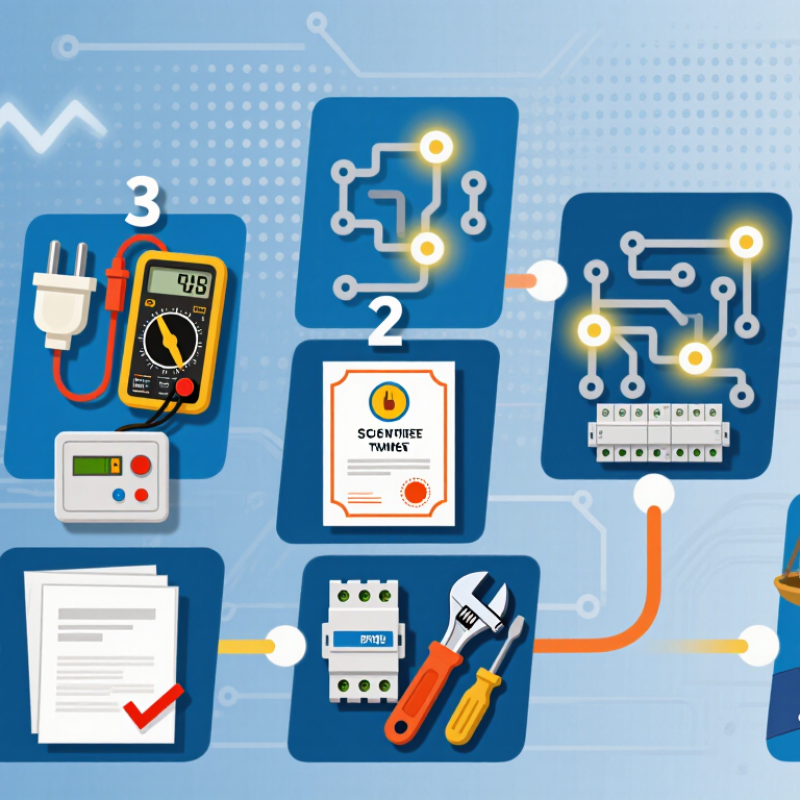
This guide offers seven buying tips, from choosing the right SPD type to checking status indicators, replacement parts, and supplier documentation. Ask for test reports, not just a brochure. Verify that ratings refer to the same test method and product configuration. Procurement teams can miss small details, such as a voltage mismatch or unclear warranty terms. These checks cannot guarantee uninterrupted power. They can, however, make comparisons more grounded and reduce avoidable selection errors.
Understanding Surge Protective Devices and Their Protection Ratings
A surge protective device (SPD) limits brief voltage spikes and diverts surge current away from connected equipment. It cannot prevent every outage or correct a persistent voltage problem.
Not the whole story.
The right device depends on the electrical system, installation point, and equipment being protected. A unit near a service entrance faces different conditions from one protecting a control panel or a sensitive instrument.
Read the ratings together. Maximum continuous operating voltage (MCOV) indicates the voltage an SPD can withstand during normal operation. The voltage protection rating (VPR) describes the let-through voltage under specified test conditions; a lower value can mean less stress reaches equipment.
Nominal discharge current (In) and maximum surge current ratings describe current-handling capability, but test methods and rating systems may differ.
Compare like with like. A large surge-current figure alone does not guarantee better protection, and ratings should not be treated as interchangeable across standards.
Before buying, confirm the system voltage, grounding arrangement, and intended installation location. Check whether the SPD coordinates with upstream protective devices and has a clear status indicator or replaceable module.
Small details matter.
In practice, buyers sometimes focus on headline numbers and overlook wiring length; long connecting leads can reduce protection performance.
That detail is easy to miss, even on a careful specification sheet.
FAQS
Confirm the system voltage, phase arrangement, grounding method, and available panel space. A three-phase panel may not suit a single-phase device.
Note overhead supply lines, nearby motors, lightning exposure, and sensitive control or network equipment. Record where cables enter the building.
Yes. Long cable runs can affect protection performance. Measure the route, not just the room.
Ask a qualified electrical professional to check the grounding arrangement and installation requirements. A panel photograph helps, but it cannot confirm everything.
Request test reports for the exact model, plus sample labels, batch codes, and inspection records. A brochure alone is not enough.
Compare the stated voltage, discharge-current ratings, and short-circuit capability with your system documents. Confirm certificates with the issuing organization.
Ask how components, assembly, and final tests are recorded. Find out what happens when a unit fails inspection. Keep records.
Recheck it after major changes, such as new rooftop equipment or longer operating hours. The estimate may still miss something.
No. An audit and sample testing can provide useful evidence, but neither guarantees every unit. That limitation is worth documenting.
Conclusion
Choosing the right Surge Protective Device requires more than comparing price or advertised ratings. Global buyers should first understand how protection ratings relate to the expected surge environment, then assess the electrical system, equipment sensitivity, site exposure, and consequences of downtime. These factors help determine the appropriate device type and level of protection for each application.
Before purchasing, compare relevant product standards and certifications, and confirm that the device is compatible with local system requirements. Review installation needs, maintenance access, expected service life, and the total cost of ownership—not just the initial purchase price. Finally, evaluate suppliers by checking technical documentation, traceability, quality controls, warranty terms, and evidence of consistent product reliability. A structured review of these points can help buyers make a safer, more practical choice for their specific site.