1. Technical Fundamentals of DC Circuit Breaking in Battery Energy Storage (BESS)
Direct Current (DC) circuit interruption poses significantly higher technical challenges than Alternating Current (AC) breaking. In an AC system, the current naturally crosses the zero-voltage threshold 100 or 120 times per second (at 50Hz or 60Hz), which naturally collapses the plasma arc formed during contact separation. Conversely, Battery DC Circuit Breakers must interrupt continuous, non-zero-crossing currents under full load and under severe short-circuit fault conditions where energy density is massive.
When protecting modern Lithium Iron Phosphate (LFP) or Nickel Manganese Cobalt (NMC) battery banks, short-circuit discharge currents can escalate to several thousand amperes in less than 2 milliseconds due to extremely low internal cell resistance. Failing to extinguish this arc within milliseconds results in contact welding, catastrophic thermal runaway, housing explosion, and uncontained electrical fires.
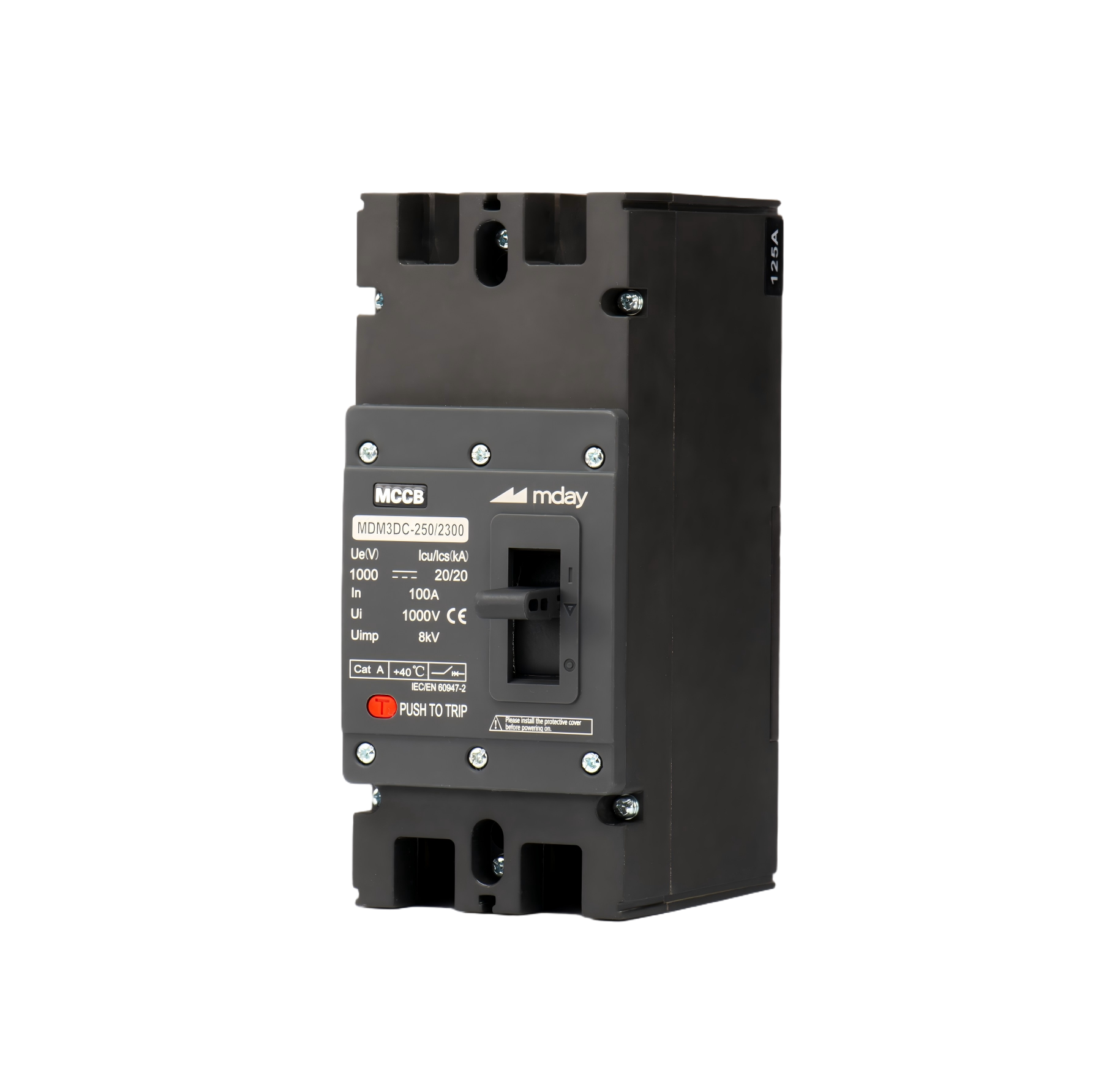
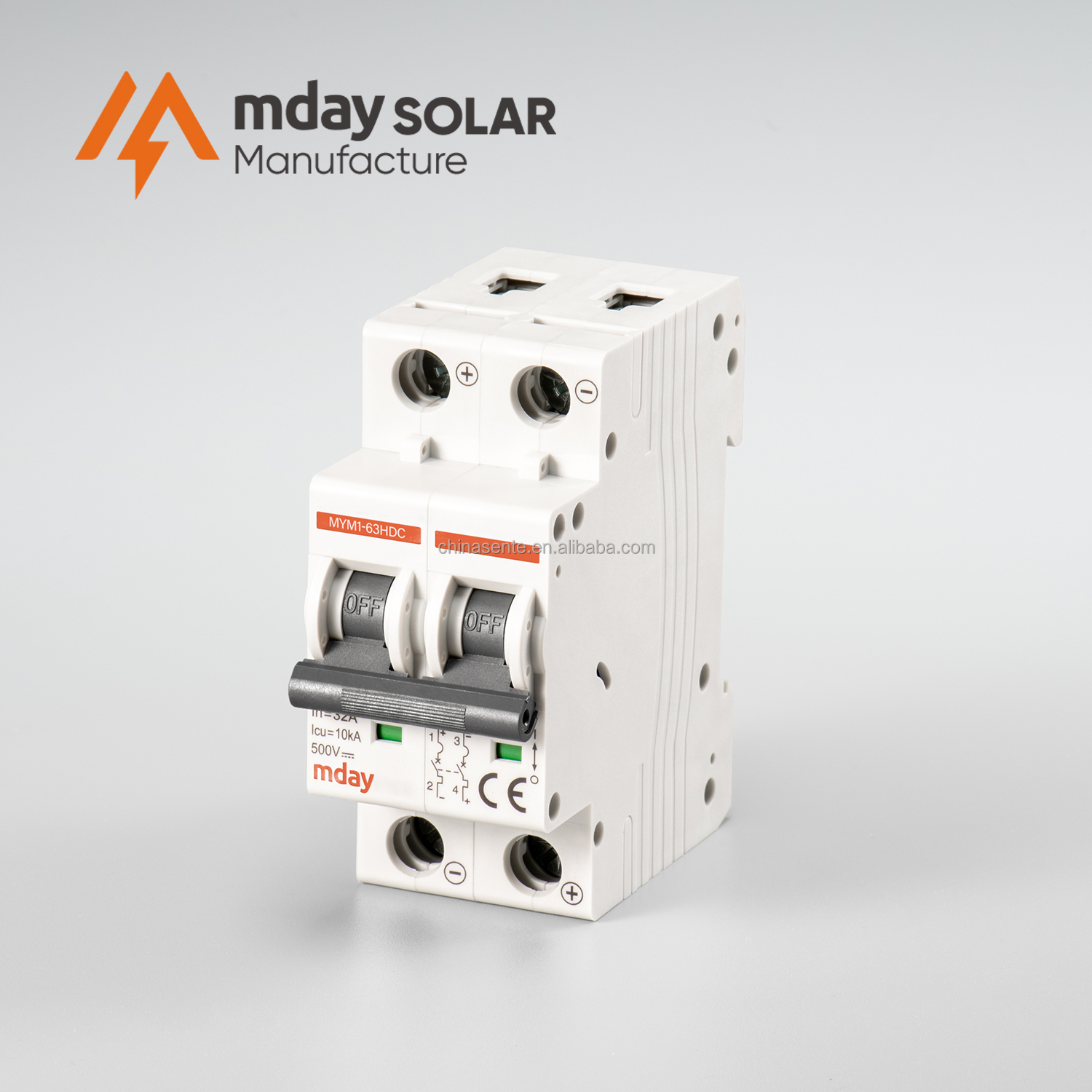
Information Gain - Physics of Arc Extinction: Our proprietary OEM DC Moulded Case Circuit Breakers (MCCB) utilize permanent magnetic blowout coils combined with multi-gap arc splitter chutes (De-ion plates). As contacts part under fault, the electromagnetic Lorentz force ($\vec{F} = I\vec{L} \times \vec{B}$) drives the DC electrical arc into the arc chute, elongating, cooling, and sectioning the arc into series micro-arcs until the total system dielectric voltage exceeds the system potential, forcing instantaneous extinction.
Key Architectural Differences: Battery DC MCCB vs Standard AC Breakers
| Performance Parameter | Standard AC Circuit Breaker | Dedicated OEM Battery DC Breaker |
|---|---|---|
| Arc Extinction Point | Natural zero-crossing of sine wave | Forced magnetic blowout into splitter chutes |
| Polarity Sensitivity | Non-polarized | Polarized or Specialized Bi-Directional Non-Polarized |
| Short-Circuit Energy Discharge | Moderate rate of rise ($di/dt$) | Ultra-fast rate of rise ($di/dt > 10^7 A/s$) |
| Contact Erosion Resistance | Standard Silver Graphite (AgC) | High-Density Silver Tin Oxide ($AgSnO_2$) Alloys |
| Standards Compliance | IEC 60947-2 / UL 489 | IEC 60947-2 Annex P / UL 489B / UL 248-19 |
2. Custom OEM Engineering Specifications & Sourcing Matrix
As a specialized manufacturer, Luck (zhejiang) New Energy Co., Ltd. offers extensive custom OEM/ODM configurations for battery pack manufacturers, solar panel system integrators, and BESS contractors. Selecting the precise DC circuit breaker requires matching the physical trip characteristics to the battery's specific charge/discharge curve ($C$-rate).
Thermal-Magnetic Calibration
Custom calibration for Ambient Temperature De-rating ($40^\circ\text{C}$ to $60^\circ\text{C}$) in extreme climatic conditions. Custom trip curves (Curve B, C, D, and K) tailored for LFP/NMC inrush surge currents.
Bi-Directional Breaking
Advanced non-polarized contacts capable of handling reverse power flow during regenerative battery charging and high-discharge supply cycles without arc displacement failure.
Auxiliary Integration
Factory-installed shunt trip coils (MX), undervoltage trip units (MN), auxiliary switch contacts (OF), and alarm contacts (SD) for automated BMS (Battery Management System) shutoff.
Technical Sourcing Formula for Battery Circuit Breaker Sizing
When specifying a DC Moulded Case Circuit Breaker for a lithium battery string, electrical engineers must calculate the minimum continuous current rating ($I_n$) and short-circuit rating ($I_{cu}$) according to the following formulas:
$$I_n \ge \frac{P_{inverter\_max}}{V_{battery\_min} \times \eta_{inverter}} \times 1.25$$
$$I_{cu} > I_{short\_circuit\_peak} = \frac{V_{open\_circuit}}{R_{internal\_total} + R_{cable\_resistance}}$$
Where $1.25$ accounts for continuous duty safety margin (NEC 80% rule), $V_{battery\_min}$ represents the lowest cutoff voltage during discharge, and $R_{internal\_total}$ is the cumulative DC internal resistance of all cells connected in series.
3. Global Sourcing Trends & Future Market Outlook (2025–2030)
The transition toward large-scale decarbonization, microgrids, and commercial/industrial (C&I) energy storage is reshaping procurement criteria for DC protection gear. Procurement officers and B2B buyers must align their supply chain strategies with four dominant technological vectors over the next decade:
1. Shift to 1500V DC High-Voltage Architecture
To reduce balance-of-system (BOS) costs, lower copper conductor cross-sections, and improve round-trip energy efficiency, utility-scale BESS and solar PV farms are rapidly moving from 1000V DC to 1500V DC designs. Procurement teams are heavily shifting purchase orders toward 1500V DC 2P/4P Moulded Case Circuit Breakers and high-breaking capacity 1500V gPV DC fuses.
2. Solid-State (SSCB) and Hybrid DC Circuit Breaker Integration
Conventional mechanical breakers operate in 5 to 15 milliseconds. Modern high-voltage battery storage systems require sub-millisecond response times to protect sensitive power electronics (IGBTs/SiC MOSFETs). Sourcing plans are increasingly focusing on hybrid circuit breakers—combining mechanical galvanically isolated contacts with solid-state semiconductor switches—achieving total arc-free fault isolation in under 100 microseconds.
3. IoT-Connected Smart Breakers with BMS Telemetry
Passive protection components are evolving into active edge nodes. Future battery DC breakers feature integrated Modbus/CANbus telemetry, enabling real-time contact temperature monitoring, contact erosion tracking, and predictive maintenance algorithms before an catastrophic overload event occurs.
4. Manufacturer Credentials & Enterprise Capabilities: Luck New Energy
Located in the Yueqing Economic Development Zone, Wenzhou—the world's premier low-voltage electrical manufacturing hub—Luck (zhejiang) New Energy Co., Ltd. stands as a premier OEM/ODM manufacturer specializing exclusively in photovoltaic circuit protection, surge control, and battery DC distribution equipment.
TÜV Rheinland Onsite Verified
Our factory facilities, personnel count, export capacity, and management systems are independently audited and certified by TÜV Rheinland.
Precision Testing Lab
Equipped with 9 specialized testing instruments including 8/20$\mu$s surge generators, temperature rise test benches, and mechanical endurance stations.
Full OEM/ODM Flexibility
Complete customization from current ratings (1A–250A+), custom voltage thresholds, private label branding, and custom packaging in 2–7 days for standard stock.
International Certifications
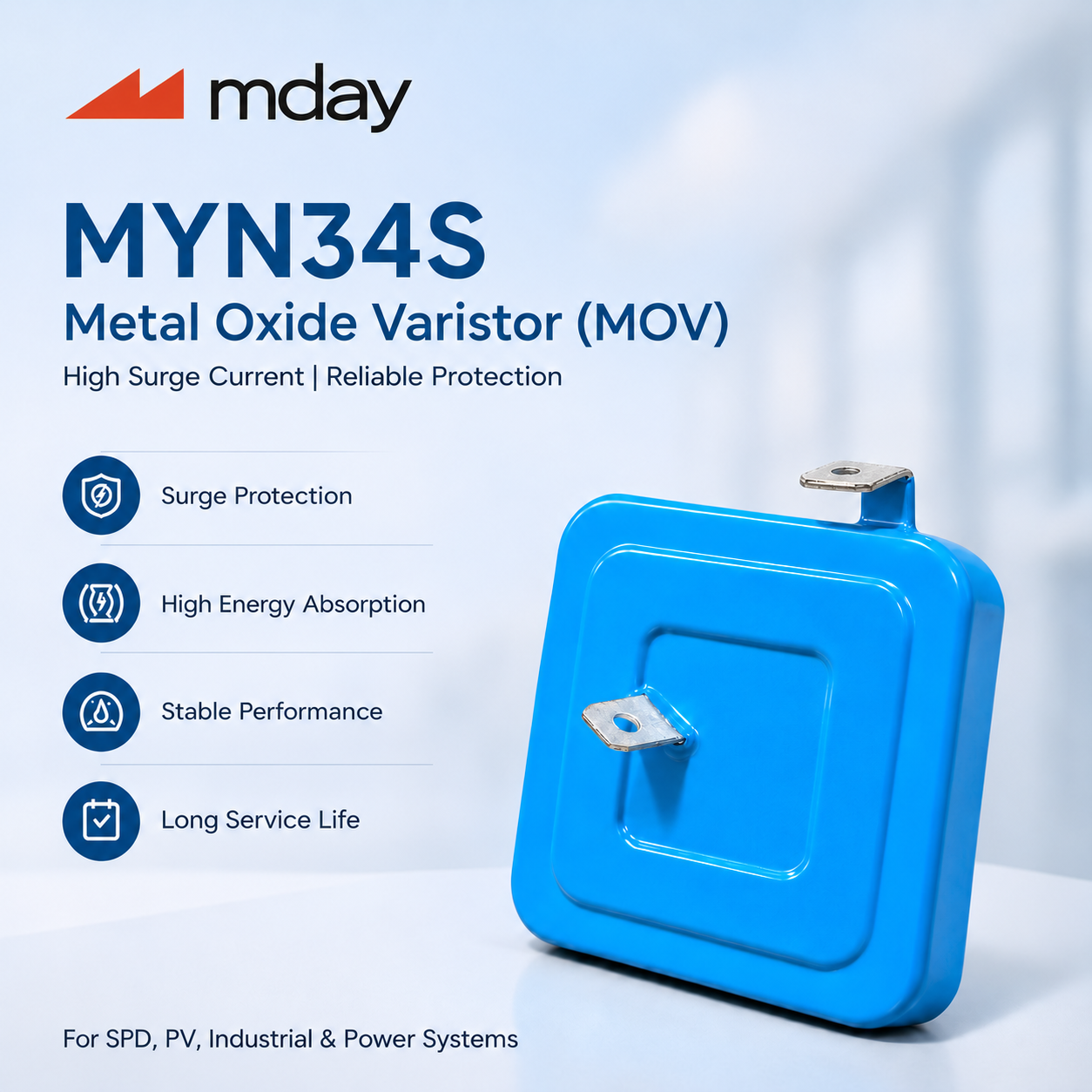
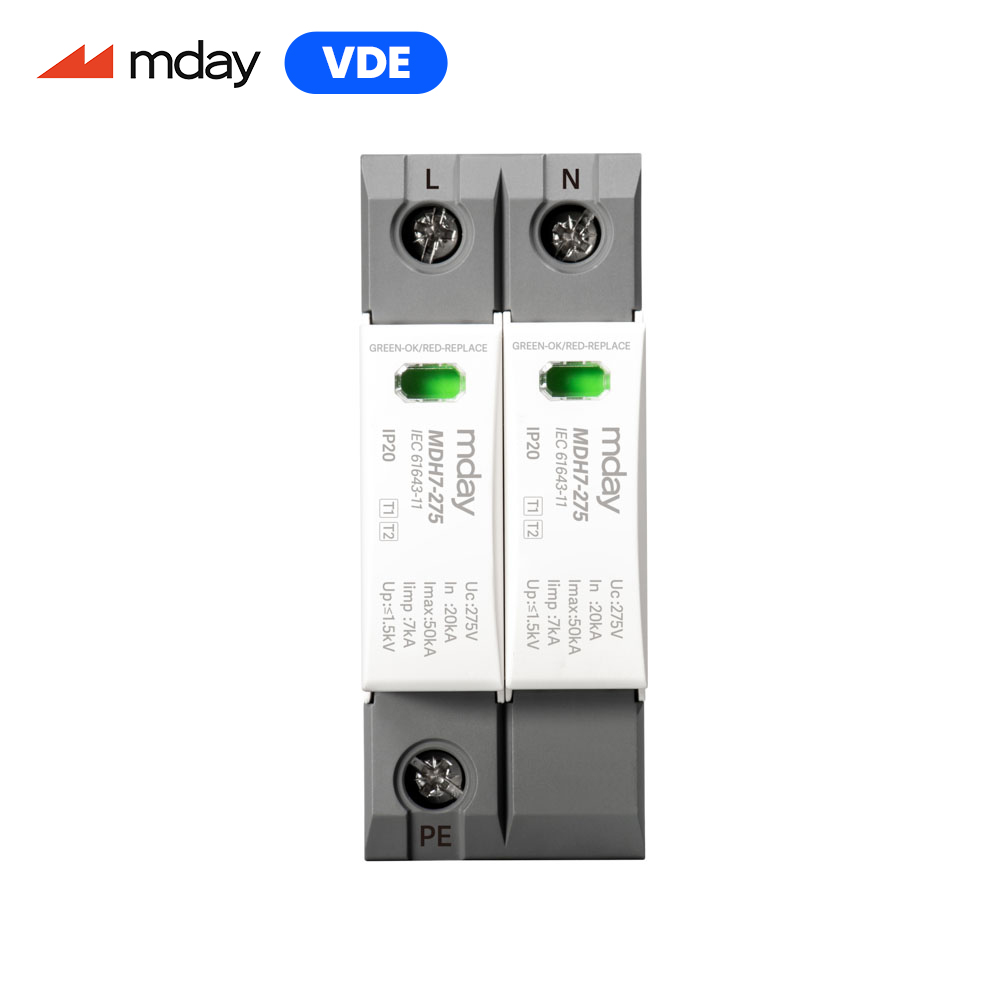
Our product lineup meets or exceeds rigorous global benchmarks: VDE certified SPDs, TÜV certified MOVs, UL 248-19, and IEC 60947-2 compliance with CE mark.
Global Supply Infrastructure
Exporting to over 30 countries across Europe, Southeast Asia, South America, and the Middle East with robust export packaging and customs compliance.
Dedicated Engineering Support
Our team of 5+ certified power engineers provides direct drawing assistance, short-circuit calculations, and customization support within 24 hours.
5. Frequently Asked Questions (FAQ) for B2B Procurement & Engineers
Why can't standard AC circuit breakers be used in battery DC applications?
Standard AC breakers rely on natural zero-crossing of the AC sine wave to extinguish electrical arcs. DC voltage maintains continuous current flow; using an AC breaker in high-voltage DC battery circuits leads to sustained arcs, contact erosion, catastrophic housing melt, and inability to clear fault currents.
What is the difference between polarized and non-polarized DC circuit breakers?
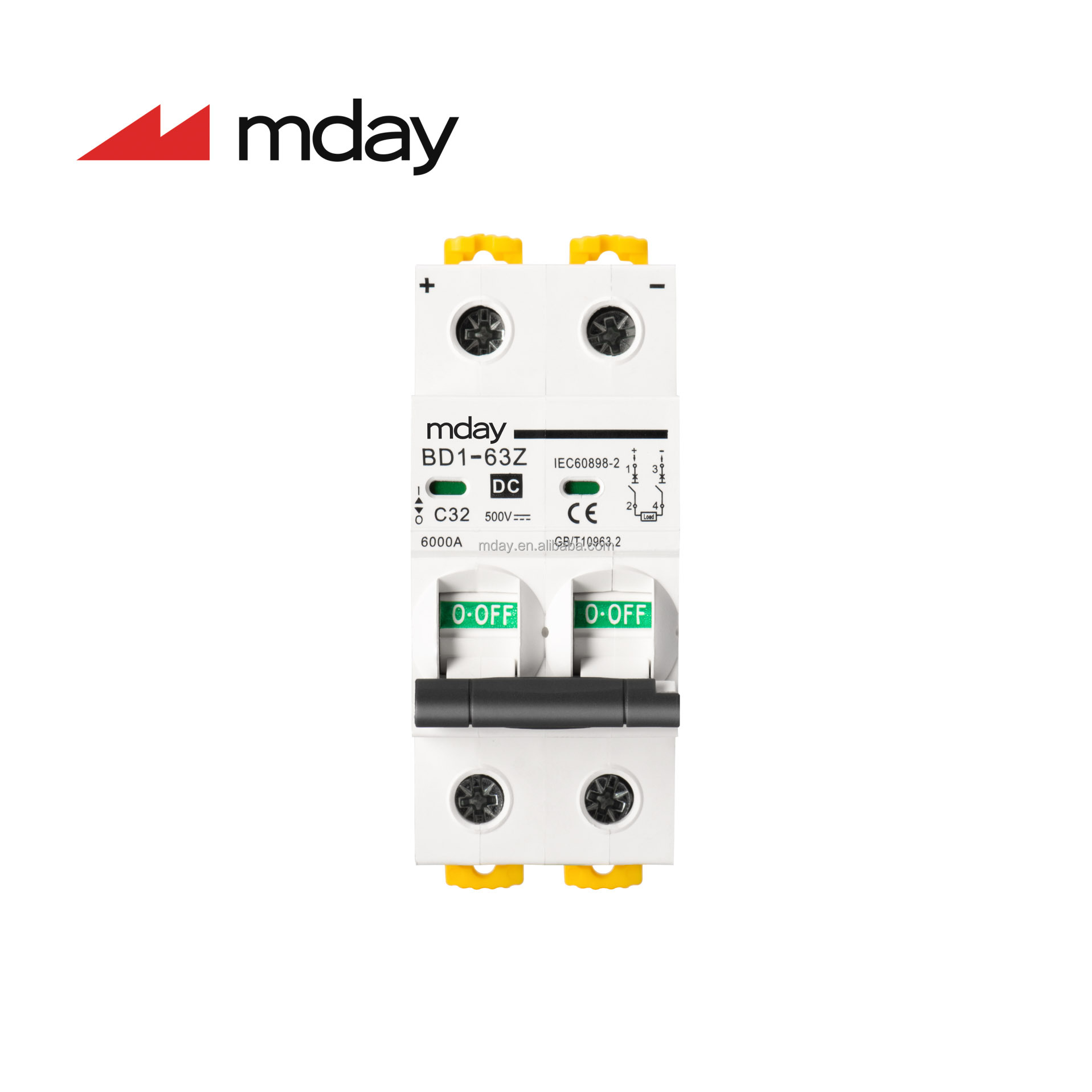
Polarized DC breakers require current to flow in a single specified direction (+ to -) to utilize internal permanent magnet blowouts. Non-polarized DC breakers use symmetric magnetic blowout systems or multi-gap arc chutes, making them essential for battery systems where power flows bi-directionally during charge and discharge cycles.
What certifications are required for exporting DC circuit breakers to Europe and North America?
For European markets, compliance with IEC 60947-2 (for MCCB/MCB) and CE marking is mandatory, with VDE or TÜV marks offering major competitive advantage. For North American markets, compliance with UL 489B (for battery protection) or UL 248-19 (for DC fuses) is standard.
What custom OEM/ODM parameters can Luck New Energy support?
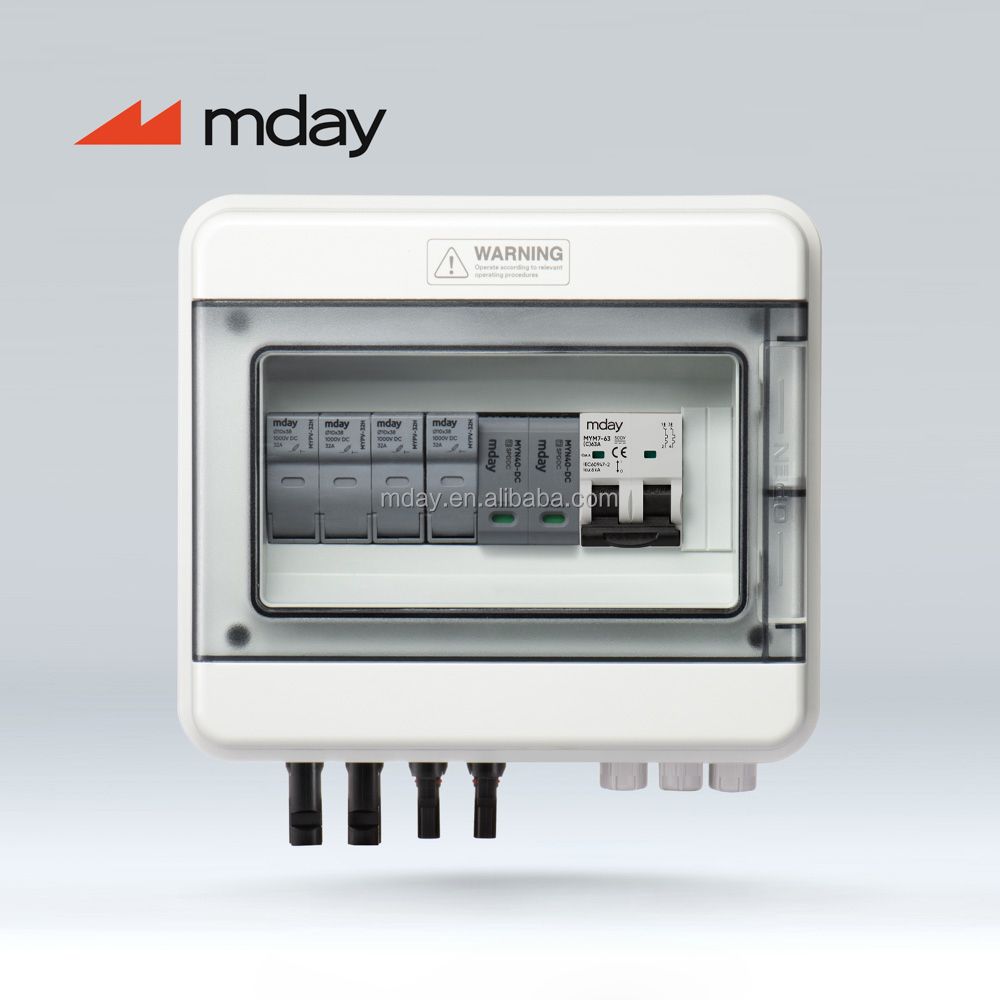
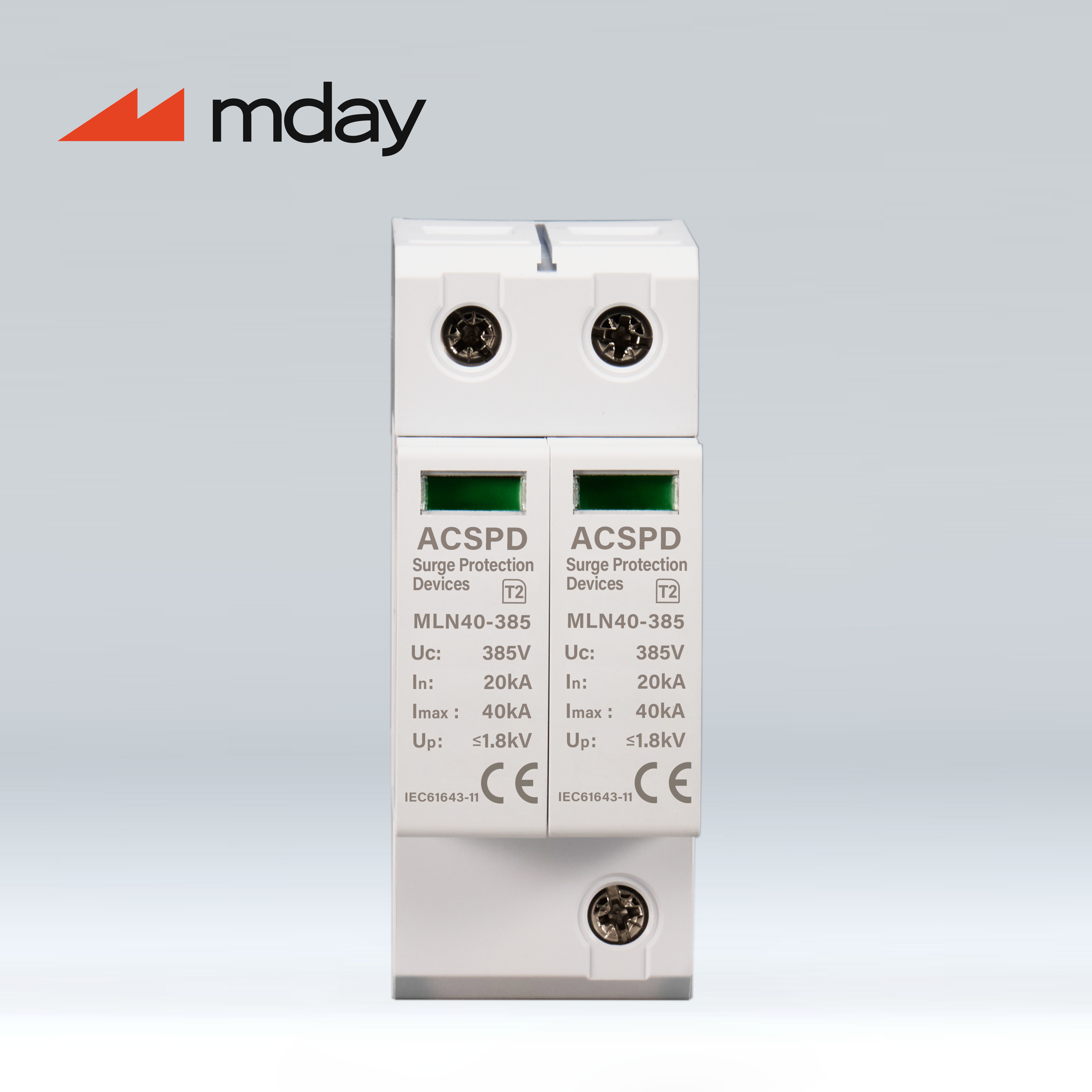
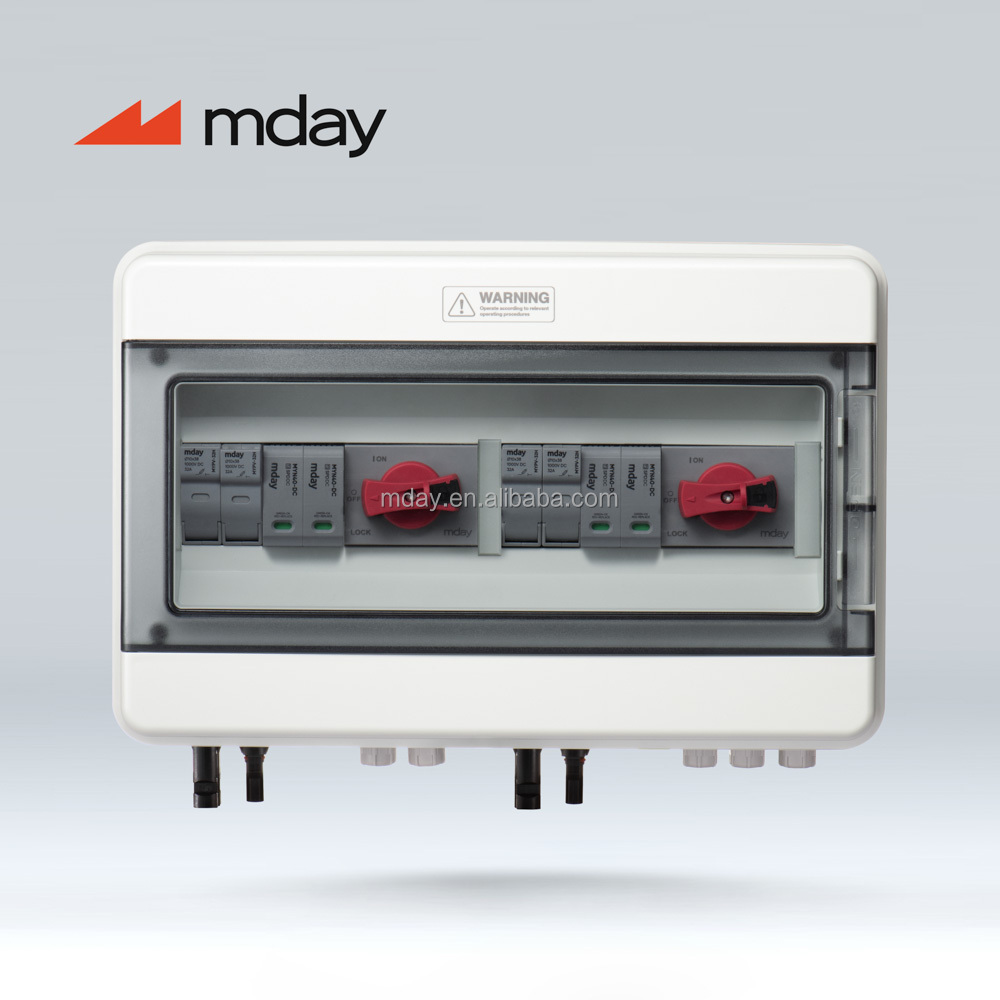
We offer customizable rated voltages (250V up to 1500V DC), custom current trip points (1A to 250A+), custom branding/logos, custom enclosure flame-retardant ratings (UL94-V0), specialized terminal block configurations, and pre-wired IP65 combiner box solutions.
How does ambient temperature affect the performance of a DC MCCB?
Thermal-magnetic trip units use bimetallic strips calibrated at $40^\circ\text{C}$. In outdoor energy storage enclosures where ambient temperatures exceed $50^\circ\text{C}$, the breaker must be de-rated according to manufacturer temperature correction tables to prevent nuisance tripping.
What is the typical lead time for custom OEM orders vs standard stock?
Standard catalog items ship within 2 to 7 days from our Yueqing facility. Customized OEM orders requiring custom housing molding, private label printing, or custom trip curve testing are delivered within 15 to 25 days following sample sign-off.
Partner with a Certified OEM DC Protection Manufacturer
Need custom DC Moulded Case Circuit Breakers, High-Voltage DC Fuses, or IP65 Combiner Boxes tailored to your exact system single-line diagram? Connect directly with our engineering team today.
Inquire Now