Catalog Matrix
Featured Power Protection Components & Circuit Systems
Engineered for commercial, solar PV, and heavy industrial applications across Greater Tokyo. Tested under rigorous IEC, VDE, and JIS standards.

Engineering Whitepaper: Voltage Stability & Under-Voltage Protection in Tokyo’s Electrical Ecosystem
Tokyo’s electrical landscape presents a unique set of operating conditions for electrical OEMs, facility engineers, and solar installation contractors. Operating under the Tokyo Electric Power Company (TEPCO) eastern grid, the metropolitan area uses a strict 50 Hz nominal frequency with standard low-voltage distributions at single-phase 100V and three-phase 200V / 415V. While Tokyo boasts one of the world's most reliable grid reliability indexes, heavy commercial density, rapid urban electrification, extreme summer cooling loads, and seasonal typhoon disruptions introduce subtle yet dangerous grid fluctuations—specifically transient voltage sags, brownouts, and sustained undervoltage events.
An Under Voltage Protector (UVP) or combined Over/Under Voltage Protection Device (OUVP) serves as the primary line of defense for sensitive automated manufacturing lines, high-density IT data infrastructure in districts like Akihabara and Otemachi, and modern rooftop photovoltaic (PV) systems integrated with Battery Energy Storage Systems (BESS).
Technical Insight for Tokyo Purchasing Officers: Undervoltage conditions in Tokyo commercial systems often occur during severe demand surges or rapid switching trips on TEPCO’s 66kV transmission sub-stations. When supply voltage drops below 85% of nominal (e.g., below 85V AC on a 100V circuit or below 170V AC on a 200V circuit), electrical motors draw disproportionately higher current, causing thermal overheating, electronic logic corruptions in PLCs, and premature inverter failure in solar systems.
Key Failure Modes Prevented by Industrial Under Voltage Protectors
- Motor Burnout in HVAC & Industrial Pumps: According to NEMA and JIS standards, operating three-phase motors under a continuous 10% undervoltage condition increases total winding temperature rise by up to 15°C, halving insulation lifespan. Our automatic disconnect UVP relays disconnect loads instantly when voltage drops past safe thresholds.
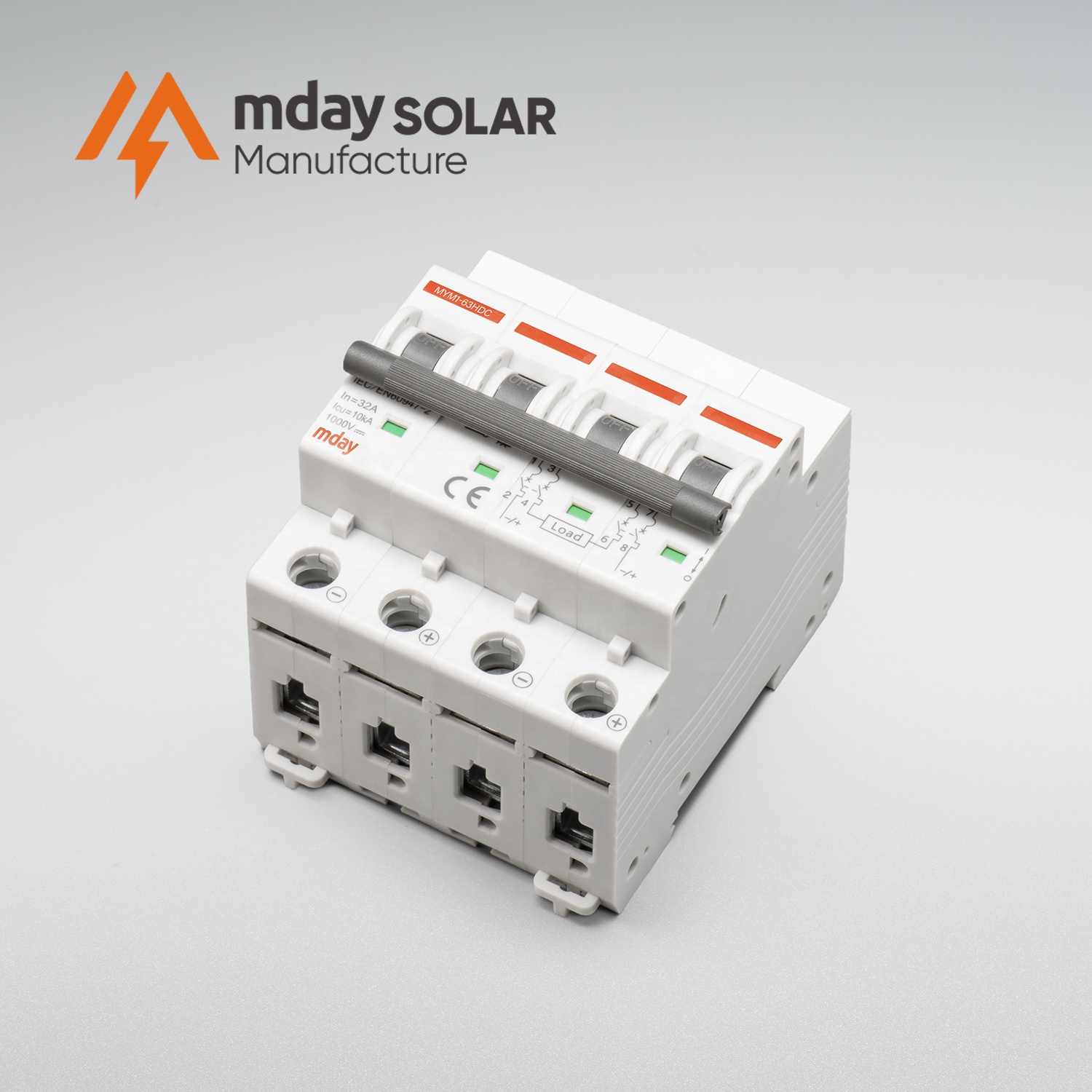
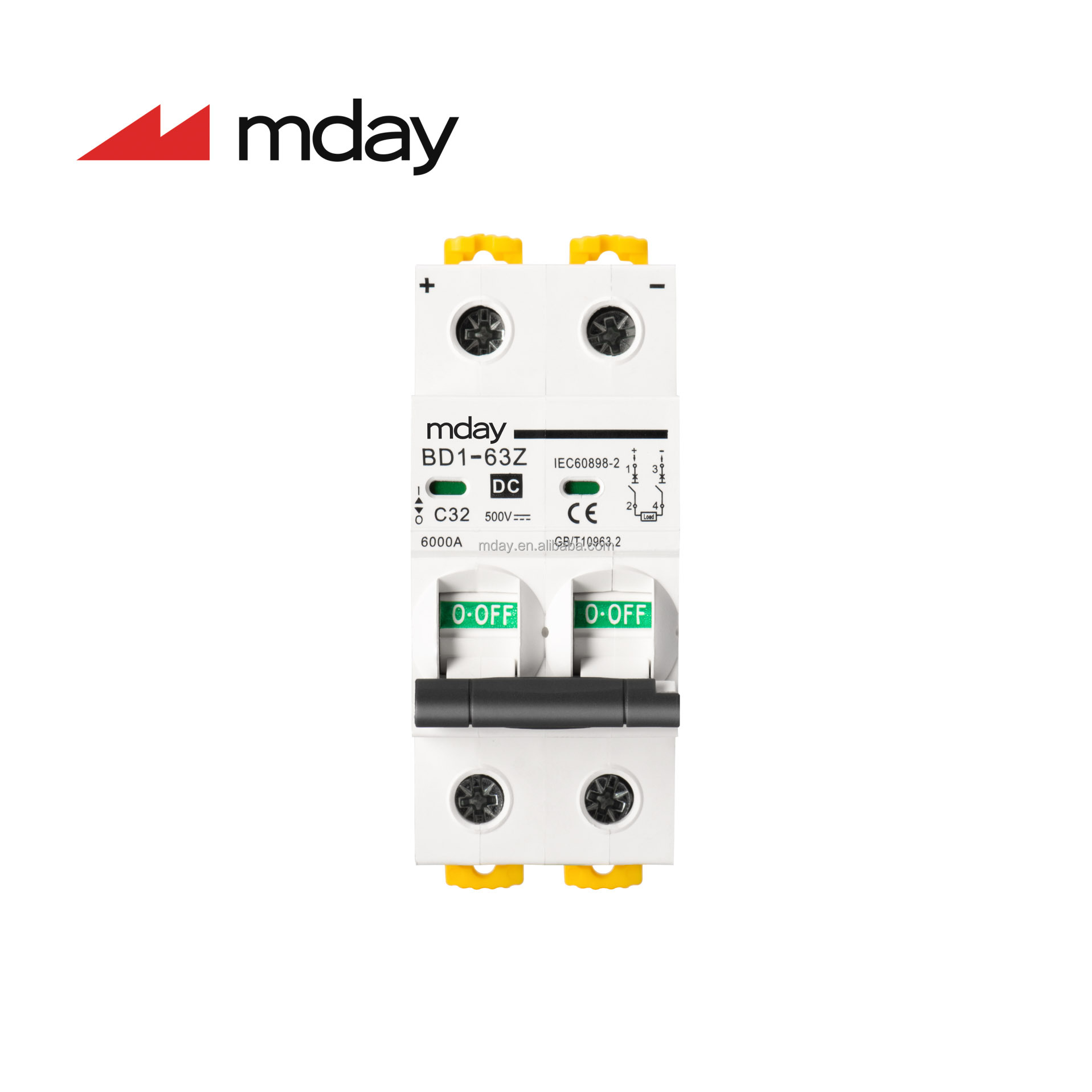
- Inverter Disconnection & DC Reverse Flow: In Tokyo residential and commercial solar arrays, grid voltage sags can trip PV inverters offline. Integrated DC circuit breakers (such as our 1000V DC MCB L7 series) combined with automatic transfer switches ensure isolated switching and islanding compliance.
- Data Loss in Automated Commercial Facilities: Micro-brownouts lasting just 30 to 100 milliseconds can cause digital control units and edge servers to lock up without tripping standard overcurrent circuit breakers. Precision UVPs monitor phase-to-phase and phase-to-neutral potential in real time.
Local Integration
Localized Application Scenarios across Greater Tokyo
Customized electrical protection strategies designed specifically for Tokyo's urban density, building codes, and regional power dynamics.
1. Akihabara & Shinagawa Commercial Data Hubs
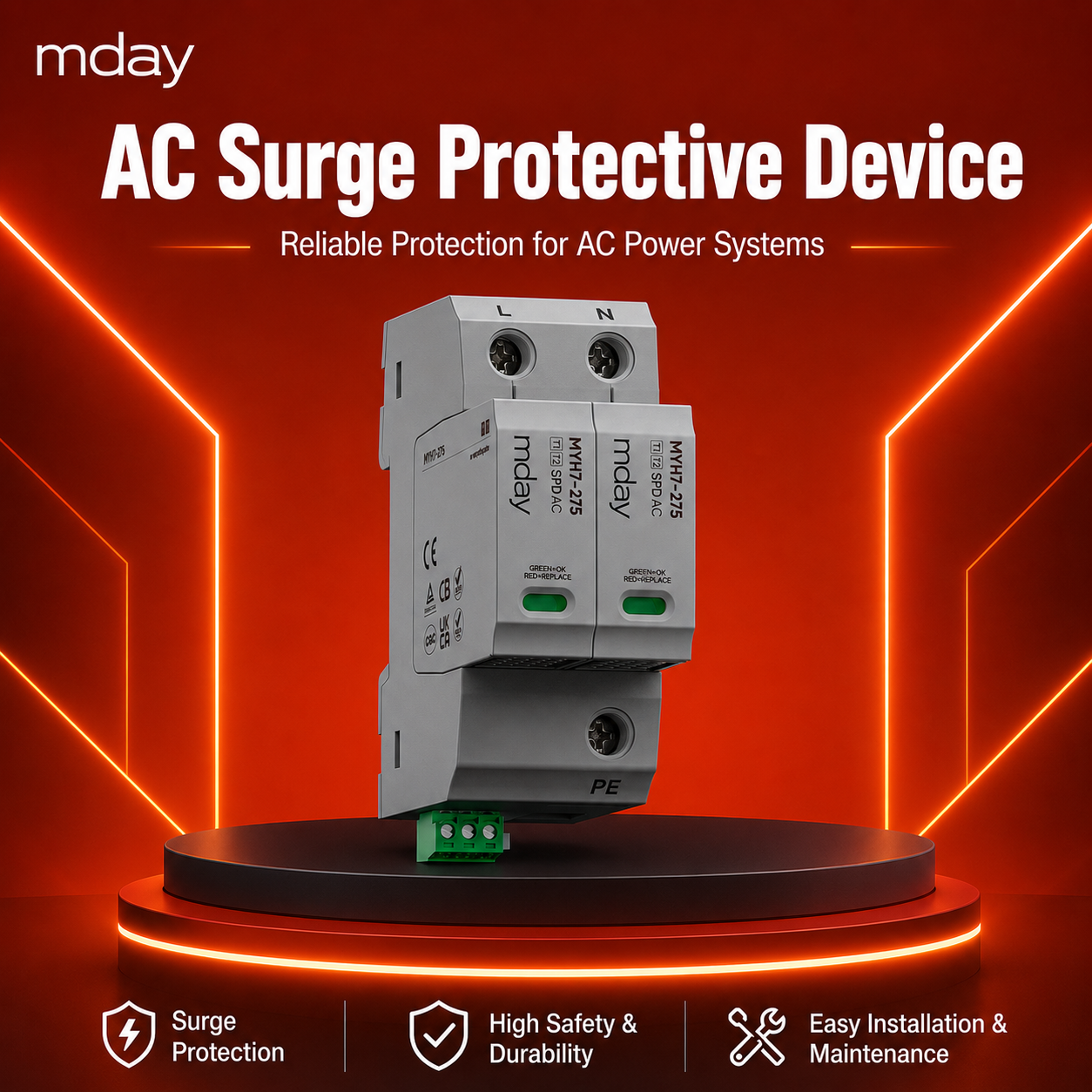
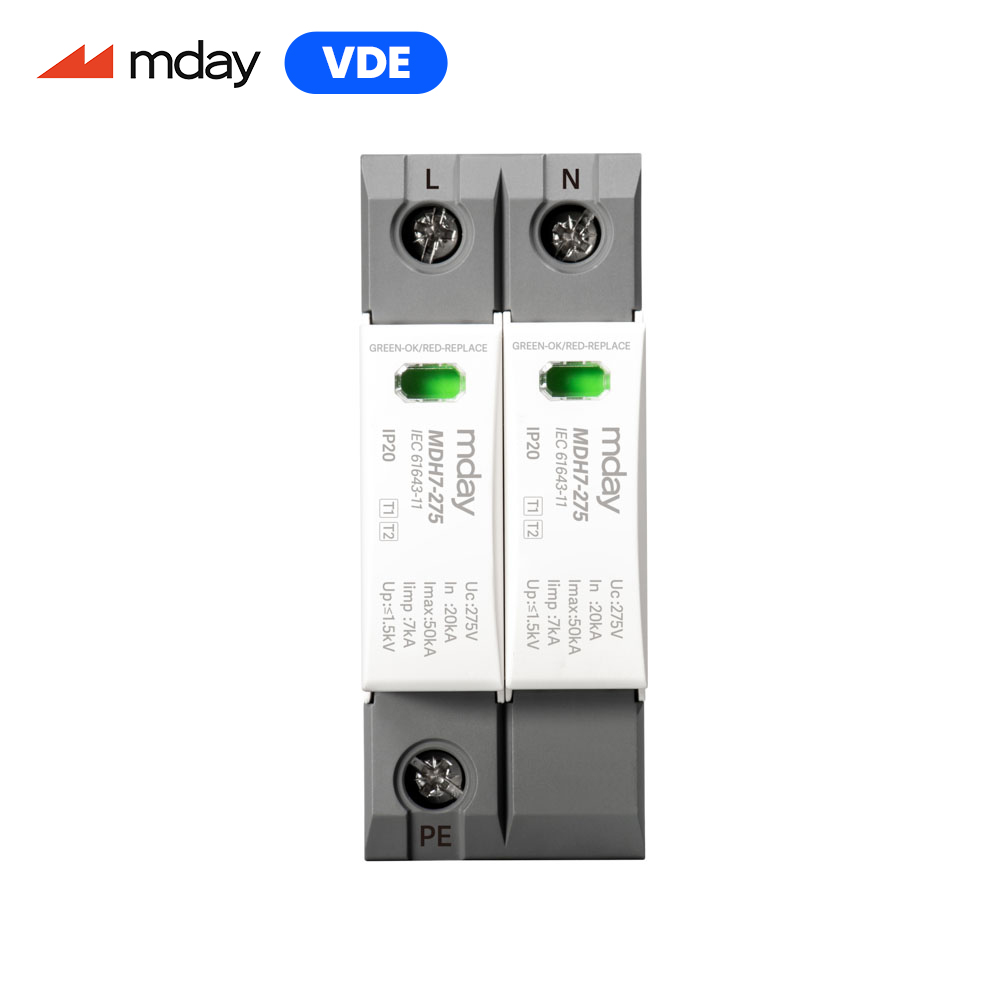
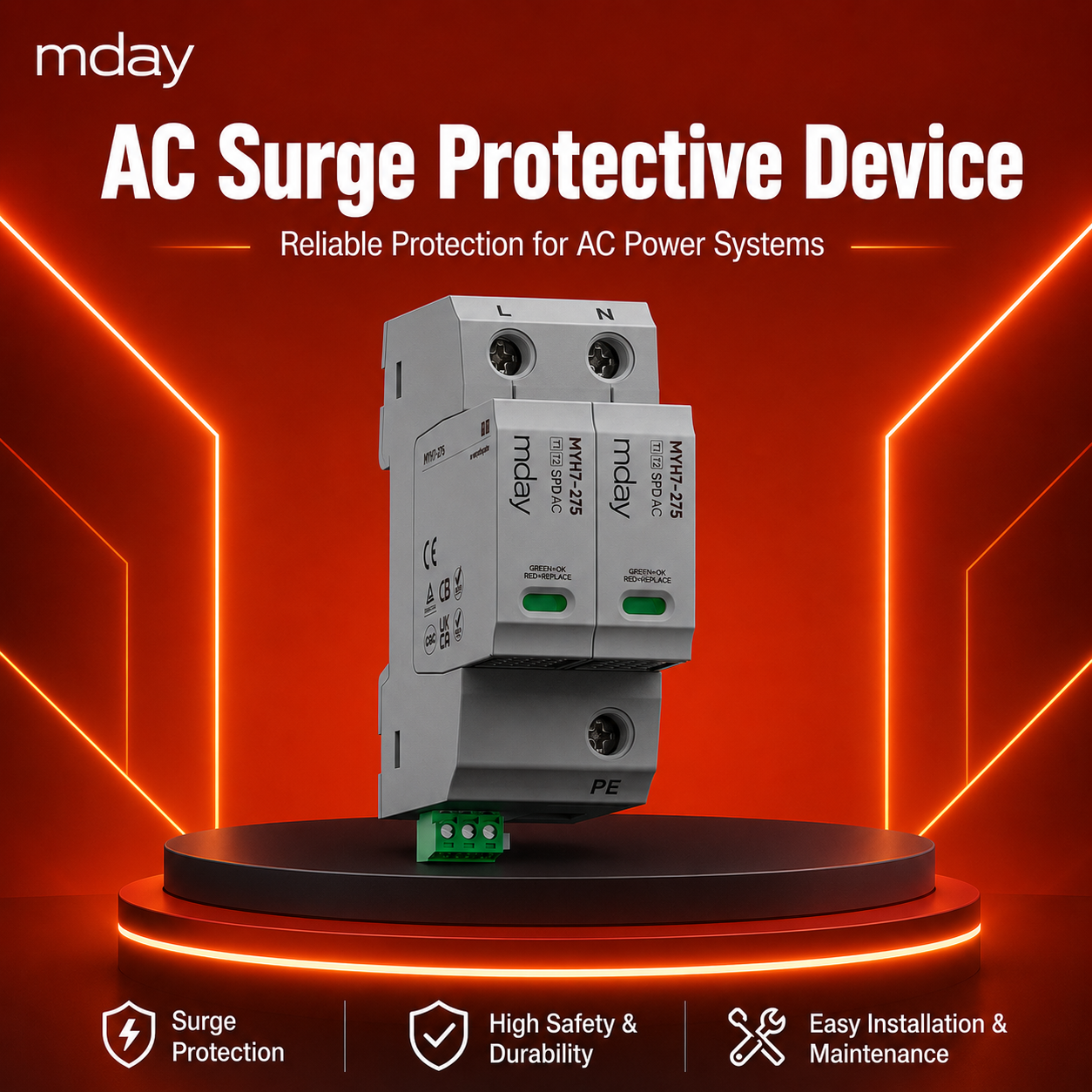
High-density IT infrastructure demands zero voltage distortion. Our DIN rail mounted Automatic Voltage Relays and Type 2 VDE-certified AC SPDs protect sensitive servers against voltage sags caused by localized building switching transients, maintaining system uptime.
2. Tokyo Metropolitan Mandatory Rooftop Solar PV
Under Tokyo Met Government zero-emission regulations, new residential and commercial buildings require solar PV installations. Our 1000V DC MCB, 1500V DC Fuse Holders, and MLN40 DC SPDs provide fire-safe string protection against earth faults and undervoltage grid trips.
3. Tokyo Bay Industrial Robotics & Logistics
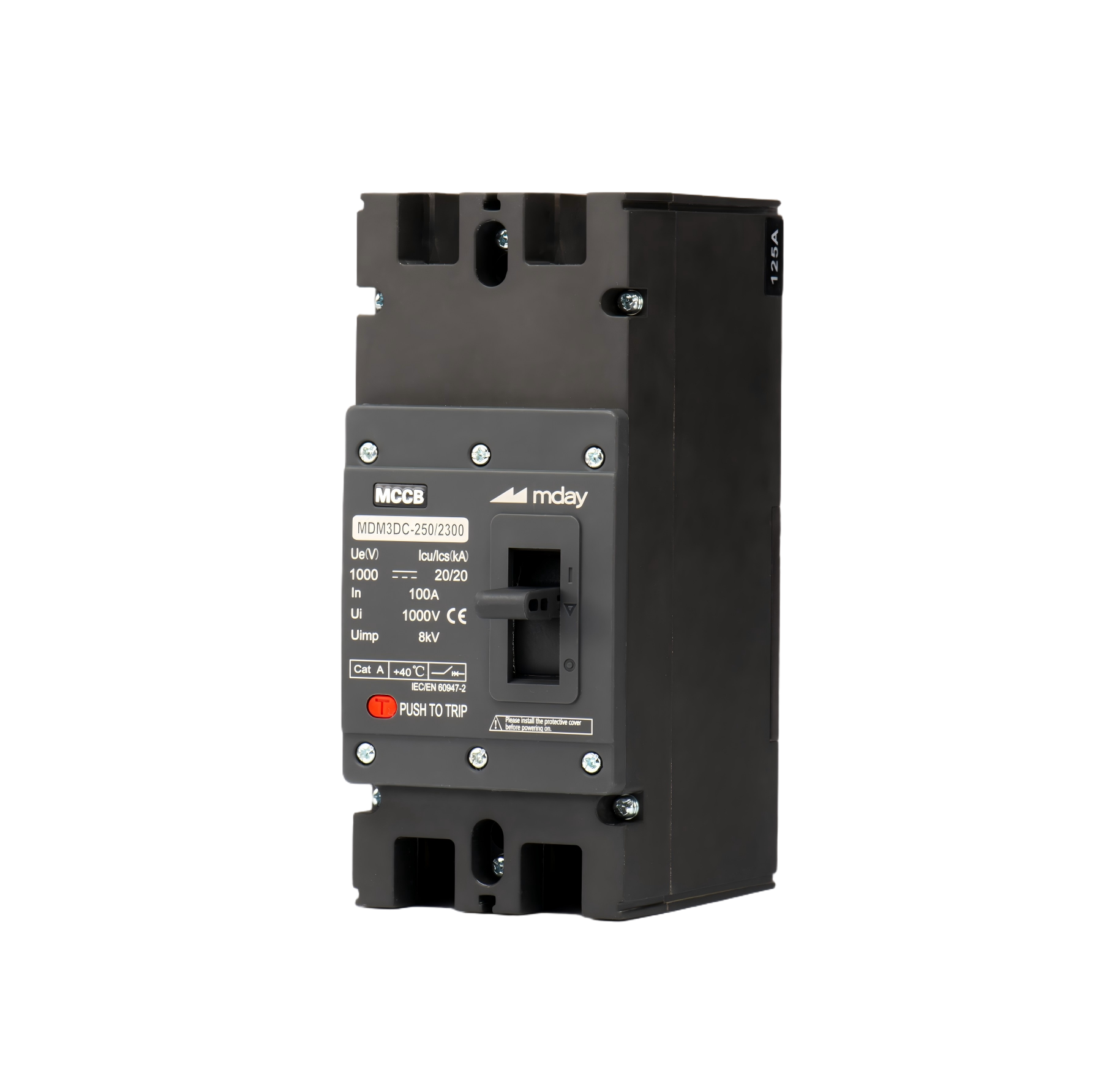
Automated distribution hubs along Koto and Shinagawa districts rely on 200V/400V three-phase motors. Combining our Mday MDM3DC MCCB units with DIN Rail ATS switches guarantees smooth emergency generator cutover during severe utility brownout events.
Local Market Trends: Technological Advancements in Japan’s Low-Voltage Sector
The Japanese electrical components procurement market is undergoing significant transitions driven by decarbonization goals, smart grid modernization, and microgrid autonomy. Global B2B buyers and Tokyo-based electrical engineering contractors should align their component sourcing with three primary trends:
Integration of Multi-Functional Protective Devices
Traditional single-function relays are being replaced by combined Over-Voltage, Under-Voltage, and Surge Protection Units (OV/UV+SPD). These compact DIN rail modules drastically reduce panel footprint inside space-constrained Tokyo commercial distribution boards (JIS C 8480 enclosures), while delivering comprehensive electrical fault mitigation.
Self-Healing Automatic Reconnect Relays
When a temporary undervoltage fault clears on the TEPCO grid, manual resetting causes costly operational downtime. Modern Japanese facility management standards demand auto-reclosing function with adjustable delay timers (e.g., 30s to 300s). This prevents short-cycling of refrigeration compressors and precision HVAC systems.
High-Voltage DC Circuit Standards (Up to 1500V DC)
As commercial solar installations incorporate higher capacity battery storage across Tokyo and Kanagawa regions, DC operating voltages have escalated from 600V to 1000V and 1500V DC. Sourcing high-breaking capacity 20kA DC fuses and thermal-magnetic MCCBs (MDM3DC Series) is paramount for system fire safety.
Stringent JIS / JET Compliance & Flame Retardancy
Japanese building codes demand strict flame-retardant thermoplastics (UL94 V-0 standard) and high thermal dissipation properties to withstand Tokyo's high ambient summer roof temperatures. OEM manufacturing must fulfill stringent incoming material controls and third-party lab verifications.
Engineering Selection Matrix: Protection Component Comparison
Consult this engineering guide to match system requirements with the correct protective topology for Tokyo industrial and commercial sites:
| Device Category | Primary Voltage Threshold | Response Time | Typical Tokyo Application | Key Standard Compliance |
|---|---|---|---|---|
| Under Voltage Protector (UVP) | 80% - 95% of Un (Adjustable) | < 20 ms Cut-off | Commercial HVAC, Precision Motors, PLCs | JIS C 8303 / IEC 60947-2 |
| Solar PV DC Circuit Breaker (L7) | Up to 1000V DC / 63A | Instantaneous Magnetic Trip | Residential & Commercial PV Strings | IEC/EN 60947-2, CE Approved |
| AC Surge Protector (MYN40) | Uc 275V - 440V AC | < 25 ns Discharge | Building Main Switchboards, Lighting | VDE Certified, Type 2, IEC 61643-11 |
| Dual Power ATS (PC Class) | AC 220V / 400V (50Hz) | < 50 ms Transfer Time | Data Centers, Hospitals, BESS Backup | IEC 60947-6-1, DIN Rail Standard |
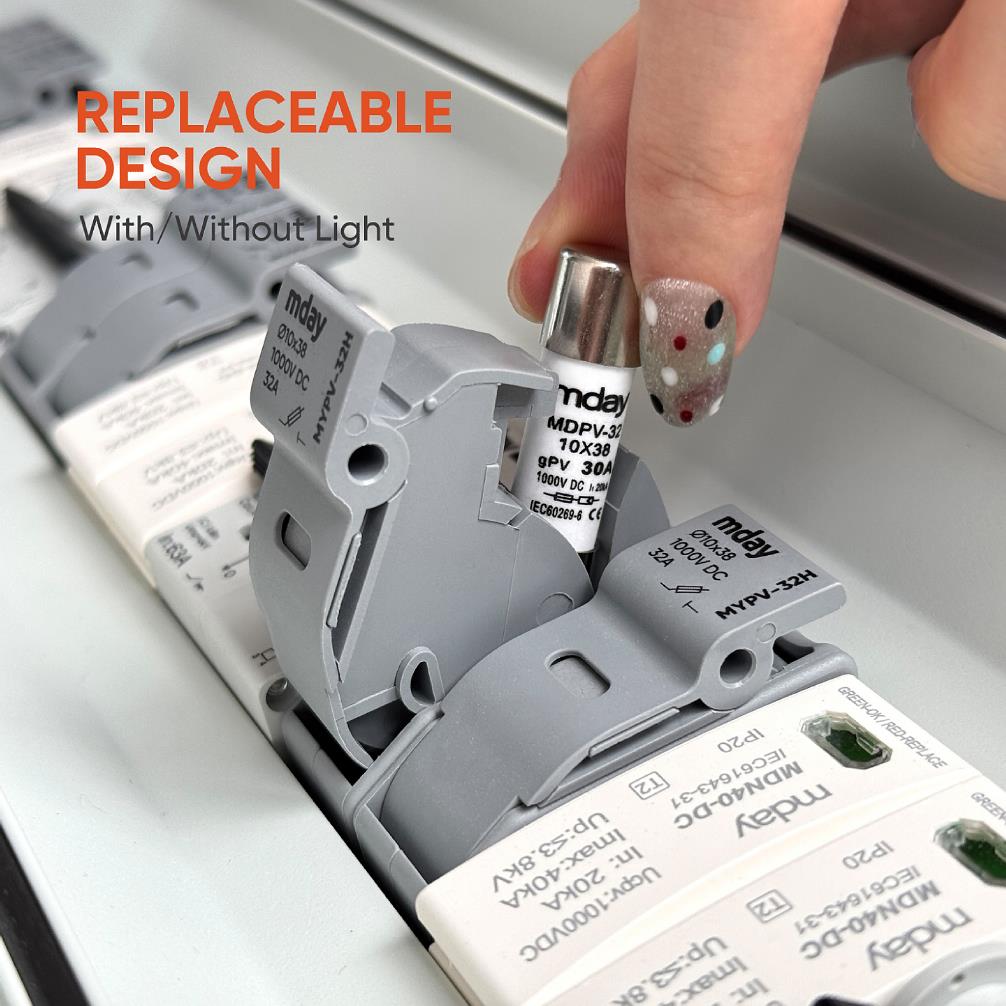
| DC Solar PV Fuse Link | 1000V / 1500V DC | Fast Blow (gPV Characteristic) | Combiner Boxes, Utility Solar Systems | UL 248-19, IEC 60269-6 |
Why Partner with Luck (Zhejiang) New Energy for Tokyo Supply Chains?
As an authoritative global manufacturer of photovoltaic and low-voltage electrical protection components, Luck (Zhejiang) New Energy Co., Ltd. offers unparalleled engineering support and direct factory sourcing for Tokyo distributors, OEMs, and EPC contractors.
TÜV Rheinland Onsite Verified
Our production facilities, testing laboratories, and quality management protocols undergo rigorous onsite audits by TÜV Rheinland, guaranteeing absolute transparency and full international quality assurance.
Vertical In-House Manufacturing
From custom plastic injection moulding of UL94 V-0 flame-retardant housings to 34mm metal oxide varistor (MOV) component production and 3 automated assembly lines, we maintain complete process control.
Full OEM/ODM & Private Labeling
Backing Japanese buyers with over 7 years of specialized OEM experience. We customize operating voltages (50Hz optimized), trip curves, logo printings, terminal configurations, and bilingual packaging.
Procurement Knowledge Base
Frequently Asked Questions by Tokyo B2B Buyers
Addressing common electrical compliance, grid frequency, shipping logistics, and custom engineering inquiries.
Are your Under Voltage Protectors and SPDs fully compatible with Tokyo's 50Hz grid?
Yes. While Western Japan uses 60Hz, Greater Tokyo operates strictly on a 50Hz grid frequency administered by TEPCO. Our AC Under-Voltage Protectors, Automatic Transfer Switches (ATS), and AC Surge Protection Devices are specifically engineered and calibrated for 50Hz single-phase 100V/220V and three-phase 200V/400V power networks, preventing false trips or harmonic resonance.
What certifications do your protective components carry for the Japanese market?
Our component ranges hold comprehensive international accreditations including VDE Certification (for AC SPDs), TÜV Verification (for Metal Oxide Varistors), CE Marking, IEC 60947-2 (for DC MCB/MCCBs), and UL 248-19 / IEC 60269-6 compliance (for 1000V/1500V DC Fuses). Our factory is onsite-verified by TÜV Rheinland to assist local Tokyo importers with technical dossier submissions.
How does an Under Voltage Protector differ from a standard Circuit Breaker in solar microgrids?
A standard DC or AC circuit breaker (such as our L7 MCB) protects cables and equipment against overcurrent and short-circuit faults via thermal-magnetic trip units. In contrast, an Under Voltage Protector monitors grid potential and automatically cuts off connection when voltage sags below a designated safe threshold (e.g., 85V AC), protecting inverter control circuits and motors from thermal stress during brownouts.
What are your typical Lead Times and Minimum Order Quantities (MOQ) for Tokyo orders?
Our MOQ ranges from 5 to 200 pieces depending on whether the product is a standard DIN rail breaker, high-capacity MCCB, or pre-wired IP65 PV combiner box. Standard stock items ship within 2 to 7 days. Customized OEM orders (custom voltage thresholds, laser marking, special housing colors) are typically dispatched within 15 to 20 business days directly to Port of Tokyo or Port of Yokohama.
Can you supply pre-wired PV Combiner Boxes tailored to Tokyo rooftop space constraints?
Absolutely. We manufacture custom IP65 waterproof solar DC combiner boxes ranging from compact 2-in-2-out models up to 18-way array boxes. We integrate requested combinations of 1000V/1500V DC fuses, DC MCB/MCCB isolators, and Type 2 DC SPDs inside space-optimized flame-retardant enclosures suited for compact urban roofs in Tokyo.
How do you ensure 100% quality control before export shipments leave the factory?
Quality assurance follows a 4-stage protocol: incoming raw material verification, in-process testing on 3 functional assembly lines, automated voltage/current trip testing using 9 dedicated laboratory instruments, and a 100% finished product inspection by certified QC inspectors prior to seaworthy packaging.
Ready to Request Engineering Samples or Bulk OEM Quotations?
Connect directly with our senior application engineers to discuss your Tokyo project specifications, custom voltage thresholds, or wholesale distribution terms. We provide fast technical response within 24 hours.
