Catalog Showcase
High-Performance Solar DC Protection Components
Direct factory supply for solar installers, EPC developers, and electrical panel builders in Kyoto and the greater Kansai area.

Manufacturing Excellence
China's Premier Factory for Photovoltaic Circuit Protection
Luck (Zhejiang) New Energy Co., Ltd. delivers direct OEM/ODM components verified by TÜV Rheinland & VDE.
12+
Years Industry Experience
1000V/1500V
DC Voltage Rating Capability
40kA
Max Surge Discharge (Imax 8/20μs)
70%
Global Export Market Share
Kyoto Field Applications
Tailored Solar Lightning Protection Scenarios in Kyoto & Kansai
Addressing specific geographical, climatic, and structural requirements across Western Japan solar installations.
Traditional Kyoto Roof & Residential Machiya Solar Integration
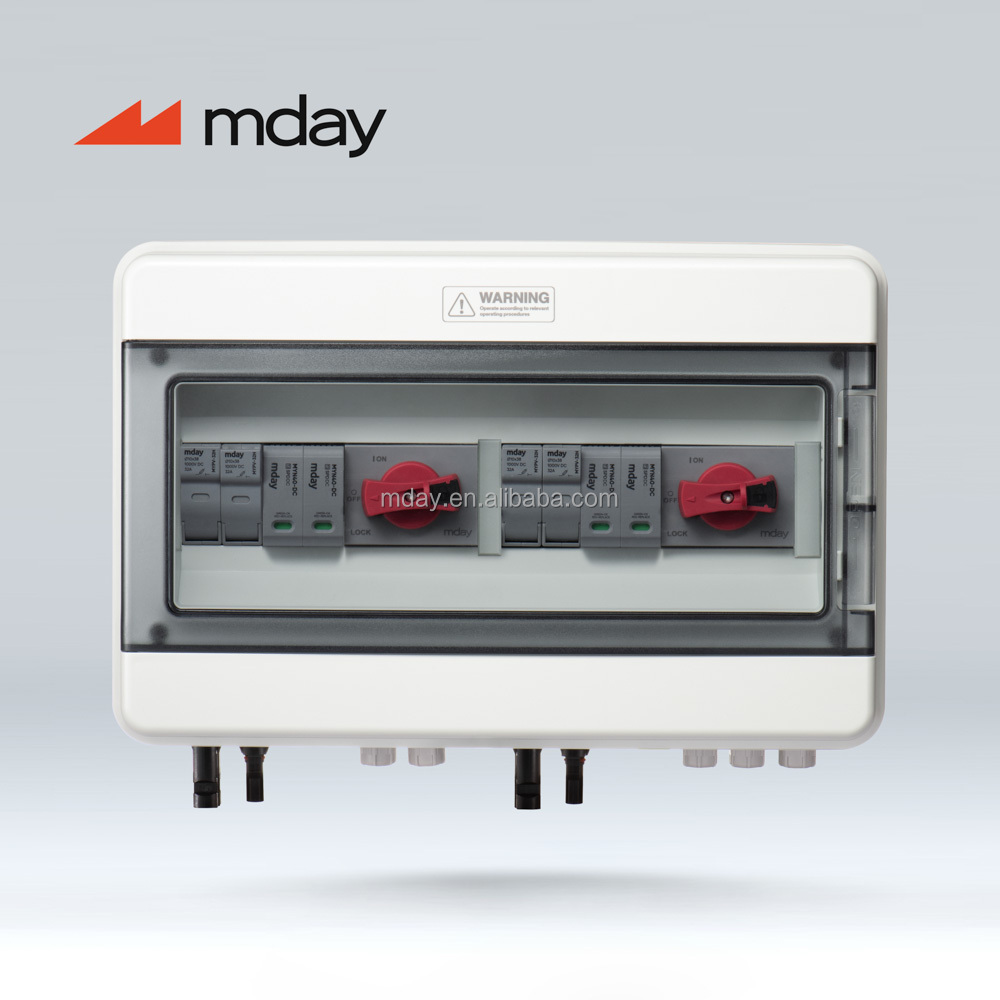
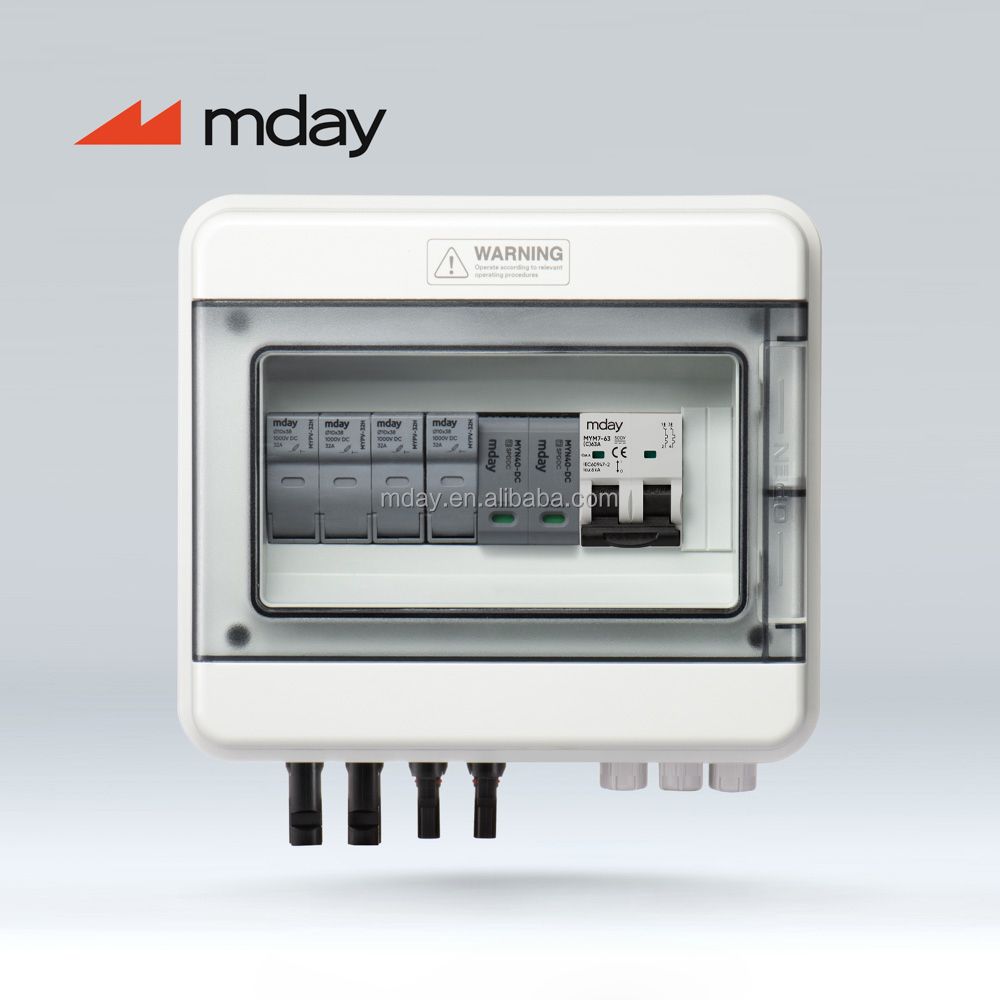
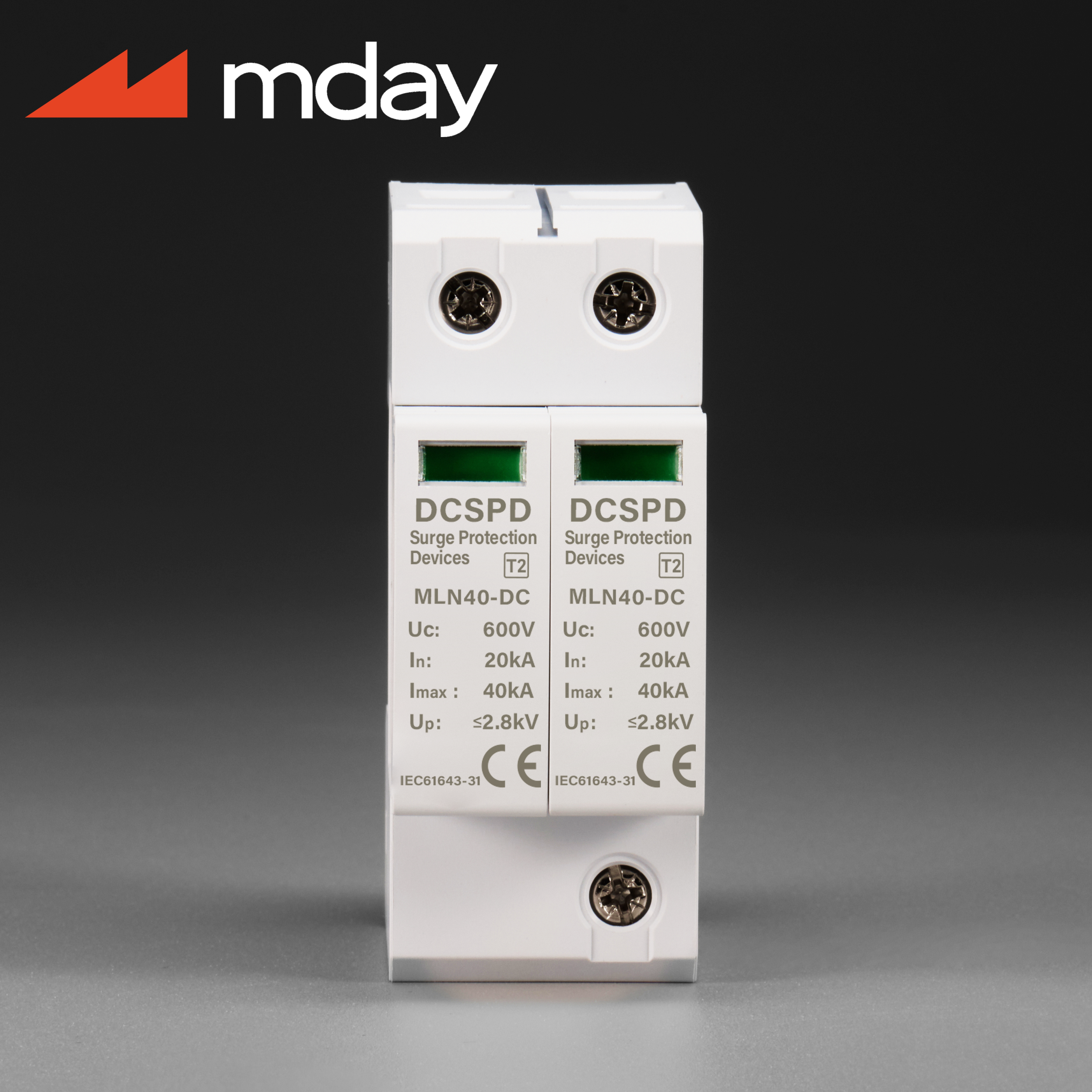
Kyoto’s dense residential zones feature historic Machiya timber structures alongside modern residential solar arrays. Lightning strike risks in the Kyoto basin are exacerbated by humid summer thermal updrafts. Our compact DIN-rail Type 2 DC SPDs (MLN40-DC) and fast-acting 600V/1000V ABS junction boxes provide flame-retardant (UL94-V0) protection without compromising aesthetic roofline space or inverter safety.
Hillside & Agricultural PV Systems (Tamba Mountain Belt)
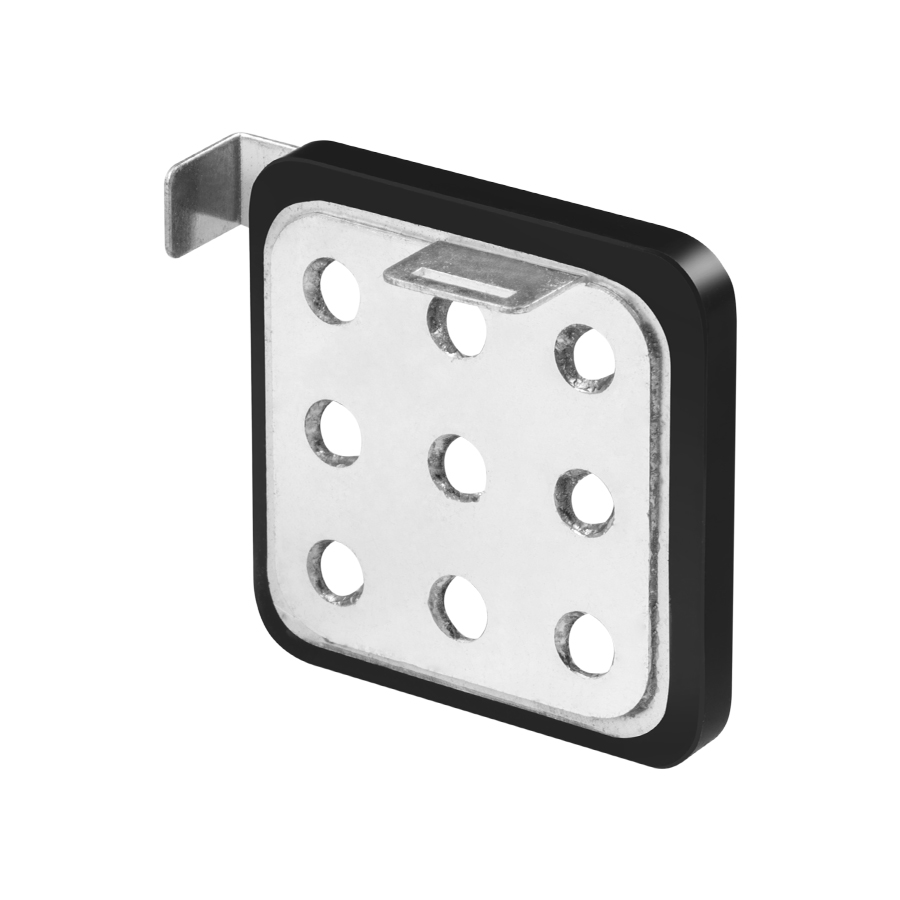
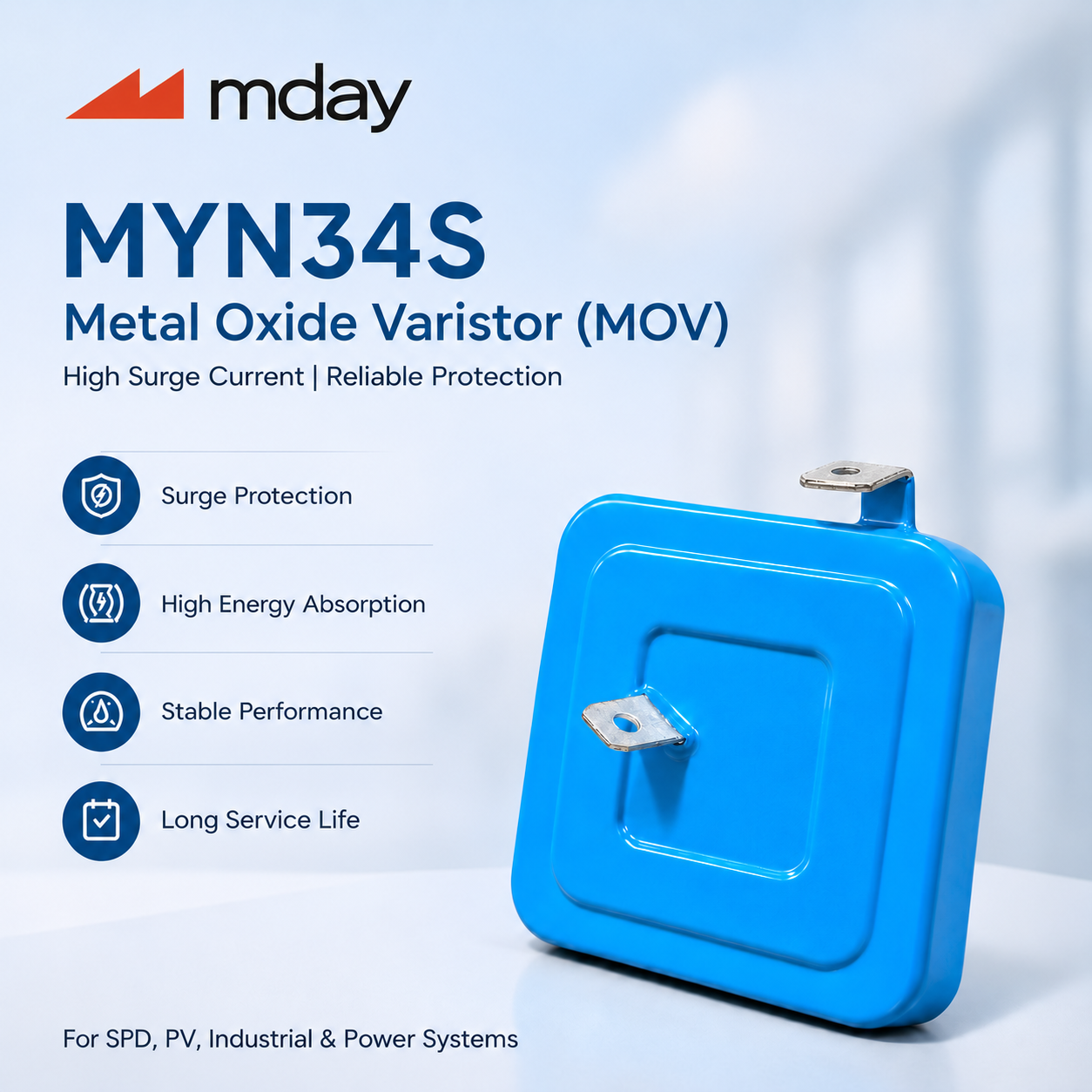
Ground-mounted solar plants and agrivoltaic systems surrounding Kyoto Prefecture's mountainous terrain suffer from elevated ground potential rises during cloud-to-ground strikes. Installing our Heavy-Duty 34mm Metal Oxide Varistors (MOV Strap MYN34S) combined with IP65 18-Way PV Combiner Boxes ensures robust transient surge absorption up to 40kA (8/20μs), mitigating severe overvoltages before reaching sensitive string inverters.
Commercial & Industrial (C&I) Rooftops in Kansai Tech Parks
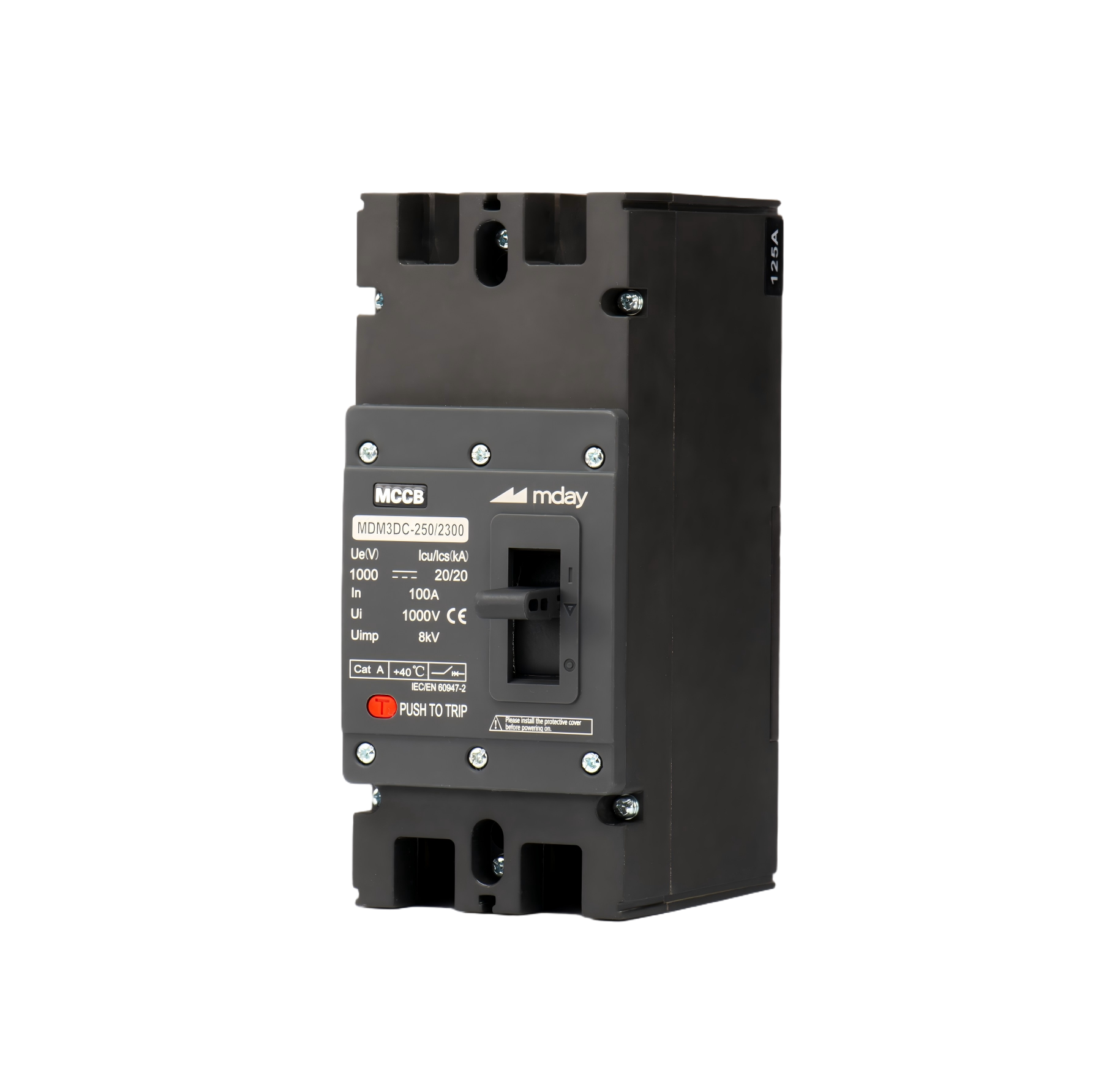
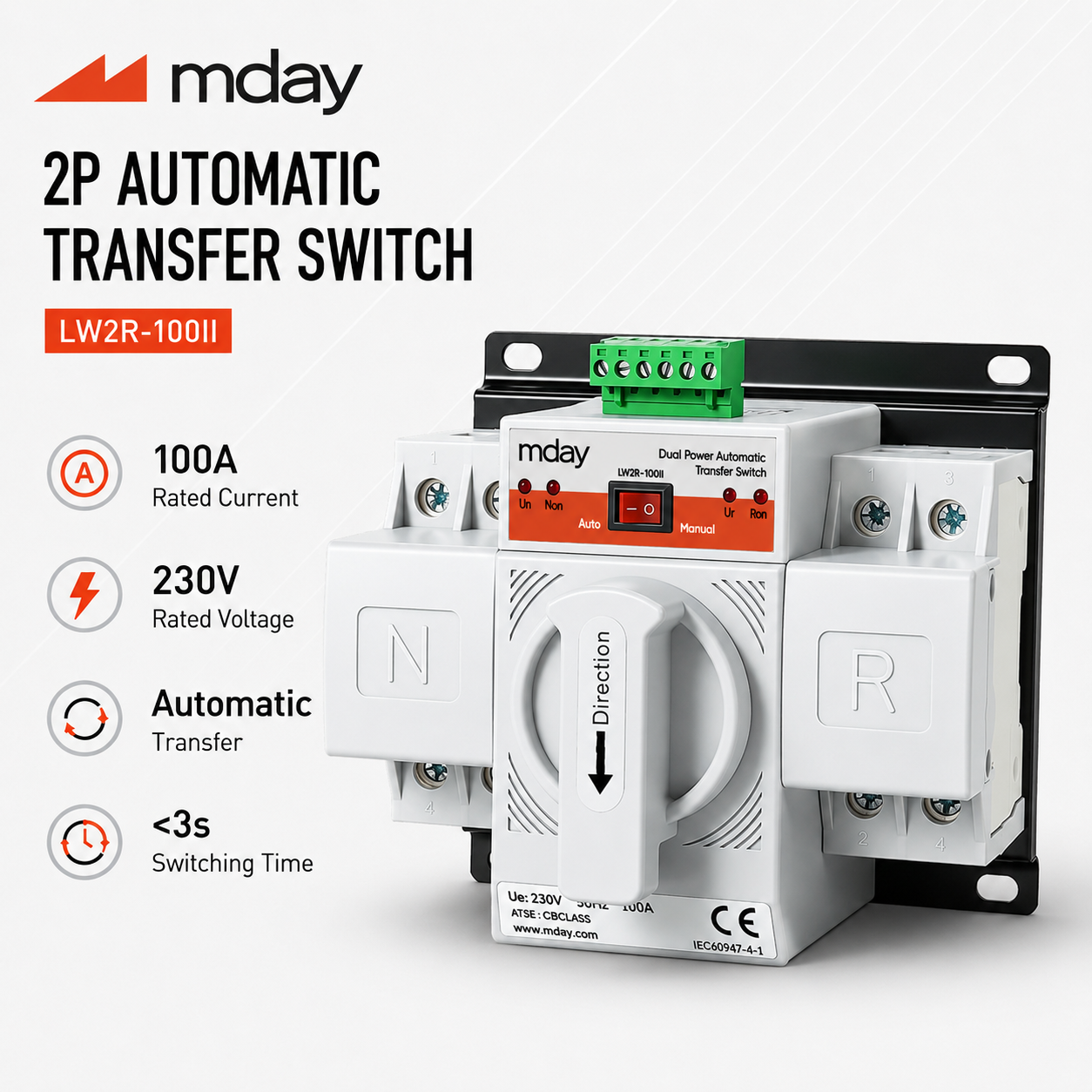
High-capacity C&I solar systems connected to the Kansai Electric Power Co. (KEPCO) 200V/400V grid demand high breaking-capacity DC protection. Our Mday MDM3DC-250 Thermal-Magnetic Trip MCCBs (up to 250A 20kA) and Automatic Transfer Switches (PC Class ATS) deliver rapid short-circuit clearance and reliable dual-power switching during localized grid disturbances or severe lightning incidents.
Market Technical Insights
Kyoto Solar Surge Protection Technical Whitepaper & Trends
An in-depth analysis of regulatory shifts, electrical standards, and hardware selection parameters for Japanese solar projects.
1. Regulatory Compliance & Standards Alignment (JIS C 5381-31 & KEPCO Grid Code)
Solar energy deployment in Japan, particularly across Kansai and Kyoto Prefecture, operates under stringent technological oversight overseen by METI (Ministry of Economy, Trade and Industry) and JET (Japan Electrical Testing Laboratories). The revised JIS C 5381-31 standard specifically governs surge protective devices (SPDs) connected to the DC side of photovoltaic installations. Unlike generic AC surge suppressors, solar DC SPDs must manage high-voltage direct current arcs that do not possess a natural zero-crossing point.
When lightning strikes near a solar array in Kyoto, induced transient currents travel along positive and negative string cables toward the inverter. Ordinary surge suppressors often suffer thermal runaway due to persistent DC arcing post-discharge. Luck New Energy's MLN40-DC Series SPDs incorporate specialized internal thermal disconnectors combined with high-grade 34mm square Metal Oxide Varistors (MYN34S). These components ensure immediate physical disengagement during end-of-life MOV breakdown, preventing fire hazards in compliance with Japanese fire safety codes for commercial and residential roofs.
Technical Information Gain: Solar arrays in Kyoto experience extreme humidity variations between summer rainy seasons (Tsuyu) and winter freezes. Equipment enclosures must maintain IP65 ingress protection while utilizing UV-stabilized polycarbonate or flame-retardant ABS materials (UL94-V0) to prevent tracking currents and enclosure degradation under prolonged outdoor exposure.
2. Technical Parameter Selection Matrix for Kyoto PV Installations
To assist system integrators, electrical engineers, and procurement teams in specifying the correct lightning protection components, the following technical matrix outlines key parameters across solar array configurations:
| System Architecture | Nominal Voltage (Ucpv) | Recommended SPD / Protection | Surge Current (Imax) | Compliance Standards |
|---|---|---|---|---|
| Residential Roof (3kW–10kW) | DC 600V / AC 200V | Mday IP65 2-in-1 Junction Box + MLN40-DC T2 SPD | 20kA - 40kA (8/20μs) | JIS C 5381-31 / CE |
| Commercial Roof (50kW–500kW) | DC 1000V / AC 400V | MY-PV1 1000V 18-Way IP65 Combiner Box + gPV Fuse | 40kA (8/20μs) | IEC 61439-2 / VDE |
| Utility/Ground Mount (>1MW) | DC 1500V | 1500V High Voltage DC Fuse Link + MDM3DC-250 MCCB | Up to 20kA Breaking Capacity | UL 248-19 / IEC 60269-6 |
| BESS / Off-Grid Backup | DC 500V / AC 220V/400V | DIN Rail ATS (PC Class Dual Power) + AC DIN SPD | 10kA - 20kA (8/20μs) | IEC 60947-6-1 |
3. The Role of Zinc Oxide Varistor (MOV) Sintering in Lightning Suppression
At the core of every high-performance surge protective device is the Metal Oxide Varistor (MOV). Luck (Zhejiang) New Energy Co., Ltd. manufactures MYN34S 34mm Square Metal Oxide Varistors using advanced zinc oxide ceramic formulations combined with bismuth, cobalt, and manganese oxides. The microscopic grain boundaries created during high-temperature sintering determine the varistor voltage ($V_{1mA}$) and clamping ratio ($V_c / V_1$).
For Kyoto solar distributors and OEM manufacturers seeking reliable internal surge modules, our strap-type and square MOVs feature exceptionally low leakage current ($<20\mu A$) under rated voltage and an ultra-fast response time of less than 25 nanoseconds. This ensures that lightning-induced overvoltage spikes are clamped safely to levels well below the impulse withstand voltage ($U_w$) of string inverters and monitoring electronics.
Manufacturer Credentials
Why Partner with Luck (Zhejiang) New Energy Co., Ltd.?
A trusted Chinese original equipment manufacturer supplying international solar brand owners, wholesalers, and EPC contractors.
In-House Moulding & Fully Automated Lines
Located in the Yueqing Economic Development Zone (Wenzhou), our modern facility houses automated plastic injection workshops, terminal stamping presses, and three specialized assembly lines ensuring absolute precision and minimal lead times (2–7 days for standard models).
TÜV Rheinland & VDE Certified Quality
Our solar DC SPDs, gPV ceramic fuses, and MOV components hold international certifications including VDE, TÜV, CE, UL 248-19, and IEC 60269-6. Our factory underwent rigorous onsite audit and verification by TÜV Rheinland inspectors.
Comprehensive OEM / ODM Customization
With 7+ years of OEM service experience, we offer private labeling, customized current/voltage ratings, specialized housing colors, pre-wired combiner box assemblies, and tailored bulk packaging according to Japanese client specifications.
100% Finished-Product Quality Inspection
Equipped with 9 specialized testing instruments—including impulse voltage generators, thermal rise testers, and DC breaking capacity analyzers—our dedicated QC team performs 100% routine testing on every outgoing batch.
Frequently Asked Questions
Kyoto Buyer Procurement & Technical FAQ
Addressing key inquiries regarding standards, logistics, customization, and local Japanese grid compatibility.
Are Luck New Energy solar lightning protection devices compliant with Japanese JIS standards?
Yes. Our DC Surge Protective Devices (MLN40-DC series) and gPV solar fuses comply with international IEC 61643-31 and IEC 60269-6 standards, which align with Japanese JIS C 5381-31 guidelines. We provide complete technical datasheets, test reports, and CE/TÜV compliance documentation required for METI grid connection submittals in Kansai.
What is the typical shipping lead time from your Zhejiang factory to Osaka/Kobe ports for Kyoto projects?
Standard protection components (such as DIN-rail SPDs, MOV elements, and standard DC MCBs) are maintained in inventory and ready to ship within 2 to 7 days. Sea freight from Ningbo or Shanghai port to Kobe/Osaka typically takes 3 to 5 days, ensuring fast turnaround times for urgent project deadlines in Kyoto.
Can you supply custom pre-wired IP65 PV Combiner Boxes matching localized string layout drawings?
Absolutely. We specialize in custom pre-wired combiner box manufacturing—from compact 2-in-1-out (600V) enclosures to large 18-way (1000V/1500V) units. Simply provide your electrical schematic (BOM) and terminal wire gauge preferences, and our engineering team will produce factory-tested combiner boxes featuring integrated DC fuses, isolators, and SPDs.
How do your MOV components withstand Kyoto's high summer humidity and temperature shifts?
Our MYN34S square and strap-type MOV components undergo high-density epoxy encapsulation and thermal aging tests. The ceramic formulation resists humidity-induced breakdown, maintaining consistent clamping voltages ($V_{1mA}$) across operating temperatures from -40°C up to +85°C.
What are the Minimum Order Quantities (MOQ) and sample evaluation policies for OEM buyers?
We support growing distributors and panel builders by offering low MOQs starting at 5 to 50 units depending on the product model. Sample orders for laboratory testing and customer evaluation are dispatched within 48 hours upon request.
Which payment terms do you accept for Japanese export orders?
We accept flexible international trade payment terms including T/T (Telegraphic Transfer), L/C (Letter of Credit at sight), D/P, Western Union, and PayPal for sample orders.
Request Factory-Direct Quotation & Technical Datasheets
Connect directly with our senior application engineers to obtain competitive wholesale pricing, sample units, and custom lightning protection solutions for the Kyoto solar market.
