High-Performance Switchgear & Circuit Protection for Brazilian Networks
Explore our TÜV and VDE-certified transfer switch accessories, Moulded Case Circuit Breakers (MCCB), Surge Protection Devices (SPD), and solar DC components tailored for OEM panel builders and power exporters in South America.
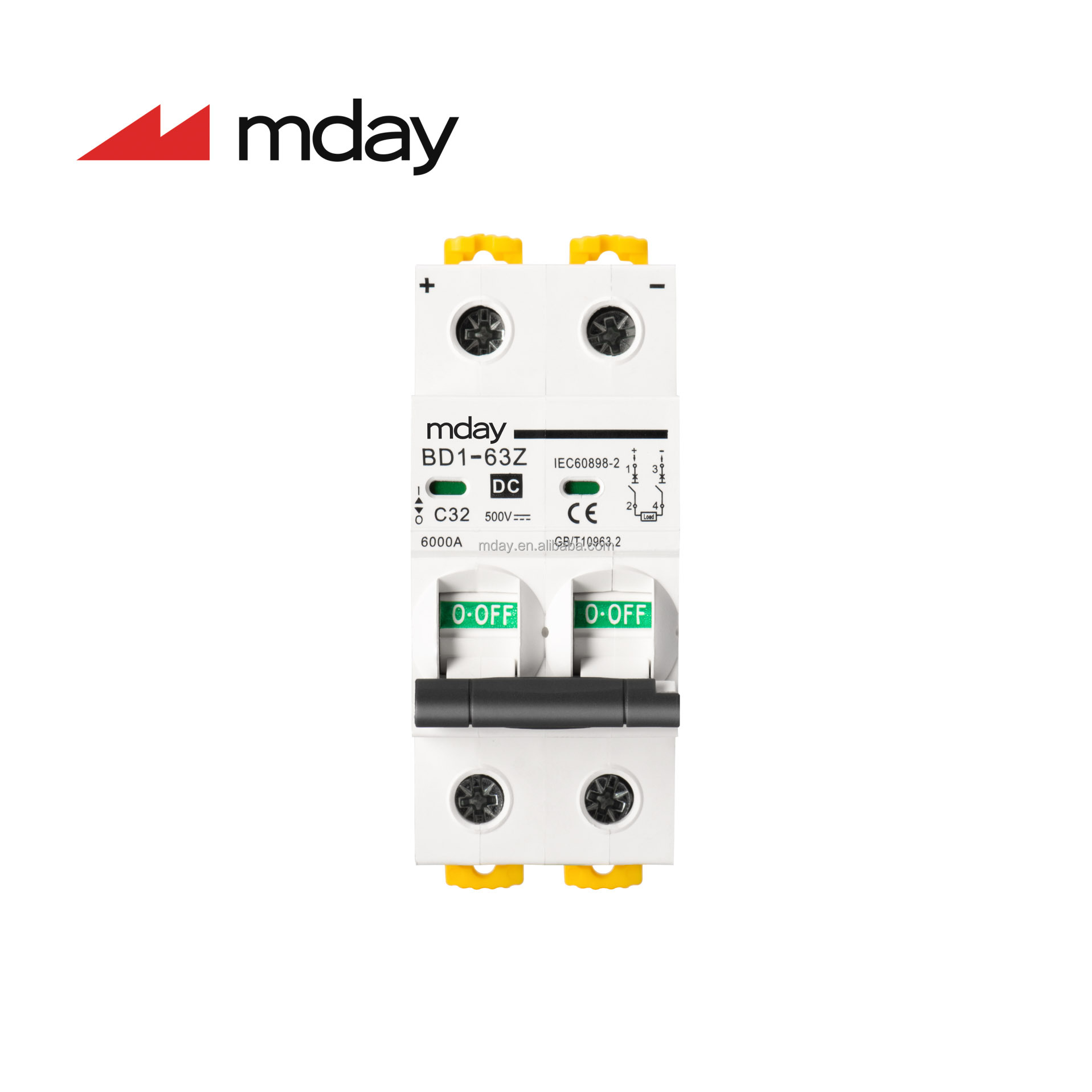
- Rated Voltage: 250V - 1000V DC
- Breaking Capacity: 6kA
- Mounting: 35mm DIN Rail
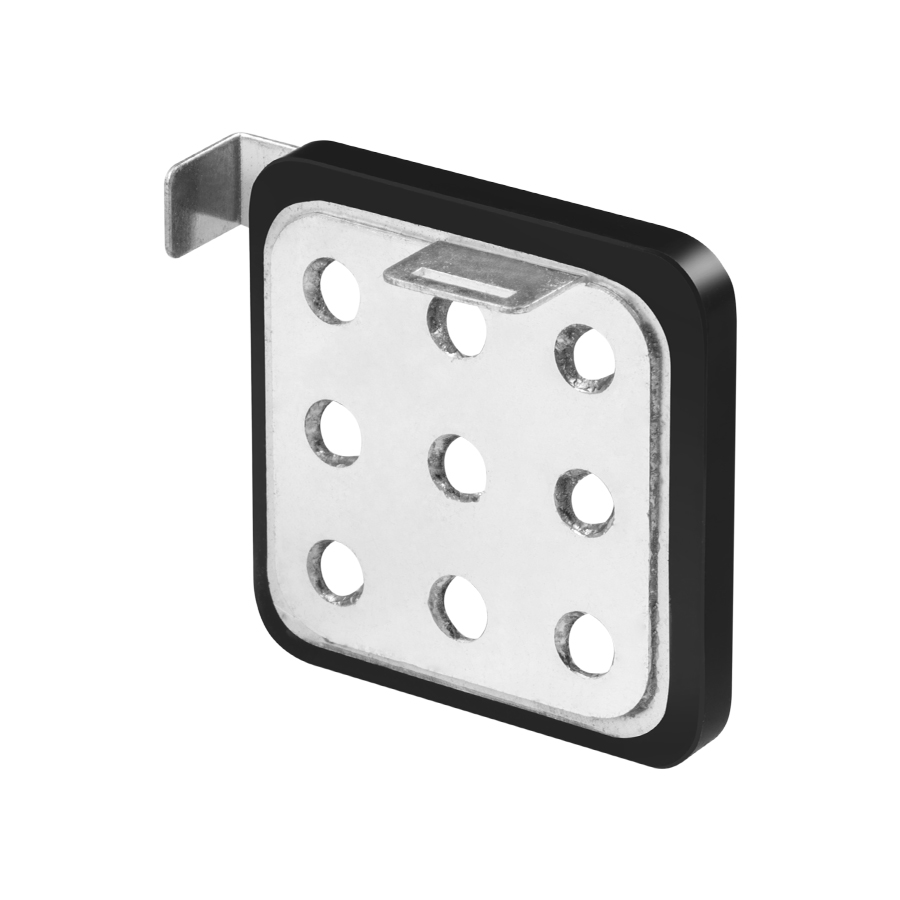
- Component Size: 34mm Square
- Surge Withstand: 40kA (8/20μs)
- Standard: TÜV Certified
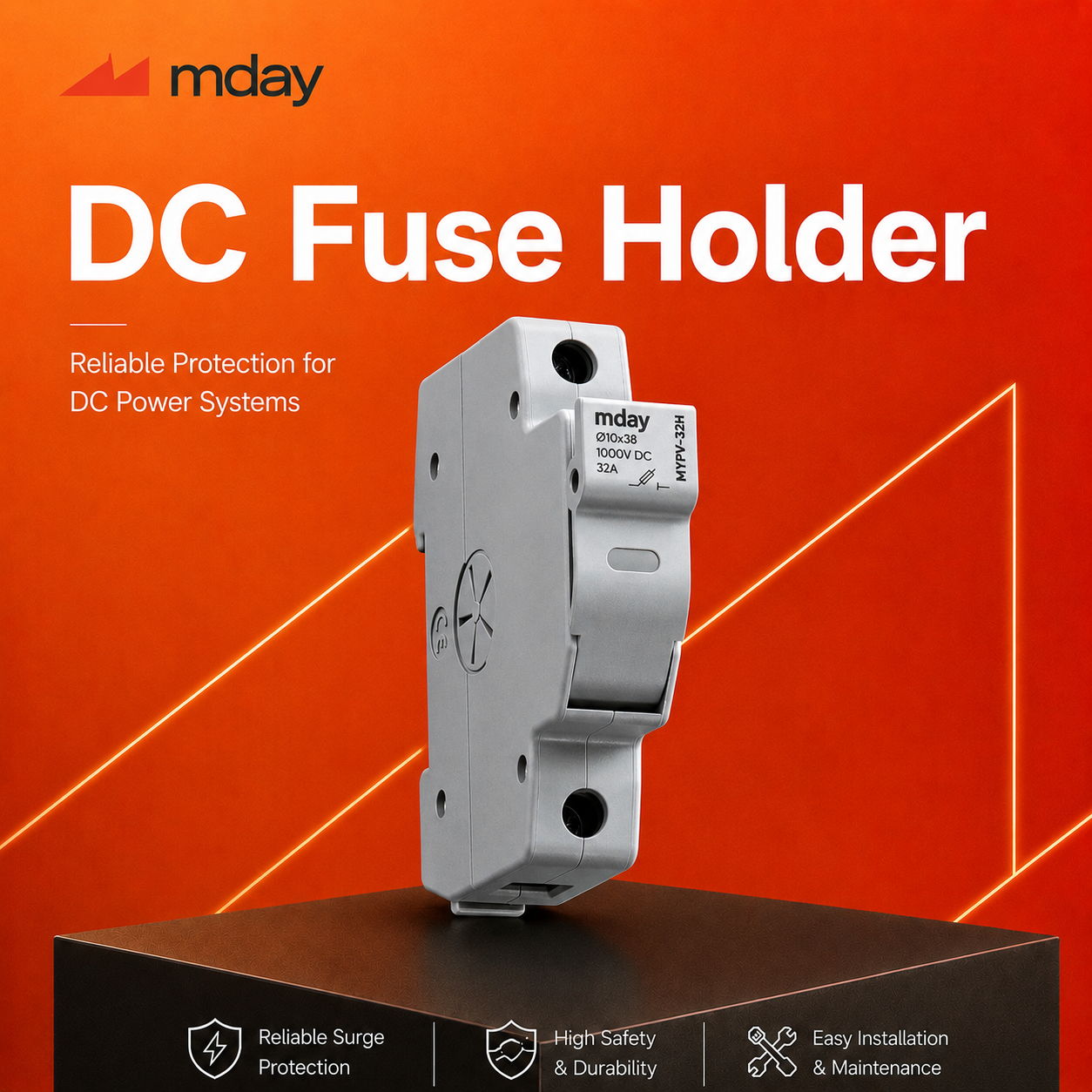
- Max Voltage: 1000V DC
- Current Rating: 32A (10x38mm)
- Breaking Capacity: 20kA
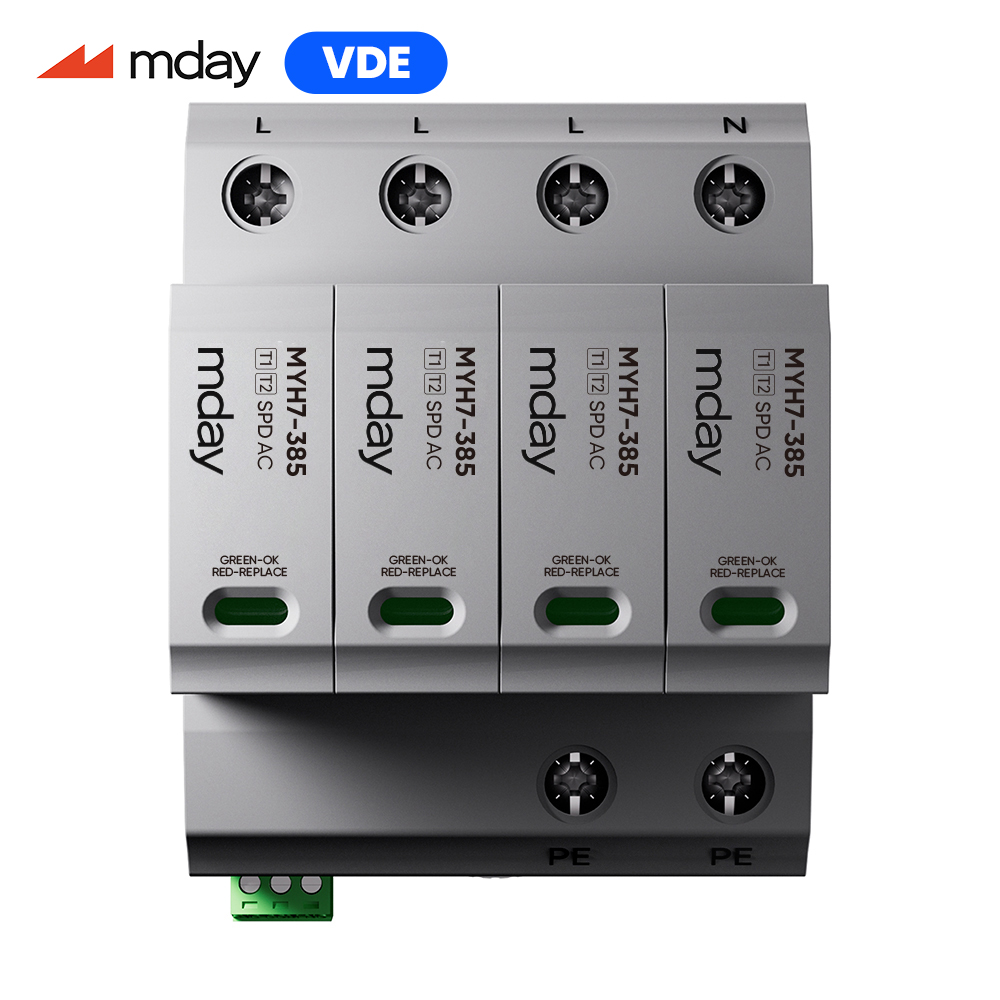
- Class Category: Class I+II / T1+T2
- Operating Voltage: 385V AC (4P)
- Impulse Current: 7kA Iimp / 40kA Imax
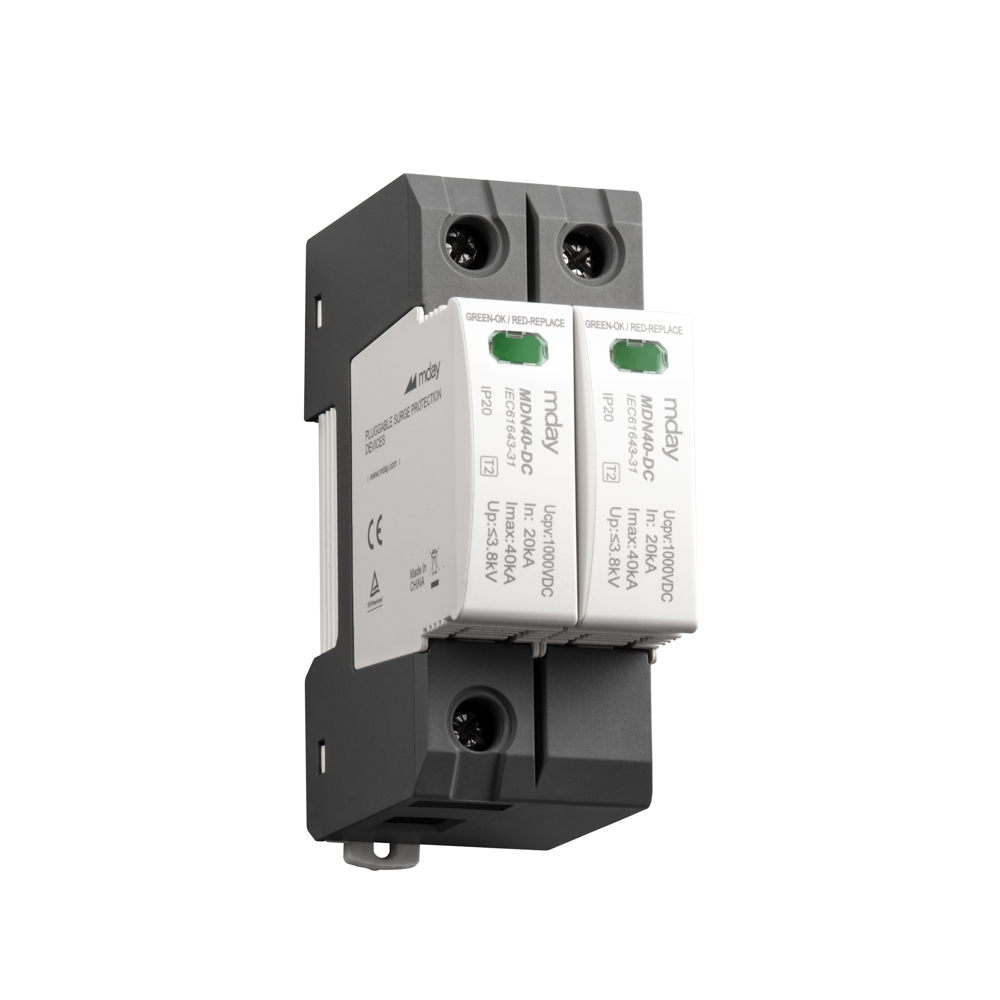
- PV System Volts: 1000V DC
- Max Discharge: 40kA
- Protection Level: Up ≤ 3.8kV
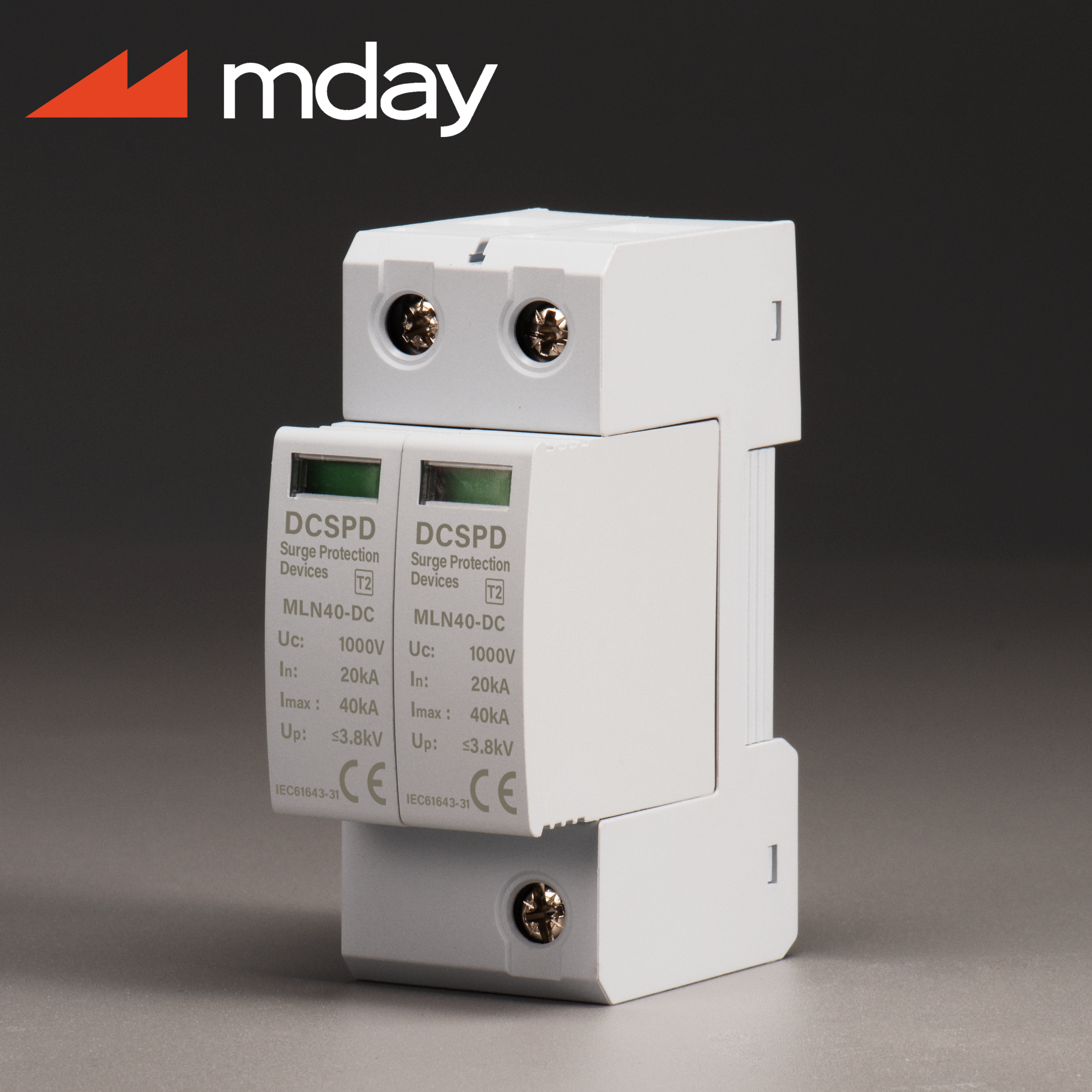
- Status Indication: Visual Window LED
- Nominal Current: 20kA In / 40kA Imax
- Format: Modular Plug-in
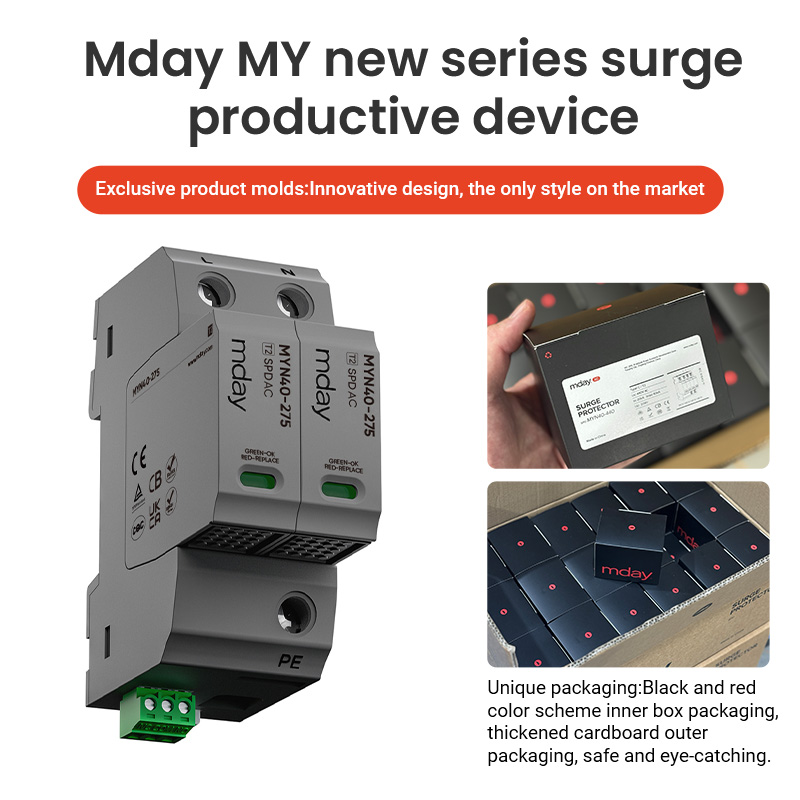
- Poles: 3 Phase (3P)
- Max Continuous: 440V AC
- Certification: VDE / CE Approved
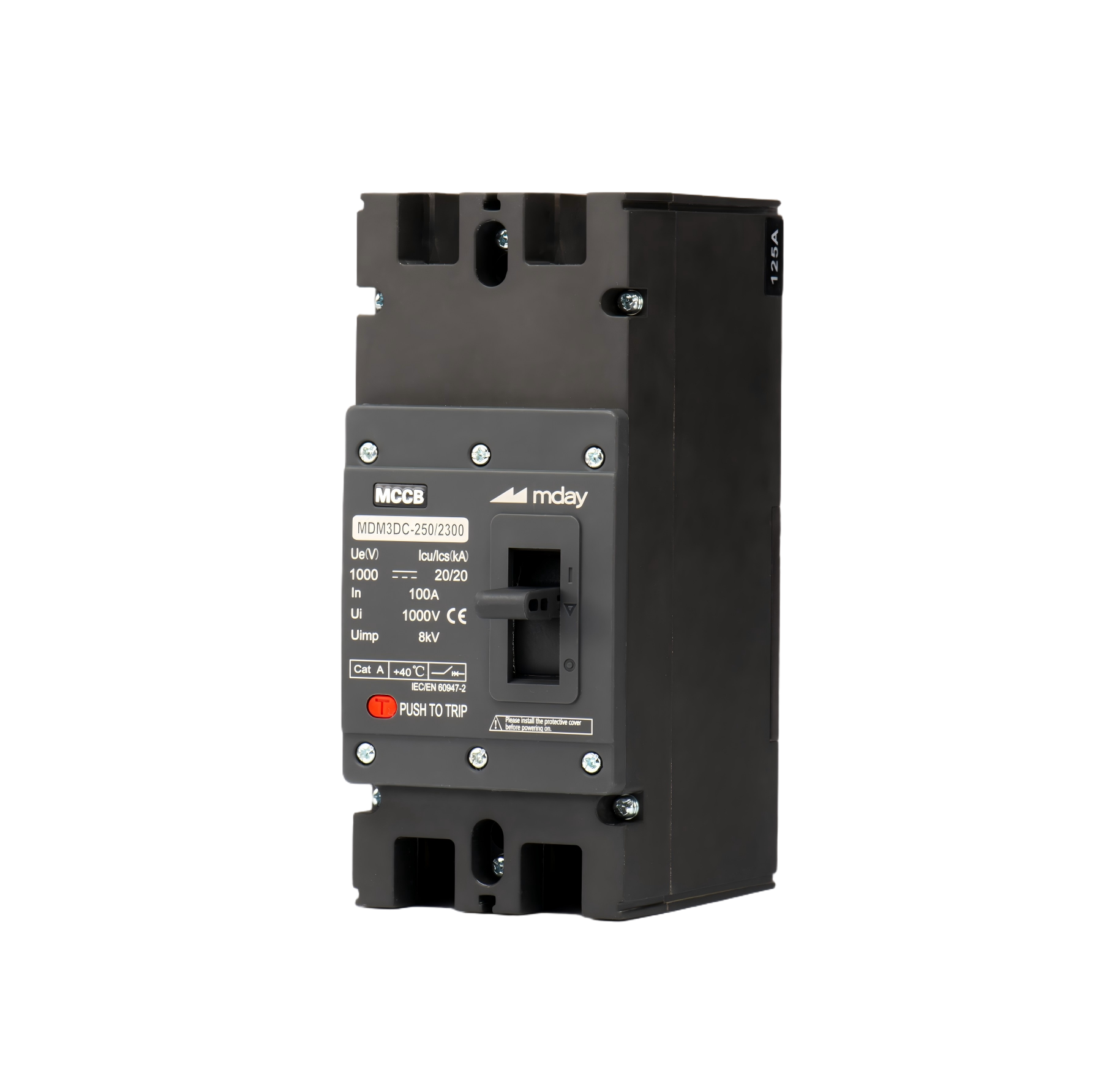
- Ampere Rating: 250A Frame
- Short Circuit: 20kA Breaking Capacity
- Protection Type: Thermal-Magnetic Trip
Three-Phase Automatic Transfer Switch (ATS) Engineering for the Brazilian Power Grid
Operating low-voltage electrical distribution infrastructure in Brazil presents a unique set of engineering challenges for panel builders, electrical engineers, and power system integrators. Unlike standardized single-voltage grid topologies seen in North America or Western Europe, Brazil’s electrical landscape is fragmented across multiple nominal voltage structures, distinct earthing arrangements (such as TN-S, TN-C-S, and TT networks), and intense atmospheric lightning activities. Selecting and importing a Three Phase Transfer Switch requires rigorous evaluation of switching mechanisms, transfer speeds, arc quenching capabilities, and compliance with local ABNT (Associação Brasileira de Normas Técnicas) and international IEC standards.
1. Grid Topology & Dual Voltage Dynamics in Brazil (127V/220V vs. 220V/380V)
Distributors and OEM switchboard manufacturers importing three-phase transfer switches into Brazil must account for regional voltage variations. In major metropolitan areas like São Paulo, Rio de Janeiro, and Minas Gerais, low-voltage distribution by utilities such as Enel, Light, and CEMIG often operates on a 127V / 220V 3-Phase 4-Wire star system. Conversely, in the Northeastern regions, parts of the South, and heavy industrial parks, the standardized network operates at 220V / 380V 3-Phase. Furthermore, heavy industrial sites in states like Mato Grosso and Paraná utilize 440V or 480V delta configurations.
A reliable Automatic Transfer Switch (ATS) must feature wide-range voltage sensing controllers (typically spanning 80% to 125% of nominal voltage) capable of accurately detecting phase loss, phase sequence reversal, under-voltage, and over-voltage across both 220V line-to-line and 380V line-to-line systems. Incorporating robust mechanical interlocks alongside double-break contact systems prevents dangerous cross-phasing between the primary utility grid (Concessionária) and secondary backup power sources (Diesel Generator Sets or Solar Hybrid Inverters).
Engineering Note: Neutral Pole Switching under ABNT NBR 5410 & NBR IEC 60947-6-1
Under Brazilian low-voltage electrical installation code (ABNT NBR 5410), the neutral conductor must be switched when transferring power between two distinct grounding systems (e.g., utility mains with a TT configuration and a generator with a local TN-S earth pit). Utilizing a 4-Pole (4P) Three-Phase Transfer Switch ensures complete electrical isolation, preventing stray earth currents and accidental tripping of Residual Current Devices (RCDs/DRs).
2. Switching Architecture: PC Class vs. CB Class Transfer Switches
When engineering transfer switchgear for export to Brazil, choosing between PC Class (Power Component) and CB Class (Circuit Breaker) switches determines operational longevity and system selectivity:
| Parameters & Features | PC Class Transfer Switch | CB Class Transfer Switch |
|---|---|---|
| Core Mechanism | Double-throw electromagnetic/motorized contactor design; high withstand capability. | Integrated Moulded Case Circuit Breakers (MCCB) with motorized drive links. |
| Overload & Short-Circuit Protection | Requires external upstream fuses or MCCBs for overcurrent protection. | Built-in thermal-magnetic or electronic trip units inside the transfer mechanism. |
| Rated Short-Circuit Withstand ($I_{cw}$) | Extremely High (Up to 25kA - 50kA for 0.1s); resists welding under fault currents. | Limited to the breaking capacity ($I_{cu}$) of the internal breaker frames. |
| Utilization Category (IEC 60947-6-1) | AC-33A / AC-33iB (Frequent or infrequent switching of motor & inductive loads). | AC-31A / AC-31B (Non-inductive or slightly inductive loads). |
| Typical Application in Brazil | Critical infrastructure, hospital emergency panels, large industrial plants. | Commercial buildings, light industrial ATS panels, telecom sites. |
3. Atmospheric Lightning Densities & Integrated Surge Protection (SPD)
Brazil experiences some of the highest lightning strike densities in the world, particularly during the summer rainy season in South-Central Brazil. Atmospheric discharges induce destructive transient overvoltages onto overhead utility feeder lines. A three-phase transfer switch deployed in Brazil must be shielded by Type 1+2 (T1+T2) or Type 2 (T2) AC Surge Protective Devices (SPDs). Utilizing 34mm square Metal Oxide Varistors (MOVs) with high impulse current ratings ($I_{imp} \ge 7\text{kA}$ or $I_{max} \ge 40\text{kA}$) on both the mains feeder side and the load terminals prevents catastrophic insulation breakdown within the transfer switch mechanism.
Localized Application Scenarios Across Brazil’s Industrial Sectors
Our three-phase dual-power transfer switches and circuit protection components are engineered to perform under Brazil’s harsh ambient temperatures, high humidity, and unconditioned electrical environments.
Agro-Industrial Processing in Mato Grosso & Paraná
In Brazil's agricultural heartland, grain silos, cold storage facilities, and meat processing plants rely on continuous 3-Phase 380V power. Mains power interruptions can spoil millions of Reais in commodities. Our PC Class 4P ATS units seamlessly switch from grid power to heavy-duty diesel generators within less than 100 milliseconds, featuring high motor-load switching withstand capacity (AC-33A) designed to handle intense inrush currents from giant grain dryer blowers.
Solar Microgrids & Energy Storage in the Sertão / Bahia
With Brazil's solar boom driven by ANEEL regulations, commercial microgrids in the Northeast integrate utility grid power with high-voltage solar array storage. Our transfer switches paired with 1000V/1500V DC Moulded Case Circuit Breakers (MCCB) and DC SPDs automatically isolate the grid during blackout events, creating an islanded solar-plus-storage microgrid that keeps remote commercial centers continuously powered.
Healthcare & Critical Infrastructure in São Paulo Metro
Brazilian health agency ANVISA (RDC 50 standard) mandates stringent emergency power transfer protocols for hospitals and surgical centers. Our automatic transfer switches feature dual-coil motorized fast switching, mechanical safety interlocks, and RS485 Modbus telemetry, giving facility engineers real-time visibility over phase voltages, frequency stability, and transfer event logs via central SCADA systems.
Macro Trends Driving Demand for Transfer Switches in Brazil
Key economic, regulatory, and environmental drivers shaping the procurement of power switching equipment among Brazilian importers and panel manufacturers.
1. Utility Grid Vulnerabilities & Climate Events
Severe weather events and droughts affecting Brazil’s hydroelectric capacity have caused frequent localized blackouts and power quality fluctuations. Commercial complexes, supermarkets, and industrial plants across São Paulo, Minas Gerais, and Rio Grande do Sul are rapidly upgrading manual transfer switches to fully automated ATS configurations to protect operational continuity.
2. Surge in Local CKD / OEM Panel Assembly
Due to high import duties (Imposto de Importação) on fully finished turnkey cabinets, Brazilian panel builders (Montadores de Painéis) prefer importing high-quality, IEC-compliant transfer switch components, DIN-rail breakers, and SPDs directly from Chinese manufacturers. They assemble custom ATS boards locally to optimize tax efficiency while meeting ABNT NBR IEC standards.
Why Leading Brazilian Exporters & Distributors Partner With Us
Luck (Zhejiang) New Energy Co., Ltd. delivers factory-direct switchgear, protection components, and custom OEM/ODM solutions tailored for global energy markets.
TÜV Rheinland Onsite Verified
Our manufacturing plant in the Yueqing Economic Development Zone has been audited onsite by TÜV Rheinland. We maintain rigorous ISO9001 management protocols across all production phases.
In-House Moulding & Testing
Equipped with 9 advanced in-house testing instruments and automatic injection moulding workshops, every unit undergoes 100% electrical, dielectric, and temperature-rise verification.
Full OEM / ODM Customization
Backed by 12+ years of expertise and 7 years of dedicated OEM service, we provide custom current ratings, private labeling, custom enclosure colors, and pre-wired ATS/combiner assemblies.
Frequently Asked Questions by Brazilian Importers & Engineers
Get immediate clarity on compliance, logistics, customs clearance, and technical specs when sourcing three-phase transfer switches from China to Brazil.
Request Your Technical Catalog & B2B Wholesale Quote for Brazil
Whether you are an electrical distributor in Santos, an EPC solar integrator in Belo Horizonte, or an OEM panel builder in Caxias do Sul, our engineering team is ready to assist with single-line diagrams, samples, and factory-direct pricing.
