Featured High-Voltage Protection Components & Modules
Explore our TÜV-verified and VDE-certified range of Metal Oxide Varistors, DC/AC Surge Protective Devices, and Solar PV circuit protection hardware.
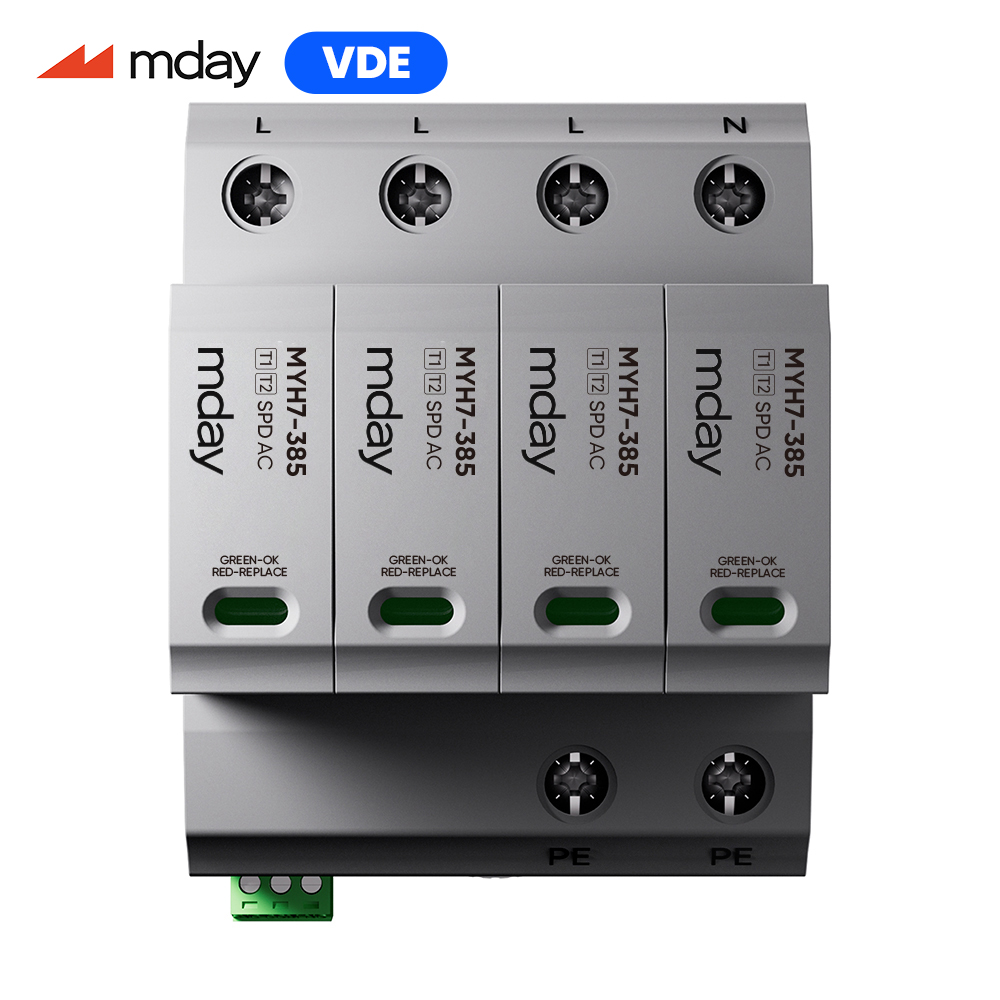
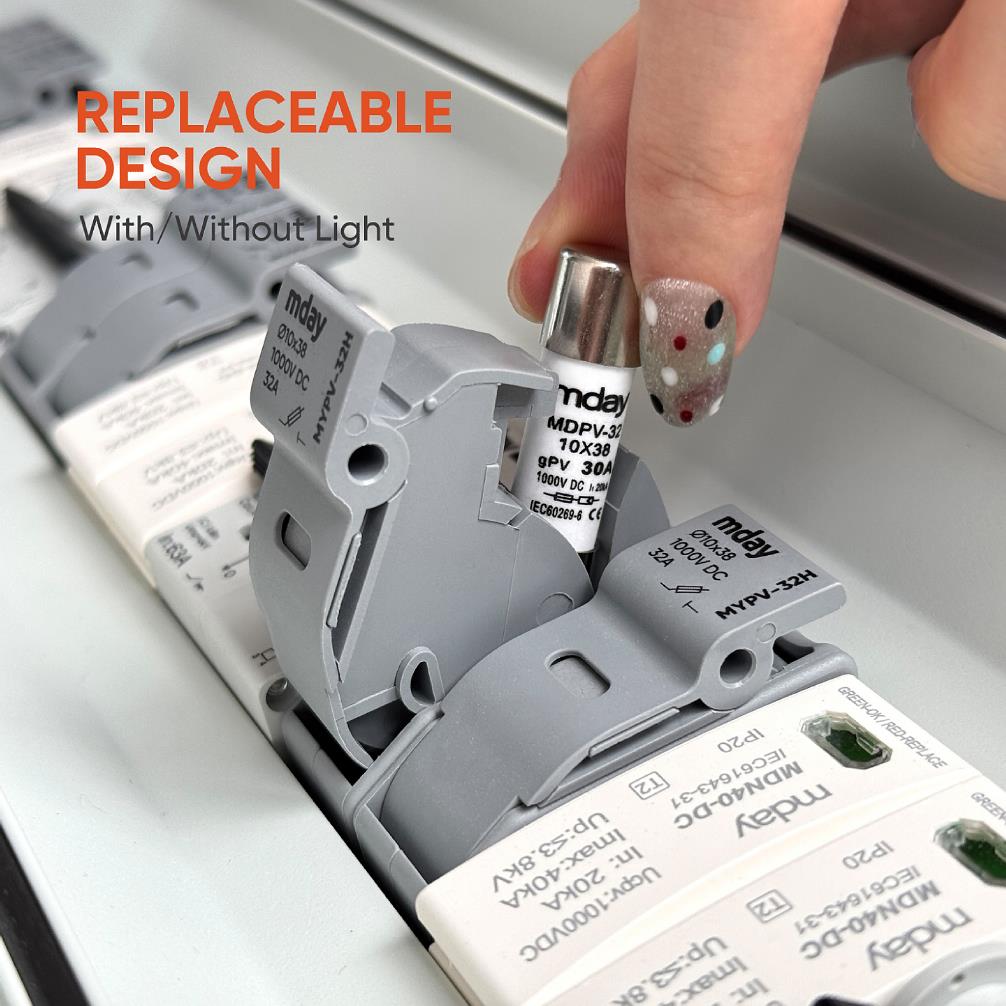
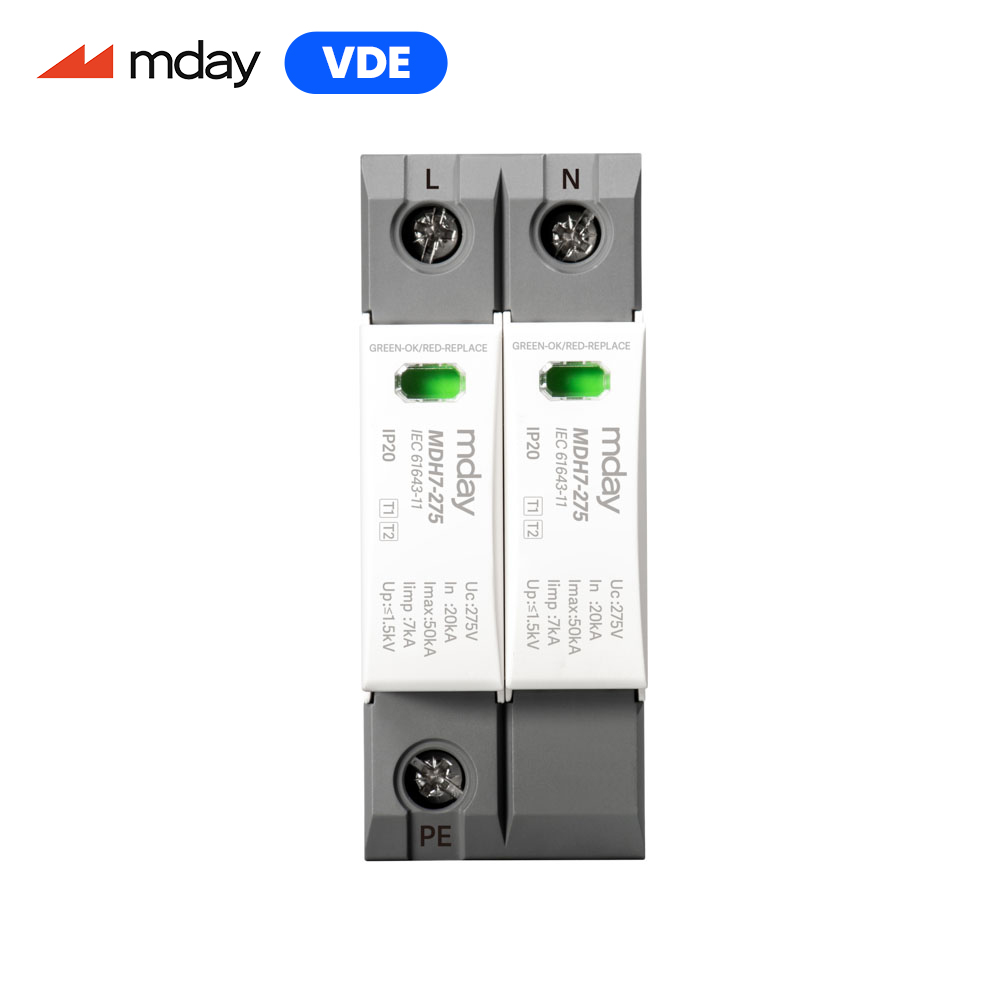
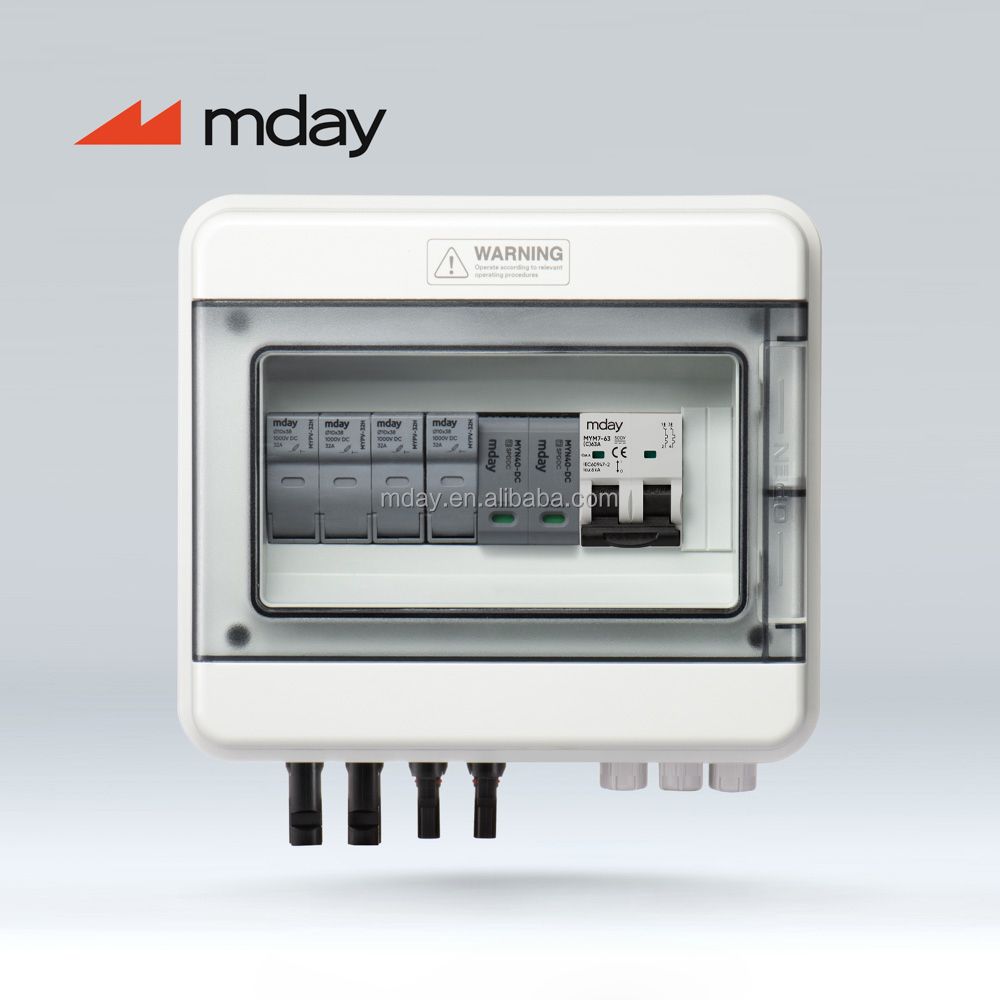
1. Metallurgical & Physical Foundations of High Voltage Metal Oxide Varistors (MOV)
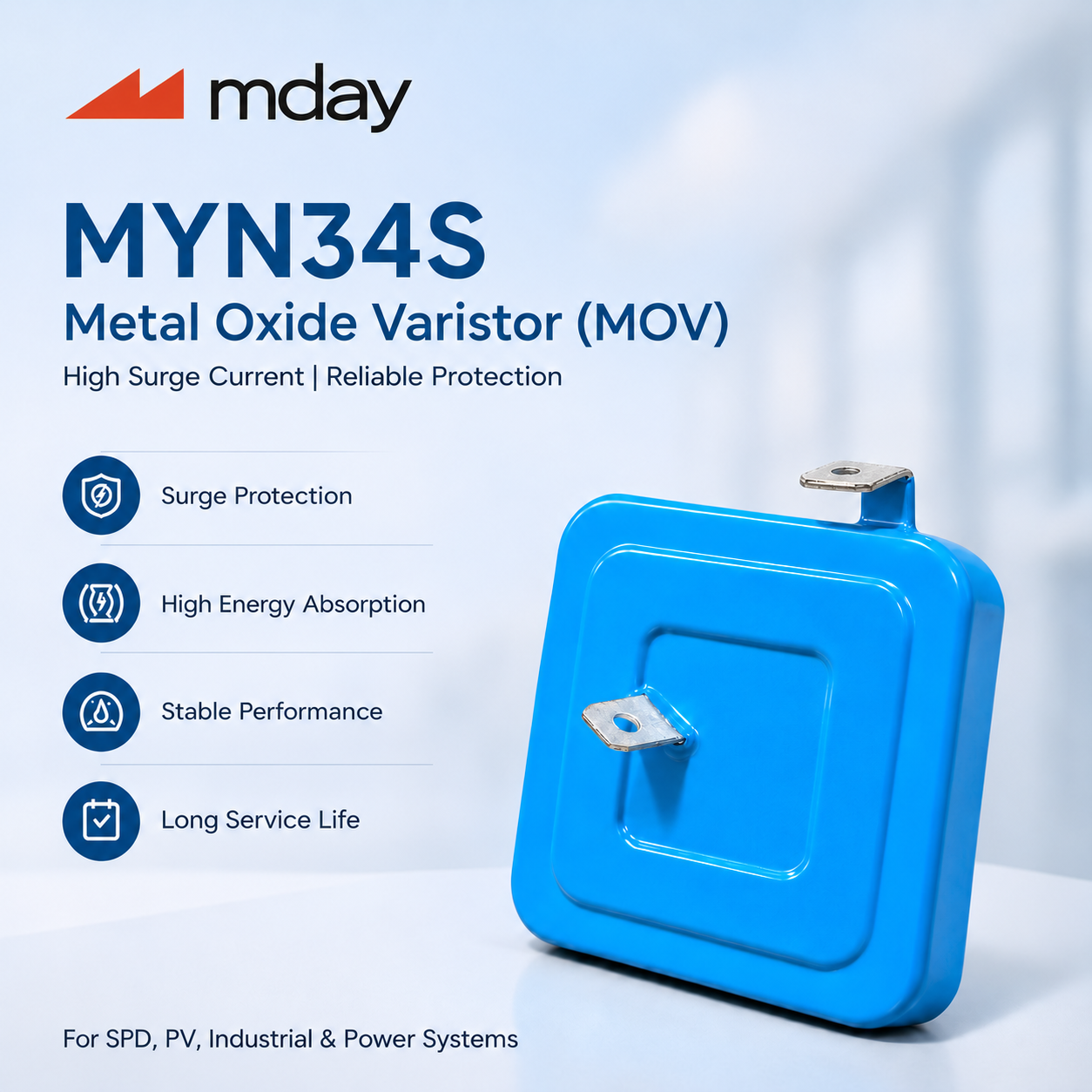
A High Voltage Metal Oxide Varistor (MOV) is a voltage-dependent, non-linear resistor composed predominantly of Zinc Oxide (ZnO) grains sintered alongside trace metal oxide additives such as Bismuth (Bi₂O₃), Antimony (Sb₂O₃), Chromium (Cr₂O₃), Manganese (MnO), and Cobalt (Co₃O₄). In modern electrical infrastructure, commercial power distribution, and renewable photovoltaic (PV) generation, high-voltage varistors serve as the primary line of defense against atmospheric lightning discharges, switching transients, and electromagnetic pulses (EMP).
The microstructural architecture of a high-performance MOV disc or square block resembles a complex matrix of conductive ZnO grains separated by highly resistive intergranular boundary layers. Under nominal operational voltages, these boundary layers present an extremely high electrical resistance, resulting in negligible continuous leakage current ($I_{c} < 20\mu A$). However, when an overvoltage transient exceeds the characteristic breakdown threshold ($V_{1mA}$), the Schottky-like potential barriers collapse via avalanche breakdown, dropping the internal impedance to milliohms in less than 25 nanoseconds.
I = k · Vα
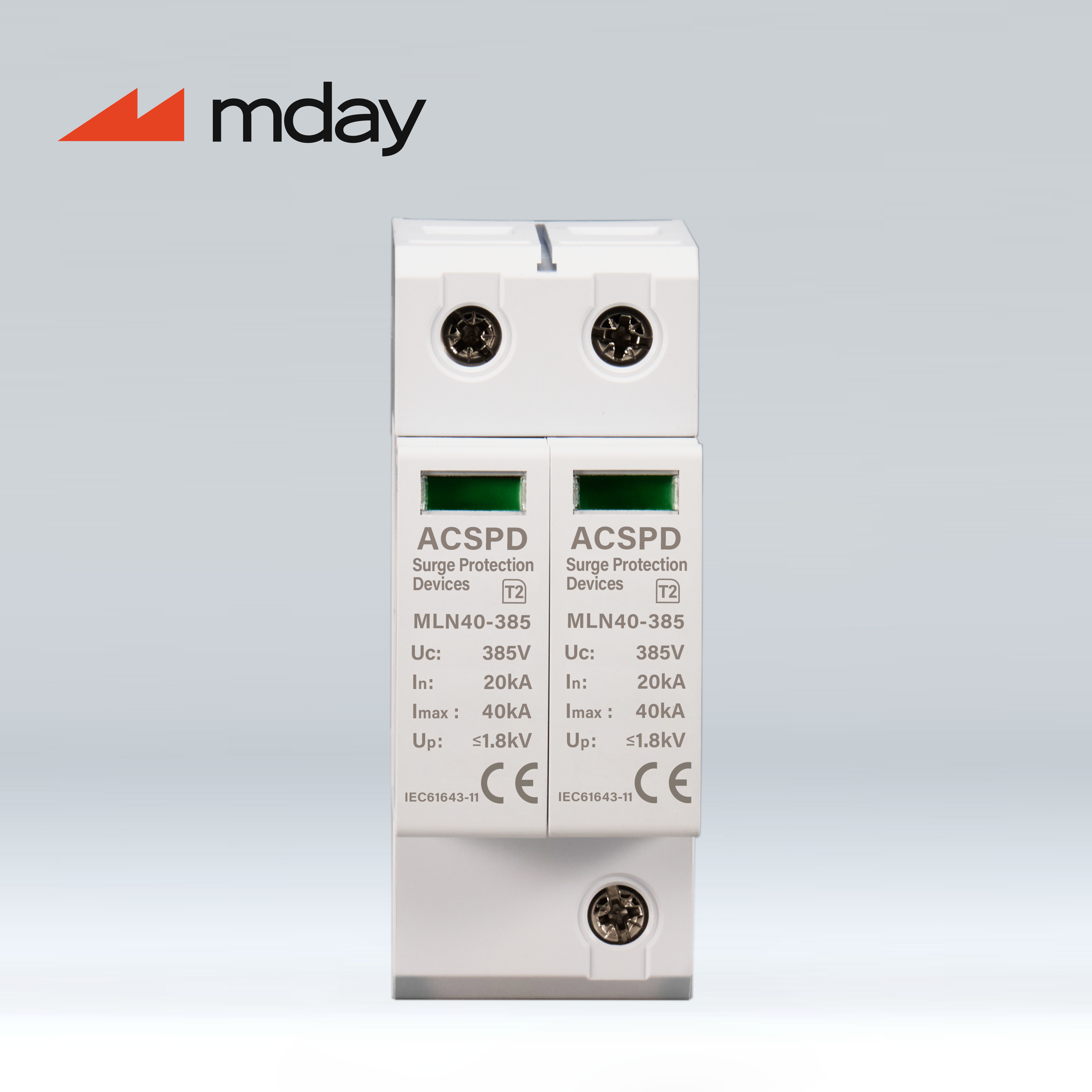
Where α (Alpha) represents the non-linearity coefficient. Advanced high-voltage varistors manufactured by industry-leading foundries achieve an alpha coefficient between 30 and 50, ensuring ultra-flat clamping voltage ratios ($V_c / V_n$) under extreme surge current magnitudes up to 40kA (8/20μs pulse waveform).
Selecting high-voltage varistors for heavy-duty industrial applications requires rigorous evaluation of thermal dissipation, grain boundary uniformity, and impulse energy density handling ($J/cm^3$). Inadequate grain sintering leads to localized current tunneling (filamentation), causing catastrophic mechanical cracking or thermal runaway when subjected to repetitive multi-strike lightning events.
2. Engineering Benchmark Matrix: Disc vs. Square Block Varistor Components
Global procurement teams and electrical design engineers must specify varistor geometry based on mechanical constraints, nominal system voltages, and required discharge capacities. Below is a comparative technical specification matrix detailing industry-standard high-voltage varistor geometries utilized in surge protective devices (SPD), energy storage systems (BESS), and industrial motor drives.
| Varistor Geometry / Series | Varistor Voltage Range (V1mA) | Max Continuous AC/DC (Vrms / Vdc) | Nominal Discharge Current (In 8/20μs) | Max Discharge Current (Imax 8/20μs) | Energy Rating (2ms Rectangular) | Primary Application Target |
|---|---|---|---|---|---|---|
| 34mm Square MOV (MYN34S) | 200V – 1200V | 130V/170V – 750V/1000V | 20 kA | 40 kA – 50 kA | 320 J – 1050 J | Type 1+2 / Type 2 Din-Rail SPDs, Solar PV Inverters |
| 20mm Disc Ceramic MOV | 82V – 1800V | 50V/65V – 1000V/1460V | 5 kA – 10 kA | 10 kA – 15 kA | 90 J – 480 J | Consumer Electronics, Industrial Power Supplies |
| Encapsulated Heavy Duty Block | 360V – 1800V | 230V/300V – 1100V/1400V | 40 kA | 80 kA – 100 kA | 1200 J – 3500 J | Utility Substation Panels, Rail Traction Protection |
| Thermal Disconnect MOV (TMOV) | 150V – 750V | 110V/145V – 480V/640V | 15 kA – 25 kA | 30 kA – 50 kA | 250 J – 850 J | Integrated Modular SPDs, Smart Grid Monitoring |
3. Global Procurement Trends & Industrial Evolution (2025–2030)
The global high-voltage varistor market is undergoing a significant structural shift driven by the rapid expansion of 1500V DC utility solar arrays, multi-megawatt Battery Energy Storage Systems (BESS), and high-power Electric Vehicle Ultra-Fast Charging networks. Key trends dominating strategic B2B procurement include:
Transition to 1500V DC Architecture
Utility-scale PV solar installations have transitioned from legacy 1000V DC to 1500V DC architectures to decrease balance-of-system (BOS) cabling costs. This demands varistors engineered for higher continuous operating voltages ($U_{cpv} \ge 1500V$) with enhanced dielectric creepage distances.
Thermally Protected MOVs (TPMOV)
To eliminate fire hazards associated with end-of-life varistor degradation, procurement specs increasingly mandate integrated low-temperature thermal cutoffs. TPMOVs safely disconnect from the mains upon sustained overvoltage without arc flash contamination.
Enhanced Moisture & Pollution Resistance
Harsh climate deployments—such as offshore wind farms, tropical solar arrays, and desert substations—require silicone-encapsulated or epoxy-coated varistors capable of passing rigorous Temperature-Humidity-Bias (THB 85°C / 85% RH) testing.
Enterprise Strengths & Verified Manufacturing Capabilities
Luck (zhejiang) New Energy Co., Ltd. stands as a premier manufacturer and exporter of high-voltage circuit protection components, operating out of the Yueqing Economic Development Zone in Wenzhou—one of the world's primary electrical manufacturing hubs.
-
TÜV Rheinland Onsite Verified Our manufacturing footprint, equipment capacity, and quality management systems are independently audited and certified by TÜV Rheinland.
-
VDE & International Standards Compliance Product lines meet VDE, CE, UL 248-19, and IEC 60269-6 compliance standards, guaranteeing seamless integration into tier-1 global projects.
-
Precision Testing Infrastructure Our quality assurance laboratory is equipped with 9 specialized testing instruments performing 100% finished-product dielectric and surge impulse validation.
-
Full OEM / ODM & Private Label Support Backed by 7+ years of dedicated OEM customization experience, we deliver tailored electrical ratings, custom housing colors, and complete private label packaging.
4. High Voltage Varistor Procurement & Engineering FAQ
Addressing critical technical considerations, quality inspection protocols, and order logistics for B2B component buyers and original equipment manufacturers (OEMs).
What parameters are critical when specifying a high-voltage metal oxide varistor?
When selecting a high-voltage MOV, engineers must evaluate six primary electrical parameters: 1) Varistor Voltage ($V_{1mA}$) at 1mA DC reference current; 2) Maximum Continuous Operating Voltage ($MCOV / U_c$) for AC or DC circuits; 3) Maximum Clamping Voltage ($V_c$) at a specified impulse current; 4) Nominal Discharge Current ($I_n$) under 8/20μs pulse; 5) Maximum Discharge Current ($I_{max}$) single-strike tolerance; and 6) Impulse Energy Rating ($E_J$) measured in Joules for 2ms rectangular waves.
How does Luck New Energy ensure consistency across high-volume MOV manufacturing lots?
Consistency is maintained through computerized micro-powder dosing, high-tonnage mechanical pressing, and multi-zone temperature-controlled tunnel kilns for optimal ceramic grain growth. Every production batch undergoes automated sampling for leakage current testing ($I_{le}$ at $0.75V_{1mA}$), breakdown voltage tolerance checking within ±5%, and physical density inspection.
What is the difference between Type 1, Type 2, and Type 1+2 Surge Protective Devices?
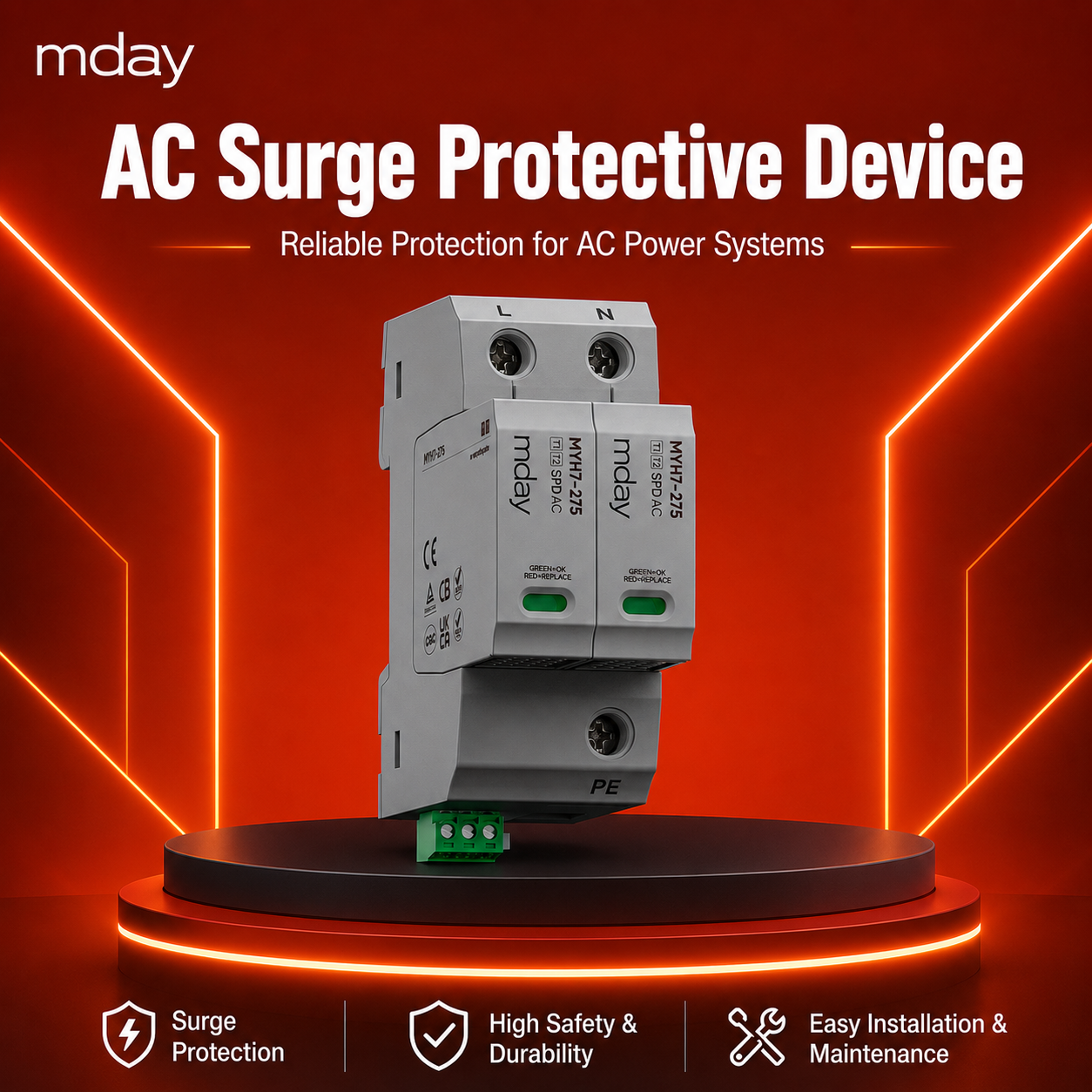
Type 1 SPDs are tested against direct lightning strikes using the 10/350μs waveform ($I_{imp}$) and are installed at main service entrances. Type 2 SPDs protect against indirect lightning surges and switching transients using the 8/20μs waveform ($I_n / I_{max}$) and are deployed at sub-distribution boards. Type 1+2 SPDs integrate high-capacity varistors and spark gaps to handle both direct impulse currents and fine voltage clamping in a single compact housing.
What minimum order quantities (MOQ) and lead times apply for bulk factory orders?
For standard high-voltage varistor components and catalog SPDs, MOQs range from 5 to 200 pieces depending on part sizing. Standard catalog models ship within 2 to 7 business days. Customized OEM runs involving custom toolings, specialized lead geometries, or private labeling typically require 2 to 3 weeks following sample sign-off.
Are your high-voltage varistors and protection modules certified for North American and European markets?
Yes. Our core protective component lines carry international certifications including VDE approval for selected AC SPD series, TÜV verification for metal oxide varistor discs and blocks, CE marking, and compliance with IEC 60269-6 / UL 248-19 standards for DC photovoltaic fusing products.
Partner with a Certified High-Voltage Protection Manufacturer
Whether you require bulk 34mm square MOVs, custom OEM surge protection modules, or complete 1500V DC photovoltaic combiner boxes, our engineering team provides full technical assistance, sample testing, and competitive wholesale pricing within 24 hours.
