High-Performance AC & DC Circuit Protection Components
Explore OEM/ODM certified circuit breakers, surge arresters, residual current devices, and PV fuse assemblies manufactured under strict IEC & VDE standards.
China AC Circuit Breaker Sourcing & Technical Benchmarks
An in-depth analysis of low-voltage electrical manufacturing standards, breaking capacity engineering, and global supply chain optimization for procurement executives.
1. Strategic Landscape of China's Low-Voltage Circuit Protection Hubs
China has firmly established itself as the global epicenter for electrical distribution and circuit protection manufacturing. Geographically centered in the Yueqing Industrial Zone (Wenzhou, Zhejiang Province), China’s low-voltage electrical ecosystem integrates raw material processing, copper stamping, silver-alloy contact sintering, automatic plastic housing injection moulding, and high-precision testing within a single tightly integrated supply chain network.
For international procurement directors, panel builders, and EPC (Engineering, Procurement, and Construction) contractors, sourcing AC Miniature Circuit Breakers (MCBs), Moulded Case Circuit Breakers (MCCBs), and Residual Current Circuit Breakers (RCCBs) from top-tier Chinese manufacturers provides significant strategic advantages. These advantages encompass exceptional cost efficiencies, rapid scale production, bespoke OEM/ODM custom branding, and compliance with stringent IEC/EN and UL regulatory standards.
2. Fundamental Electrical Engineering Benchmarks for AC & DC Breakers
When selecting low-voltage circuit protection components, technical engineering compliance must take precedence over unit cost. A failure in circuit interruption under prospective short-circuit fault conditions can result in catastrophic equipment fires, transformer damage, and prolonged grid outages.
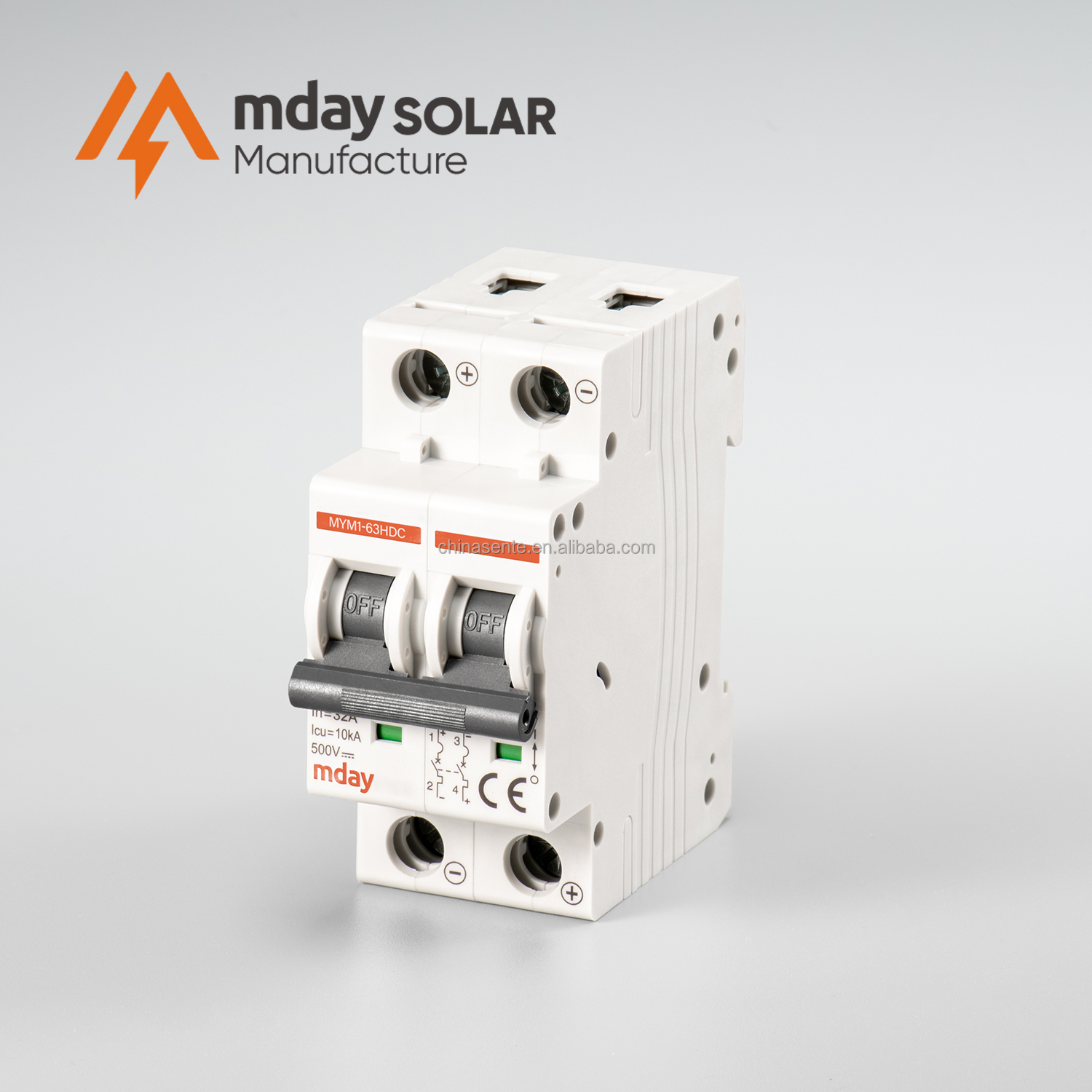
- Ultimate Short-Circuit Breaking Capacity (Icu): Tested according to IEC 60947-2, Icu defines the maximum fault current a circuit breaker can interrupt without sustaining permanent damage that compromises basic safety. Leading Chinese manufacturers engineer AC breakers capable of 6kA, 10kA, and up to 20kA breaking limits using optimized arc-chute geometry.
- Service Short-Circuit Breaking Capacity (Ics): Defined as a percentage of Icu (typically 50%, 75%, or 100%), Ics indicates the short-circuit level the breaker can repeatedly clear and remain in operational condition for continued service. High-tier industrial breakers guarantee Ics = 100% Icu.
- Tripping Characteristics (Curves B, C, D): B-Curve (trips at 3-5 In) protects long cable runs and electronic loads; C-Curve (trips at 5-10 In) serves standard commercial lighting and resistive loads; D-Curve (trips at 10-20 In) handles high inductive inrush currents associated with heavy industrial motors and transformers.
- Contact Resistance & Thermal Dissipation: Low-grade contact rivets result in excessive heat generation at rated nominal current (In). Qualified factories utilize high-purity silver-tin oxide (AgSnO2) or silver-cadmium oxide (AgCdO) contact tips to maintain contact resistance below micro-ohm thresholds and prevent thermal runaway on DIN-rail buses.
| Breaker / Switch Type | Standard Reference | Rated Voltage (Ue) | Nominal Current (In) | Core Application Focus |
|---|---|---|---|---|
| AC Miniature Circuit Breaker (MCB) | IEC/EN 60898-1, IEC 60947-2 | 230V / 400V AC | 1A – 63A | Residential & commercial branch circuit overload and short-circuit protection. |
| Residual Current Circuit Breaker (RCCB) | IEC/EN 61008-1 | 240V / 415V AC | 16A – 125A (IΔn: 30mA-300mA) | Earth leakage fault detection, electric shock prevention, and fire isolation. |
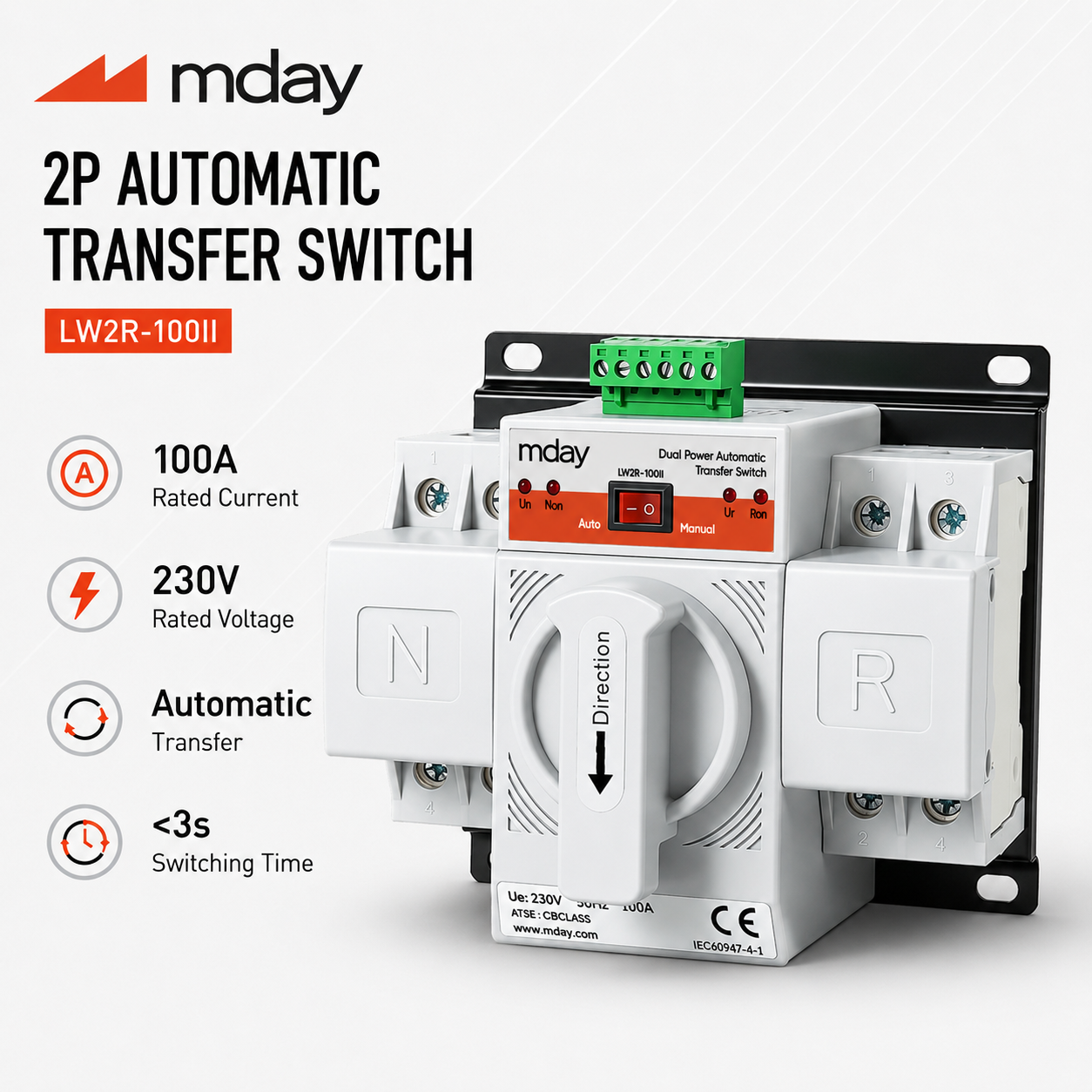
| AC Dual Power ATS Switch | IEC/EN 60947-6-1 | 230V / 400V AC | 63A – 125A | Automatic power transfer between main grid and PV/generator backup power. |
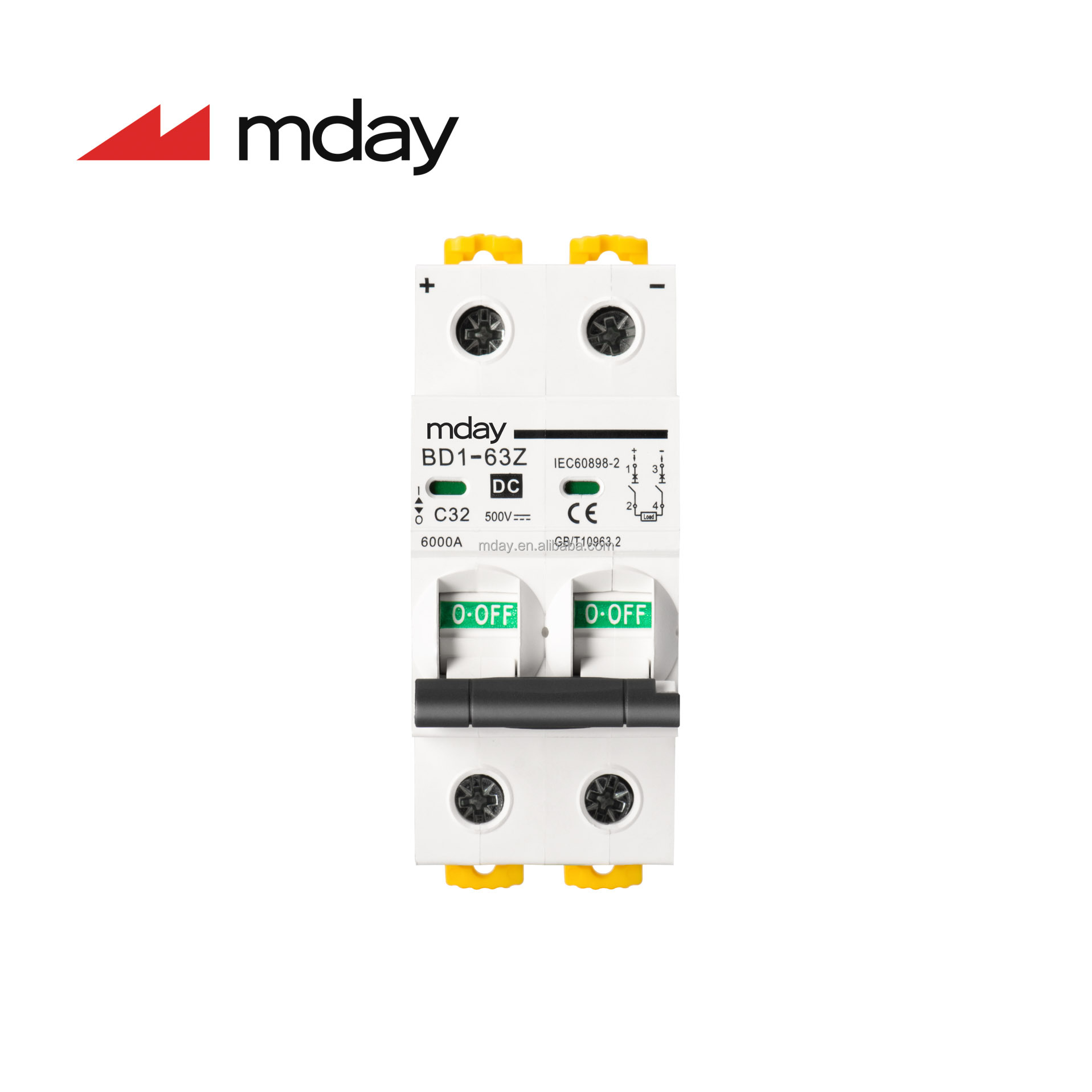
| DC Moulded Case Breaker (MCCB) | IEC/EN 60947-2 | 250V – 1000V DC | 63A – 250A | Solar array combiner boxes, energy storage systems (BESS), and central inverters. |
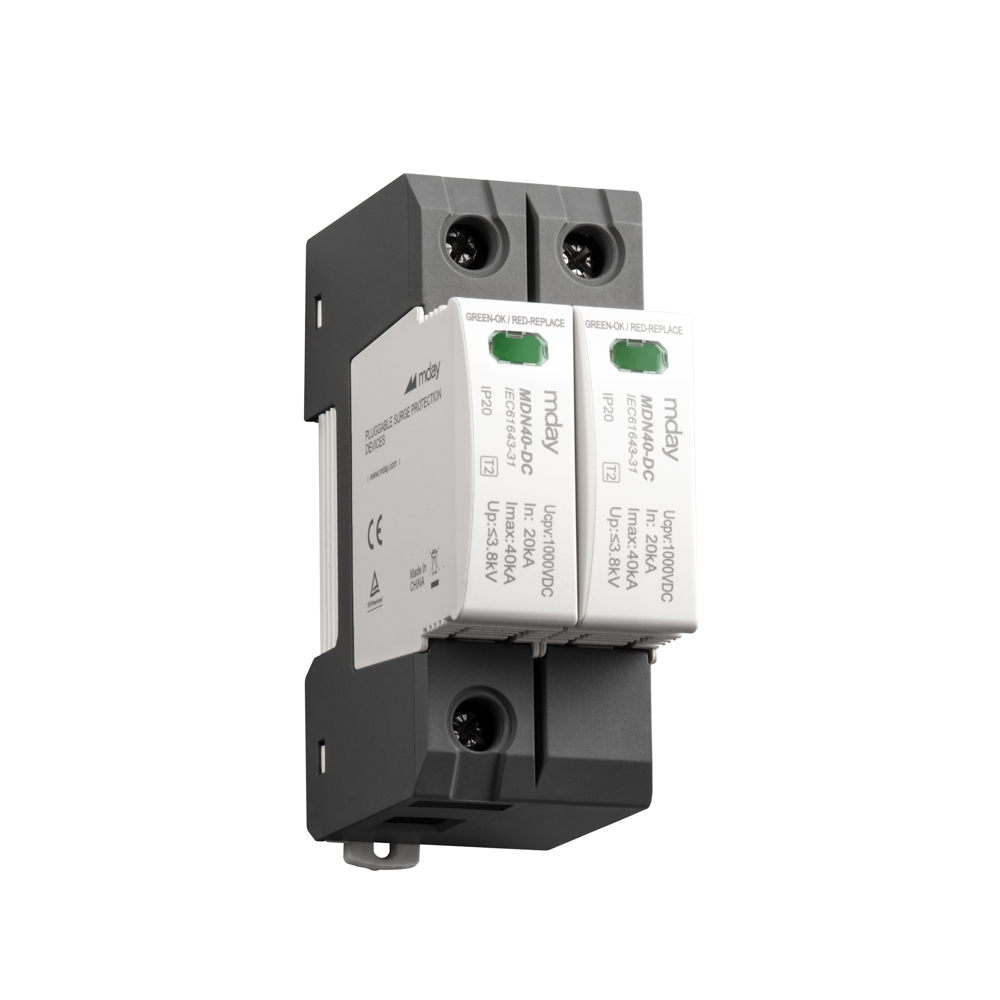
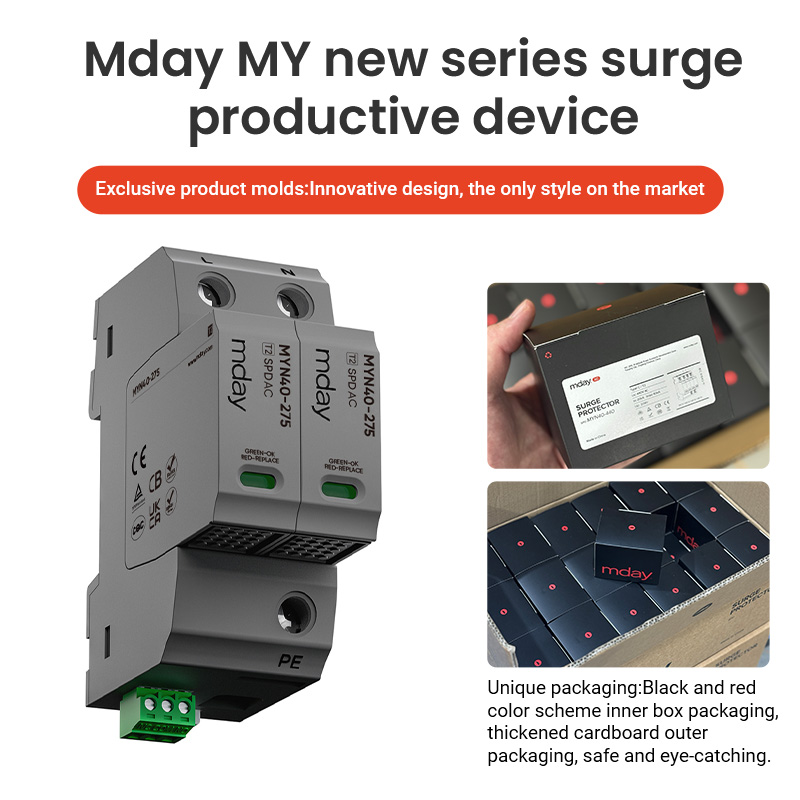
| Surge Protective Device (SPD) | IEC/EN 61643-11, VDE 0675 | 275V – 440V AC / 1000V DC | Imax: 20kA – 40kA | Lightning transient overvoltage suppression for solar and industrial mains. |
Emerging Technology Trends in Circuit Breaker Manufacturing
How smart grid integration, renewable DC voltage scaling, and advanced arc-quenching materials are reshaping the circuit protection industry.
1. High-Voltage DC Interruption & Magnetic Blowouts
With solar photovoltaic arrays and utility-scale Battery Energy Storage Systems (BESS) transitioning from 1000V DC to 1500V DC topology, traditional thermal-magnetic mechanisms face severe arc-extinguishing challenges. Modern Chinese manufacturers are incorporating permanent magnet blowout fields and multi-plate arc splitter chutes that stretch and cool high-voltage DC arcs, extinguishing zero-cross-free DC faults in under 10 milliseconds.
2. IoT Smart Breakers & Predictive Telemetry
The digitization of commercial distribution boards has driven rapid demand for IoT-enabled "Smart MCBs." Integrated with RS485 (Modbus-RTU), Wi-Fi, or Tuya/Zigbee protocols, intelligent universal circuit breakers monitor voltage, current, real-time power consumption, terminal temperature, and leakage current. They enable remote opening/closing, automated fault alarm reporting, and predictive maintenance schedules for telecom towers and smart buildings.
3. Advanced MOV & Thermal Disconnect Systems
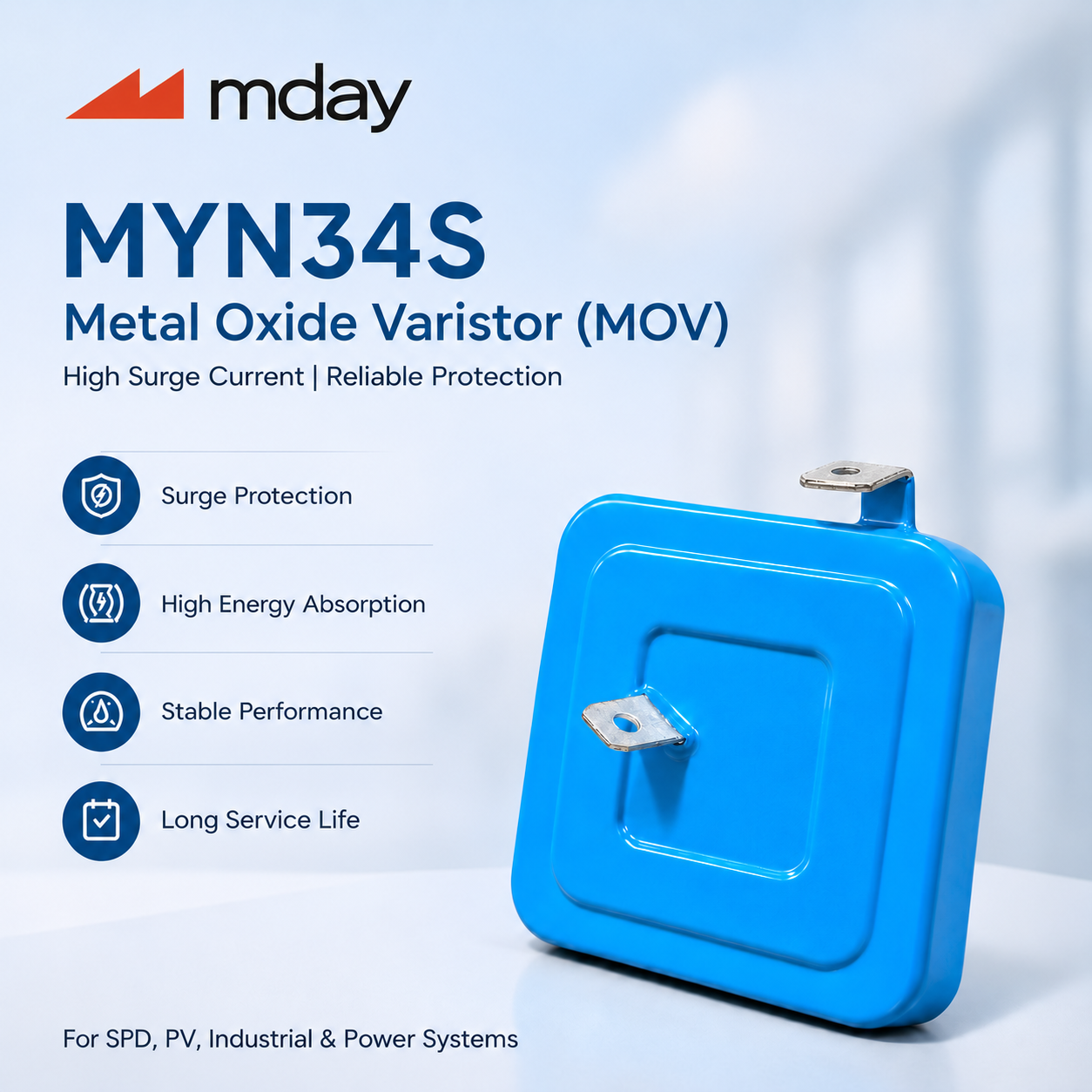
Surge Protective Devices (SPDs) rely heavily on Zinc Oxide Metal Oxide Varistors (MOVs) to clamp extreme voltage spikes caused by lightning strikes. Tech developments focus on 34mm square MOV chips featuring integrated micro thermal fuses (tMOV). In the event of MOV degradation or continuous temporary overvoltage (TOV), the internal thermal disconnection mechanism safely isolates the MOV from the busbar, preventing thermal runaway and housing fires.
Global Purchasing Trends for Circuit Breakers & Switchgear
As global energy infrastructure transitions rapidly toward electrification and decentralized solar power generation, procurement criteria for low-voltage switchgear are shifting dramatically.
Dual-Standard Sourcing (IEC + UL)
Global importers are increasingly requesting dual-certified products. A single product line meeting both IEC 60947-2 (for European and Asian markets) and UL 248-19 / UL 489 standards allows distributors to streamline inventory logistics across multi-regional contracts.
Full OEM/ODM Private Labeling
Brand owners rely on Chinese manufacturers for white-label manufacturing. Sourcing agreements now routinely include custom plastic housing coloring, laser-etched wiring diagrams, custom trip curve calibration, and eco-friendly bulk packaging.
Procurement Checklist for Buyers
Ensure your supplier meets these core criteria prior to issuing purchase orders:
- Third-Party Audit Reports: Verify onsite factory assessments from independent auditors like TÜV Rheinland.
- In-House QC Testing: Request verification of 100% finished product impulse withstand and thermal trip testing.
- Flame Retardant Materials: Ensure outer housings use UL94-V0 grade polycarbonate/PA66 resins.
- Silver Content Verification: Confirm contact rivet composition via X-ray fluorescence (XRF) testing reports.
- Flexible MOQ & Shipping: Seek manufacturers offering 2–7 day dispatch for standard DIN-rail switchgear models.
Why Sourcing from Luck (Zhejiang) New Energy Co., Ltd. Delivers a Competitive Advantage
Built upon 12+ years of specialized R&D, advanced automated manufacturing lines, and certified quality control protocols.
TÜV Rheinland Onsite Verified
Our manufacturing plant located in the Yueqing Economic Development Zone (Wenzhou, Zhejiang) has been audited onsite by TÜV Rheinland. All employee headcounts, workshop floor areas, and operational assets are independently validated.
In-House Moulding & 3 Production Lines
We maintain dedicated plastic injection tooling equipment, allowing us to control housing precision for MCBs, SPDs, ATS switches, and fuse holders. 3 automated assembly lines ensure continuous capacity and fast 2–7 day delivery for core SKUs.
Rigorous 9-Instrument QC Testing
Quality is non-negotiable. Every unit undergoes 100% finished product verification across 9 in-house testing instruments, including 8/20μs surge impulse generators, high-voltage dielectric withstand testers, and thermal-magnetic calibration benches.
Frequently Asked Questions (FAQ) for Importers & Engineers
Expert answers addressing breaking capacity, certification compliance, temperature derating, and OEM customization.
What is the key structural difference between an AC circuit breaker and a DC circuit breaker?
Which product certifications are critical when importing circuit breakers into Europe or Latin America?
How does high ambient operating temperature affect AC/DC MCB current ratings inside solar combiner boxes?
What is the difference between Type 1, Type 2, and Type 3 Surge Protective Devices (SPDs)?
What customization options are available for OEM and ODM private label orders?
What are the typical minimum order quantities (MOQ) and production lead times?
Ready to Partner with a Verified China Circuit Protection Manufacturer?
Get direct factory pricing, technical datasheets, and sample evaluation kits for your upcoming industrial or solar PV projects.
