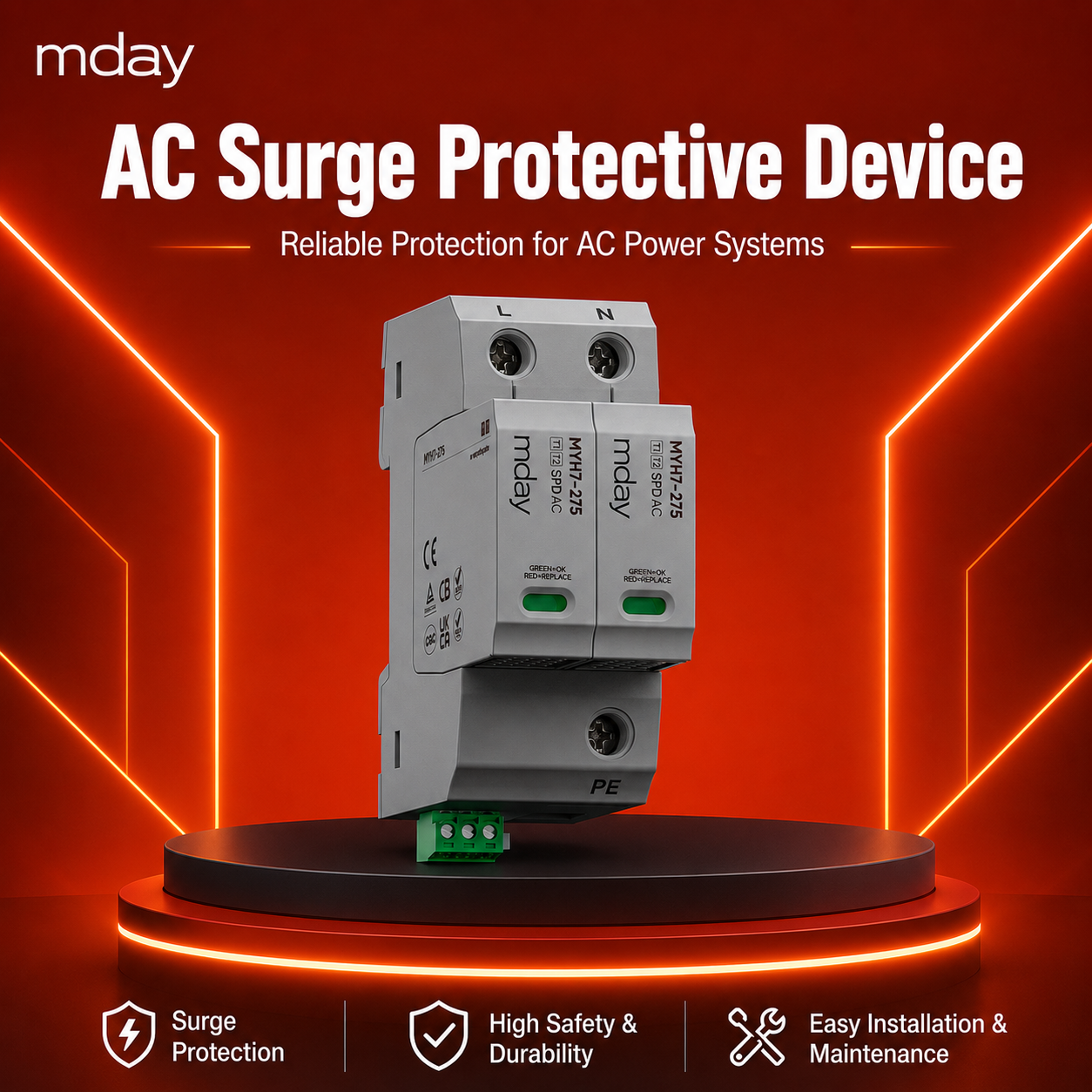
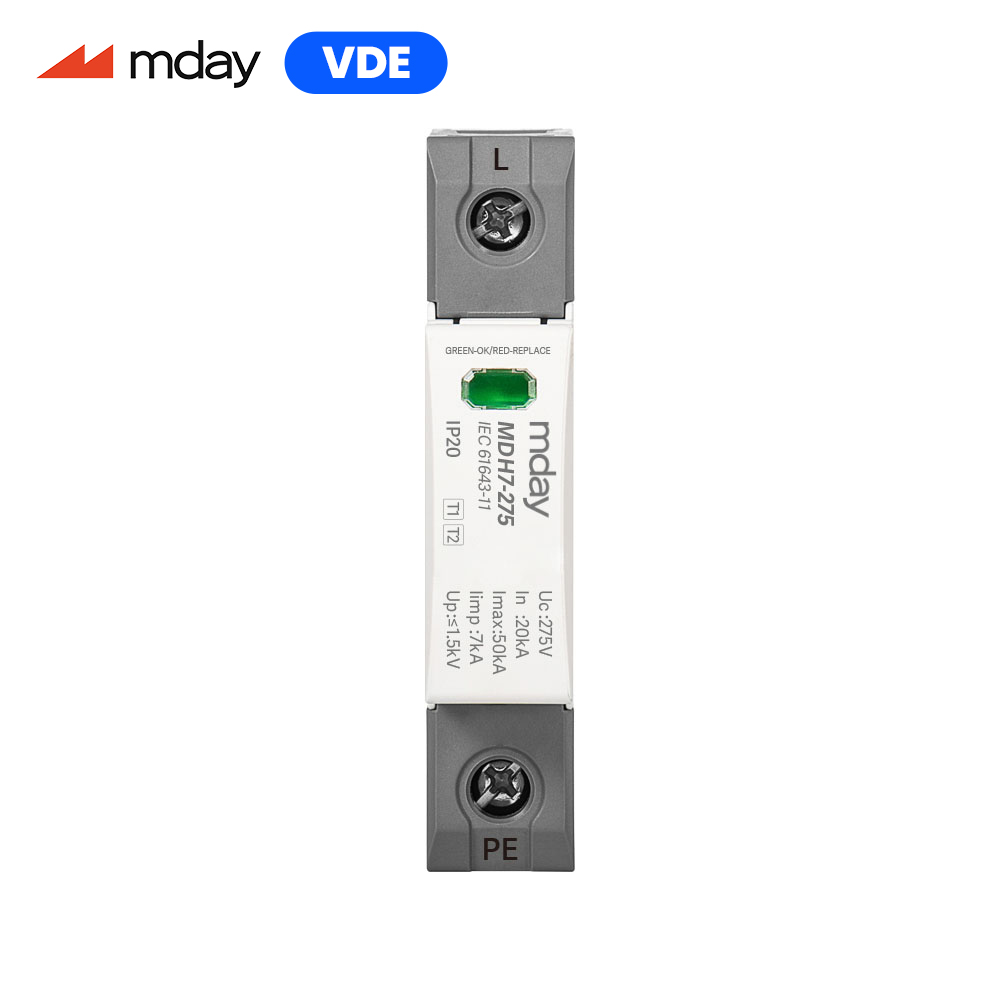
In modern low-voltage electrical infrastructure, transient overvoltages triggered by direct atmospheric lightning strikes, industrial grid switching, and electrostatic discharges present critical operational risks. Three-phase surge protective devices (SPD) are essential safeguards designed to divert high-impulse surge currents ($I_{imp}$ and $I_{max}$) safely to ground while clamping transient voltage peaks ($U_p$) to levels compatible with sensitive downstream equipment. As global energy transitions accelerate the deployment of commercial three-phase photovoltaic (PV) inverters, industrial energy storage systems (BESS), and heavy manufacturing facilities, sourcing reliable surge protection from certified, engineering-grade factories has become a top priority for procurement directors, EPC contractors, and electrical equipment distributors.
Featured Surge Protection & DC Component Portfolio
Direct-from-factory high-performance surge protection devices, metal oxide varistors, and photovoltaic isolation components engineered for global compliance.
100%
Onsite Verified R&D & QC
40 kA
Max Discharge Current ($I_{max}$)
3 Lines
Automated Production
70%
Global Export Capacity
Technical Deep-Dive: Three-Phase SPD Architecture & Standard Topology
A three-phase electrical system (typically operating at nominal line-to-line voltages of 380V, 400V, 415V, 480V, or 690V AC) requires multi-pole transient voltage protection configured according to the system's earthing topology: TN-S, TN-C, TT, or IT networks. Three-phase surge protectors incorporate coordinated matrices of high-energy Metal Oxide Varistors (MOVs) paired with Gas Discharge Tubes (GDTs) to handle both transverse-mode (Phase-to-Phase/Phase-to-Neutral) and common-mode (Phase-to-Earth/Neutral-to-Earth) transient spikes.
Type 1 / Class I ($10/350\,\mu s$)
Designed for installation at main service entrances where direct lightning strike hazards exist. Built to withstand high impulse current waveforms ($I_{imp}$) without thermal breakdown.
Type 2 / Class II ($8/20\,\mu s$)
Installed at sub-distribution boards to dissipate indirect lightning surges, switching overvoltages, and inductive load noise. Clamps residual voltage to safe levels ($U_p < 1.5\,\text{kV}$).
Type 1+2 Combined Protection
Integrates high impulse current handling with low voltage protection levels in a single space-saving DIN-rail footprint, eliminating the need for decoupling inductors between stages.
Technical Selection Matrix for Three-Phase AC & Commercial DC SPDs
| Parameter / Specification |
Type 1 (Class I) Three-Phase |
Type 2 (Class II) Three-Phase |
Type 2 PV DC (Solar) |
| Standard Compliance |
IEC 61643-11 / EN 61643-11 |
IEC 61643-11 / EN 61643-11 |
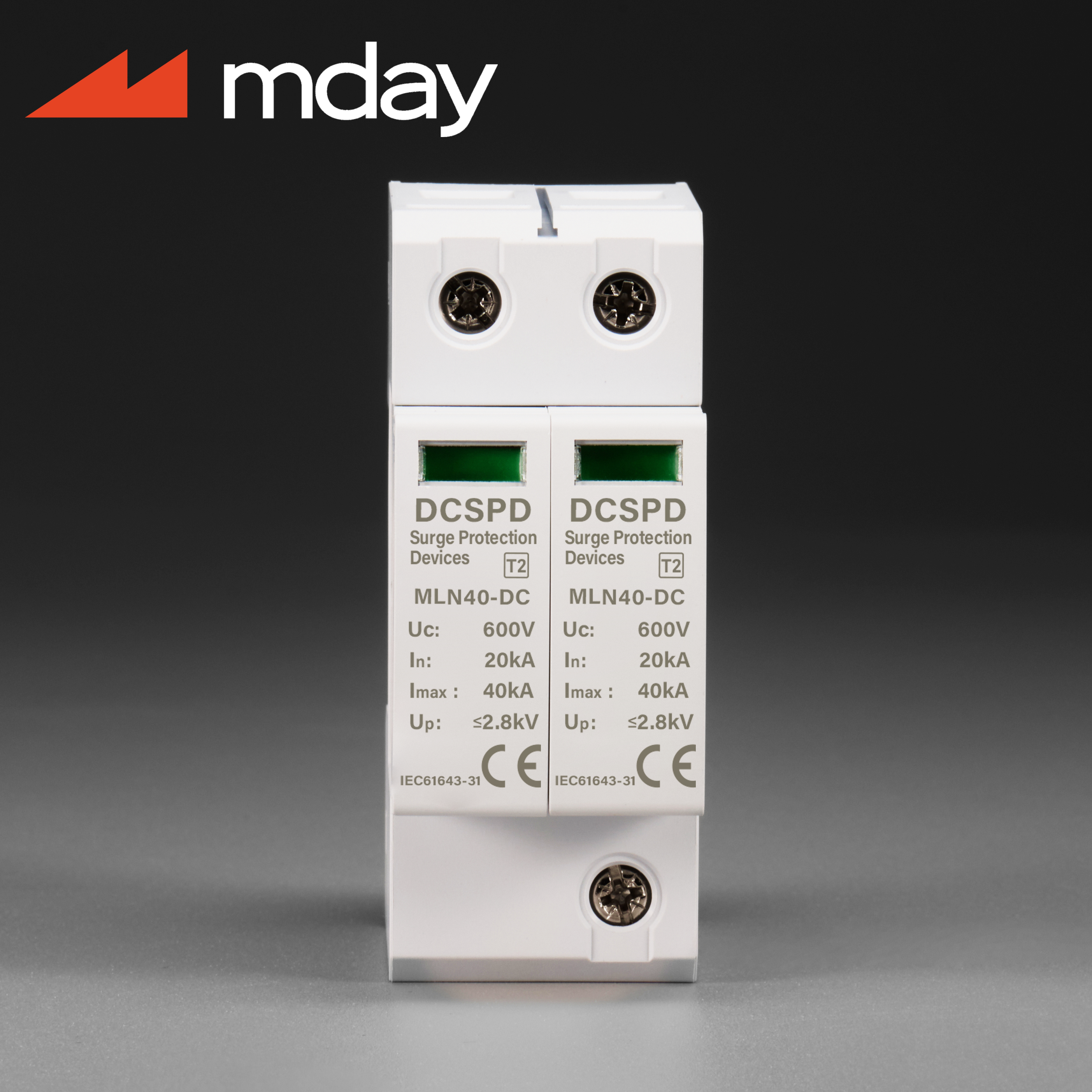
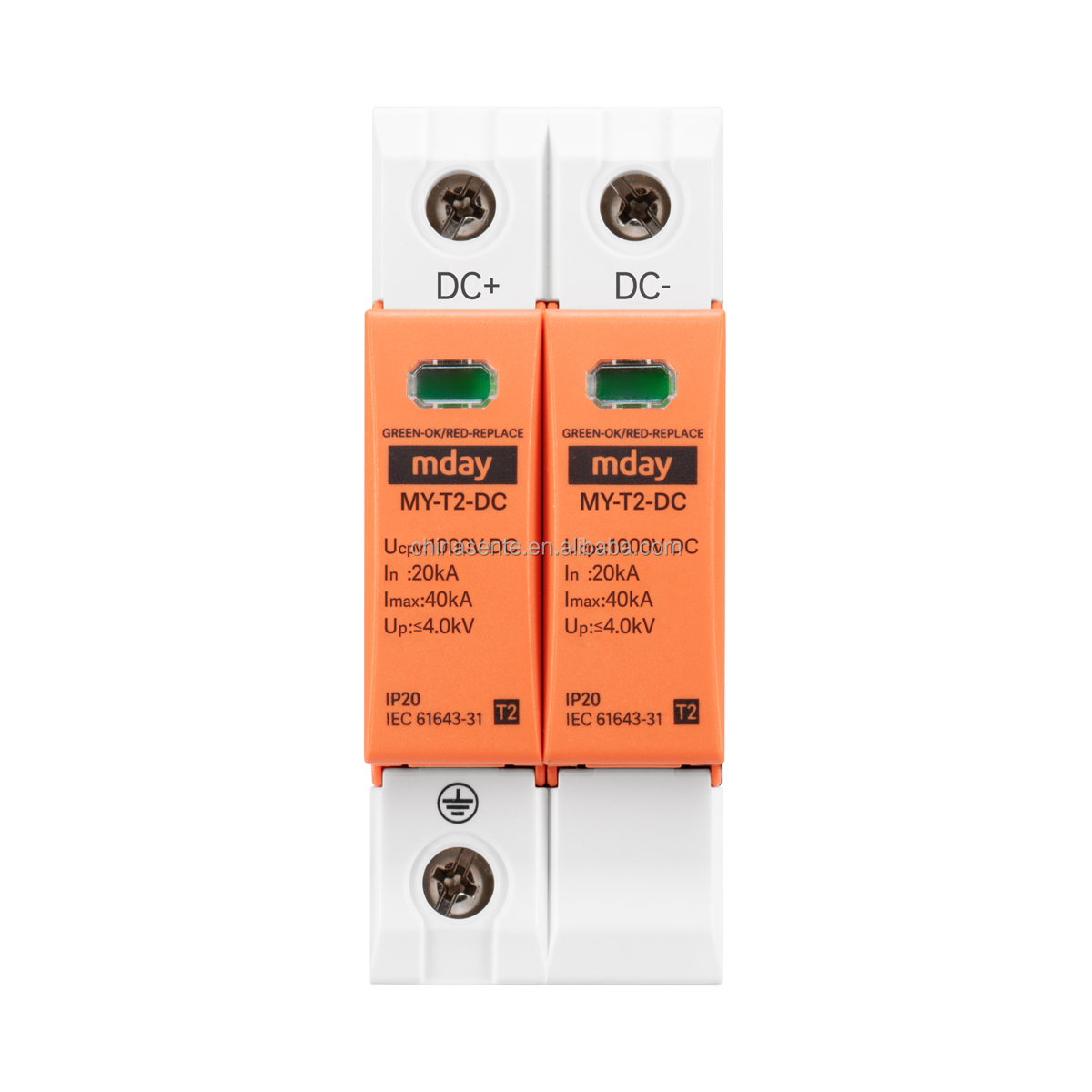
IEC 61643-31 / EN 50539-11 |
| Nominal Operating Voltage ($U_c$) |
275V / 385V / 440V AC |
275V / 385V / 440V AC |
600V / 1000V / 1500V DC |
| Impulse Current ($I_{imp}\,10/350\,\mu s$) |
7 kA – 25 kA per pole |
N/A (Tested to $8/20\,\mu s$) |
N/A (Tested to $8/20\,\mu s$) |
| Max Discharge Current ($I_{max}\,8/20\,\mu s$) |
50 kA – 100 kA |
20 kA – 40 kA per pole |
40 kA per module |
| Voltage Protection Level ($U_p$) |
$\le 1.8\,\text{kV} - 2.5\,\text{kV}$ |
$\le 1.2\,\text{kV} - 1.5\,\text{kV}$ |
$\le 2.8\,\text{kV} - 3.8\,\text{kV}$ |
| Internal Disconnection Mechanism |
Thermal Disconnector + Arc Chute |
Dynamic Thermal Release |
Rotational Thermal Cut-off |
Evaluating the Top 10 Three Phase Surge Protector Manufacturers
When conducting technical audits of low-voltage electrical manufacturers in major production hubs—such as Yueqing (Zhejiang, China), Germany, and Italy—global OEM buyers and project engineers evaluate candidate factories across six core manufacturing and quality assurance pillars:
1. MOV Disc Manufacturing & Sintering
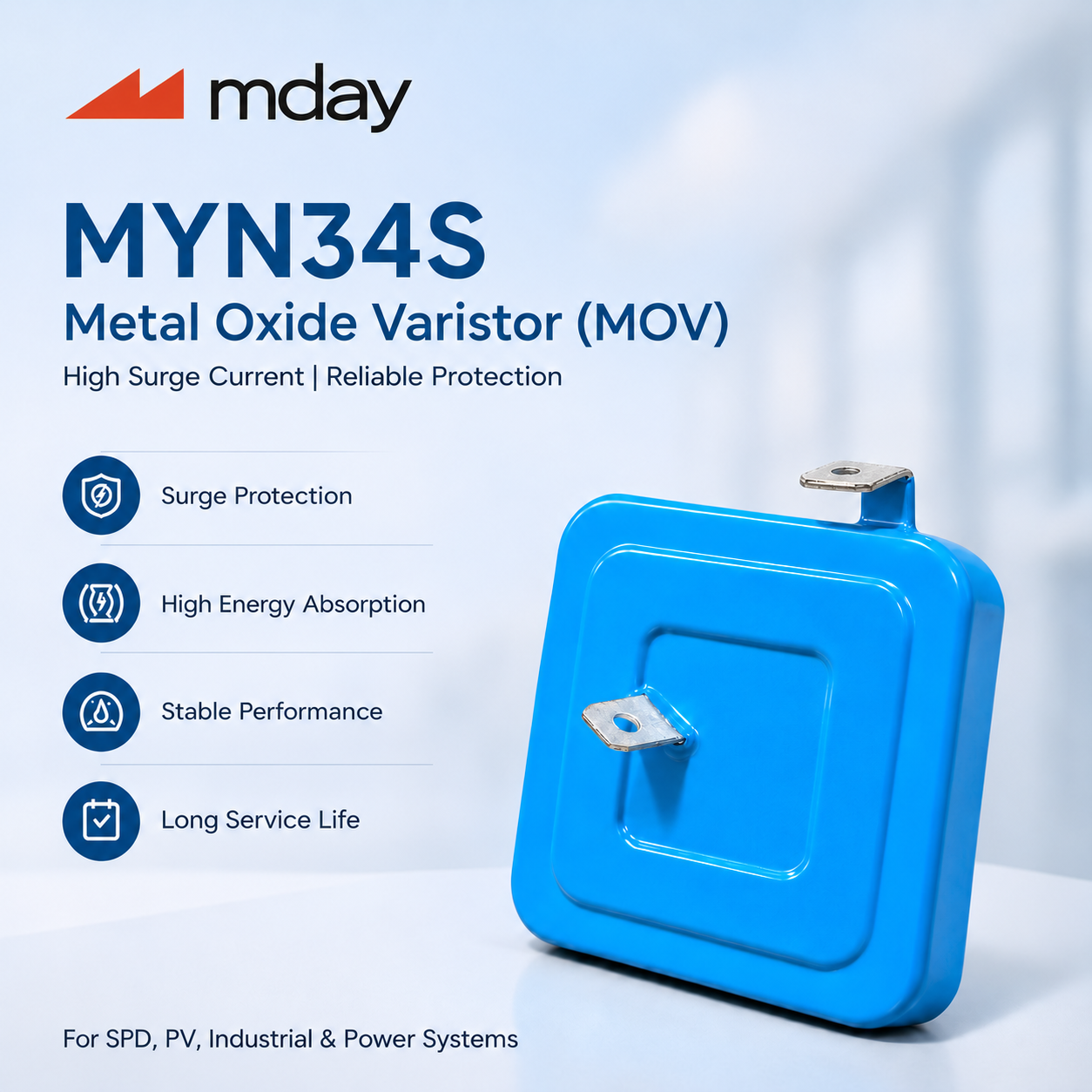
Leading factories control zinc oxide grain uniformity and electrode plating in-house. Components like 34mm square MOVs must demonstrate zero thermal runaway during continuous $U_c$ endurance testing.
2. Thermal Disconnector Precision
When MOV degradation occurs due to repeated surges, the internal solder joint must melt cleanly without arcing. Advanced exporters utilize micro-spring thermal release mechanisms rated for high short-circuit withstand values ($I_{scwp}$).
3. Automated Assembly & Calibration
Consistency in mass production requires automated soldering of MOV leads, robotic terminal block insert moulding, and automatic laser marking to eliminate human error.
4. Third-Party Laboratory Certification
Top-tier exporters back their product claims with accredited international certifications including VDE, TÜV Rheinland, UL 1449, CE, and KEMA test reports.
5. High-Impulse Testing Capabilities
In-house quality control labs must feature $8/20\,\mu s$ current surge generators (up to 100kA) and $10/350\,\mu s$ impulse generators to test every production batch prior to export container loading.
6. Flame-Retardant Housing Integrity
Enclosures must be moulded from UL 94 V-0 glass-reinforced thermoplastic (PA66/PBT) to withstand extreme thermal stress, preventing flame propagation during catastrophic electrical faults.
Future Sourcing & Procurement Trends in Surge Protection
The low-voltage protection industry is undergoing rapid technological evolution driven by digitalization, decentralized energy systems, and stricter safety mandates. Procurement leaders must align their multi-year supply chain strategies with these key industry shifts:
Smart IoT Telemetry
Transitioning from static visual flag windows (Green/Red) to smart SPDs equipped with auxiliary contact remote signalling ($SD$) and RS485 Modbus communications for predictive maintenance.
1500V DC Integration
Rapid expansion of utility-scale solar and battery storage requires three-phase and DC surge protectors capable of continuous operational stability at 1500V DC without premature aging.
Hybrid SiC/MOV Architectures
Next-generation SPDs combine Silicon Carbide (SiC) transient diodes with MOV discs to achieve sub-nanosecond response times and exceptionally low residual clamping voltages ($U_p$).
Modular Plug-In Design
Global installers favor modular DIN-rail enclosures that allow fast cartridge replacement without rewiring the base distribution busbars, reducing system downtime.
Technology Roadmap: Evolution of Overvoltage Protection
Historical surge protection relied heavily on simple spark gaps and unmonitored varistors, which were prone to catastrophic degradation under repeated temporary overvoltages (TOV). Modern SPD engineering focuses on three core technological vectors:
1. Enhanced Thermal Stability & Safe End-of-Life State: Legacy MOVs could overheat slowly under grid voltage fluctuations, creating thermal runaway risks. Modern three-phase SPDs utilize patented low-temperature solder disconnect alloys and internal arc-quenching barriers. In the event of varistor end-of-life, the thermal release spring physically separates the element and shifts the visual status indicator while triggering an isolated signal circuit.
2. Severe Environment Environmental Sealing: Industrial three-phase SPDs are increasingly deployed in harsh offshore wind farms, desert PV arrays, and mining operations. Advanced manufacturers utilize conformal coating on internal PCBs, anti-corrosion silver-alloy terminal contacts, and IP65-rated outdoor enclosure boxes to ensure decade-long operational life.
Enterprise Spotlight: Luck (Zhejiang) New Energy Co., Ltd.
Located in the Yueqing Economic Development Zone (Wenzhou, Zhejiang), Luck (Zhejiang) New Energy Co., Ltd. is an onsite-verified manufacturer specializing in photovoltaic protection, three-phase surge protective devices, DC fuses, circuit breakers, and custom combiner boxes.
TÜV Rheinland Verified Factory
VDE Certified SPD Range
UL 248-19 & IEC 60269-6 Compliance
7 Years OEM/ODM Experience
55 Certified Staff
Equipped with 3 automated assembly lines, 9 specialized testing instruments (including surge impulse platforms), and full in-house plastic injection workshop capabilities, Luck New Energy guarantees 100% finished-product quality control and fast export dispatch cycles (2–7 days for standard models).
Inquire Now
Direct Factory Procurement Snapshot:
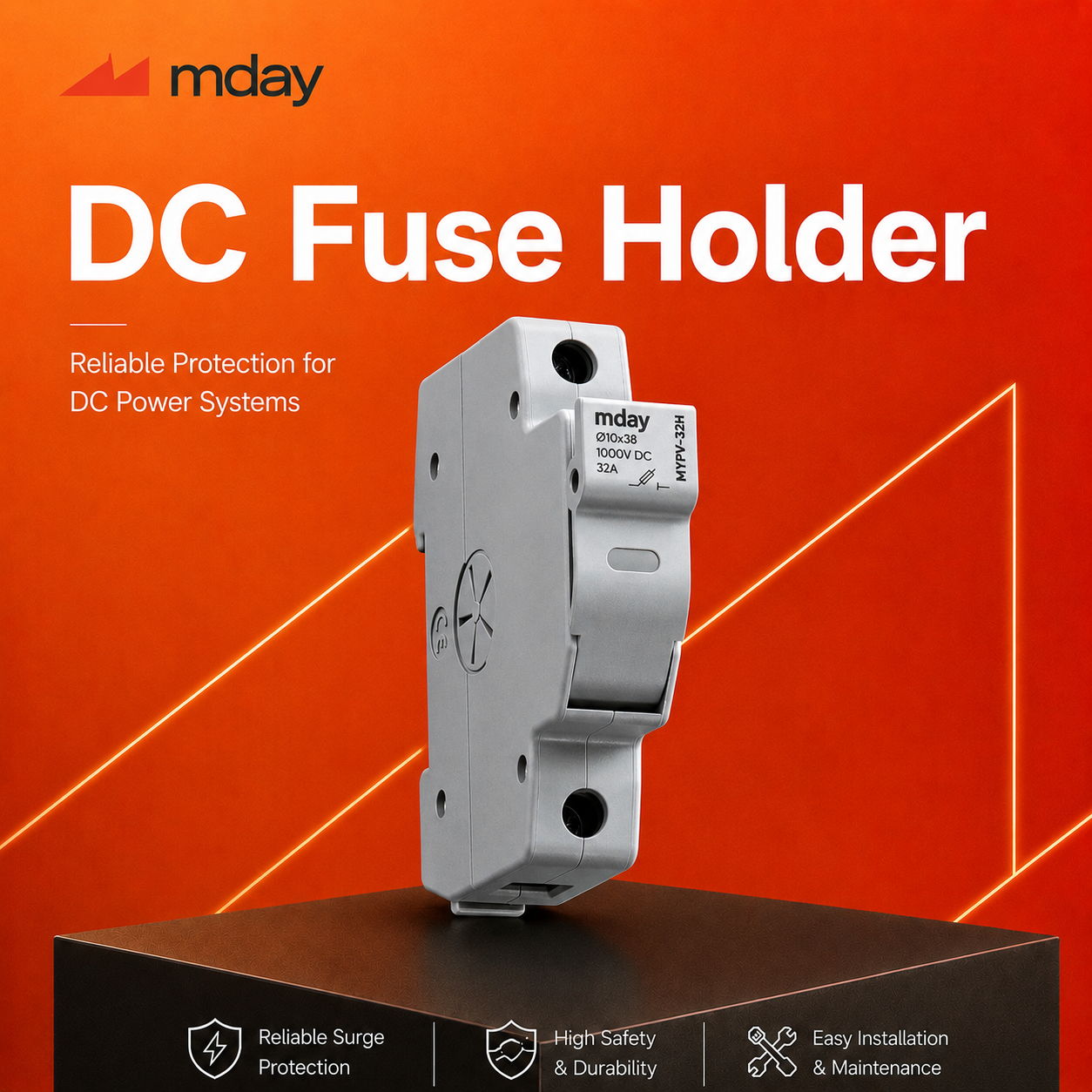
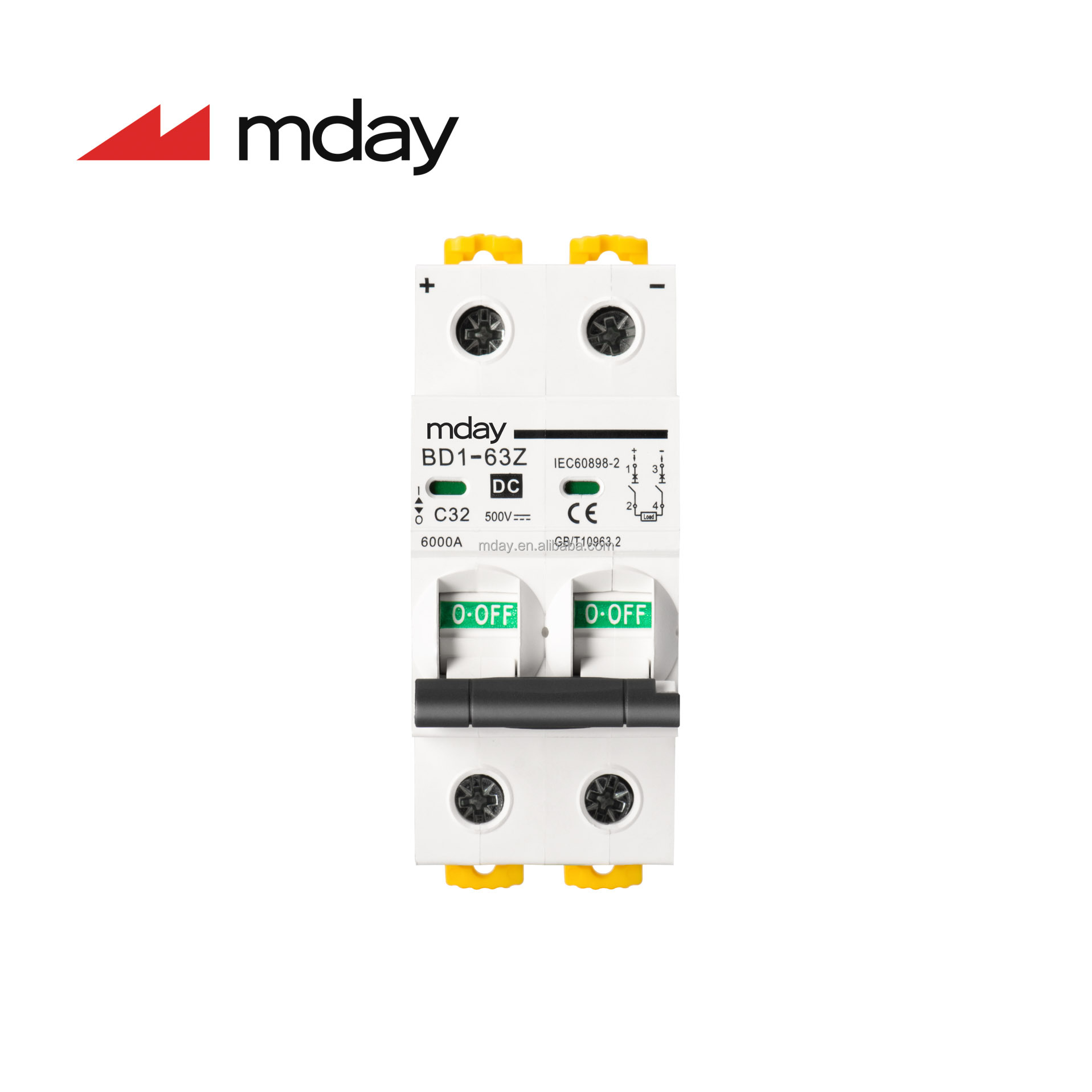
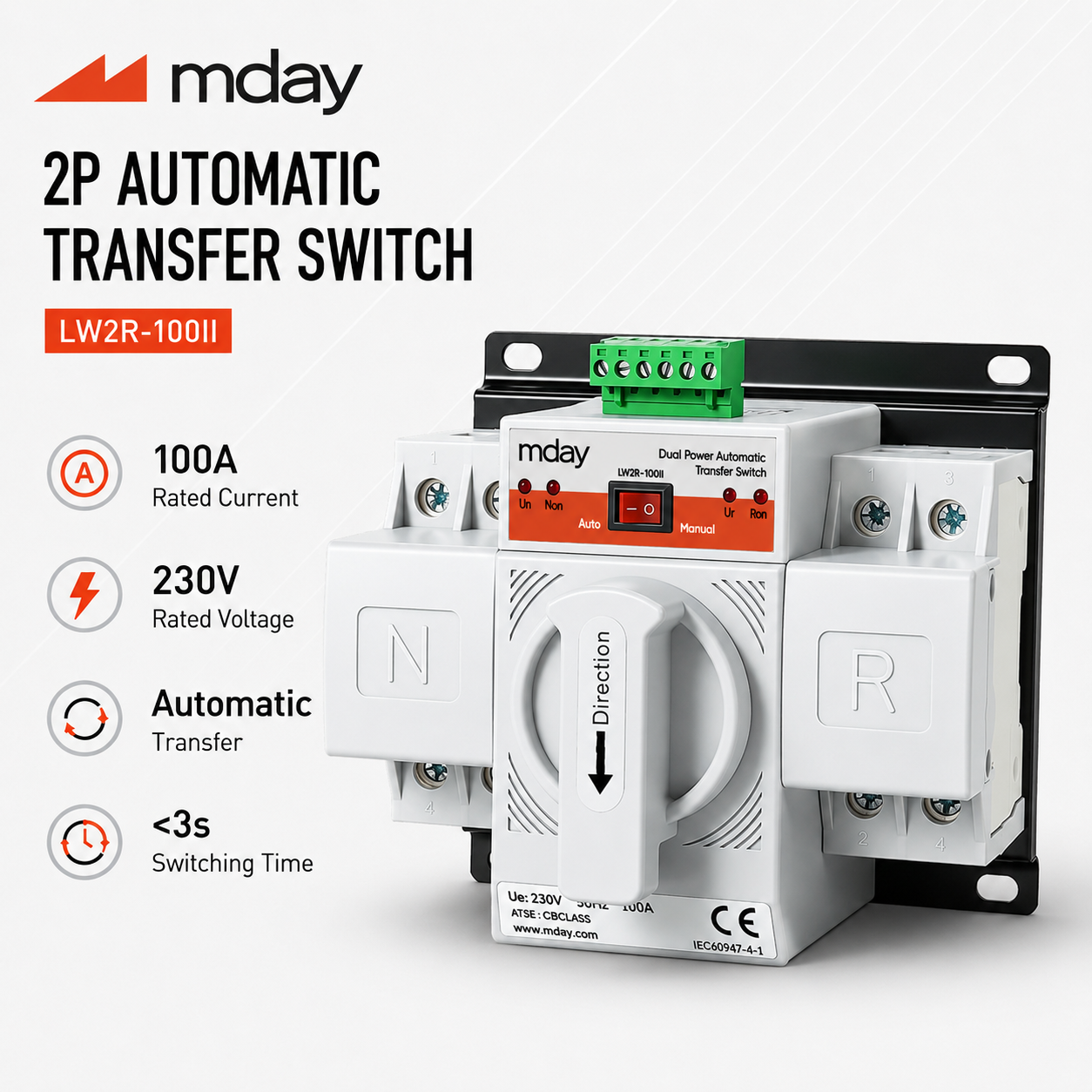
- Core Products: AC/DC SPDs, MOV components, DC Fuse Holders, DC MCCBs, ATS Switchgear.
- Testing Rig: In-house 8/20s & 10/350s impulse testing, thermal limit chamber, aging rigs.
- OEM/ODM Scope: Private labeling, custom terminal blocks, rated voltage modification, housing colorways.
- Global Export Share: 70% serving Europe, Southeast Asia, South America, and Middle East.
Frequently Asked Sourcing Questions (B2B Procurement FAQ)
Q1: What is the critical technical difference between Type 1 and Type 2 Three-Phase SPDs?
Type 1 SPDs are characterized by a $10/350\,\mu s$ impulse current wave ($I_{imp}$) designed to handle direct lightning strikes at main distribution switchboards. Type 2 SPDs are tested using an $8/20\,\mu s$ current waveform ($I_{n} / I_{max}$) to protect downstream sub-panels and machinery against indirect lightning and switching transients.
Q2: How do I select the maximum continuous operating voltage ($U_c$) for a 400V Three-Phase network?
For a standard 230/400V AC TN-S or TN-C-S system, $U_c$ should be selected with a safety margin above line-to-neutral or line-to-line voltage fluctuations (typically $U_c \ge 275\,\text{V}$ for Phase-to-Neutral and $U_c \ge 385\,\text{V}$ or $440\,\text{V}$ for line protection to prevent thermal degradation during temporary grid overvoltages).
Q3: What certifications are mandatory for exporting surge protectors to Europe and North America?
For the European Union, CE marking backed by EN 61643-11 test reports is legally required, with prestigious quality marks like VDE or TÜV greatly accelerating utility and industrial adoption. For North America, compliance with UL 1449 (5th Edition) as Type 1, 2, or 1CA Component Recognized SPD is required.
Q4: Can Luck New Energy customize surge protectors for OEM private label brands?
Yes. Luck New Energy provides comprehensive OEM, ODM, and sample-based customization. This includes custom housing molding, private brand logo printing, modified voltage ratings ($U_c$), specialized packaging, and pre-wired custom PV combiner box assembly.
Q5: How does factory testing ensure zero defect rates on MOV varistor components?
Quality control involves 100% incoming material inspection of zinc oxide raw powder, automated voltage clamping tests on sintered MOV discs (e.g., 34mm square MOVs), dynamic thermal disconnect calibration during assembly, and 100% final electrical parameter verification prior to packaging.
Q6: What is the typical lead time and Minimum Order Quantity (MOQ) for factory-direct shipments?
MOQs range from 5 to 200 units depending on product complexity. Standard stock models typically dispatch within 2 to 7 days, while custom OEM or private label production orders are scheduled immediately following sample approval.
Optimize Your Electrical Safety Supply Chain Today
Connect directly with our engineering team to request technical datasheets, CAD drawings, third-party TÜV/VDE test reports, or factory-direct pricing for your project specifications.
Inquire Now