Featured Wholesale Circuit Protection Components
Engineered for high-voltage solar PV arrays, industrial AC distribution networks, and commercial energy storage systems.
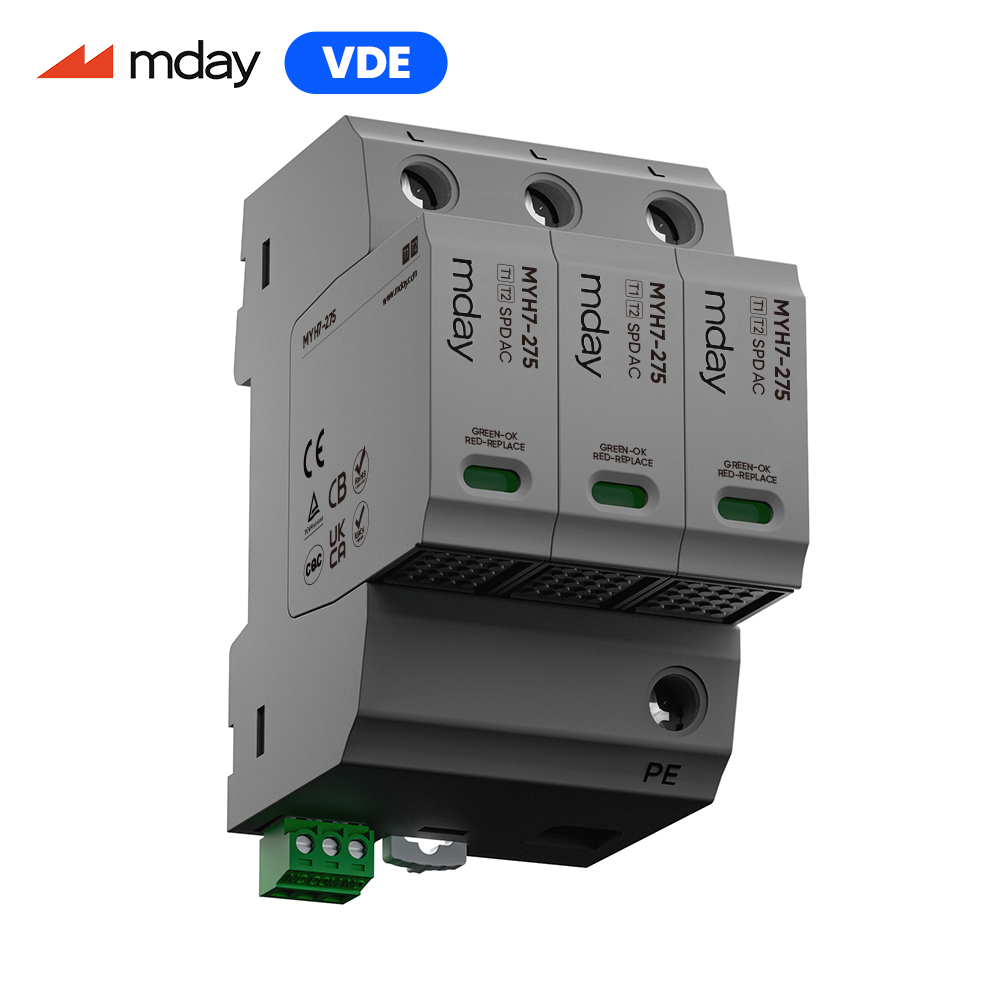
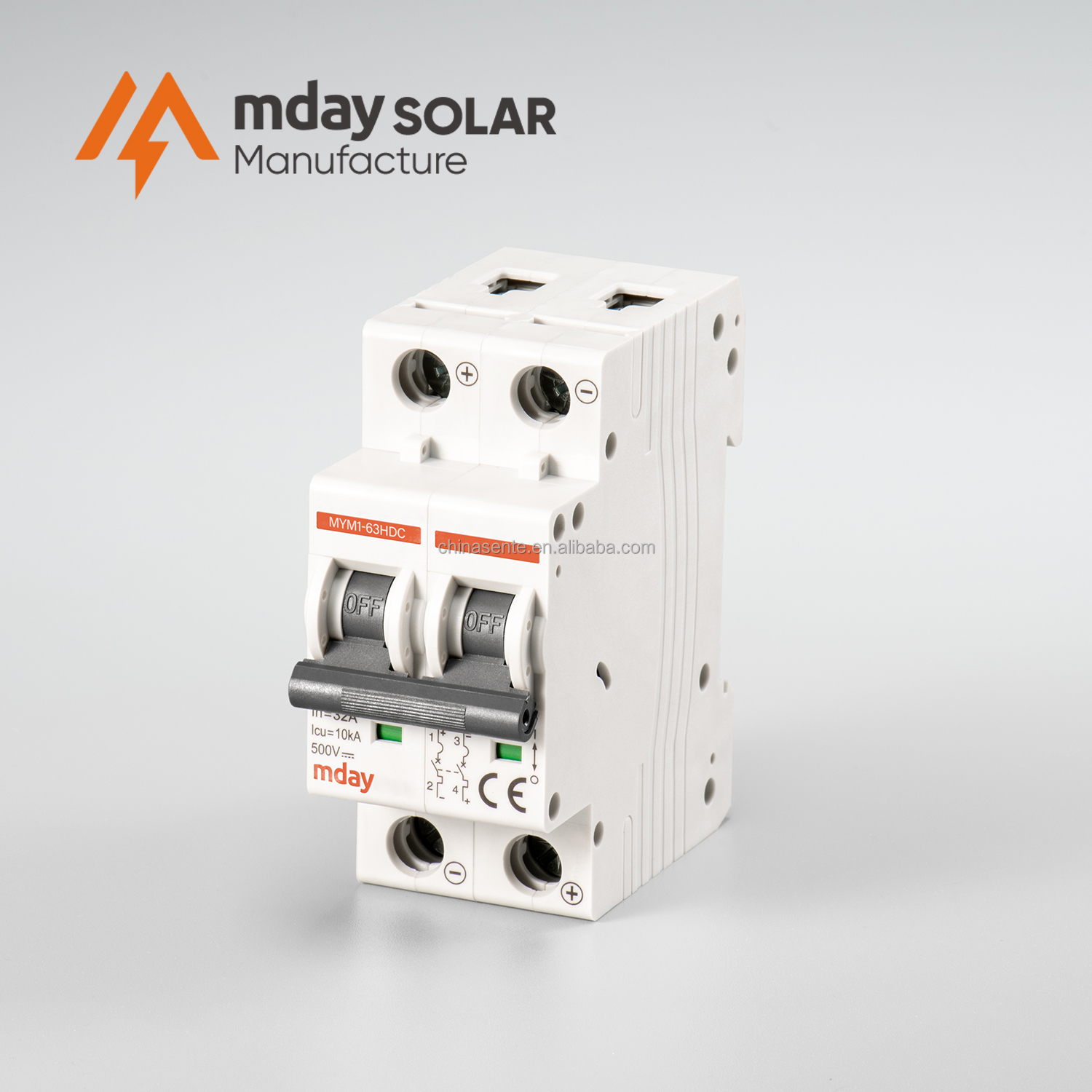
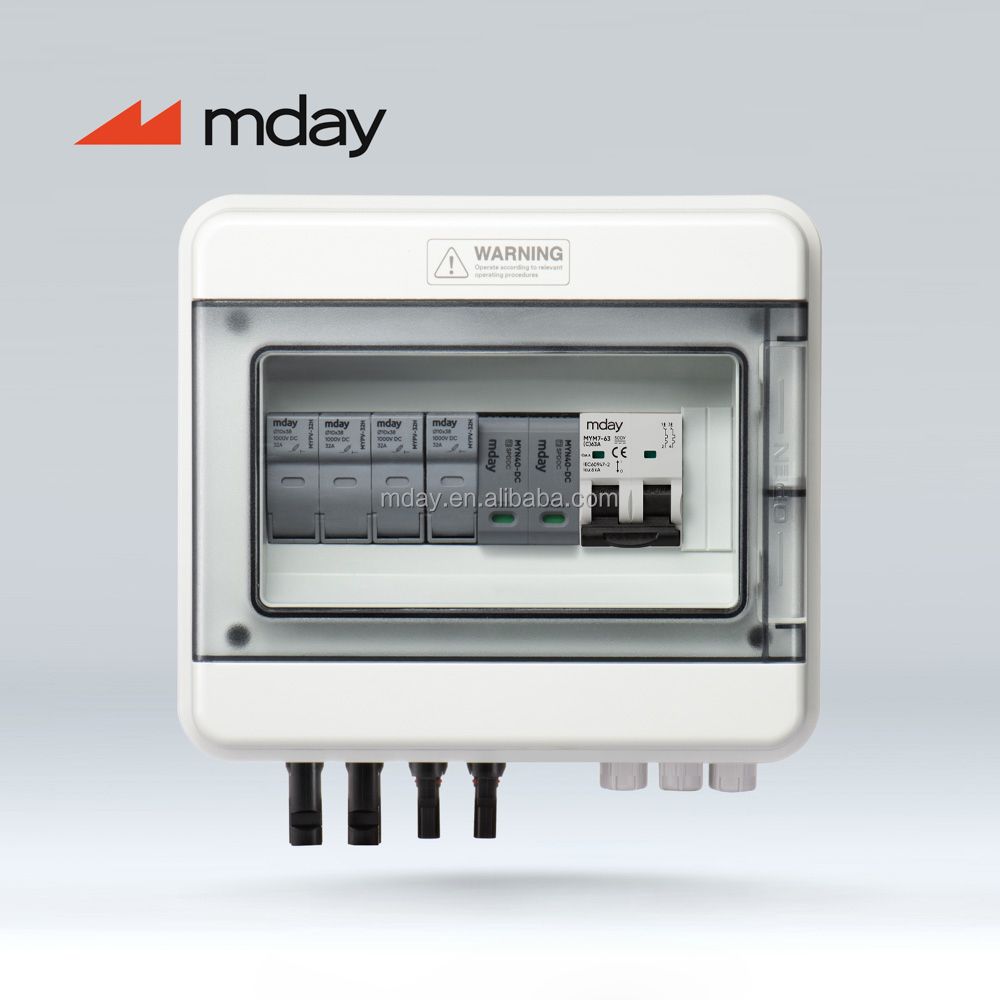
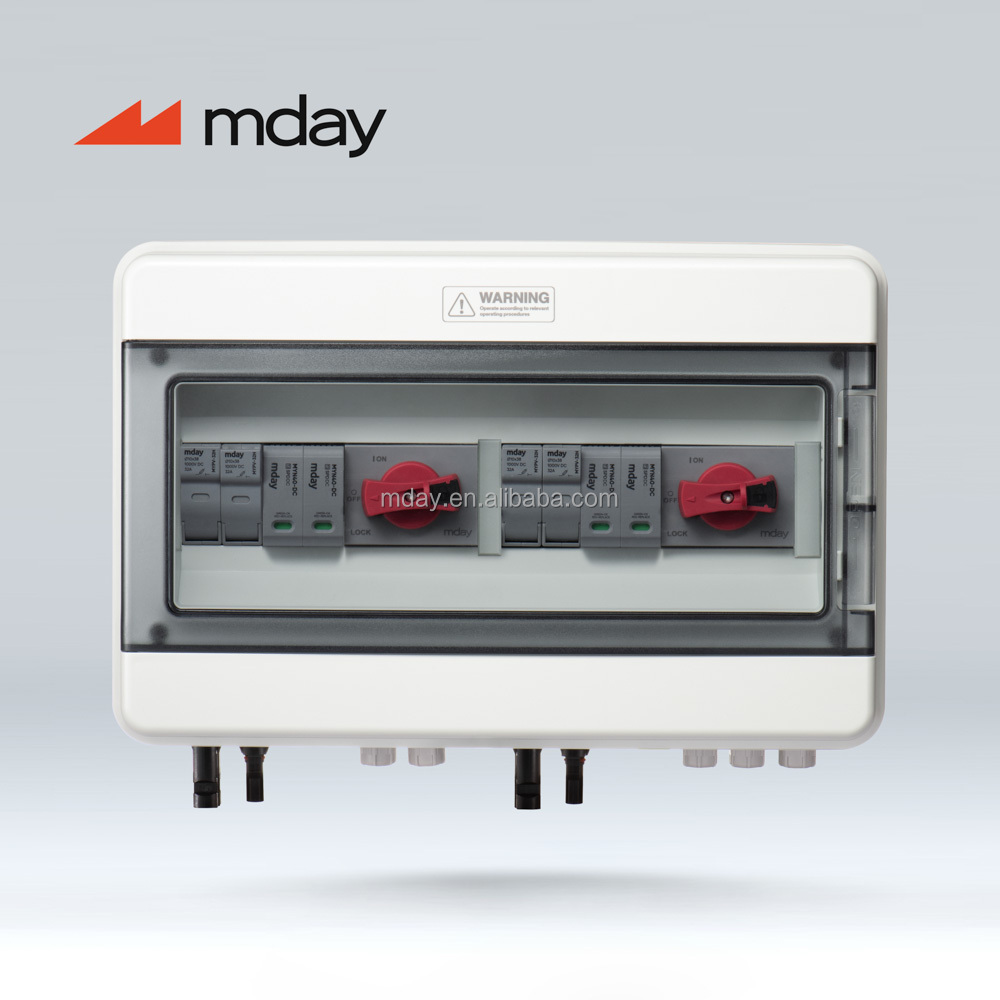

AC Power Surge Protection Sourcing Whitepaper 2025–2030
An Engineering Guide for B2B Procurement Managers, EPC Contractors, and OEMs Purchasing Low-Voltage Protection Devices from Chinese Sourcing Hubs.
In contemporary electrical infrastructure, renewable energy systems, and commercial grid topologies, transient overvoltages pose an existential threat to expensive electronics, power inverters, and industrial machinery. Whether caused by direct lightning strikes, atmospheric electrostatic discharges, or high-frequency grid switching operations, voltage surges can degrade semiconductor junctions and precipitate catastrophic insulation breakdown. Sourcing reliable, certified AC power surge protectors (SPDs) from China has evolved from a pure cost-reduction play into a sophisticated technical procurement strategy.
China's electrical manufacturing ecosystems—most notably centered in the Yueqing Economic Development Zone in Zhejiang—produce over 60% of the world’s low-voltage circuit protection components. However, navigating vendor selection requires a rigorous understanding of international compliance frameworks, MOV (Metal Oxide Varistor) thermal runaway protection mechanisms, clamping dynamics, and total cost of ownership (TCO). This comprehensive guide provides an authoritative roadmap for procurement teams seeking original equipment manufacturers (OEM) and suppliers capable of meeting stringent global standards like IEC/EN 61643-11, VDE 0675, UL 1449, and CE.
Information Gain Insight: Thermal Disconnector Physics in AC SPDs
Standard low-cost SPDs frequently fail due to thermal runaway under prolonged Temporary Overvoltage (TOV) conditions. High-tier Chinese manufacturers now incorporate dual-stage micro-thermal disconnectors paired with low-melting-point solder joints and physical arc shielding barriers. This prevents sustained internal arcing and eliminates fire hazards in commercial switchgear enclosures.
AC & DC Surge Protection Device (SPD) Technical Selection Matrix
Selecting the optimal surge protective device depends entirely on the installation site's exposure level (LPZ - Lightning Protection Zones) and grid configuration. Below is a engineering matrix comparing key parameters across Class I (Type 1), Class II (Type 2), and PV DC surge protection devices:
| Parameter / Feature | Class I / Type 1+2 Combination | Class II / Type 2 AC Protection | PV DC String Protection |
|---|---|---|---|
| Target Application | Main Distribution Boards (LPZ 0A to LPZ 1) | Sub-distribution Panels (LPZ 1 to LPZ 2) | Solar PV Array & Inverter DC Inputs |
| Impulse Current ($I_{imp}$) | 7kA – 25kA (10/350 µs waveform) | N/A (Tested with 8/20 µs) | N/A (DC Specific Testing) |
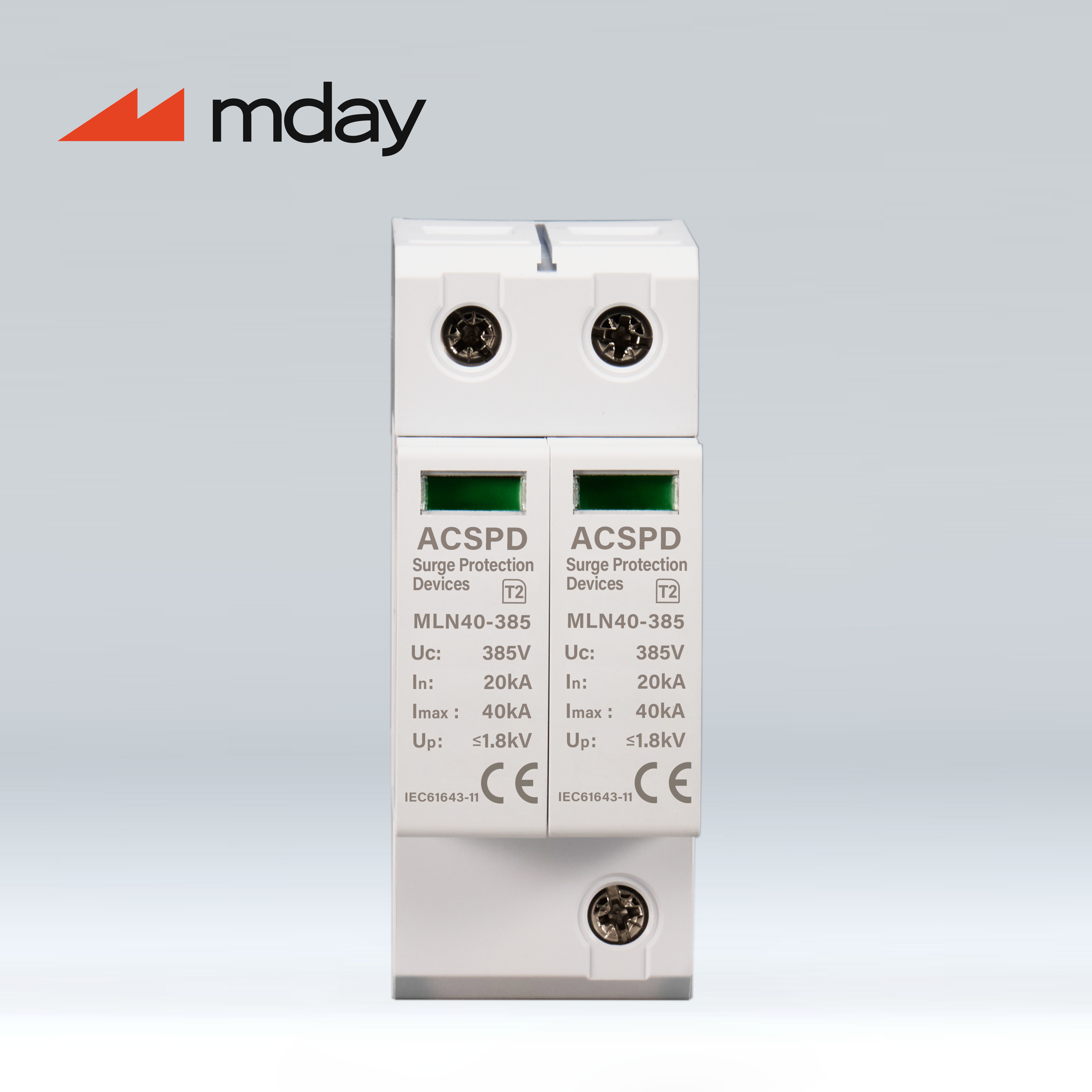
| Max Discharge Current ($I_{max}$) | 50kA – 100kA (8/20 µs) | 20kA – 40kA (8/20 µs) | 40kA (8/20 µs) |
| Nominal Voltage ($U_n$) | 230V / 400V AC (TN/TT Systems) | 220V / 380V / 440V AC | 600V / 1000V / 1500V DC |
| Voltage Protection Level ($U_p$) | ≤ 1.5kV – 2.0kV | ≤ 1.3kV – 1.8kV | ≤ 2.8kV – 3.8kV |
| Core Material Structure | Spark Gap + High-Energy MOV | Heavy-Duty Zinc Oxide Varistor | Y-Prong Tri-MOV Topology |
| Certification Baseline | VDE, IEC 61643-11 Class I | CE, TÜV, IEC 61643-11 Class II | EN 50539-11, UL 1449 4th Ed. |
Future Procurement Trends in Low-Voltage Protection (2025–2030)
The global transition toward electrification, decentralized solar generation, and smart power grids is transforming the technical requirements for low-voltage power distribution. B2B buyers must align their procurement cycles with four decisive industrial trends over the coming decade:
1. Migration to High-Voltage 1500V DC & 690V AC Systems
Utility-scale solar installations and energy storage systems (BESS) are aggressively shifting from 1000V DC to 1500V DC operating voltages to decrease balance-of-system (BOS) cabling costs. Consequently, demand for 1500V DC SPDs, high-breaking-capacity DC fuses, and 690V industrial AC SPDs is expanding rapidly.
2. Smart Diagnostics & IoT Remote Monitoring
Conventional physical visual indicators (green/red windows) are giving way to intelligent surge arresters featuring integrated microcontrollers, RS485 Modbus communication interfaces, and transient pulse logging. Facility managers can now track MOV degradation percentages in real-time via cloud platforms.
3. Strict Flame-Retardant & ESG Material Compliance
Global regulations like REACH, RoHS 3, and halogen-free directives mandate strict chemical safety. Overseas buyers require housing materials constructed from premium UL94-V0 polycarbonates or PBT resins that pass high-temperature glow-wire ignition tests (>850°C).
Product Development & Material Science Innovations
Advancements in semiconductor metallurgy and polymer engineering have substantially elevated the performance of surge protection devices. Key innovations leading current manufacturing practices include:
- Nanostructured Zinc Oxide (ZnO) Grain Boundaries: Modern MOVs utilize rare-earth oxide doping (Bismuth, Cobalt, Manganese) to yield finer microscopic grain structures. This optimizes non-linear electrical resistance, resulting in lower leakage currents (<20 μA) and higher energy absorption capacities without catastrophic thermal runaway.
- Hybrid Arc-Quenching Chambers: In high-voltage DC miniature circuit breakers (MCBs) and surge disconnectors, arc suppression is notoriously challenging due to the absence of natural zero-crossing points. Advanced manufacturers integrate permanent magnetic blowout channels and ceramic arc-splitter plates to extinguish DC arcs in under 5 milliseconds.
- Modular DIN-Rail Plug-in Topologies: Modern switchboards demand maximum uptime. Modular SPD designs feature vibration-proof locking mechanisms and fail-safe coding keys that allow maintenance personnel to hot-swap depleted cartridges without disrupting main power distribution.
Enterprise Capabilities: Why Partner with Luck (Zhejiang) New Energy Co., Ltd.?
When selecting a Chinese manufacturing partner, direct production capability, onsite third-party verification, and rigorous testing protocols distinguish tier-one factories from trading intermediaries. Operating out of the Yueqing Economic Development Zone, Luck (Zhejiang) New Energy Co., Ltd. stands as a Premier Custom Manufacturer of photovoltaic protection and low-voltage distribution components.
End-to-End In-House Manufacturing Excellence
Unlike assembly-only outfits, Luck New Energy controls the full manufacturing lifecycle under one roof. Our modern facility features:
- Automated Plastic Injection Workshop: Precision moulding of flame-retardant housings for SPDs, MCBs, and fuse holders ensures zero dimensional variance and fast tooling turnarounds for OEM modifications.
- Specialized Assembly Lines: 3 streamlined production lines equipped with automated calibration stations and in-line visual automated optical inspection (AOI) systems.
- R&D Engineering Depth: Over 5 certified senior engineers dedicated to OEM/ODM project customization, white-label branding, private packaging, and single-line diagram configuration.
- Strict Quality Management Protocols: Incoming material inspection (IQC), 100% finished-product dielectric withstand testing, and comprehensive thermal rise verification across all batch runs.
Frequently Asked Questions (FAQ) for Wholesale Buyers
Request Factory-Direct Quotations & Technical Samples
Partner directly with a TÜV-verified Chinese manufacturer. Submit your technical parameters or project bill of materials today for immediate pricing and engineering support.
Contact Us