Architectural Engineering of DC Circuit Breakers in High-Voltage Photovoltaic & Energy Storage Infrastructure
As global solar energy systems rapidly scale from residential 600V DC topologies toward utility-scale 1000V and 1500V DC architectures, the technical demands placed on direct current protection components have grown exponentially. Direct current (DC) electrical circuits present unique physical challenges that render traditional alternating current (AC) circuit protection obsolete and extremely hazardous when misapplied. In a DC environment, current flows continuously without a natural zero-crossing point, making high-voltage electric arcs notoriously persistent and difficult to extinguish during overcurrent or short-circuit trip events.
Selecting a certified, high-rigidity China Solar DC Circuit Breaker supplier is a pivotal strategic decision for Procurement Directors, System Engineering EPCs, and OEM Photovoltaic Panel Builders worldwide. This technical whitepaper explores the critical engineering principles of solar DC overcurrent protection, analyzes upcoming global purchasing trends, outlines rigorous vendor audit standards, and presents the specialized manufacturing ecosystem of Luck (Zhejiang) New Energy Co., Ltd.
Core Engineering Principle: The Physics of DC Arc Extinction
Unlike AC currents that naturally pass through zero volts 100 or 120 times per second (allowing arcs to self-extinguish), a 1000V or 1500V DC solar array maintains constant electrical pressure. Our DC Miniature Circuit Breakers (MCB) and Moulded Case Circuit Breakers (MCCB) integrate permanent magnetic blowouts and specialized arc chute splitter plates. When a fault occurs, the magnetic field forces the plasma arc into multi-segmented ceramic chutes, rapidly lengthening, cooling, and quenching the arc within milliseconds.
1. Comparative Analysis: DC Circuit Breakers vs. Surge Protection & Fuses
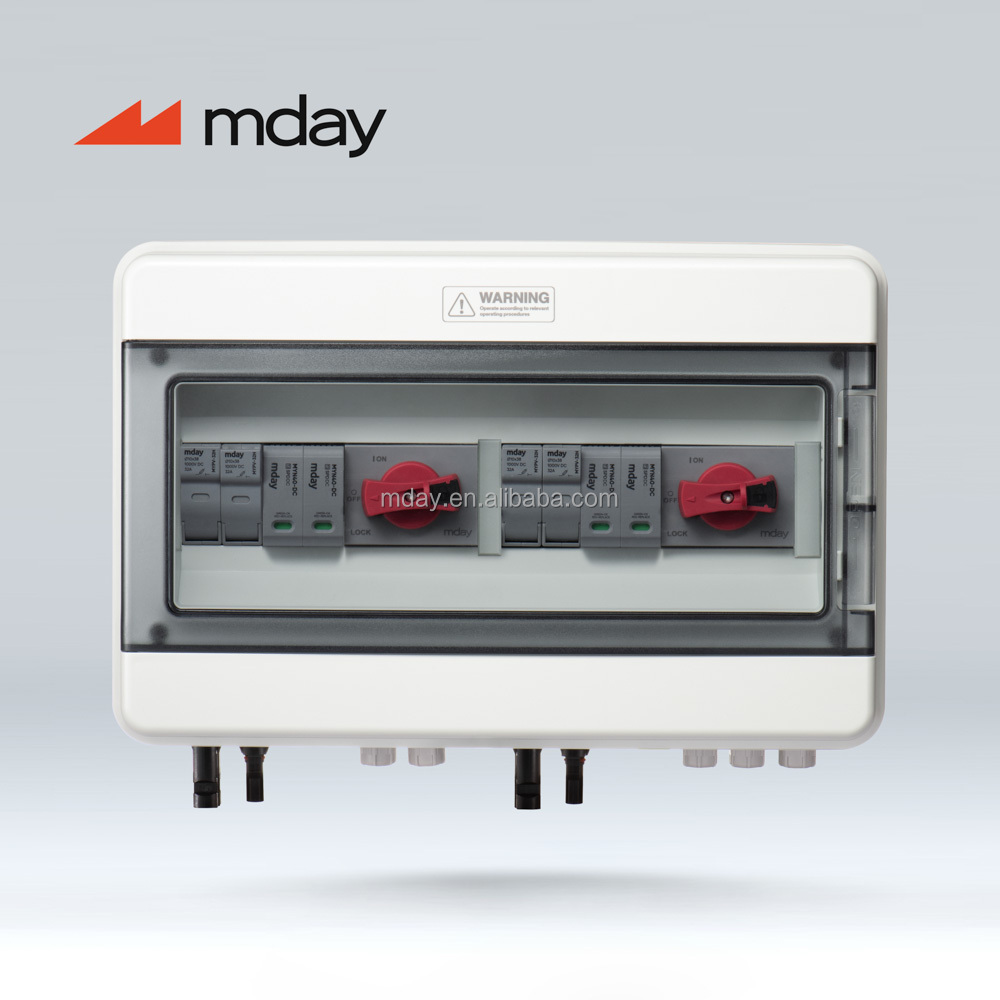
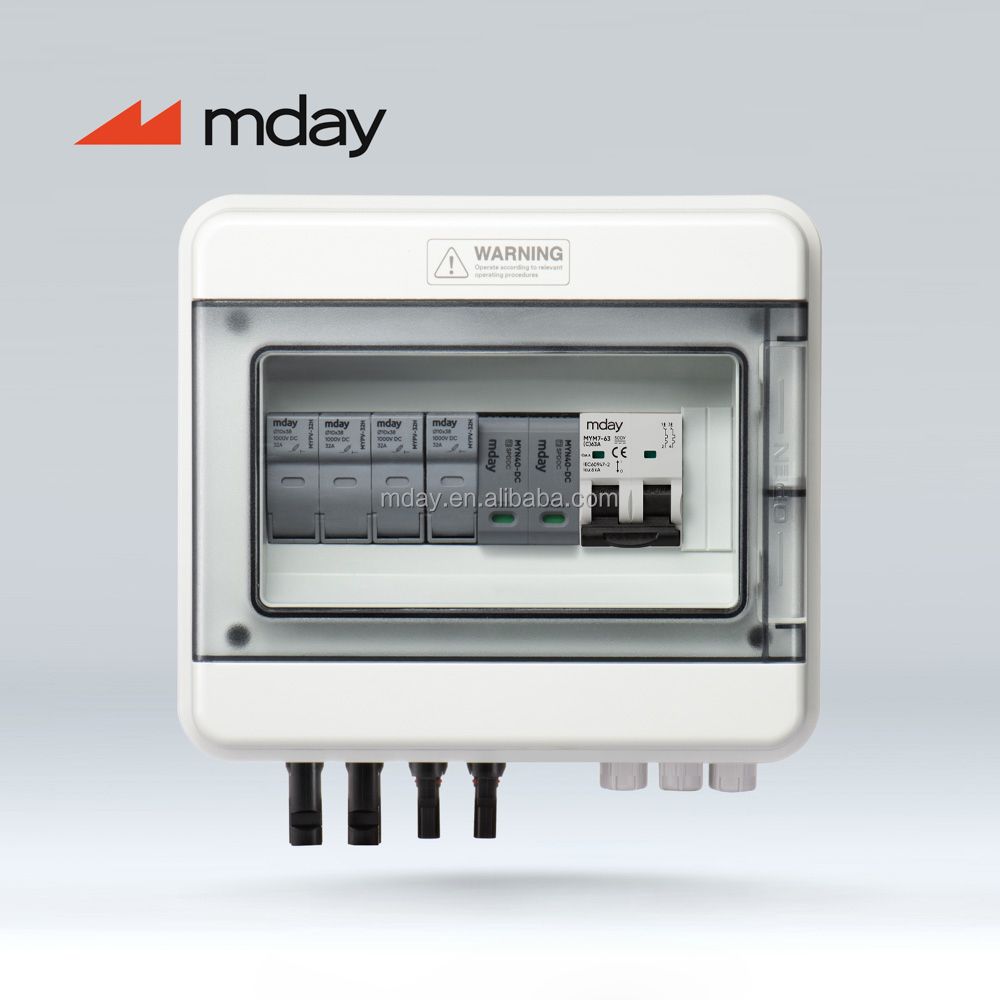
In a fully compliant Photovoltaic String Combiner Box or Inverter Input Cabinet, three core protective components work in tandem: DC Circuit Breakers (MCB/MCCB), DC Surge Protective Devices (SPD), and gPV Fuse Links. Understanding their semantic operational boundaries is vital for system safety and bill-of-materials (BOM) optimization.
| Component Type | Primary Threat Mitigated | Operating Principle | Resetability & Maintenance | Target IEC/UL Standards |
|---|---|---|---|---|
| DC Circuit Breaker (MCB/MCCB) | Continuous Overload & High-Current Short Circuits | Thermal-magnetic trip mechanism with magnetic arc-blowing chutes | Manually resetable; doubles as system isolation switch | IEC/EN 60947-2, UL 489B |
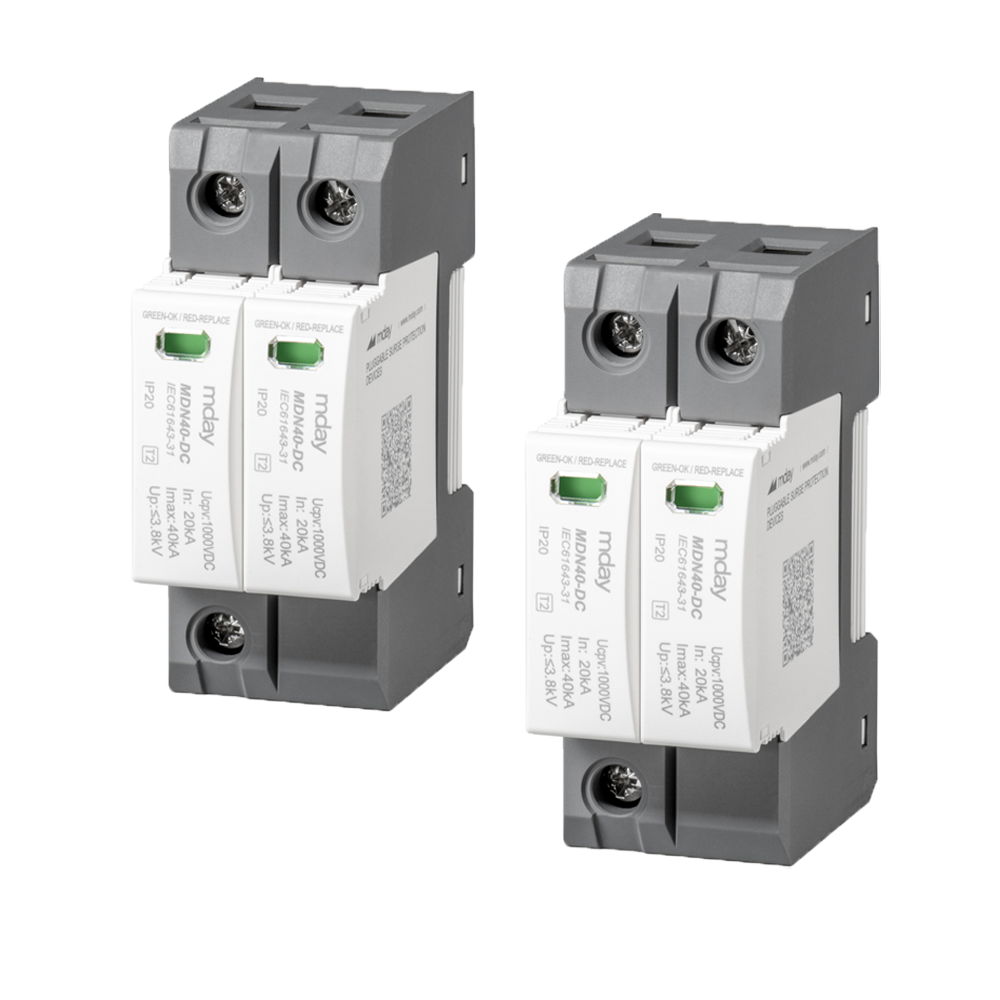
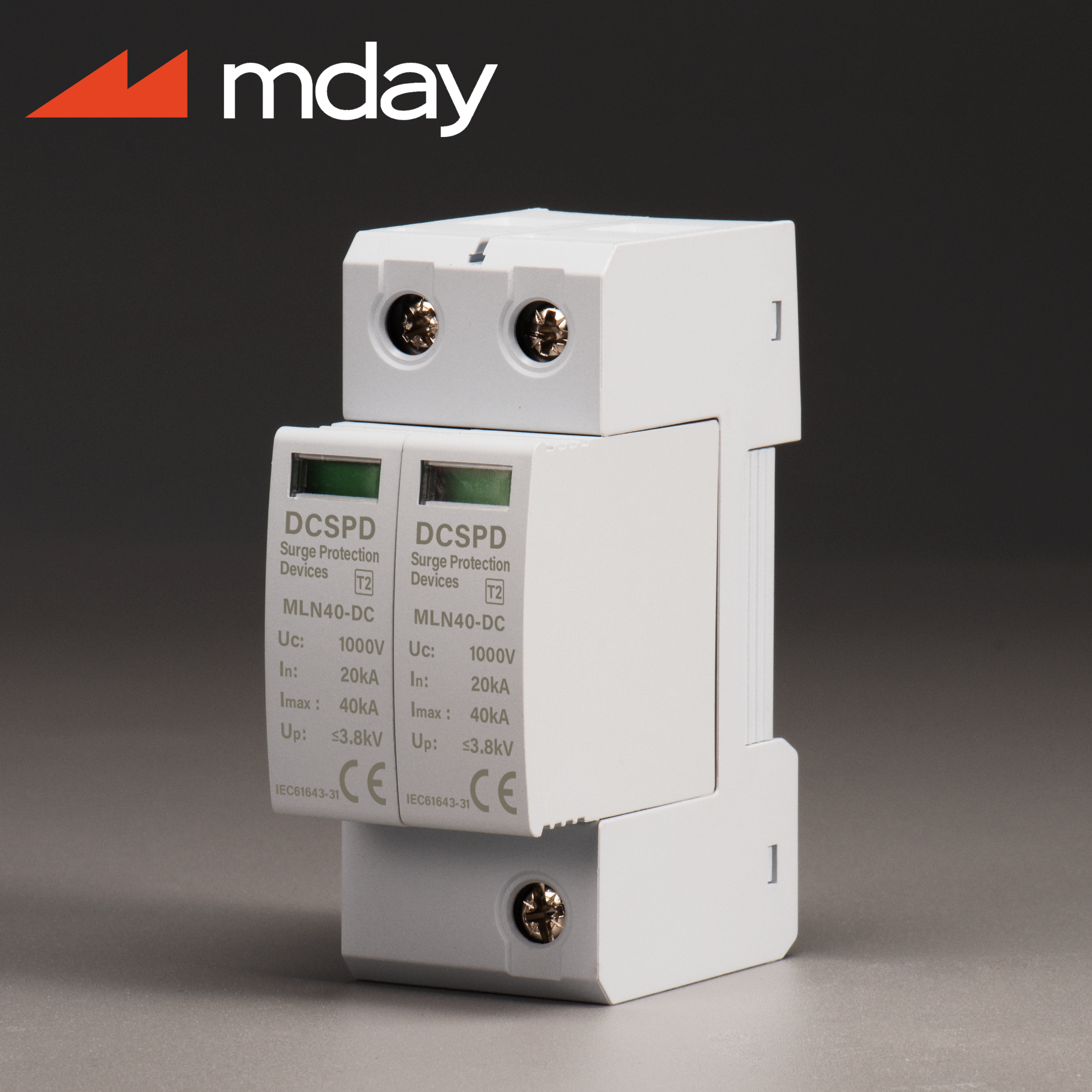
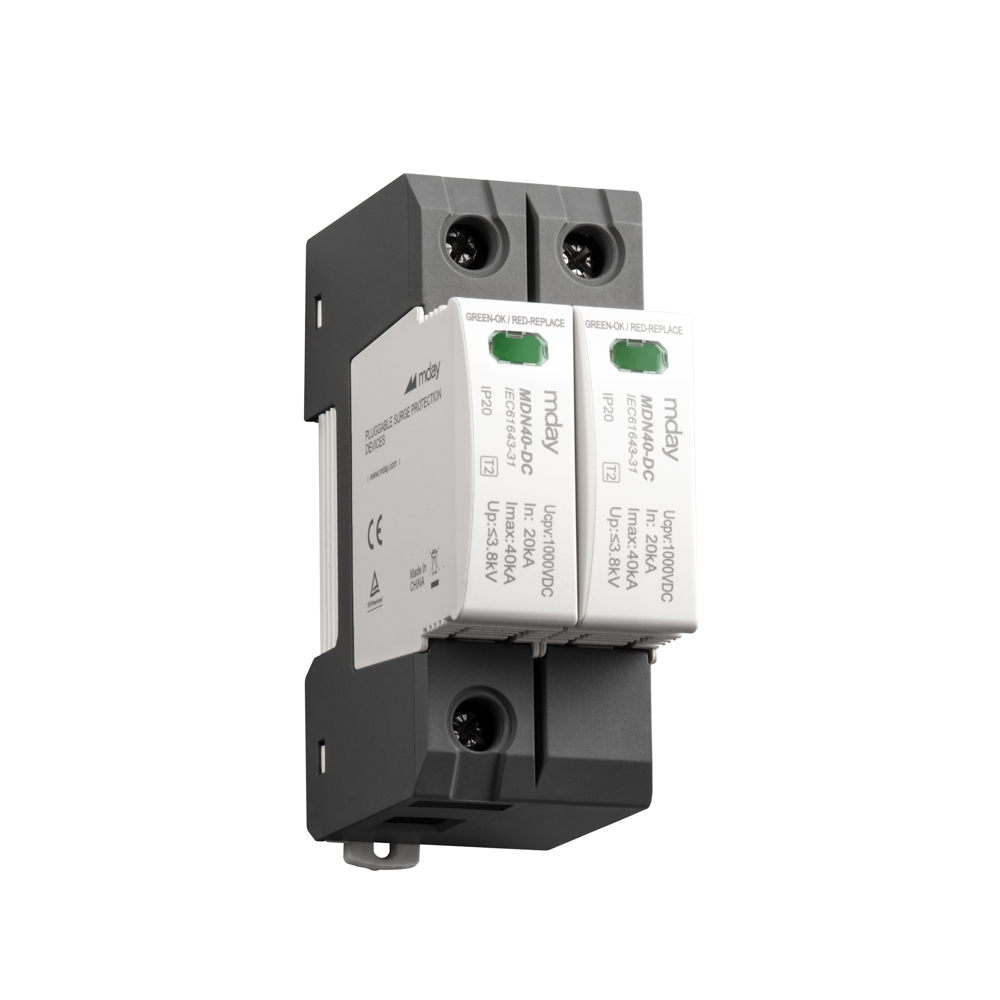
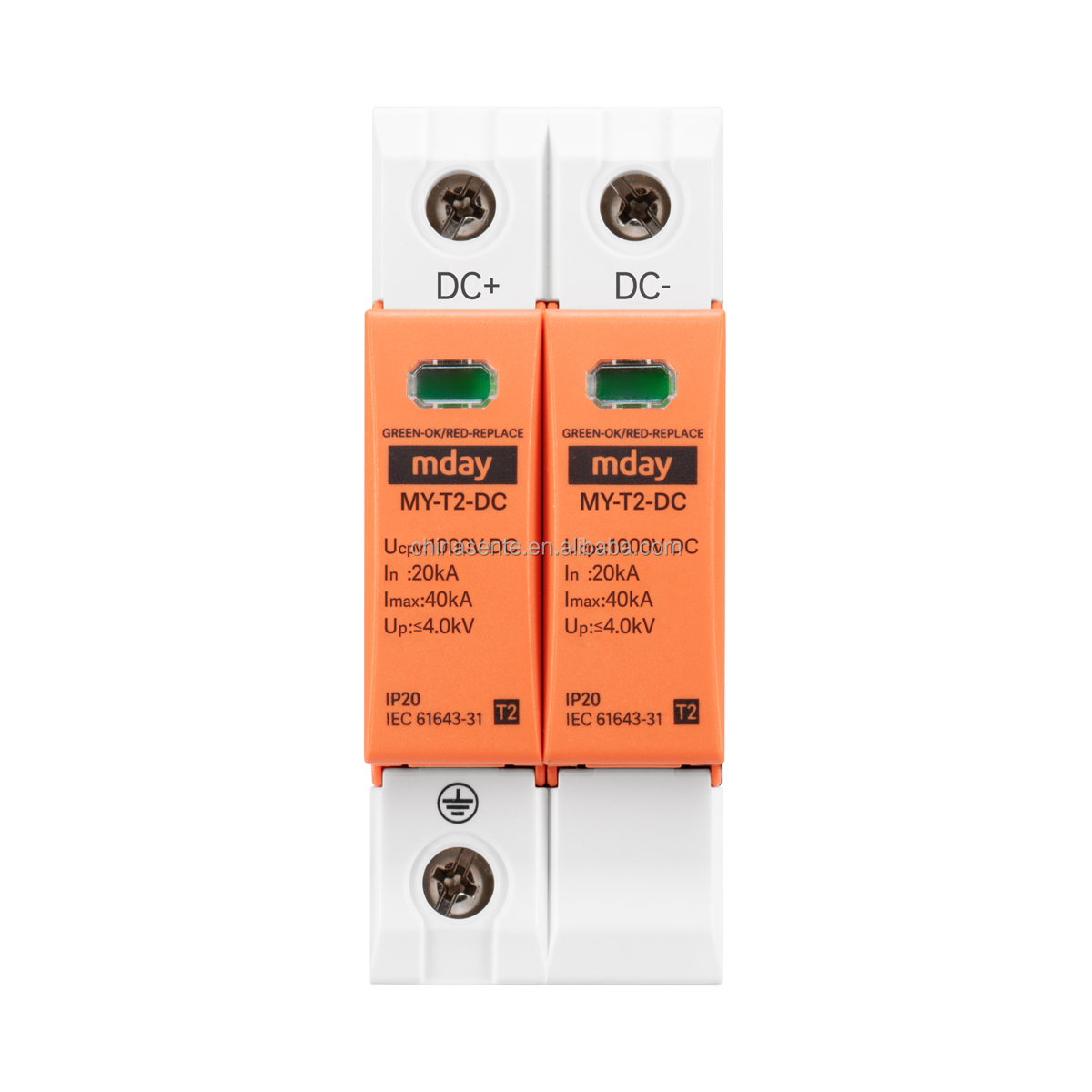
| Solar DC SPD (Type 2 / Type 1+2) | Transient Voltage Spikes & Lightning Surge Currents | Non-linear Metal Oxide Varistors (MOV) clamping voltage to safe limits | Replaceable plug-in cartridge modules; status indicator window | EN 50539-11, IEC 61643-31 |
| Solar gPV Fuse Link & Holder | Low Overcurrents & Reverse String Currents | Fast-blow sacrificial ceramic element in silica sand matrix | One-time operation; requires fuse cartridge replacement | IEC 60269-6, UL 248-19 |
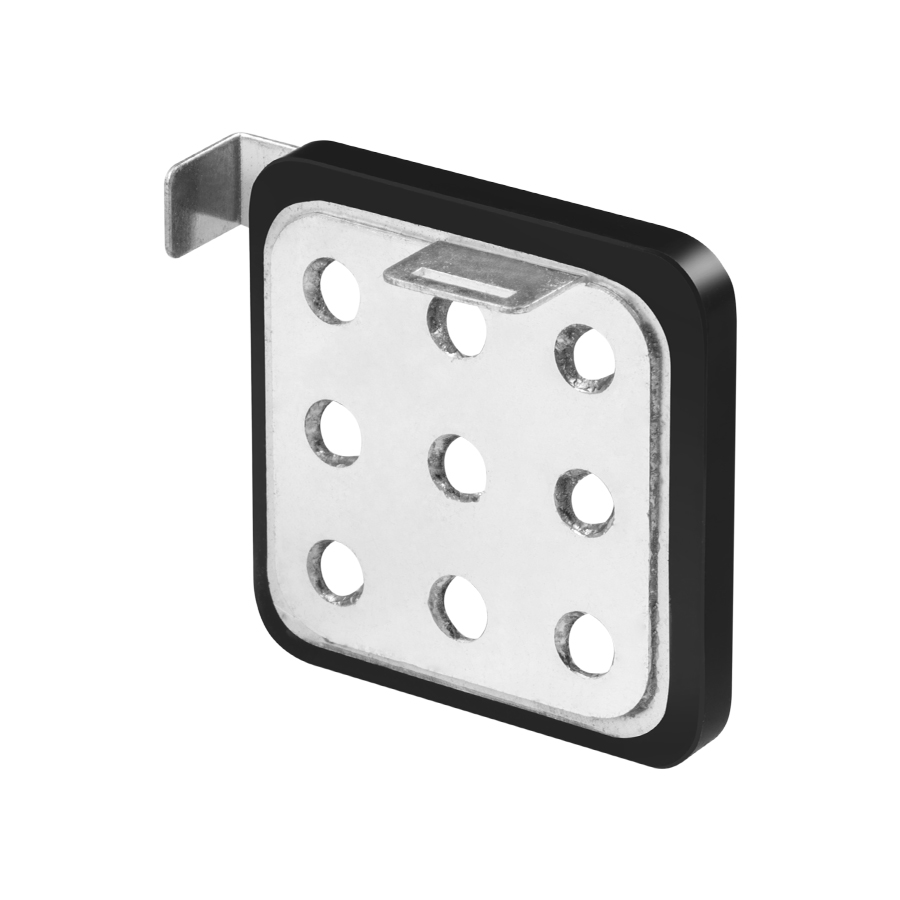
| 34mm Square MOV Component | Internal Component-Level Voltage Clamping | High-energy zinc oxide ceramic disc within SPD enclosures | Embedded core component designed for high surge absorption | TÜV Rheinland, UL 1449 |
2. Future Global Procurement Trends in Solar DC Protection (2025–2030)
Sourcing strategies for utility-scale PV developers and global electrical wholesalers are undergoing fundamental shifts driven by system efficiency goals, grid integration demands, and regulatory tightening. Key market evolutions include:
1500V DC Architecture Dominance
Large-scale solar farms are standardizing on 1500V DC string voltages to minimize line losses and cable costs. Breakers must offer higher creepage distances and reinforced multi-pole series connections.
Bi-Directional Battery Protection
With the exponential expansion of Solar + Energy Storage Systems (BESS), circuit breakers must manage bi-directional power flows, protecting lithium battery banks against both charging overload and discharge short circuits.
Traceable E-E-A-T Sourcing
Global buyers are moving away from unverified vendors. Procurement guidelines prioritize third-party factory assessments (such as TÜV Rheinland onsite audits) and full component traceability.
3. Technological Breakthroughs & Engineering Innovations in Solar Breakers
Modern Photovoltaic Breakers produced by leading Chinese manufacturers incorporate key metallurgical and structural innovations that enhance reliability in hostile outdoor climates:
- Silver Alloy Contact Sintering: Utilizing specialized AgCdO or AgZnO contact points guarantees low contact resistance, reducing internal operating temperatures and preventing thermal runaway during continuous 100% duty cycles.
- Non-Polarity Magnetic Arc Quenching: Traditional DC breakers require strict wiring orientation (positive/negative terminal matching). Advanced non-polarized DC MCBs feature symmetrical magnetic arc blowouts, completely eliminating installer wiring error risks in field-assembled combiner boxes.
- Thermal-Magnetic Temperature Compensation: Solar enclosures often endure ambient operating environments ranging from -40°C to +70°C. Advanced bi-metallic elements are engineered with calibrated temperature derating curves, preventing nuisance tripping under intense solar irradiance.
4. Sourcing & Quality Control Checklist for B2B Procurement Managers
When auditing a China Solar DC Circuit Breaker Factory or Wholesaler, engineering teams must look beyond initial price quotes. A robust factory evaluation checklist should verify:
- In-House Injection Moulding: Does the supplier mould their own breaker housings using flame-retardant, high-impact polycarbonate (UL94 V-0 rated)?
- Laboratory Testing Infrastructure: Are there internal short-circuit impulse generators, calibration benches, and thermal-rise testing rigs? Luck New Energy operates 9 specialized laboratory instruments for comprehensive batch verification.
- Finished Product Inspection (100% Audit): Every single breaker unit must undergo automatic magnetic trip calibration, dielectric withstand testing, and contact resistance checks prior to export packaging.
5. Comprehensive B2B Procurement FAQ
What is the difference between an AC circuit breaker and a dedicated Solar DC circuit breaker?
AC breakers rely on the alternating current zero-crossing point (where voltage drops to zero 100+ times a second) to extinguish electrical arcs. DC current maintains constant voltage without zero-crossings. A dedicated DC breaker features specialized internal permanent magnets to physically stretch and blow the arc into arc splitter chutes. Installing an AC breaker in a high-voltage DC circuit can result in catastrophic arc flash failures, fires, and total station damage.
Why choose Luck (Zhejiang) New Energy Co., Ltd. as your OEM supplier in China?
Luck New Energy is located in Yueqing, Wenzhou—the global capital of low-voltage electrical manufacturing. We operate a TÜV Rheinland onsite-verified facility equipped with 3 production lines, 9 specialized testing instruments, and over 12 years of dedicated PV protection engineering experience. We offer complete OEM/ODM customization, private labeling, custom current ratings, and fast shipping (2 to 7 days for standard models).
What standards and certifications do your DC protection components hold?
Our product range complies strictly with international safety standards: DC Circuit Breakers conform to IEC/EN 60947-2 with CE marking; Surge Protective Devices (SPD) carry VDE and CE approvals; Metal Oxide Varistors (MOV) are TÜV certified; and DC Fuse Holders are built to UL 248-19 and IEC 60269-6 specifications.
How do I correctly size a DC MCB or MCCB for a Photovoltaic String or Inverter Input?
The rated continuous current (In) of the DC breaker should generally be sized at 1.25 times the calculated Short Circuit Current (Isc) of the PV string or array, adjusted for maximum ambient operating temperatures. The maximum open-circuit system voltage (Voc at minimum expected temperature) must not exceed the rated DC operational voltage (Ue) of the multi-pole breaker configuration.
What are the order Minimum Order Quantities (MOQ) and lead times for wholesale purchases?
Our flexible manufacturing system supports MOQs ranging from 5 to 200 pieces depending on the product model and custom packaging requirements. Standard catalog items ship within 2 to 7 business days, while customized OEM/ODM private-label orders are scheduled swiftly post sample sign-off.
Ready to Upgrade Your Solar Electrical Protection Protection Line?
Connect directly with our senior application engineers in Yueqing, China. Request full product datasheets, OEM pricing schedules, and certified test reports today.
Get Catalog & Request Quote