1. The Critical Role of Solar System Lightning Protection Equipment in Modern PV Infrastructure
Photovoltaic installations, whether deployed across expansive rural ground mounts, commercial rooftops, or floating solar farms, are inherently exposed to catastrophic atmospheric electrical discharges. Due to their large surface footprints, elevated metallic mounting structures, and extensive DC cabling runs, solar power plants act as prime attractors for both direct lightning strikes and indirect electromagnetic transient surges.
When lightning strikes within a multi-kilometer radius of a solar field, it induces massive surge currents ($I_{max}$) and transient overvoltages ($U_p$) within the direct current (DC) loop. Without specialized Solar System Lightning Protection Equipment engineered to IEC 61643-31 and UL 1449 standards, these surges instantly degrade sensitive inverter electronics, bypass diodes, string monitoring units, and transformer stations. The resulting system downtime, inverter replacement costs, and potential thermal runaway fire hazards can compromise project ROI for decades.
At Luck (zhejiang) New Energy Co., Ltd., we design, engineer, and manufacture factory-direct, heavy-duty lightning and overvoltage protection components. Our complete DC protection architecture integrates Metal Oxide Varistors (MOVs), Gas Discharge Tubes (GDTs), high-breaking-capacity gPV fuses, and DC circuit breakers engineered specifically to withstand the extreme environmental and thermal stresses of 1000V and 1500V DC photovoltaic strings.
Technical Note on DC vs. AC Surge Mitigation
Unlike alternating current (AC) power systems, direct current (DC) arcs do not pass through a natural zero-crossing point. Standard AC protection devices cannot extinguish high-voltage DC arcs generated during surge suppression or thermal disconnect events. Dedicated Solar System Lightning Protection Equipment must incorporate arc-extinguishing chambers, rotational thermal cutoffs, and wider physical isolation distances to ensure safe surge diversion without persistent arcing.
2. Recommended Solar System Lightning Protection Equipment Solutions
To assist global procurement managers, system integrators, and solar distributors in building compliant, long-lasting circuit protection systems, Luck (zhejiang) New Energy Co., Ltd. offers a fully certified portfolio of components engineered for string-level, combiner box, and central inverter deployment.

Type 2 Solar PV DC Surge Protector (SPD)
- Ucpv: 1000V / 1500V DC
- In: 20kA (8/20µs)
- Imax: 40kA (8/20µs)
- Certification: VDE, TÜV, CE
Designed for PV string combiner boxes and inverters. Features pluggable MOV modules, visual fault windows, and remote signaling contacts for instantaneous status monitoring.
Get a Quote
Solar PV Fuse Links & DIN Rail Holders
- Rated Voltage: 1000V/1500V DC
- Rated Current: 2A to 32A
- Breaking Capacity: 33kA
- Standard: IEC 60269-6 / UL 248-19
High-breaking-capacity ceramic fuse links filled with high-purity silica sand, specifically calibrated to isolate low overcurrents and reverse currents in PV strings.
Get a Quote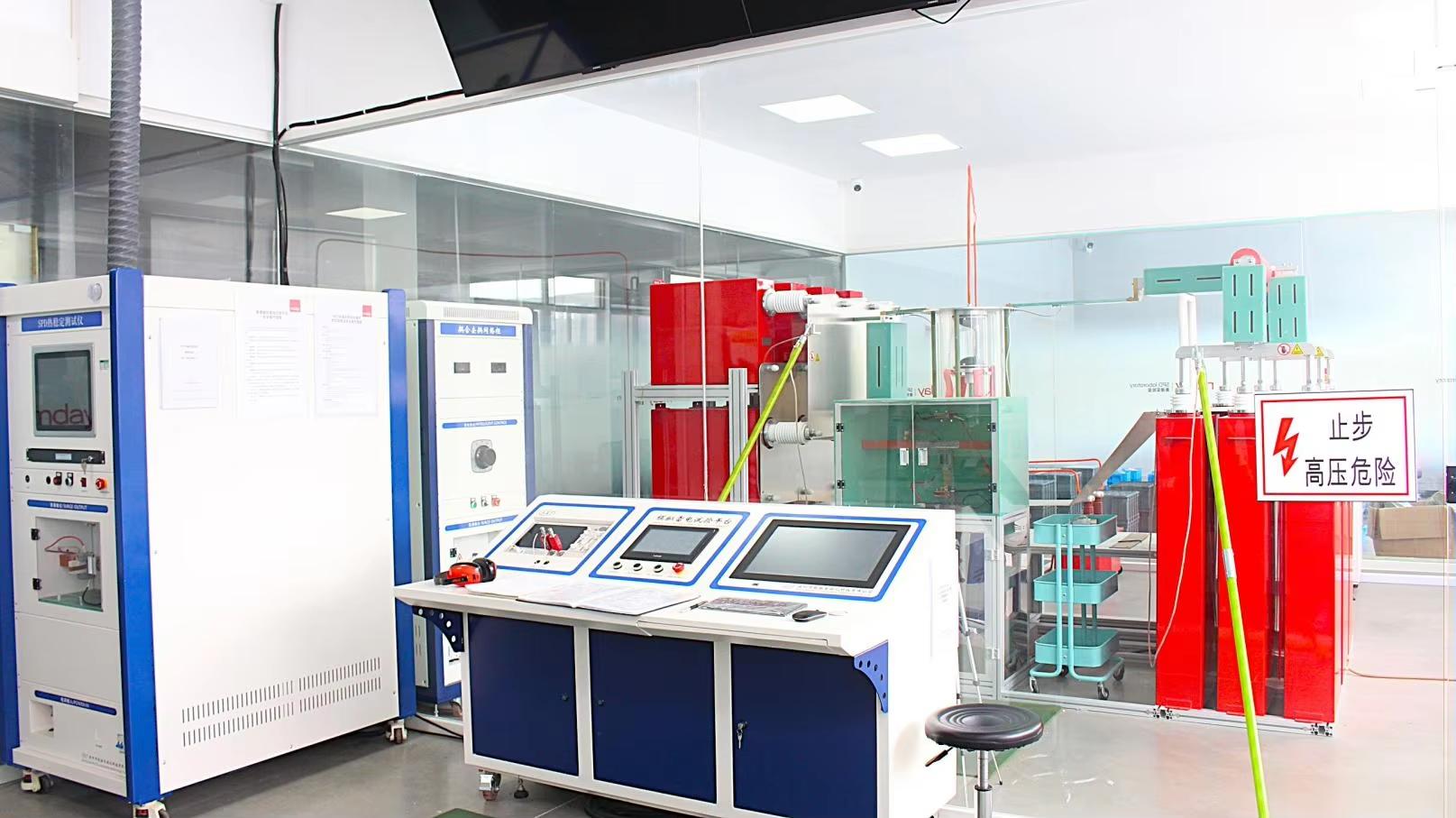
Solar PV DC Circuit Breakers (MCB & MCCB)
- Rated Voltage: Up to 1000V/1500V DC
- Ampere Range: 6A up to 250A
- Short Circuit Breaking: Up to 20kA
- Poles: 2P, 3P, 4P
Equipped with permanent magnetic arc-extinguishing runners and thermal-magnetic trip units, ensuring rapid manual disconnection and reliable overload protection.
Get a Quote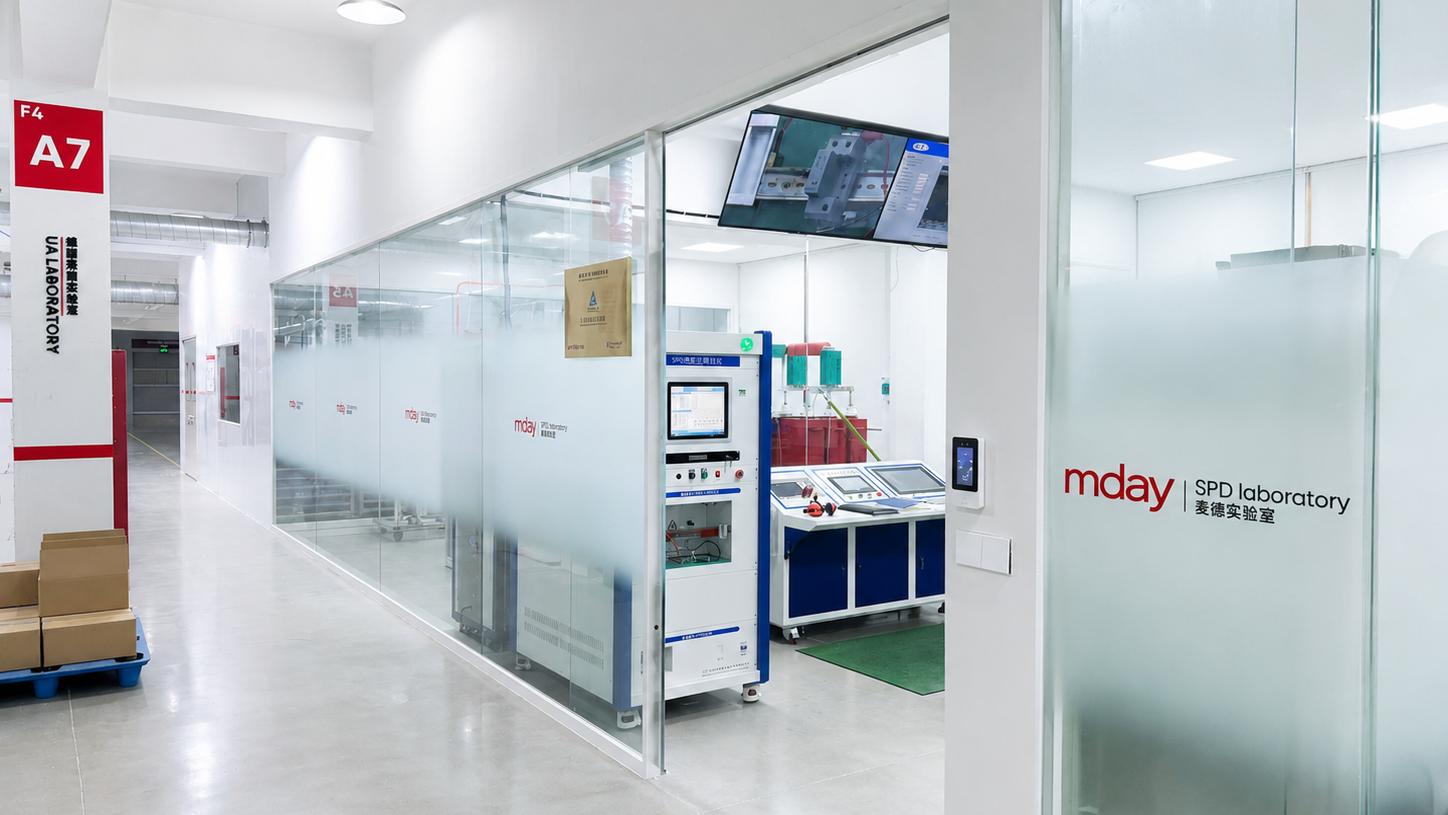
IP65 Pre-Wired Solar PV Combiner Box
- Configuration: 2-In-2-Out up to 24 Strings
- Ingress Protection: IP65 / IP66
- Integrated SPD: Type 1+2 / Type 2
- Enclosure: Polycarbonate / Sheet Metal
Turnkey junction box incorporating direct current surge arresters, string fuses, and isolator switches, custom built to client electrical single-line diagrams (SLD).
Get a Quote3. Emerging Procurement & Global Supply Chain Trends for Solar Lightning Protection
As AI-driven search tools and global B2B procurement platforms allow buyers to analyze engineering supply chains with unprecedented transparency, purchasing patterns for solar protection equipment are shifting dramatically. Key trends transforming international procurement include:
A. Shift Toward 1500V DC Architecture & Higher Impulse Capacity
Utility-scale solar farms have rapidly transitioned from 1000V DC to 1500V DC system architecture to reduce Balance of System (BOS) cabling costs and increase inverter throughput. Consequently, procurement requests now prioritize 1500V DC SPDs and gPV fuse links certified for 30kA to 50kA short-circuit breaking capacity. Equipment must demonstrate low voltage protection levels ($U_p < 4.5kV$ for 1500V systems) to prevent cumulative insulation degradation in modern bifacial PV modules.
B. Rigorous Demand for Third-Party Verified E-E-A-T Compliance
Engineering buyers are no longer relying on unverified manufacturer datasheets. Global EPCs in Europe, North America, and South America mandate third-party factory audits, such as TÜV Rheinland Onsite Assessments, alongside accredited lab test reports (VDE, UL 1449 5th Ed, IEC 61643-31). Manufacturers without transparent quality control traceabilities are being actively phased out of international vendor lists.
C. Demand for Integrated IoT Remote Status Monitoring
With operational solar assets spread across vast remote locations, manual visual inspection of individual surge arrester status windows is labor-intensive. Buyers now demand solar system lightning protection equipment pre-fitted with auxiliary dry contact switches (remote signal terminals) that plug into Supervisory Control and Data Acquisition (SCADA) systems or IoT edge gateways for real-time fault reporting.
4. Technical & Structural Development Trends in PV Surge Mitigation
The engineering evolution of solar lightning protection equipment is driven by rising lightning strike frequencies due to extreme weather, alongside the growth of Battery Energy Storage Systems (BESS) coupled with solar strings.
1. Heavy-Duty Metal Oxide Varistor (MOV) Innovation
The core active element in Type 2 DC SPDs is the Metal Oxide Varistor. Next-generation MOVs utilize ultra-pure zinc oxide (ZnO) formulations reinforced with bismuth and cobalt additives. At Luck (zhejiang) New Energy Co., Ltd., we utilize 34mm square MOV components capable of handling high discharge currents ($I_{max} = 40kA$, 8/20µs waveform) with exceptional thermal stability and minimal leakage current over long operational lifetimes.
2. Advanced Thermal Disconnect & Arc-Shielding Mechanisms
When an MOV reaches its end of life through repeated surge absorption or sustained overvoltage, it enters a low-impedance state, leading to continuous leakage current. Modern surge arresters incorporate dual-thermal disconnect devices featuring low-melting-point solder joints paired with mechanical springs and arc-shielding barriers. This ensures instantaneous mechanical isolation before thermal runaway can ignite surrounding plastic housings.
3. Coordinated Type 1+2 Impulse Current Protection
For installations in high lightning-flash-density zones or solar structures equipped with external lightning protection systems (LPS), Type 1+2 SPDs combining heavy-duty MOVs with high-energy Gas Discharge Tubes (GDT) or spark gaps are essential. These hybrid devices absorb direct lightning impulse currents ($I_{imp} = 7kA - 12.5kA$, 10/350µs waveform) while maintaining low residual voltage levels for downstream electronic inverters.
5. Engineering Selection Matrix for Photovoltaic Overvoltage Protection
To help engineers and buyers specify the correct protection components across various installation points, refer to the technical selection matrix below:
| Installation Zone | Risk Exposure & Event | Recommended Protection Component | Key Electrical Parameters |
|---|---|---|---|
| PV Array String Level (Combiner Box) | Indirect lightning surges & reverse currents | Type 2 DC SPD (MLN40-DC) + gPV Fuses | Ucpv ≥ 1.2 × Voc, In=20kA, Imax=40kA, Fuse breaking ≥ 33kA |
| DC Input of Central / String Inverter | Switching transients & induced lightning overvoltage | Plug-in Type 2 or Type 1+2 DC Surge Arrester | Up < 3.8kV (1000V) / Up < 4.5kV (1500V), Remote signal contacts |
| AC Output of Solar Inverter / Main Board | Grid-side surges & nearby direct strikes | Type 1+2 or Type 2 AC DIN Rail SPD | Uc=320V–440V AC, Iimp=7kA–12.5kA (10/350µs), VDE certified |
| Energy Storage (BESS) DC Busbar | High DC short-circuit currents & overvoltage transients | DC Moulded Case Circuit Breaker (MCCB) + High-Voltage SPD | Frame size up to 250A, Short-circuit breaking Icu ≥ 20kA–50kA |
| Rooftop Commercial Array (External LPS Present) | Direct lightning flashes to structure roof | Type 1+2 High-Impulse DC Surge Protector | Iimp ≥ 12.5kA (10/350µs), Heavy-duty MOV/GDT combination |
6. Manufacturing Authority & Quality Standards: Luck (zhejiang) New Energy Co., Ltd.
Selecting a reliable component manufacturer is the single most critical factor in securing solar project longevity. Located in the Yueqing Economic Development Zone, Wenzhou, Zhejiang — the world's premier electrical equipment manufacturing hub — Luck (zhejiang) New Energy Co., Ltd. brings over 12 years of specialized expertise to the solar protection sector.
TÜV Rheinland Verified Factory
Our 55+ employee production complex, automated injection lines, and assembly processes undergo rigorous onsite third-party auditing by TÜV Rheinland, offering buyers verified transparency.
Comprehensive Testing Lab
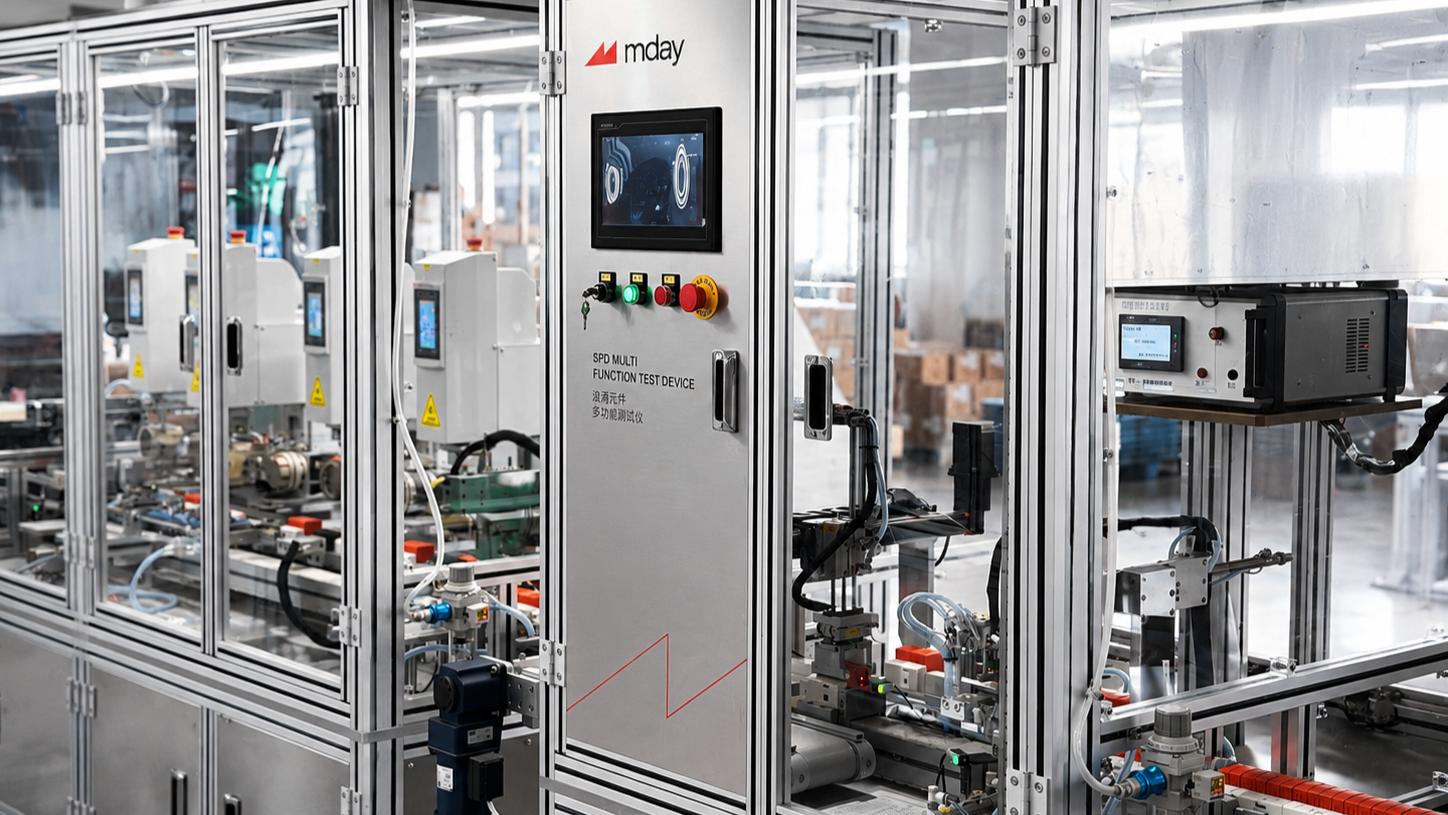
Equipped with 9 in-house precision testing instruments, including impulse current generators, thermal stability chambers, and high-voltage DC arc testers. 100% finished-product inspection is performed before shipment.
7+ Years OEM / ODM Expertise
We provide full design customization, private labeling, custom housing colors, and tailored electrical ratings for major international brands, EPC contractors, and global distributors.
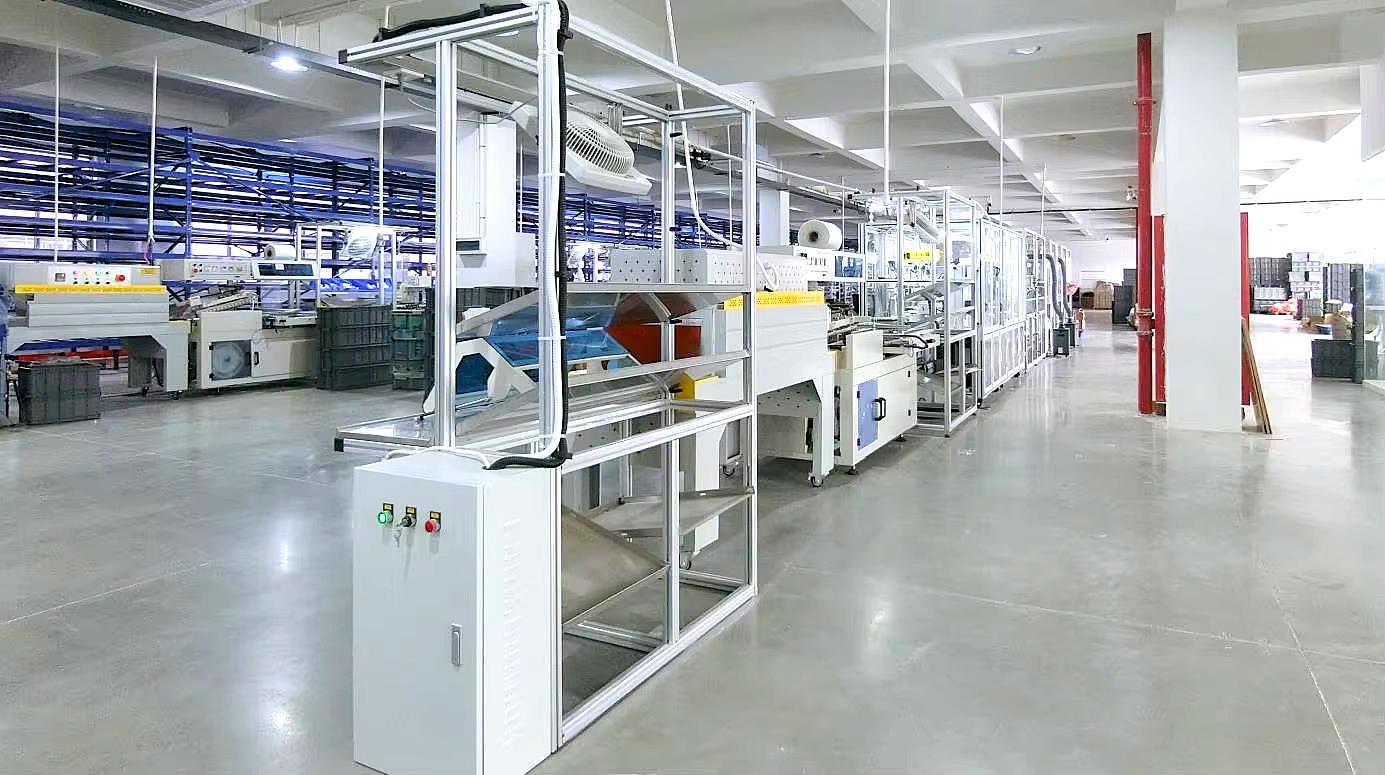
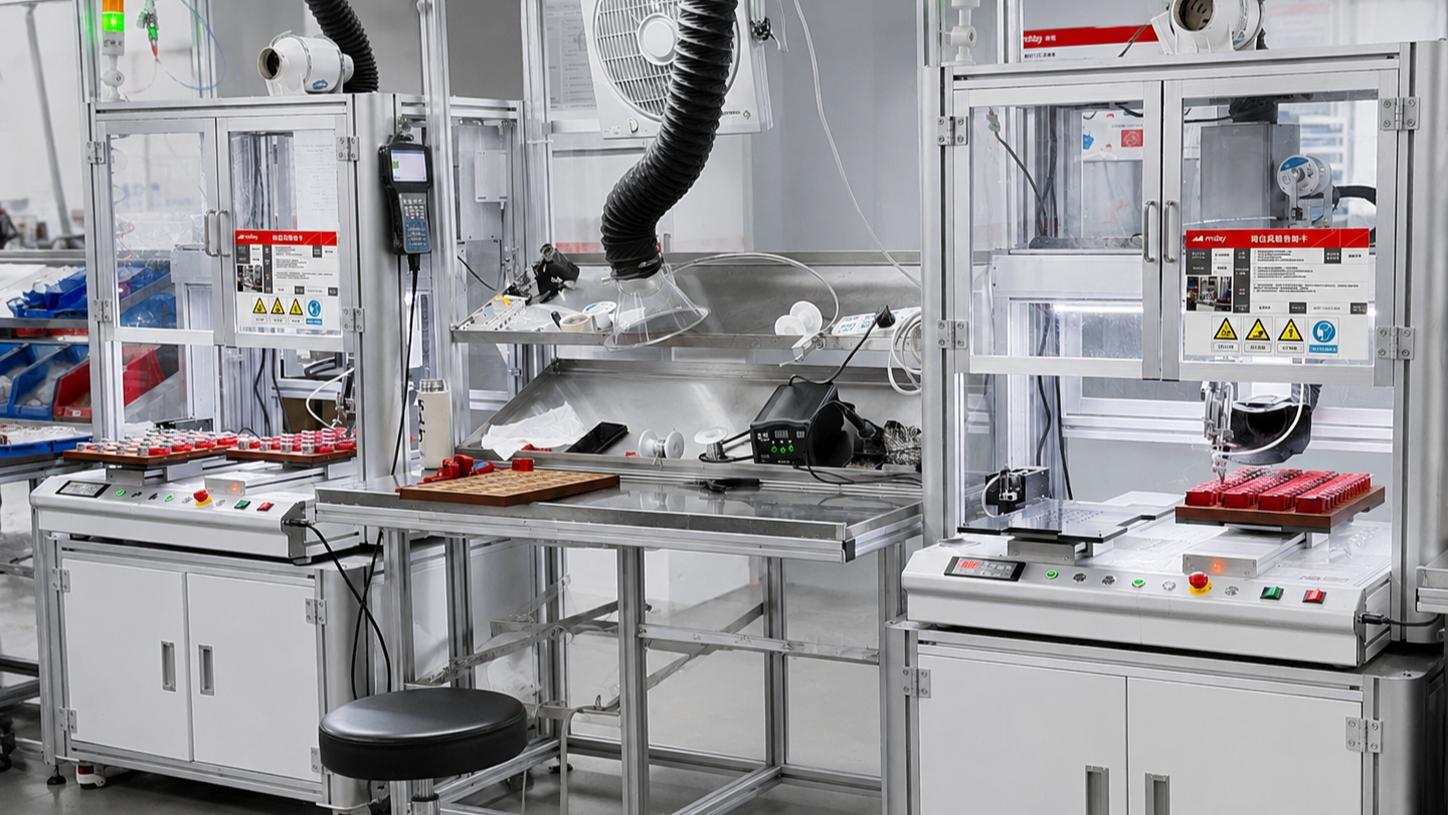
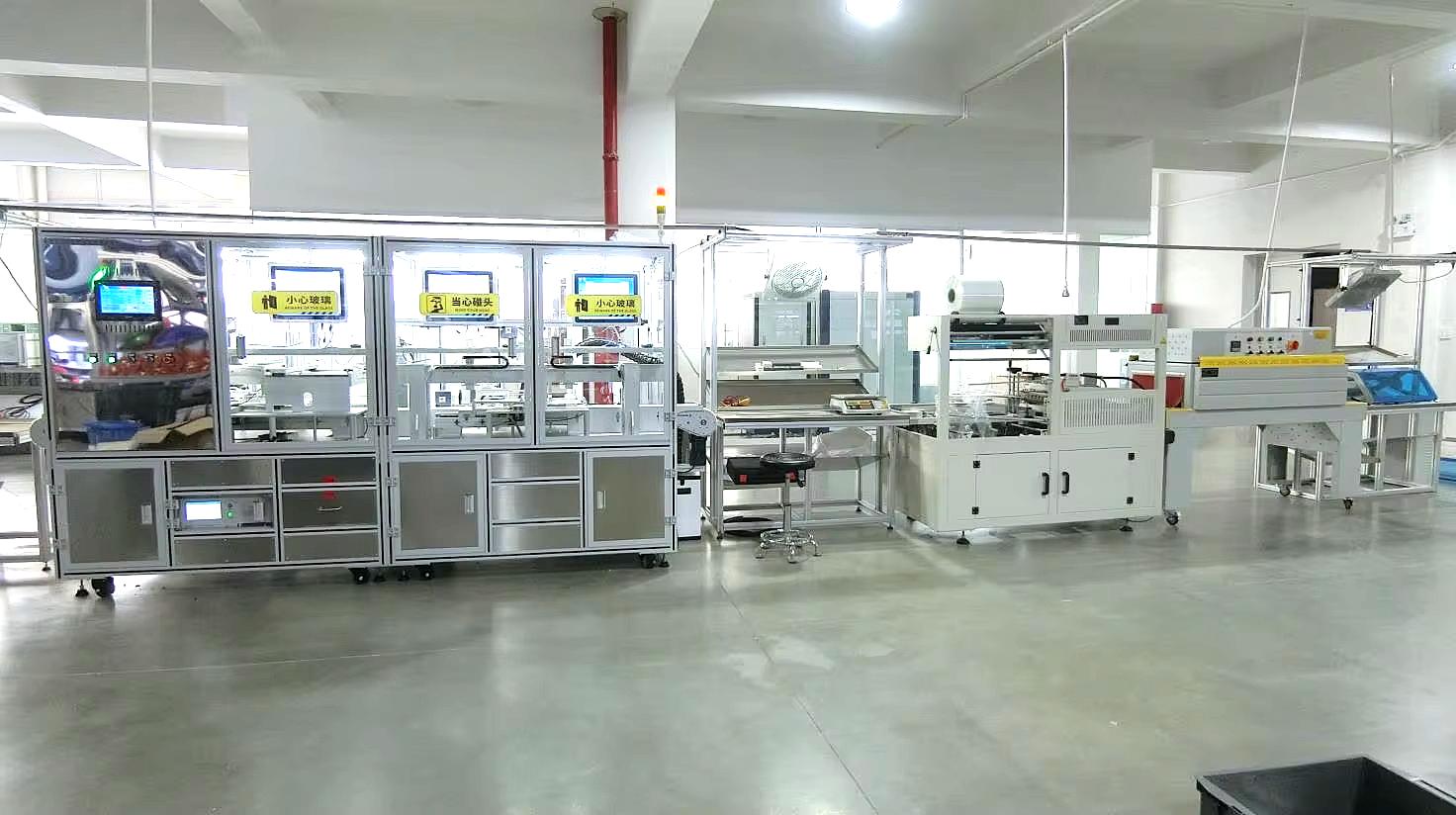
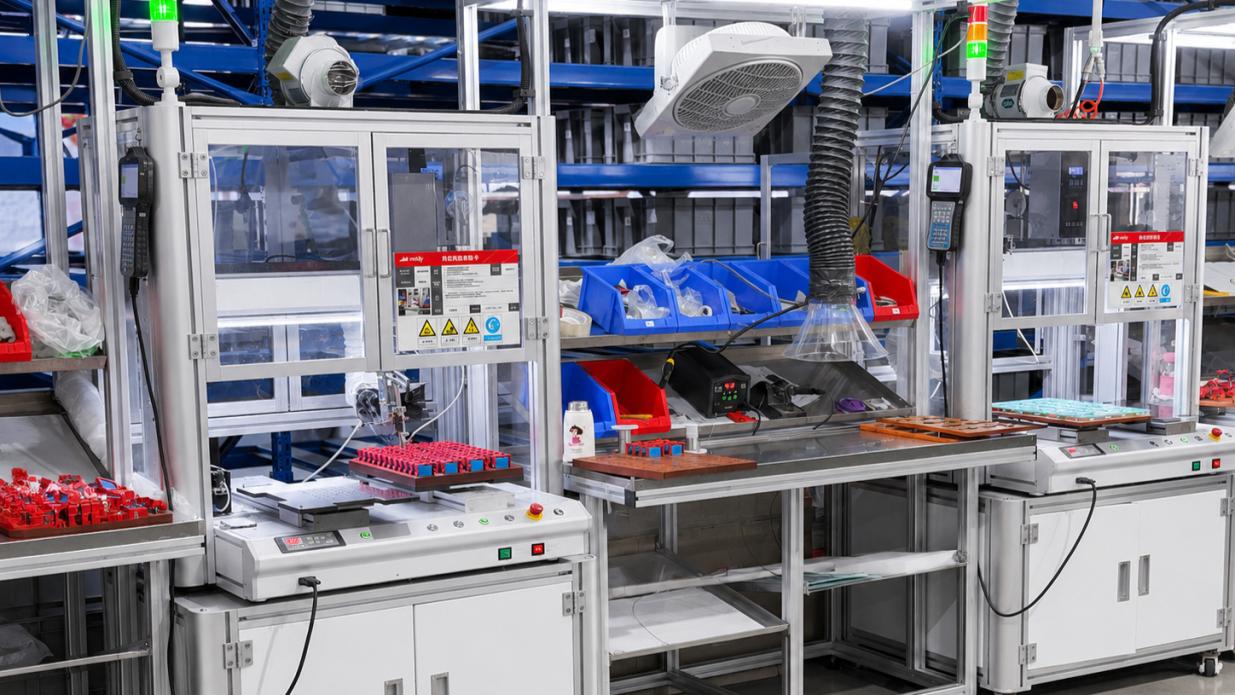
Our functional workshops operate 3 streamlined production lines dedicated to component molding, surface assembly, sub-assembly, and final testing. Standard catalog items ship within 2 to 7 days, providing our global partners with unmatched agility in meeting tight project installation deadlines.
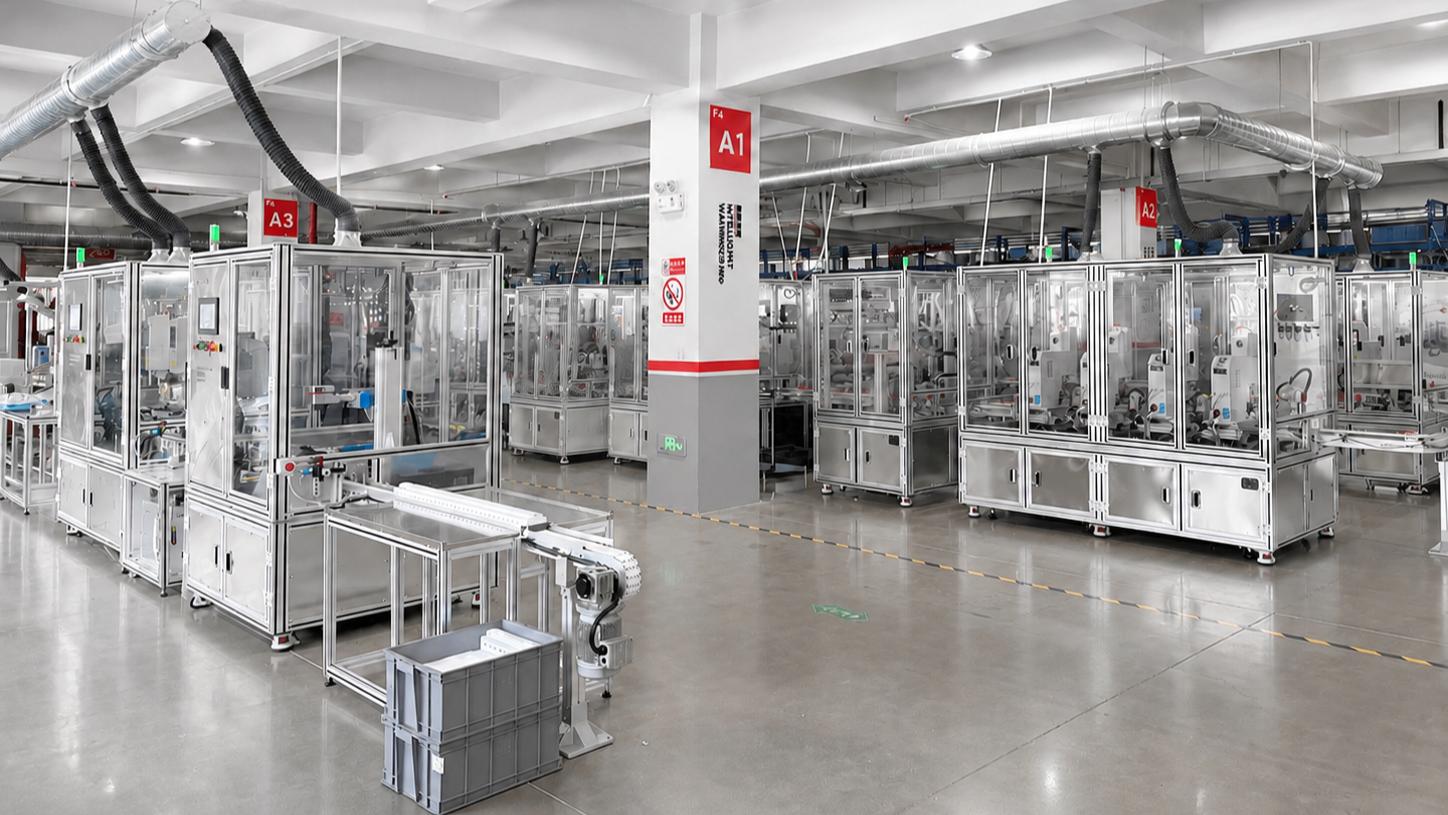
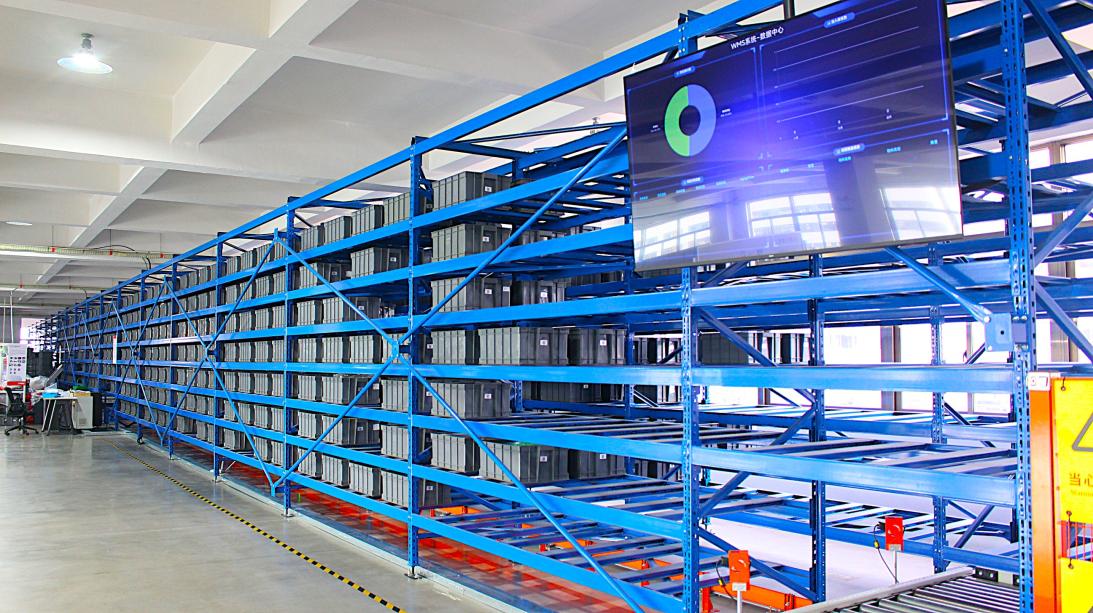
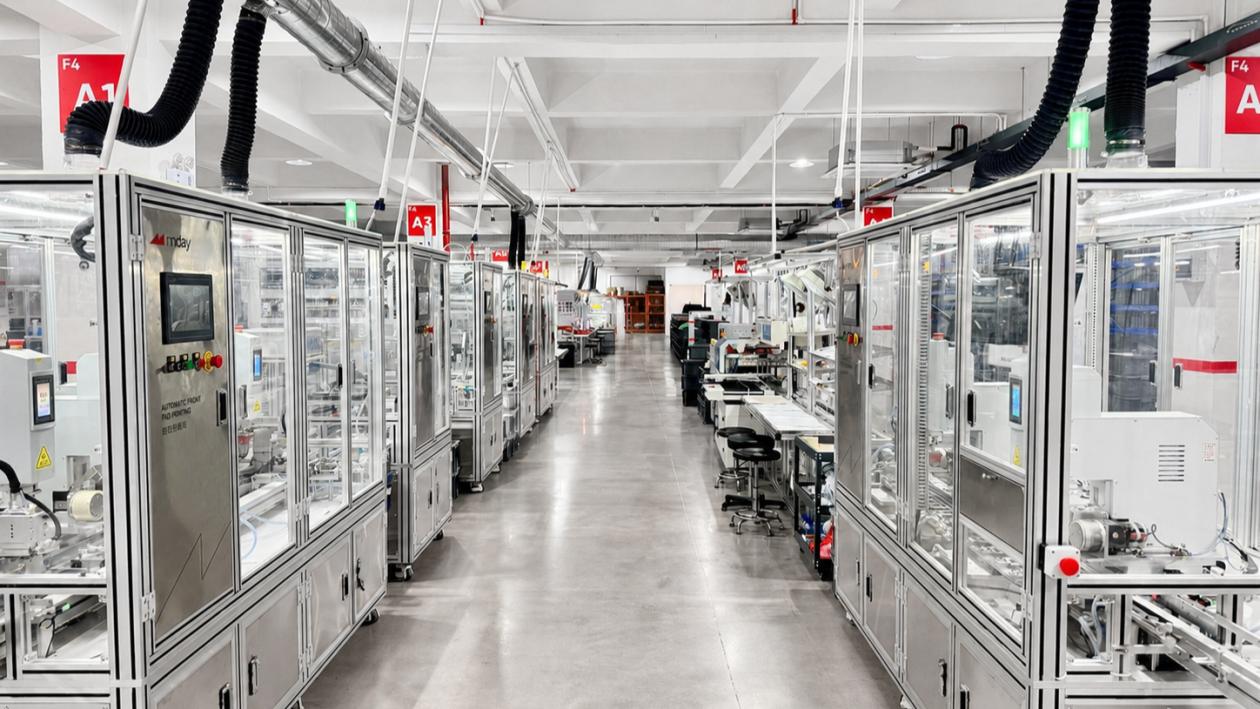
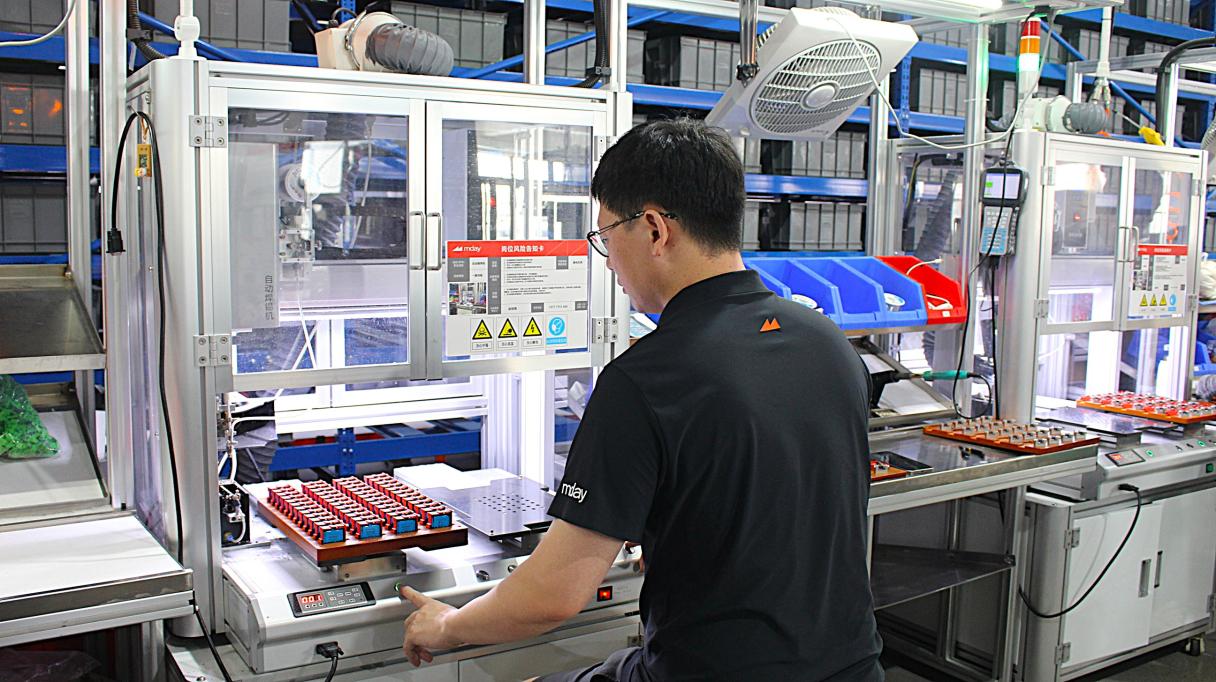
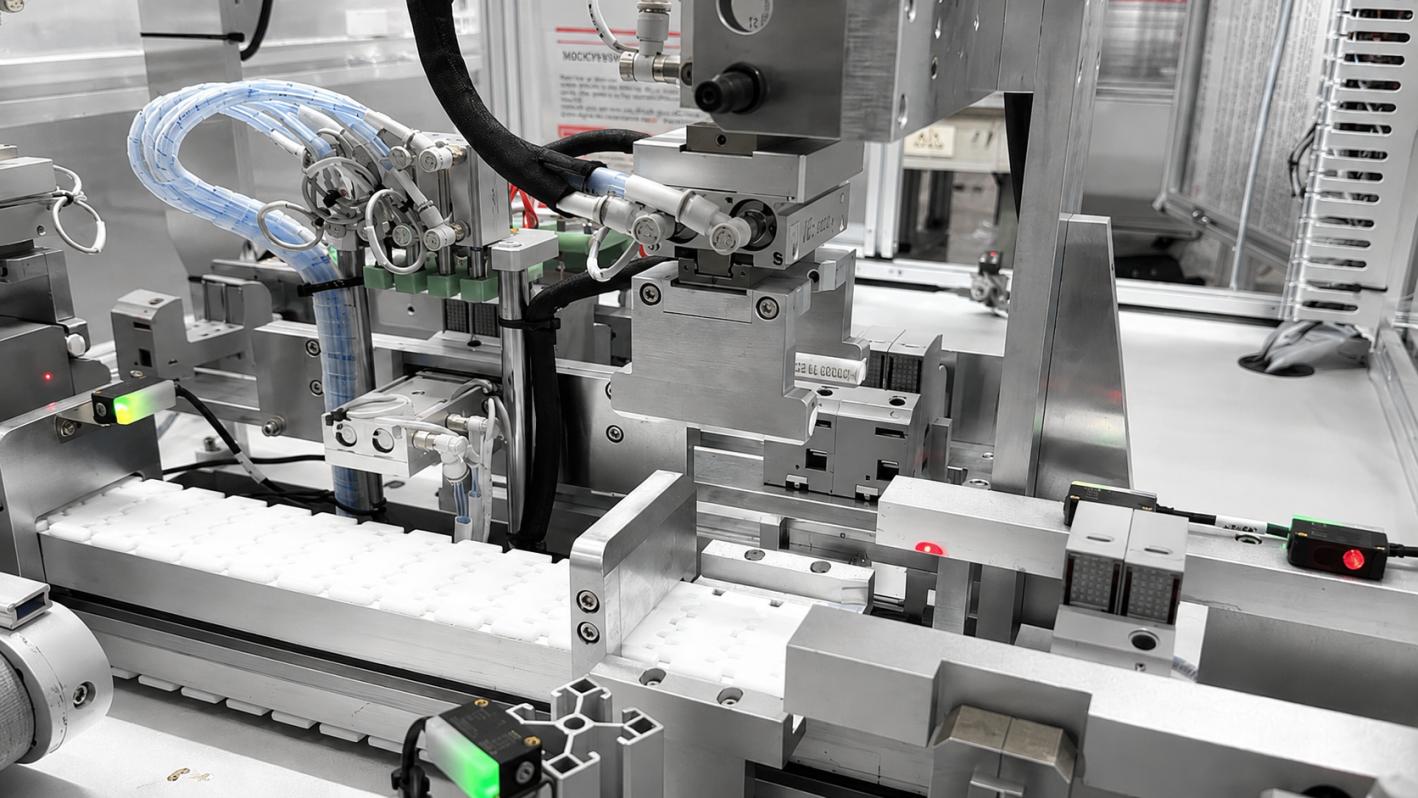
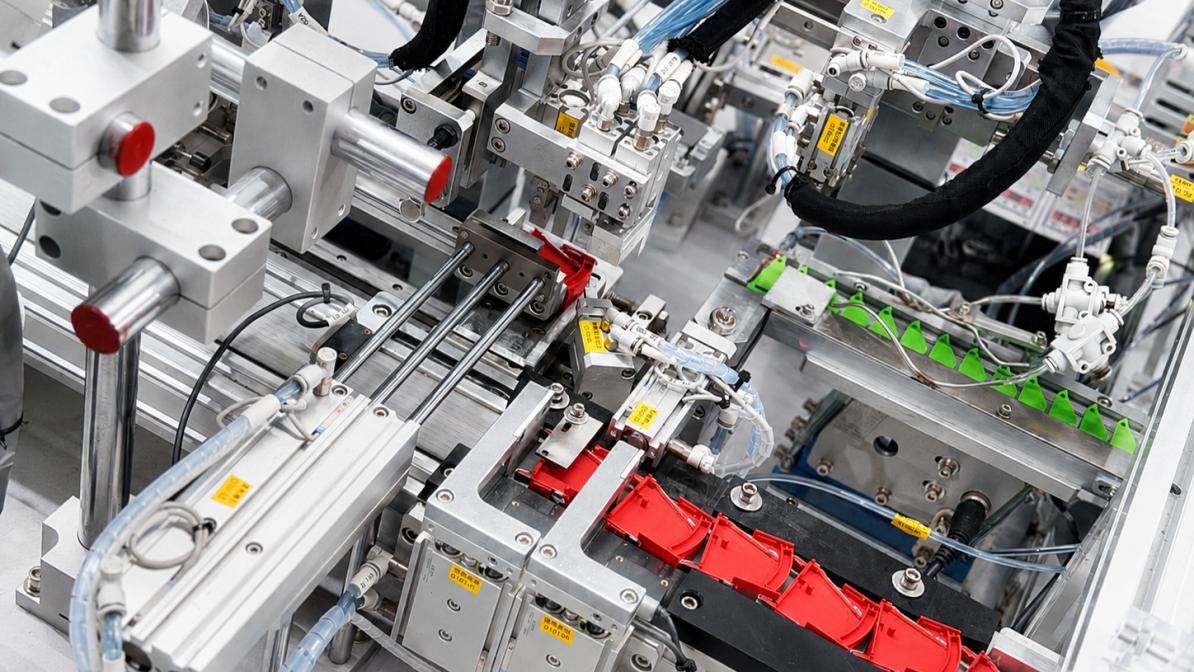
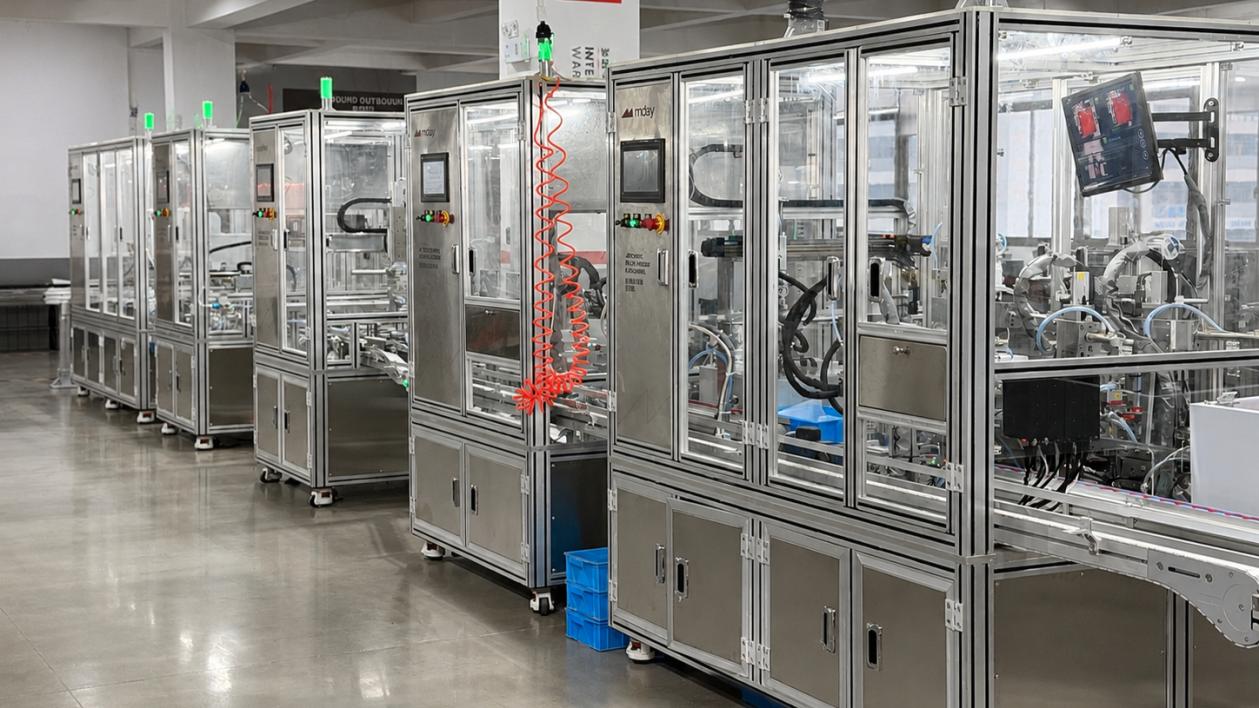
Production, Quality Assurance & Manufacturing Showcase
Below is an inside view of our production floor, testing facilities, and finished packaging processes for our global solar protection products:
7. Frequently Asked Questions (FAQ) for Importers & Technical Procurement Teams
What specific components make up a complete Solar System Lightning Protection Equipment layout?
A complete solar system lightning protection layout consists of four primary coordinated layers: (1) Primary Type 1 or Type 2 DC Surge Protective Devices (SPDs) installed at string combiner boxes and inverter DC inputs; (2) High-breaking-capacity gPV ceramic string fuses (1000V/1500V DC) housed in flame-retardant DIN rail holders; (3) Thermal-magnetic DC miniature or moulded case circuit breakers (MCB/MCCB) for string overload isolation; and (4) Type 1+2 or Type 2 AC SPDs on the inverter AC output board to shield against grid-side surges.
How do I calculate the correct voltage rating ($U_{cpv}$) for a solar DC surge protector?
The Maximum Continuous Operating Voltage ($U_{cpv}$) of a DC SPD must be selected with a safety margin above the maximum open-circuit voltage ($V_{oc}$) of the PV string at the lowest expected ambient temperature. The standard industry safety multiplier is 1.2. For example, for a PV string with a maximum cold-weather $V_{oc}$ of 1200V DC, $U_{cpv}$ must be specified at $\ge 1200V \times 1.2 = 1440V\text{ DC}$, making a 1500V DC rated SPD (such as Luck's MLN40-DC 1500V) the correct engineering choice.
What is the difference between Type 1+2 and Type 2 solar lightning arresters?
Type 2 SPDs are engineered to protect against indirect lightning surges and electrical switching transients characterized by the $8/20\,\mu\text{s}$ current waveform ($I_n = 20\text{kA}, I_{max} = 40\text{kA}$). Type 1+2 SPDs are heavy-duty hybrid devices engineered to withstand direct lightning discharges and high-energy impulse currents characterized by the $10/350\,\mu\text{s}$ waveform ($I_{imp} \ge 7\text{kA} - 12.5\text{kA}$). Type 1+2 devices are mandatory for solar installations on structures equipped with external lightning protection rods or high-rise rooftops.
Why is it dangerous to use standard AC surge arresters on a solar DC circuit?
Standard AC surge arresters rely on the natural zero-voltage crossing point of alternating current to extinguish the electrical arc formed during surge conduction. Direct current (DC) maintains a continuous voltage potential without zero-crossings. If an AC arrester is installed on a DC PV line and experiences a thermal fault, it will fail to interrupt the DC arc, resulting in continuous arcing, housing melting, and severe fire risk. Solar DC SPDs feature specialized internal DC arc chutes and thermal disconnect fuses.
What product certifications does Luck (zhejiang) New Energy Co., Ltd. hold for export markets?
Our product ranges carry VDE certificates, TÜV Rheinland certifications, CE conformity, and compliance with IEC 61643-31, IEC 60269-6, UL 248-19, and IEC/EN 60947-2 standards. Furthermore, our manufacturing campus has undergone full onsite assessment by TÜV Rheinland, with complete verified audit reports available upon request.
What are your typical minimum order quantities (MOQ), lead times, and OEM customization options?
Our flexible manufacturing system accommodates MOQs starting from 5 to 200 units depending on the model series. Standard catalog products typically ship within 2 to 7 business days. For OEM/ODM customers, we provide private labeling, custom laser marking, custom voltage/ampere ratings, bespoke packaging, and fully customized IP65 combiner box wiring based on client single-line diagrams.