Engineering Whitepaper & Procurement Directory

Solar Photovoltaic Junction Box Procurement Guide: Thermal Mitigation, 1500V DC Architecture, and Global OEM Trends

In modern solar PV installations, the Solar Photovoltaic Junction Box serves as the central neural node of electrical connectivity and safety. Positioned on the reverse side of photovoltaic modules, this critical component houses bypass diodes, terminal contacts, potting compounds, and interconnecting cables. Its primary function is twofold: to transfer generated direct current (DC) smoothly from individual cell strings to external transmission cables, and to protect the PV panel against catastrophic hot-spot failure caused by partial shading, soiling, or cell breakdown.

As global solar installations transition rapidly toward 1500V DC operating voltages and high-efficiency N-Type TOPCon/HJT module architectures, procurement managers, system integrators, and EPC engineers face evolving technical demands. This comprehensive technical guide analyzes high-performance Solar Photovoltaic Junction Box engineering, future procurement trajectories, critical design parameters, and the specialized OEM/ODM capabilities delivered by Luck (zhejiang) New Energy Co., Ltd.

TÜV Rheinland logoOnsite-Verified Factory
VDE & TÜV Certified Products
UL 248-19 / IEC 60269-6 Compliance
1000V / 1500V DC Rated
Full OEM / ODM Service
Product Catalog

Recommended Solar Photovoltaic Junction Boxes & Circuit Protection Assemblies

Engineered for maximum thermal dissipation, long-term UV durability, and seamless integration into utility-scale, commercial, and residential solar arrays.

1500V Split Solar Photovoltaic Junction Box

Designed for high-current N-Type TOPCon and Bifacial solar modules up to 30A. Features a three-split layout that optimizes heat dissipation across the module frame and reduces potting silicone usage by 40%.

  • Rated Current: 15A – 30A
  • Rated Voltage: 1500V DC (IEC/UL)
  • Protection Level: IP68 Sealed Enclosure
  • Contact Resistance: < 0.5 mΩ

Request Specification

Integrated IP65/IP67 Array Combiner & Junction Enclosure

Engineered for string-level DC consolidation before inverter input. Combines high-voltage DC fuses, Type 2 surge protective devices (SPD), and isolator switches in a waterproof polycarbonate housing.

  • System Voltage: 1000V / 1500V DC
  • Inputs / Outputs: 2-in-2-out to 18-way options
  • Protection: Integrated 20kA/40kA DC Surge Protection
  • Standard Compliance: IEC 61439-2, IEC 60364-7-712

Inquire Custom Assembly

Smart Solar Junction Box with Module-Level Rapid Shutdown

Equipped with intelligent micro-controllers and power electronics to provide active module-level monitoring and automated rapid shutdown compliant with NEC 2020 / NEC 2023 690.12 safety guidelines.

  • Rapid Shutdown Time: < 30 Seconds
  • Max DC Input Voltage: 80V per module input
  • Max System Voltage: 1500V DC
  • Thermal Rating: -40°C to +85°C Operating Ambient

Contact Engineering Team

01
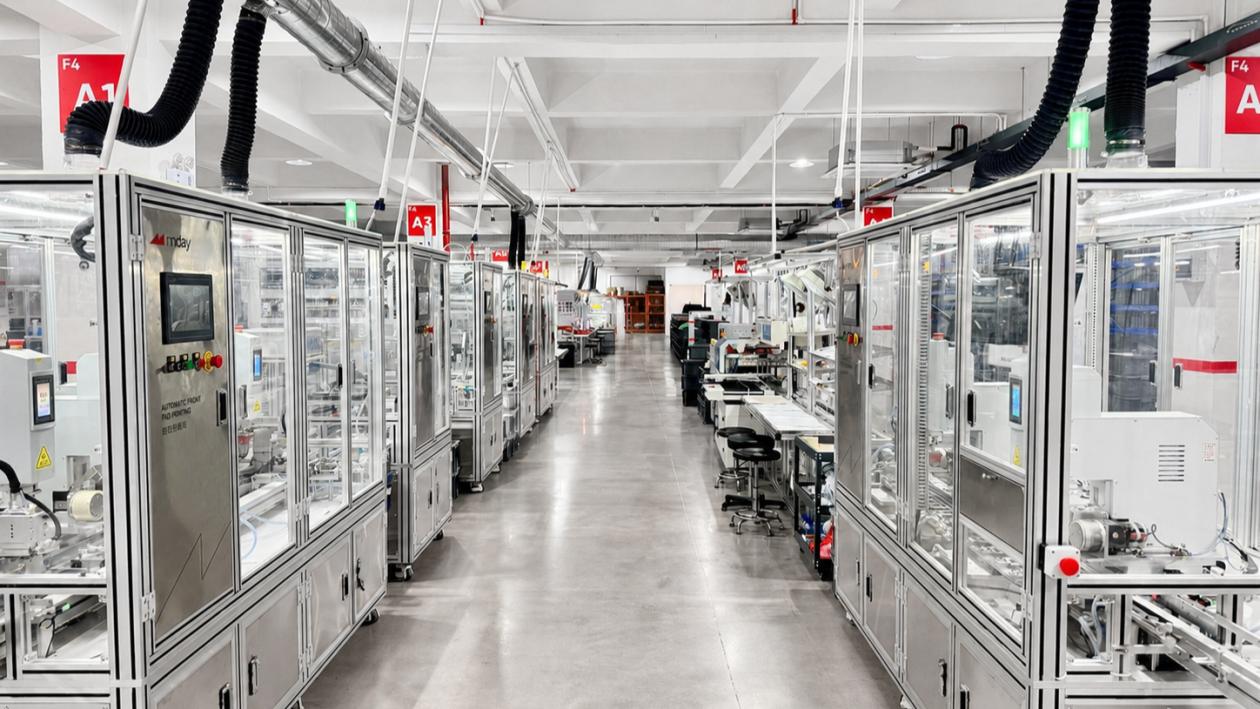
Luck New Energy Solar Photovoltaic Junction Box Manufacturing Facility

Solar Photovoltaic Junction Boxes

Built with flame-retardant PPO housings, high-efficiency Schott-barrier diodes, and IP68 potting for 25-year operational lifespans.

Get Quote
02
Solar PV DC Surge Protective Device

Surge Protective Devices (SPD)

Type 1+2 and Type 2 DC surge arresters designed for 1000V/1500V PV systems, offering pluggable cartridges and thermal disconnectors.

Get Quote
03
Solar PV Fuses and Fuse Holders

Solar PV Fuse Links & Holders

10×38mm and 14×51mm gPV ceramic fuses rated up to 1500V DC with 33kA breaking capacity for overcurrent array protection.

Get Quote

Industry Development Trends in Solar Photovoltaic Junction Box Technology

The global solar industry is undergoing rapid technical evolution, driven by the relentless pursuit of lower Levelized Cost of Electricity (LCOE) and enhanced grid reliability. The Solar Photovoltaic Junction Box lies at the intersection of these advancements, adapting to higher string currents, elevated system voltages, and stringent international safety mandates. Key market trends reshaping junction box design include:

1. Shift from 1000V DC to 1500V DC Standard Systems

Utility-scale solar power plants worldwide have predominantly standardized on 1500V DC architecture. Increasing string voltage reduces overall BOS (Balance of System) costs by allowing longer cable runs, fewer combiner boxes, and smaller conductor cross-sections. However, 1500V systems subject the Solar Photovoltaic Junction Box to higher electrical stress and dielectric challenges. Modern designs utilize high-insulation PPO/PC materials, elevated creepage distances (> 12mm), and silicone potting resins capable of withstanding extreme impulse voltages up to 12kV without breakdown.

2. Adoption of Split Junction Box Designs for High-Current Modules

As ultra-high-power PV modules exceed 600W+ (utilizing 182mm and 210mm wafer technologies), module short-circuit currents (Isc) routinely surpass 15A–20A. Traditional single-housing junction boxes experience concentrated thermal buildup when high currents pass through bypass diodes during partial shading. The industry has rapidly shifted to Three-Split Junction Boxes. By separating the bypass diodes into three distinct micro-housings mounted across the module edge, thermal energy is distributed over a broader surface area, lowering diode operating junction temperature ($T_j$) by 15°C–20°C and dramatically slowing silicone potting degradation.

3. Integration of Smart Electronics and Rapid Shutdown (RSD)

Safety standards such as National Electrical Code (NEC) Section 690.12 in North America and emerging CENELEC guidelines in Europe require rapid voltage de-energization at the individual module level during emergencies. Next-generation Smart Solar Photovoltaic Junction Boxes incorporate module-level power electronics (MLPE), including active bypass switches, integrated rapid shutdown chips, and wireless telemetry for real-time string monitoring. These advanced systems replace passive Schottky diodes with active MOSFET switches, reducing internal forward-voltage power dissipation by over 60%.
Global Sourcing & Procurement Trends for Solar PV Components

B2B solar buyers, module factory managers, and EPC contractors are restructuring their supply chain strategies to address geopolitical shifts, quality compliance, and project deadlines. Sourcing modern photovoltaic junction boxes and circuit protection equipment requires evaluating several crucial procurement vectors:

Strict Standards Verification

Procurement teams demand certified proof of compliance with IEC 62790 (junction box safety), UL 3730, IEC 60269-6 (gPV fuses), and IEC 61643-31 (DC surge arresters) before issuing purchase orders.

Demand for Modular OEM Customization

Tier-1 module makers require custom busbar terminal pitches, automated automated ribbon clamping, customized solar cable leads, and custom connector combinations to match automated module assembly lines.

Comprehensive Onsite Verification

Global buyers prioritize manufacturers verified onsite by independent testing agencies such as TÜV Rheinland, inspecting raw material traceability, laboratory testing capacity, and 100% finished-product QC.

Procurement FAQ

Frequently Asked Questions: Solar Photovoltaic Junction Box Sourcing

Engineering answers to technical questions commonly submitted by global buyers, EPC engineers, and module manufacturers when evaluating solar junction boxes and DC protection components.

How does a Solar Photovoltaic Junction Box prevent thermal runaway in shaded panels?

When a solar module cell string is shaded or damaged, it becomes reverse-biased and behaves like a electrical load rather than a generator. Without protection, current from unshaded cell strings forces its way through the shaded cells, causing severe localized heating called "hot-spot creation." The Solar Photovoltaic Junction Box houses bypass diodes connected parallel to cell strings. When a string becomes shaded, its voltage drops, forward-biasing the corresponding diode. The diode conducts the full string current around the shaded cells, dissipating minimal heat and preventing thermal destruction of the module laminate structure.

What materials ensure a 25-year outdoor lifespan for PV junction boxes?

High-reliability Solar Photovoltaic Junction Boxes utilize flame-retardant polyphenylene oxide (PPO) or specialized polycarbonate (PC) plastics formulated with UV stabilizers. These engineering polymers withstand severe weather, high humidity, and direct solar exposure without embrittlement or cracking (UL 94-V0 flame rating). Internally, high-purity copper terminal busbars plated with tin ensure low contact resistance, while two-component thermal silicone potting compound encapsulates internal diodes against moisture ingress (IP67/IP68) and thermal shocks ranging from -40°C to +90°C.

What is the difference between clamped and soldered solar ribbon connections in junction boxes?

Soldered connections fuse module foil ribbons directly to internal copper busbars using automated soldering heads. While reliable, soldering requires precise thermal control to avoid thermal shock to the solar cells. Clamped terminals utilize spring-loaded stainless steel clips that snap firmly over the ribbon leads. Clamping reduces installation time on automated module assembly lines, eliminates soldering flux residue, and facilitates easier field replacement during module maintenance.

Why is IP68 ingress protection critical for high-voltage DC junction boxes?

At operating voltages up to 1500V DC, even microscopic moisture accumulation or dust ingress can cause severe electrical tracking, insulation degradation, and hazardous DC arc flashover. An IP68 ingress rating guarantees complete protection against dust penetration and submersion in water under specified pressure conditions. This rating is essential for rooftop and ground-mounted PV systems exposed to torrential rains, blowing sand, heavy snow melt, and high relative humidity.

What certifications must global buyers confirm before importing solar DC junction boxes?

Global buyers should verify compliance with IEC 62790 (Photovoltaic modules - Safety requirements for junction boxes), UL 3730 (Standard for Photovoltaic Junction Boxes), TÜV Rheinland safety testing reports, CE marking, and RoHS/REACH environmental compliance. For integrated combiner junction boxes, ensure conformity with IEC 61439-2 and IEC 60364-7-712 guidelines.

How does Luck (zhejiang) New Energy Co., Ltd. ensure 100% quality control on OEM orders?

At Luck (zhejiang) New Energy Co., Ltd., every single Solar Photovoltaic Junction Box and circuit protection component undergoes multi-stage quality checks. Incoming raw plastics and copper undergo material verification. Diodes undergo forward-voltage drop and reverse-leakage current testing. After automated potting and assembly, 100% of finished units undergo electrical continuity, high-pot insulation dielectric testing, and IP seal verification before final packaging.

Corporate Strengths & Factory Infrastructure

Why Partner with Luck (zhejiang) New Energy Co., Ltd.

A trusted, onsite-verified manufacturing leader specialized in photovoltaic circuit protection components, delivering proven quality, high manufacturing capacity, and global compliance.

Engineering Excellence in Low-Voltage PV Protection

Luck (zhejiang) New Energy Co., Ltd. is a high-technology manufacturer focused on the development, precision engineering, and global supply of circuit protection components for solar photovoltaic and energy storage installations. Located in the Yueqing Economic Development Zone, Wenzhou, Zhejiang, China, our modern facility operates under rigorous international quality management systems.

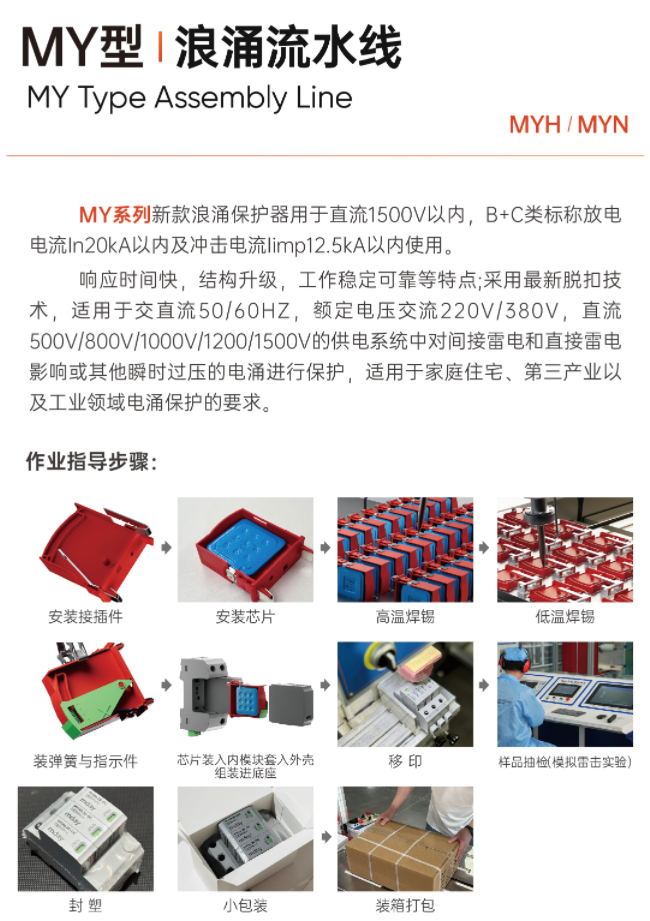
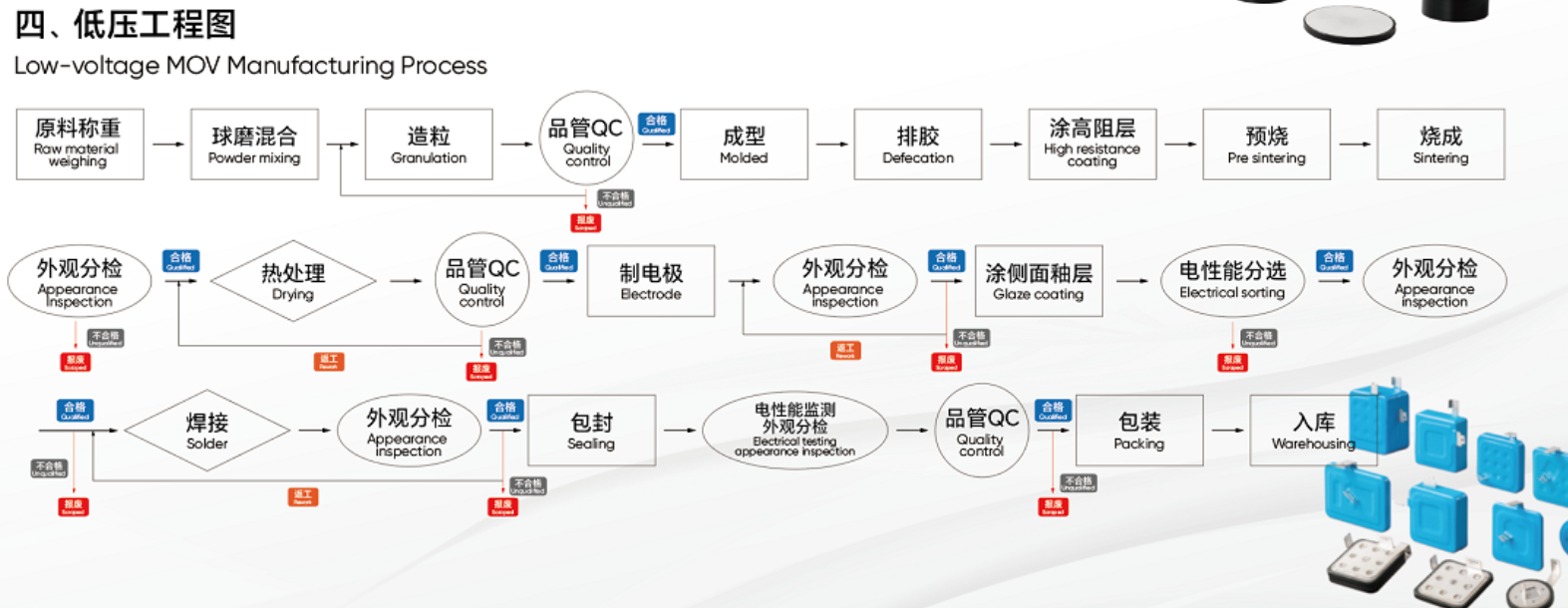
Our product portfolio spans high-grade Solar Photovoltaic Junction Boxes, Type 1+2 / Type 2 DC Surge Protective Devices (SPD), 1000V/1500V gPV Fuse Links and DIN Rail Holders, DC Miniature Circuit Breakers (MCB), DC Moulded Case Circuit Breakers (MCCB), 34mm Metal Oxide Varistors (MOV), and IP65 Solar DC Combiner Boxes.

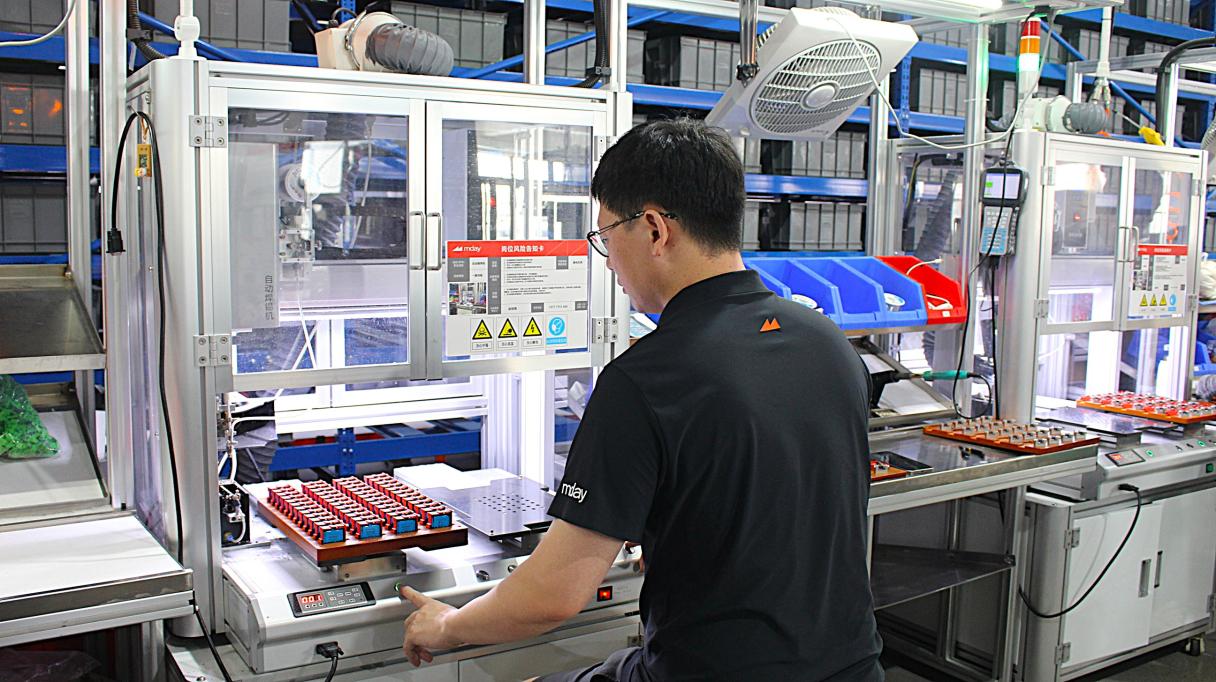
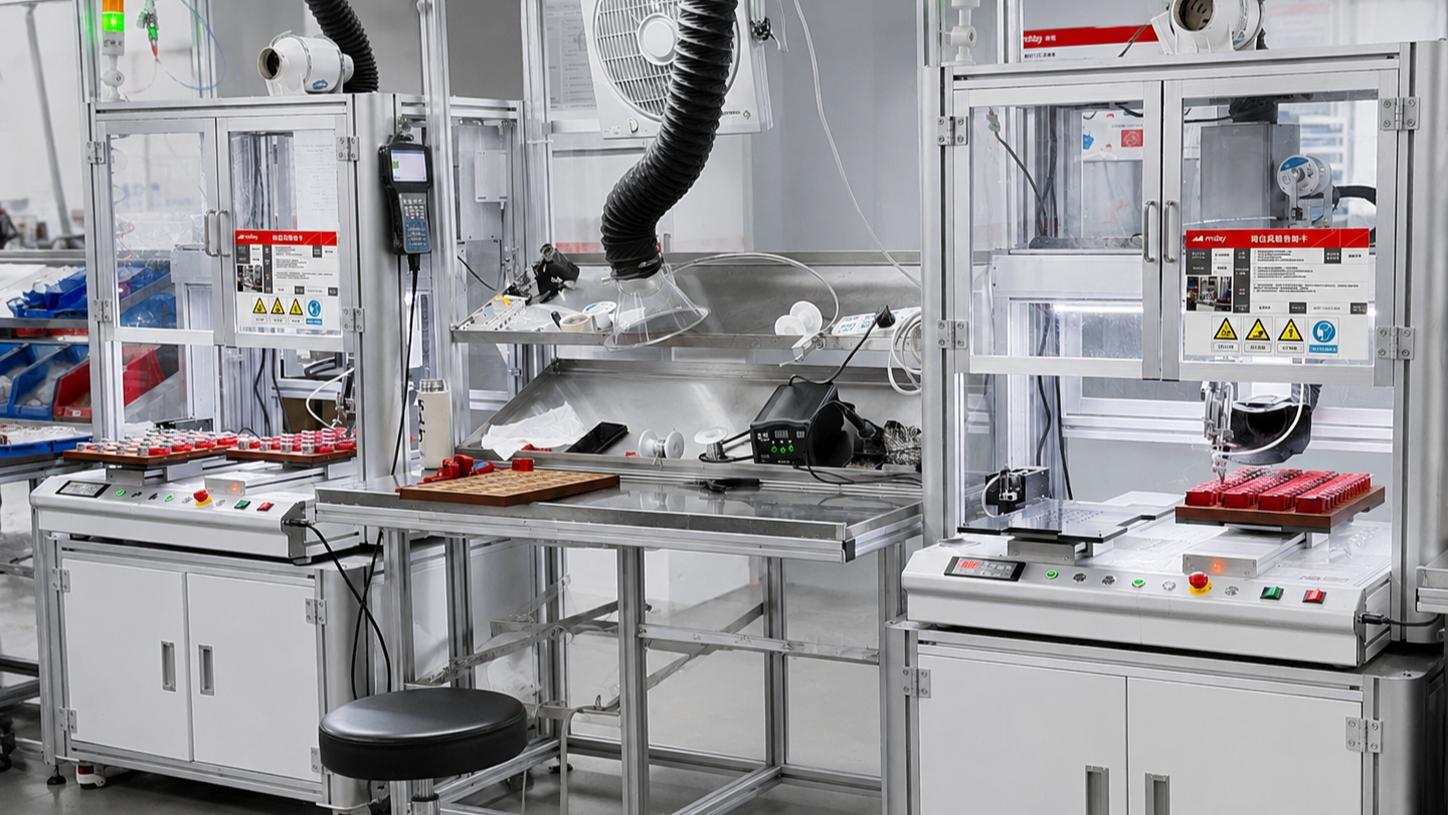
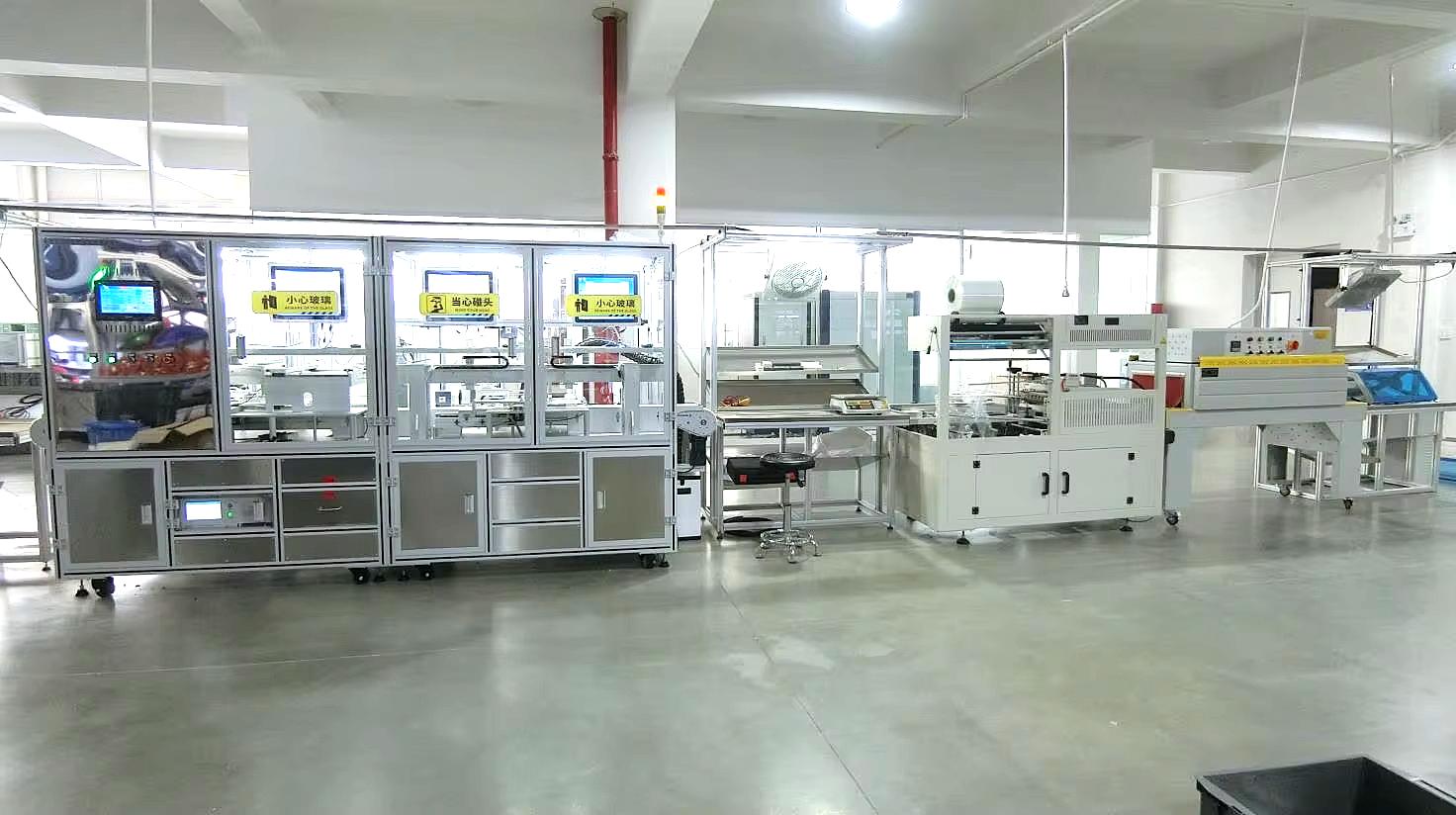
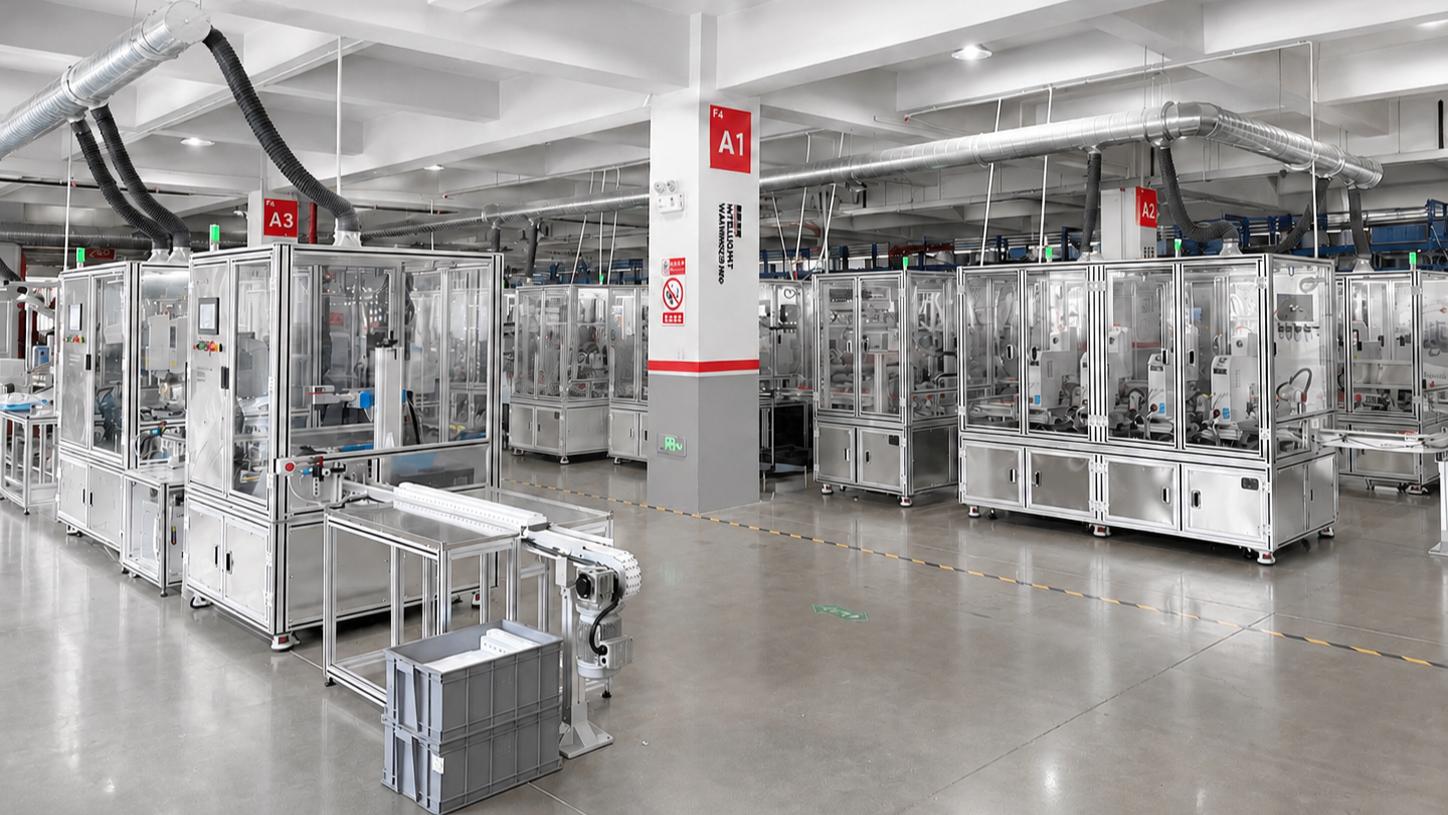
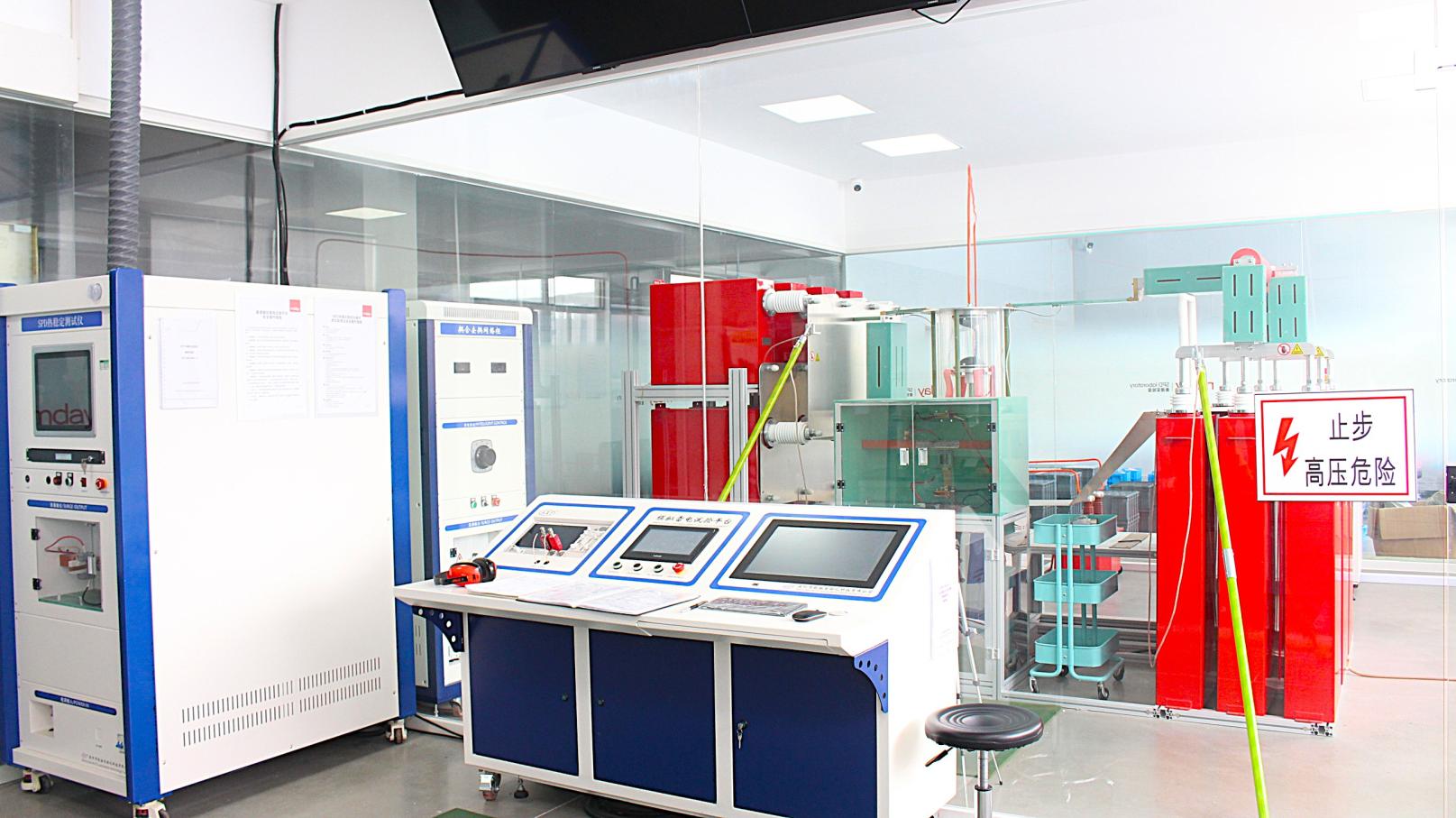
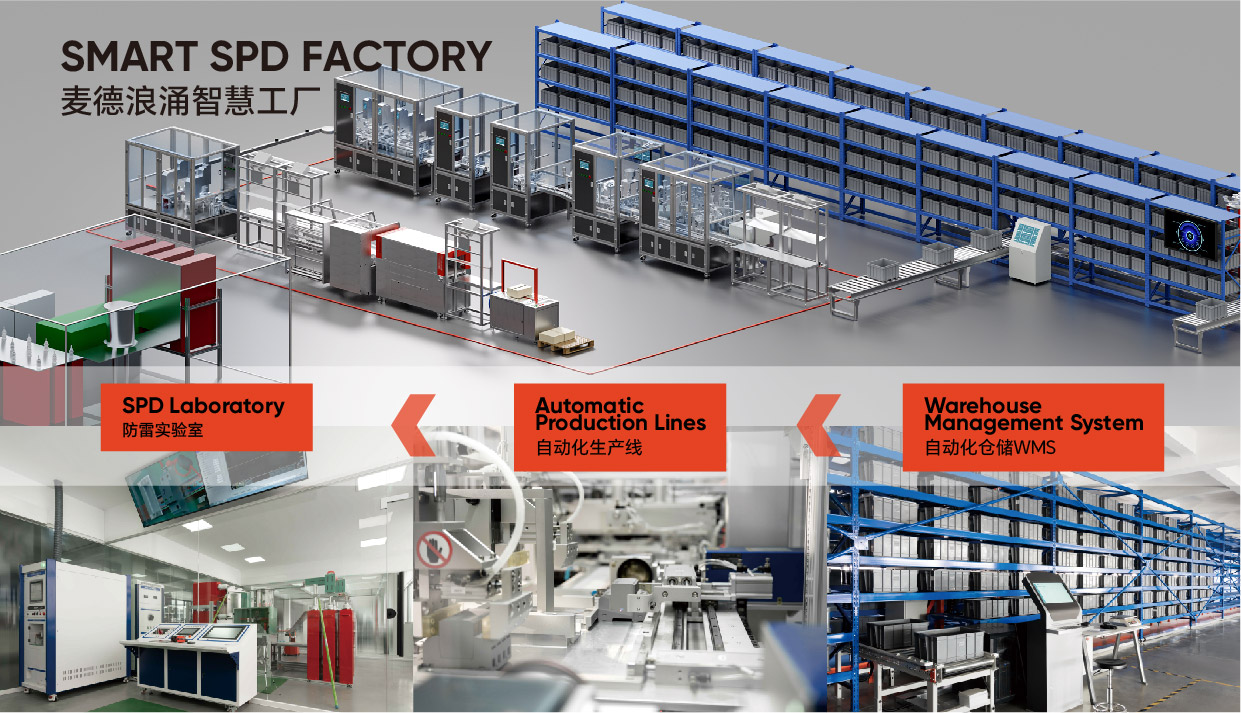
Back by 12+ years of manufacturing experience, 3 dedicated automated production lines, 9 specialized testing instruments, and a certified technical team, we serve solar module manufacturers, EPC contractors, and brand distributors across Europe, Southeast Asia, South America, and the Middle East.

  • Onsite-Verified Factory by TÜV Rheinland
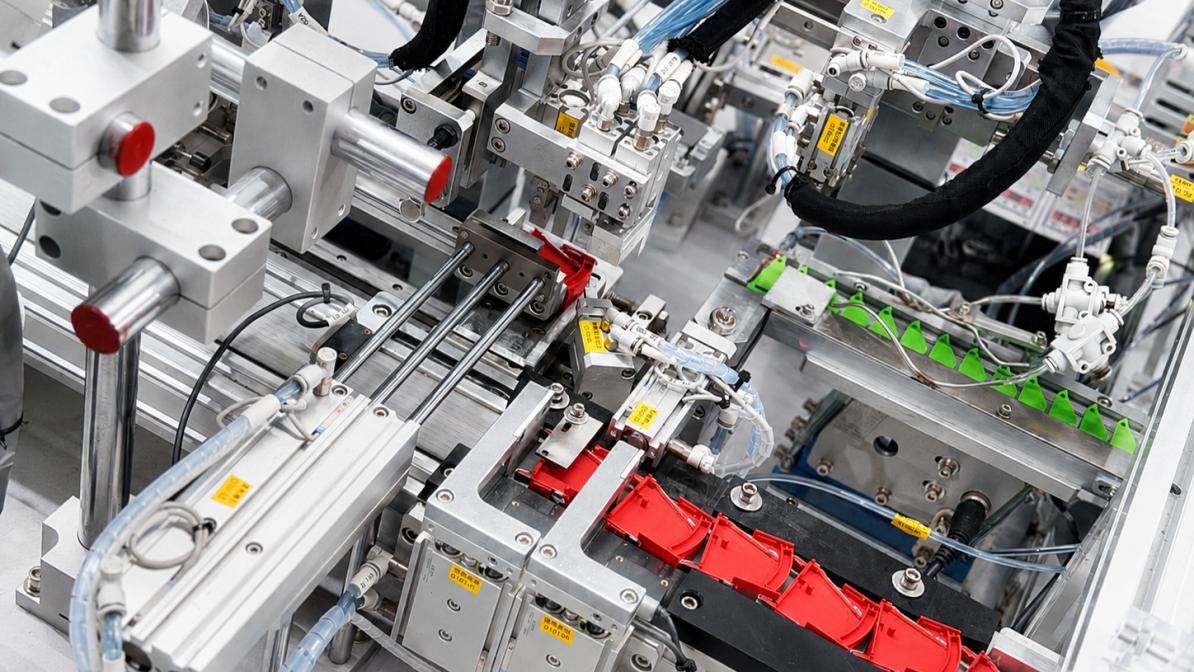
  • In-House Automated Injection & Potting
  • 100% Finished-Product QC Testing
  • Full OEM/ODM Private Label Customization
12+Years Industry Leadership
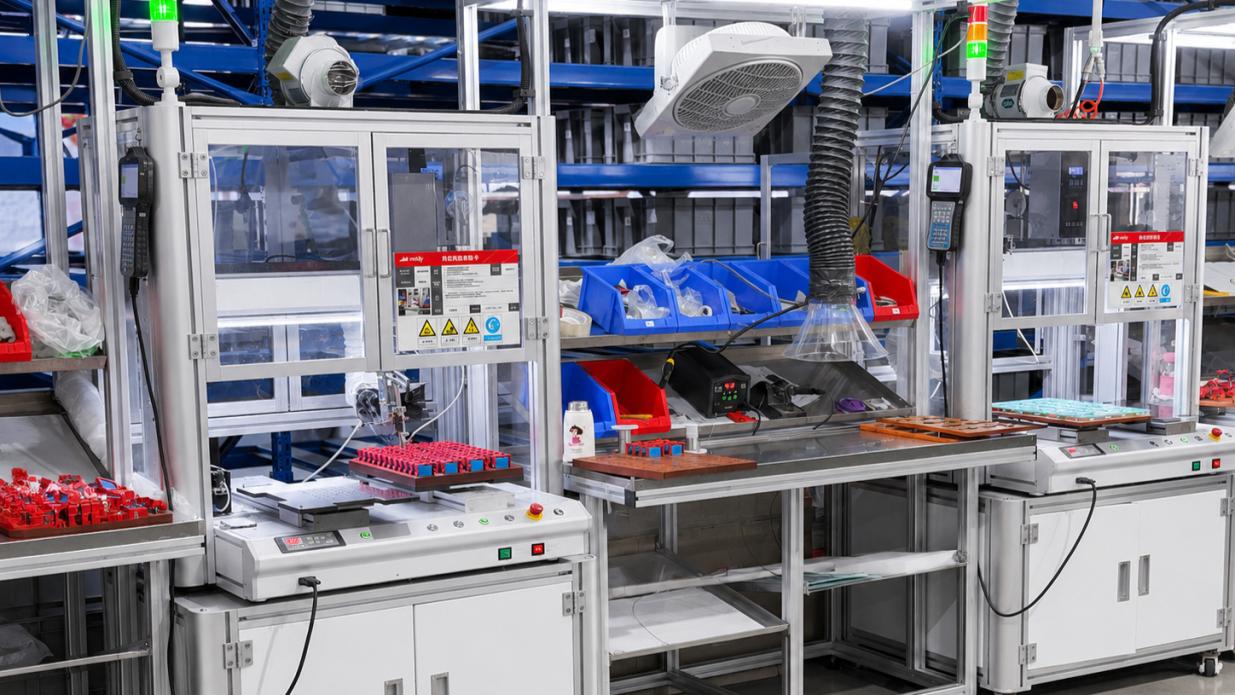
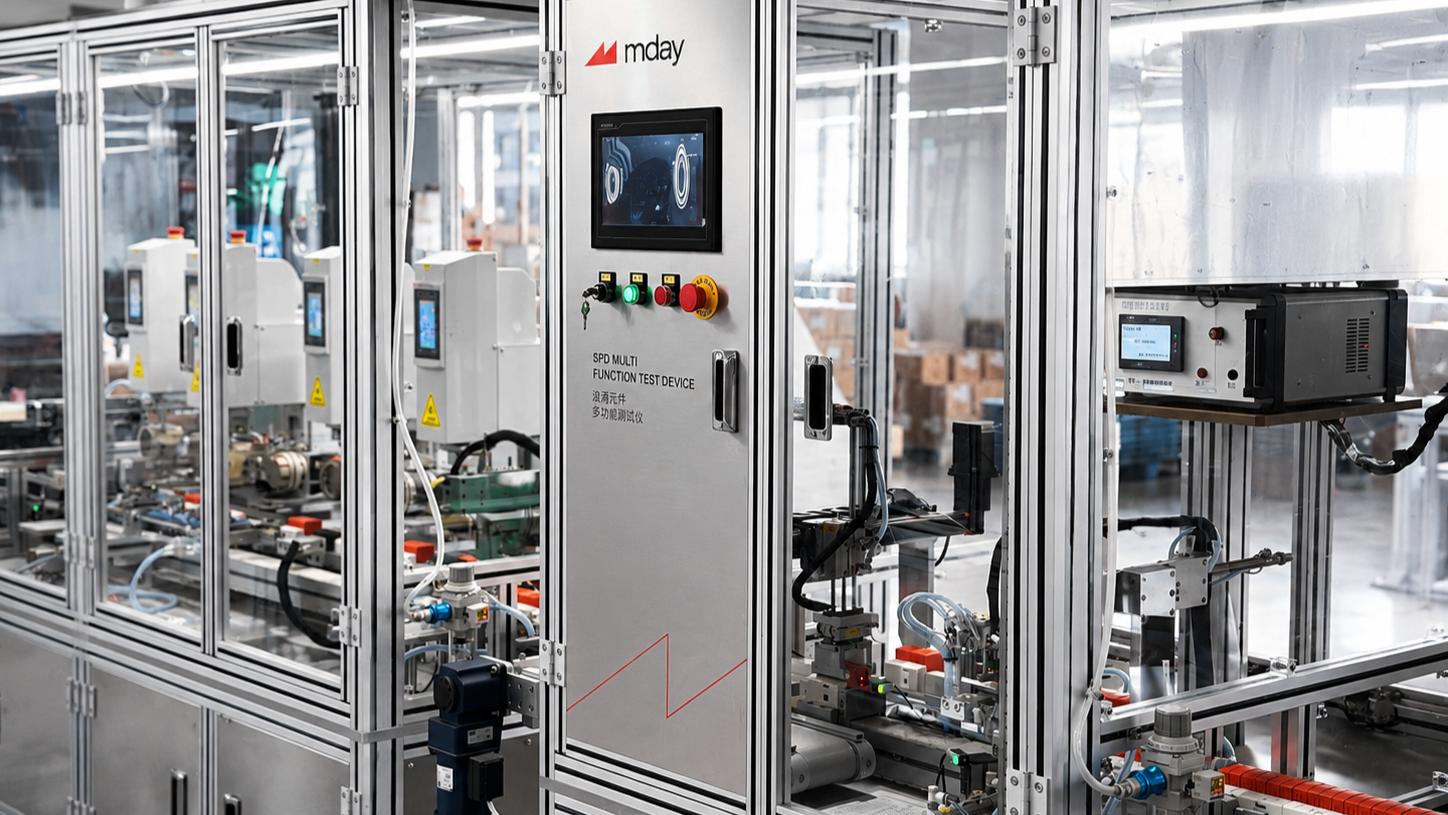
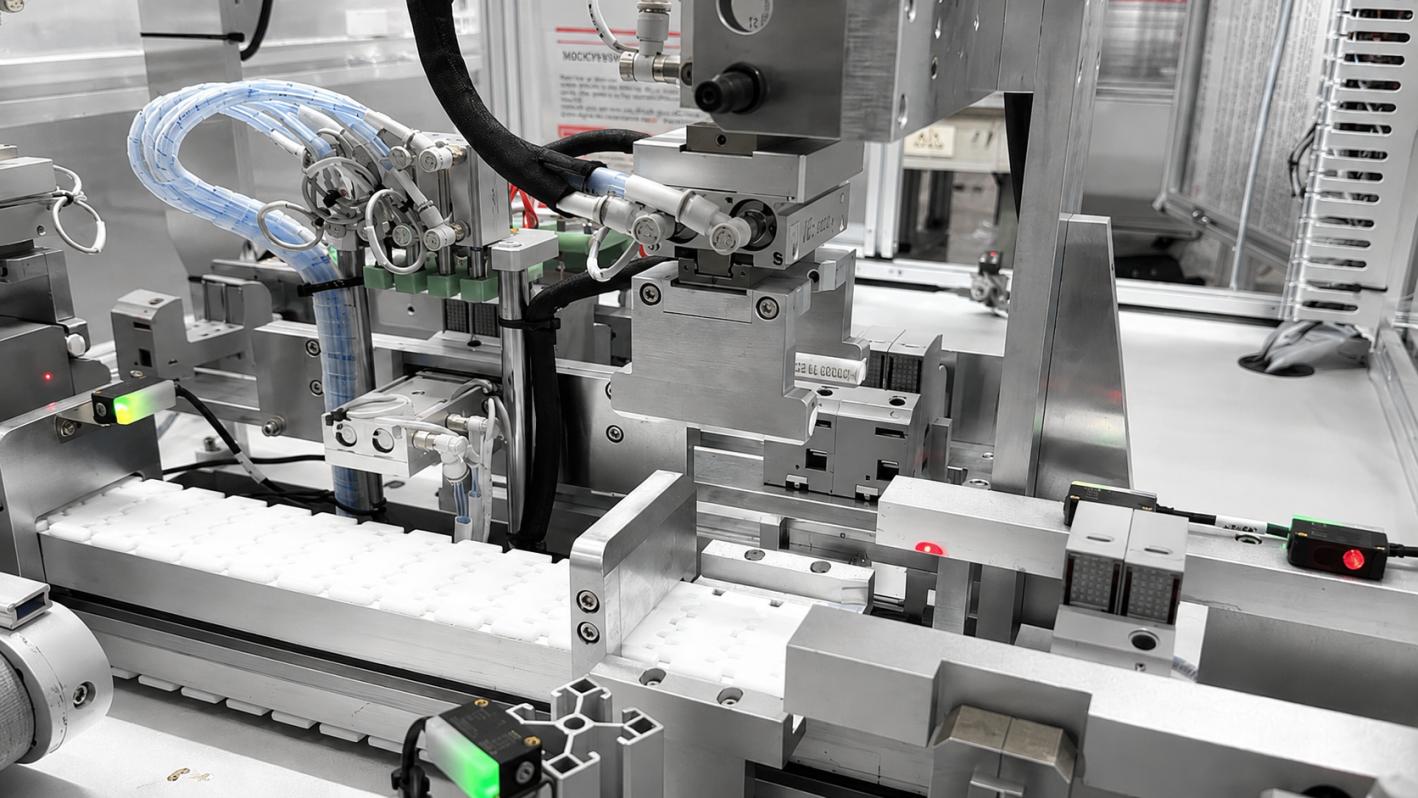
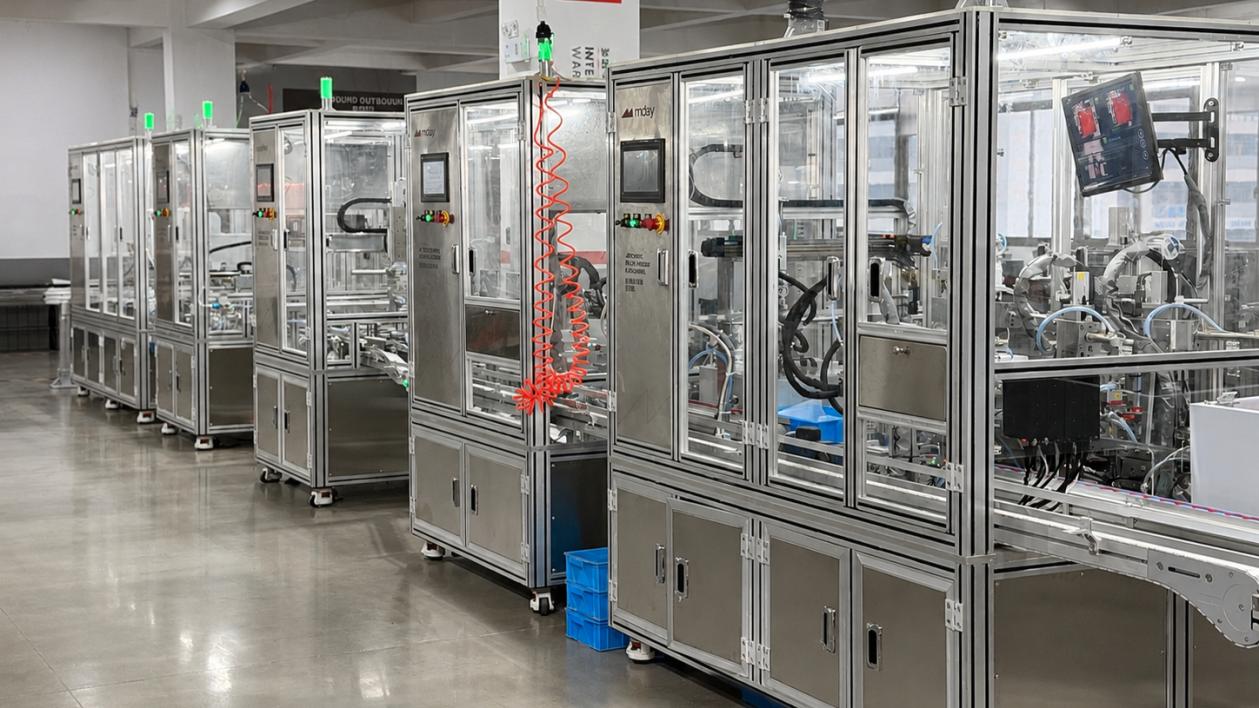
Luck (zhejiang) New Energy Co., Ltd. Manufacturing Equipment
12+Years Manufacturing
55Verified Staff
3Automated Lines
9Testing Instruments
70%Export Share
4.8/5Buyer Rating

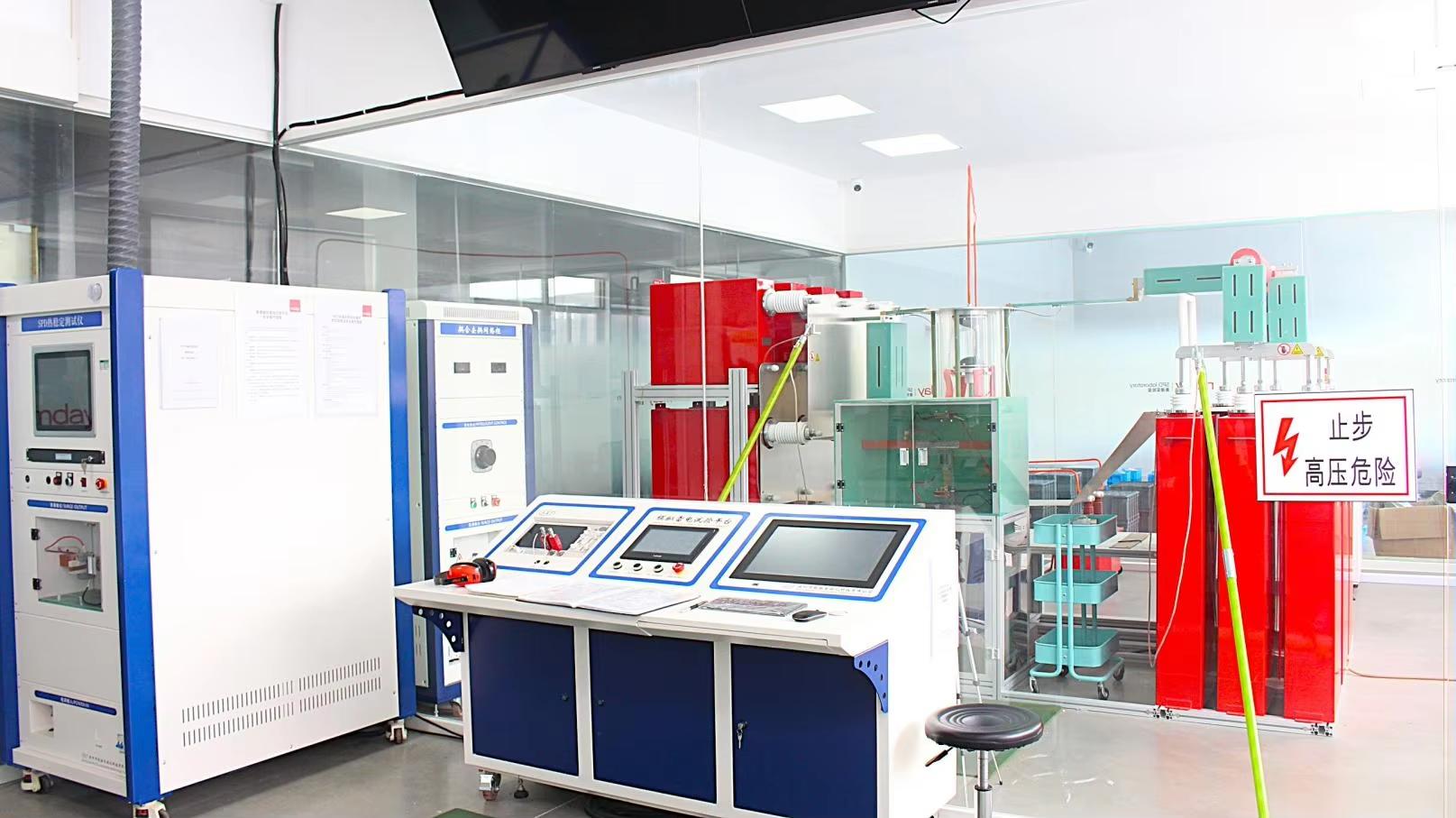
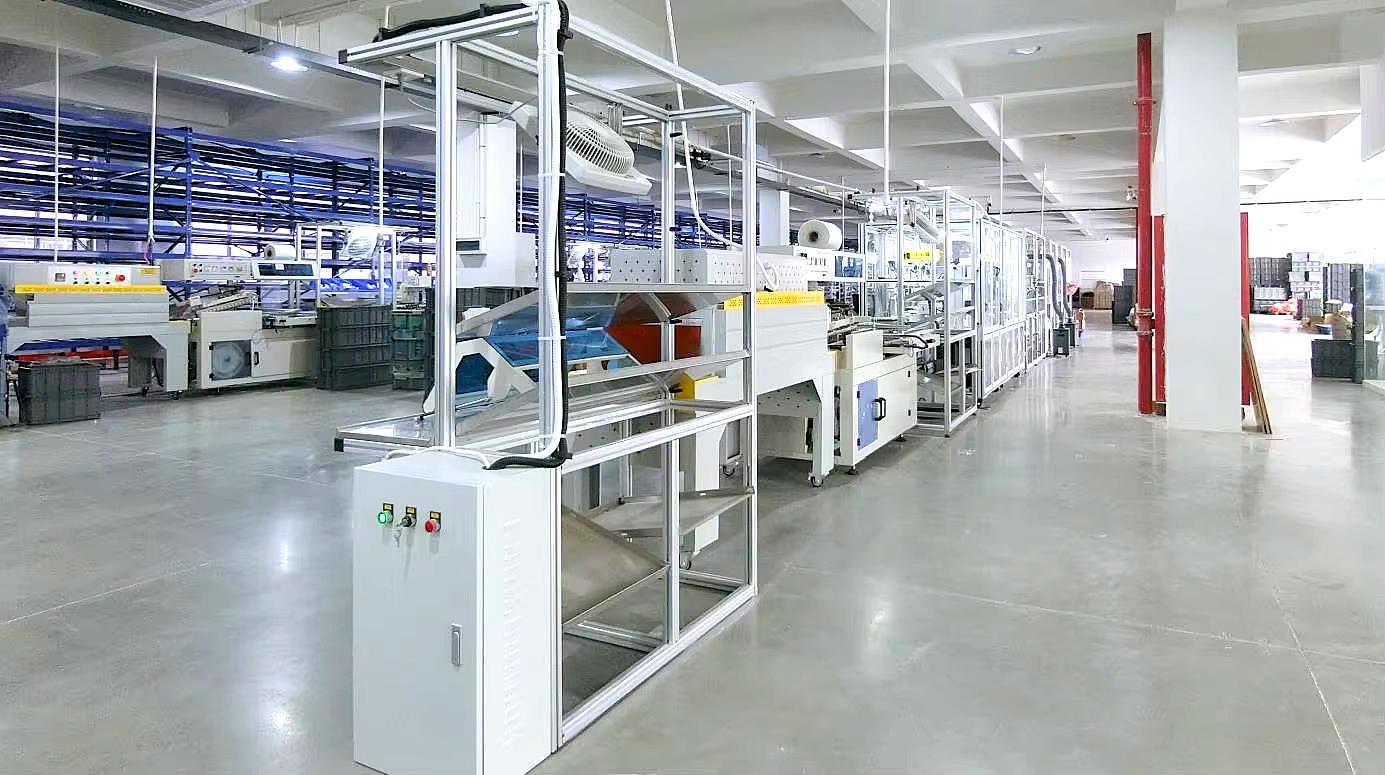
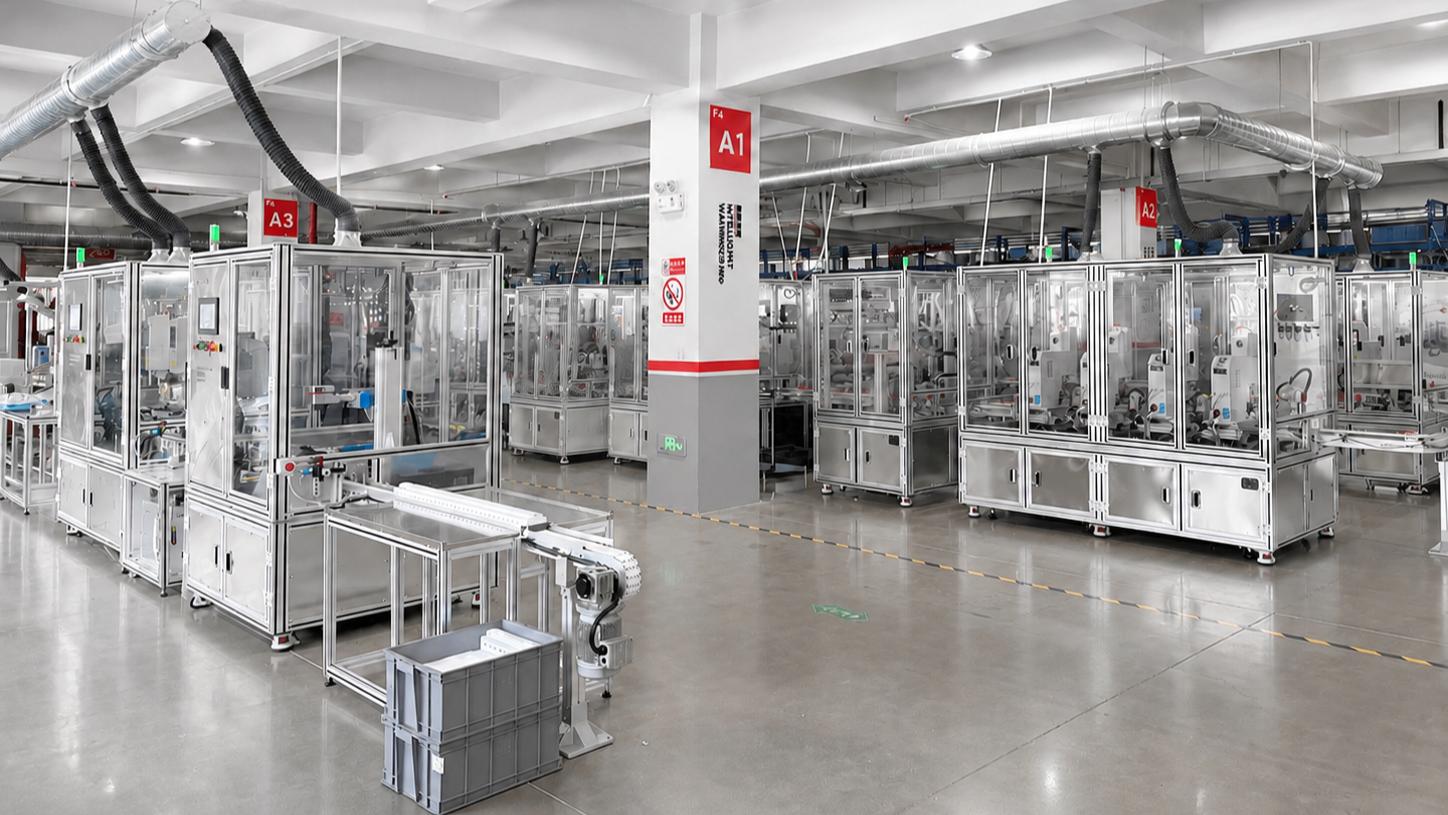
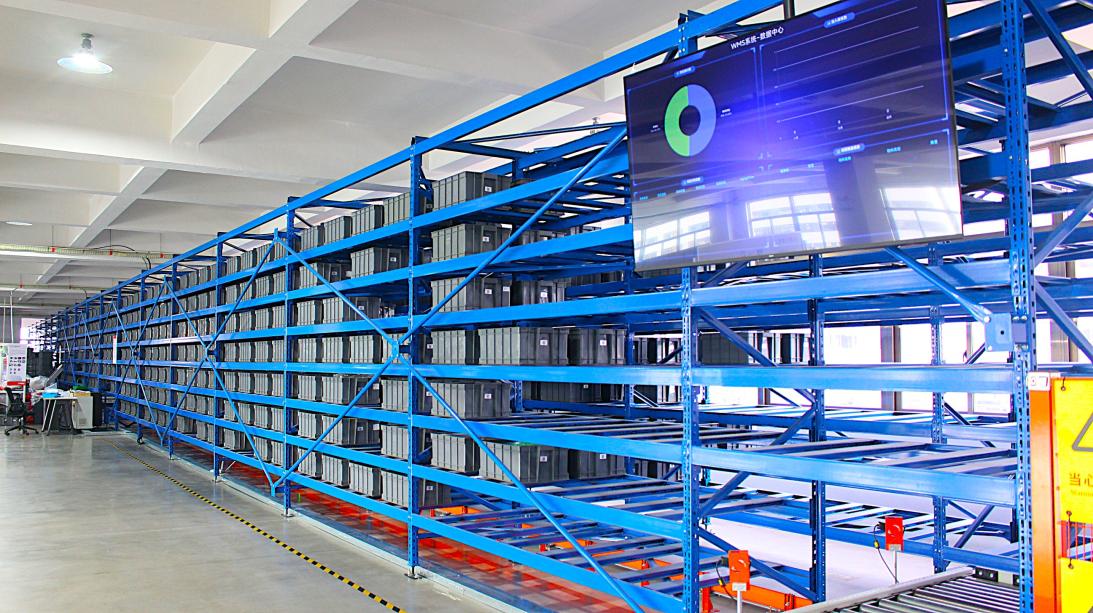
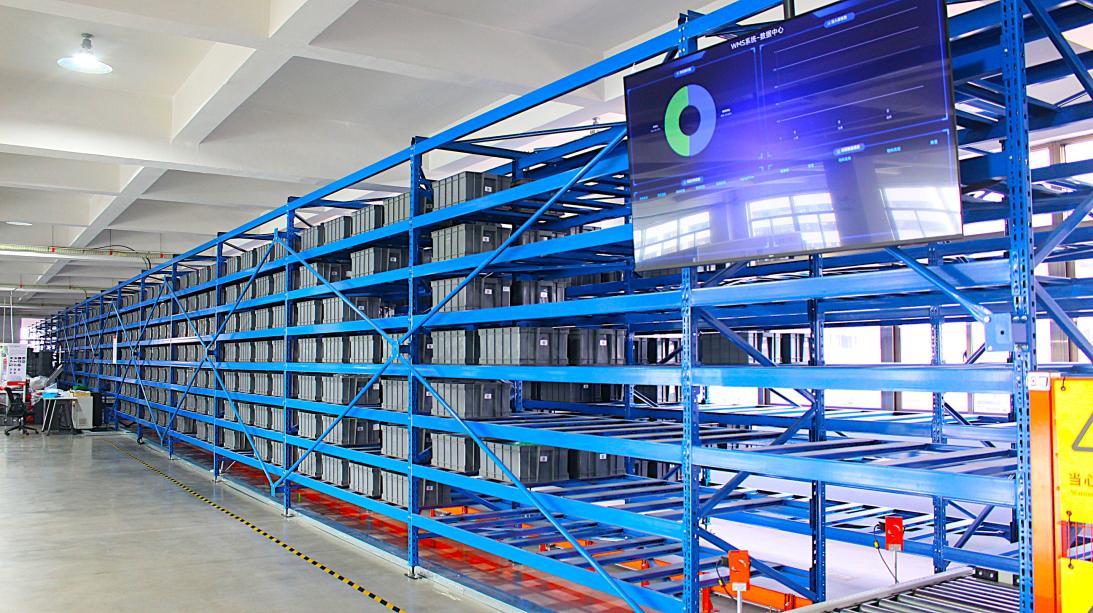
Production Facility & Laboratory Operations

Explore our advanced plastic injection, automated assembly, testing, and packaging workshops.

Technical Selection Matrix: Matching PV System Architecture with Protection Components

Correctly matching a Solar Photovoltaic Junction Box and its associated DC protection components is vital to ensuring 25-year system reliability, preventing thermal degradation, and fulfilling local electrical grid codes. The reference matrix below outlines key engineering criteria used by solar designers during technical procurement:

System Subsystem Primary Hazard / Risk Recommended Solution Key Technical Ratings
Solar PV Module (Rear Side) Hot-spot creation, cell string reverse current, weather damage Split Solar Photovoltaic Junction Box 1500V DC, 15A–30A rating, IP68 sealed, Schottky / Active MOSFET
PV Array Strings Lightning-induced high-voltage transients on long DC runs Type 2 Solar PV DC SPD (MLN40-DC) Ucpv ≥ 1500V DC, In 20kA, Imax 40kA, Up < 3.8kV
String Circuit Protection Overcurrent due to array short circuit or reverse current flow 10×38mm / 14×51mm gPV Fuse + Holder 1000V/1500V DC, 2A–32A links, 33kA breaking capacity
Inverter DC Input Isolation System switching surges, short circuits, manual isolations DC MCB (L7) or DC MCCB (MDM3DC-250) Up to 1000V/1500V DC, 63A–250A, non-polarized magnetic tripping
DC Array Sub-Combiner Dust & water ingress in harsh desert/coastal outdoor sites IP65 Waterproof Solar DC Combiner Box IP65 enclosure, pre-wired fuses, SPD, and disconnect switch
SPD Component Manufacturing Thermal breakdown under repeated atmospheric surge spikes 34mm Square Metal Oxide Varistor (MYN34S) 275VAC, 40kA 8/20μs surge impulse, TÜV certified
Direct Factory Connection

Partner with Luck (zhejiang) New Energy Co., Ltd. Today

Need customized Solar Photovoltaic Junction Boxes, pre-wired combiner enclosures, or certified DC protection components? Contact our engineering team directly for fast quotes, sample requests, and complete OEM technical documentation.

Email Inquiry info@luckelectric.com
Manufacturing Base 4th Floor, 299 Weishi Road, Yueqing Economic Development Zone, Wenzhou, Zhejiang, China
Payment Terms T/T, L/C, D/P, Western Union, PayPal, Cash