High-Performance PV Protection & Junction Solutions
TÜV & VDE Certified Circuit Components Engineered for Commercial, Industrial, and Utility Solar Infrastructure
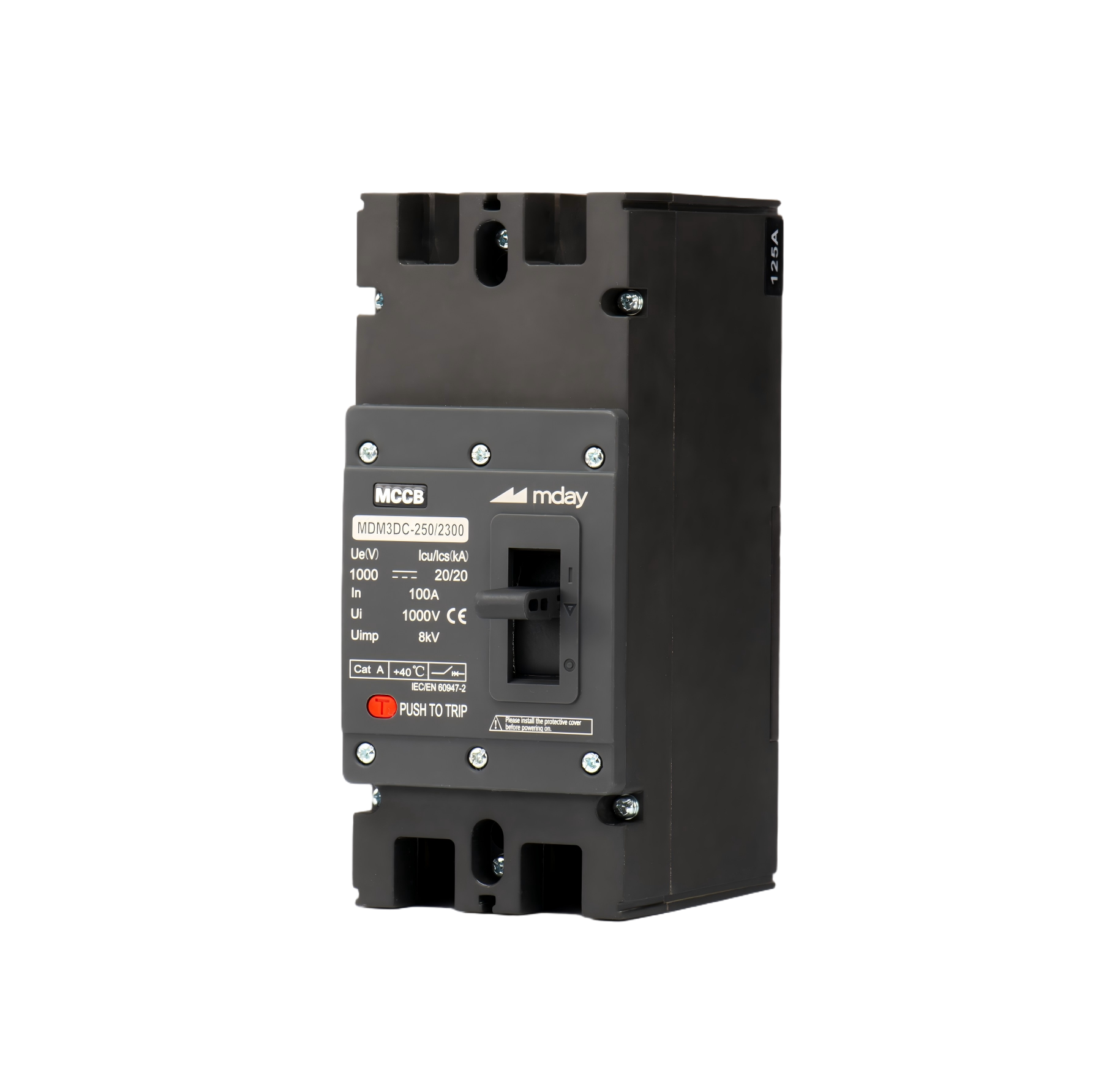
Mday MDM3DC-250 2P 500V 250A 20kA MCCB Circuit Breaker
- Rated Voltage: 500V DC (2P)
- Current Rating: 250A Thermal-Mag
- Breaking Capacity: 20kA IEC Standard
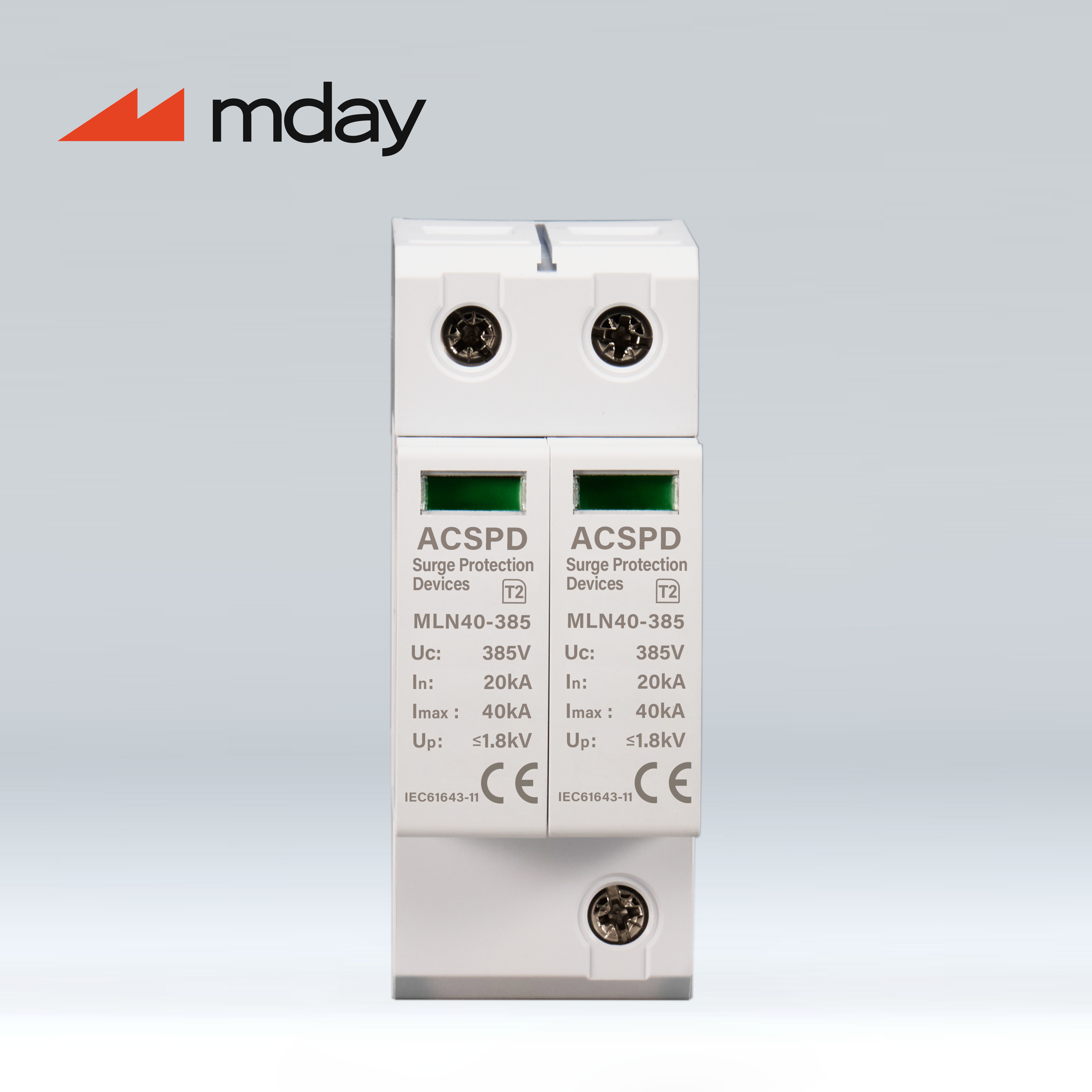
MLN40 T2 AC SPD 1P/2P/3P/4P Surge Protective Device
- Protection Class: Type 2 AC SPD
- Max Discharge Current: 40kA
- Mounting: Standard 35mm DIN Rail
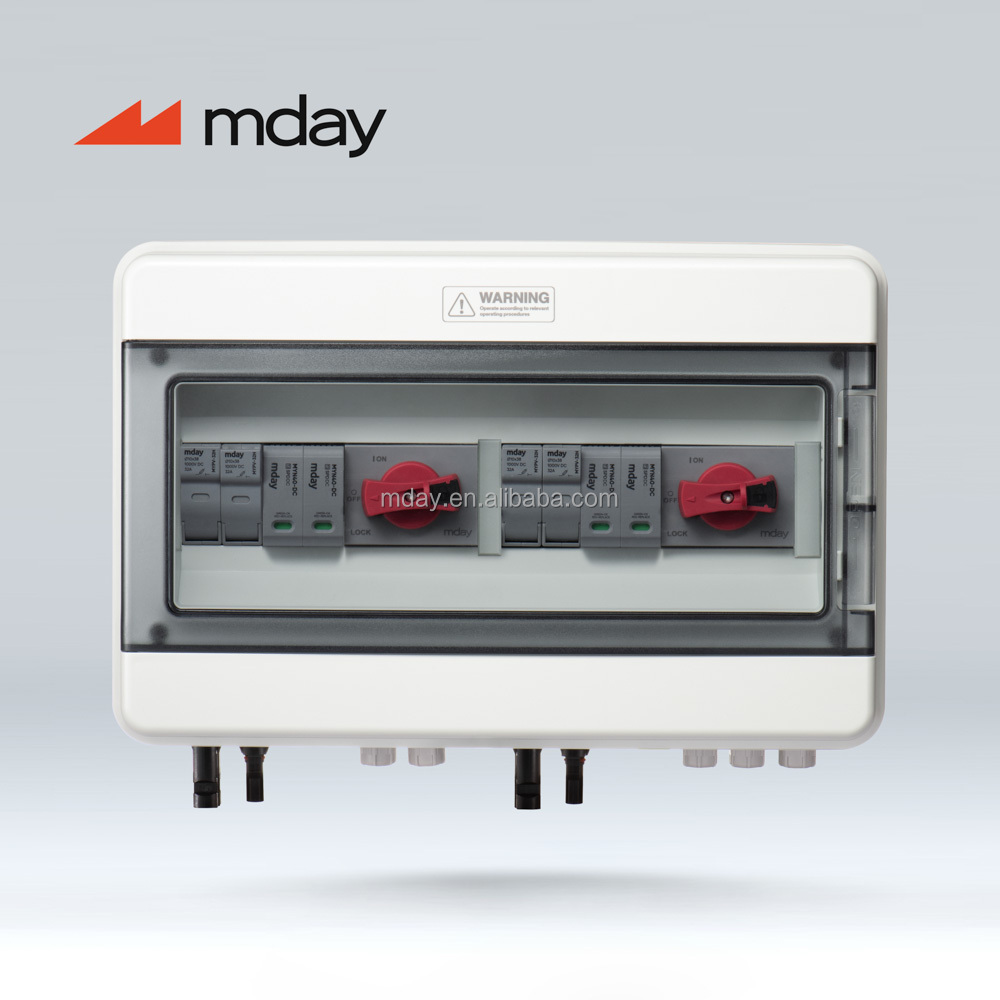
Mday MY-PV1 1000V 2-In 2-Out 18-Way IP65 Combiner Box
- Enclosure Ingress: IP65 Waterproof
- System Voltage: 1000V DC
- Configuration: Customizable 18-Way
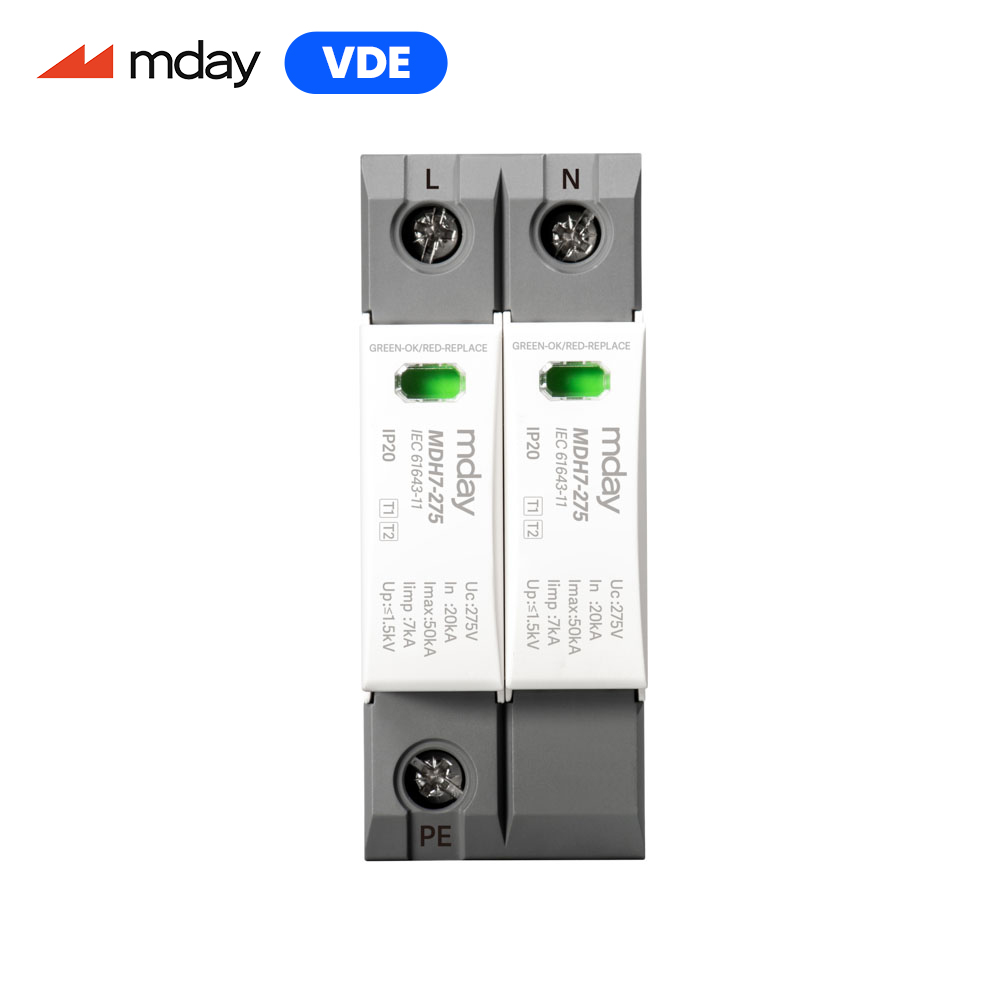
Mday MDH7 2P 275V AC SPD VDE-Certified Surge Protector
- Certification: VDE Certified
- Operating Voltage: 275V AC (2P)
- Lightning Pulse Protection

Mday 1000V IP65 Waterproof 63A 5kW DC Combiner Box
- System Capacity: 5kW Residential/C&I
- Max Current: 63A Continuous
- Pre-wired 2-In 2-Out Array
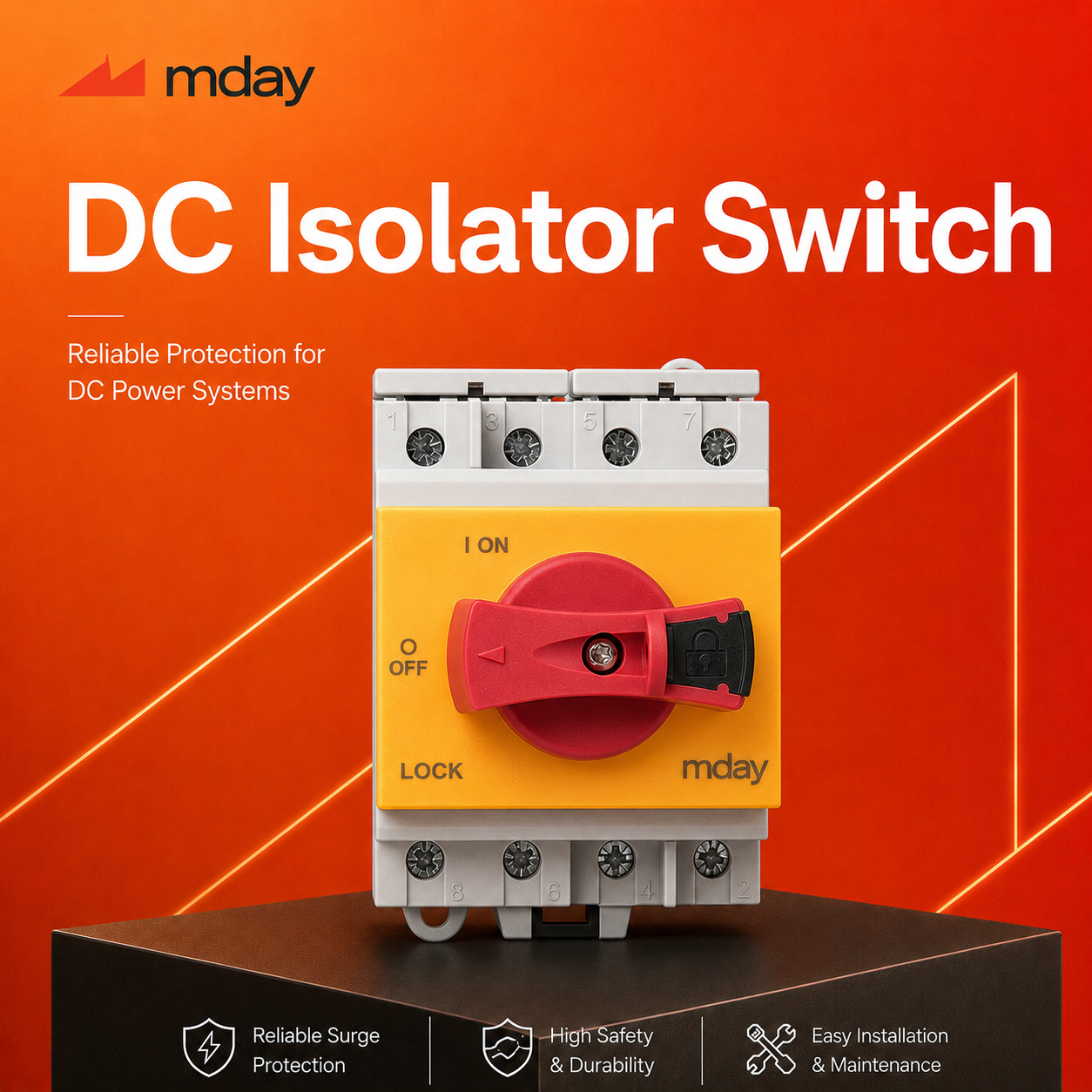
Mday MYPV32-L2 Copper 4-Pole 16A 1200V DC Isolator
- Voltage Rating: 1200V DC
- Contacts: High-Purity Copper 4P
- Enclosure: IP66 Rotary Handle
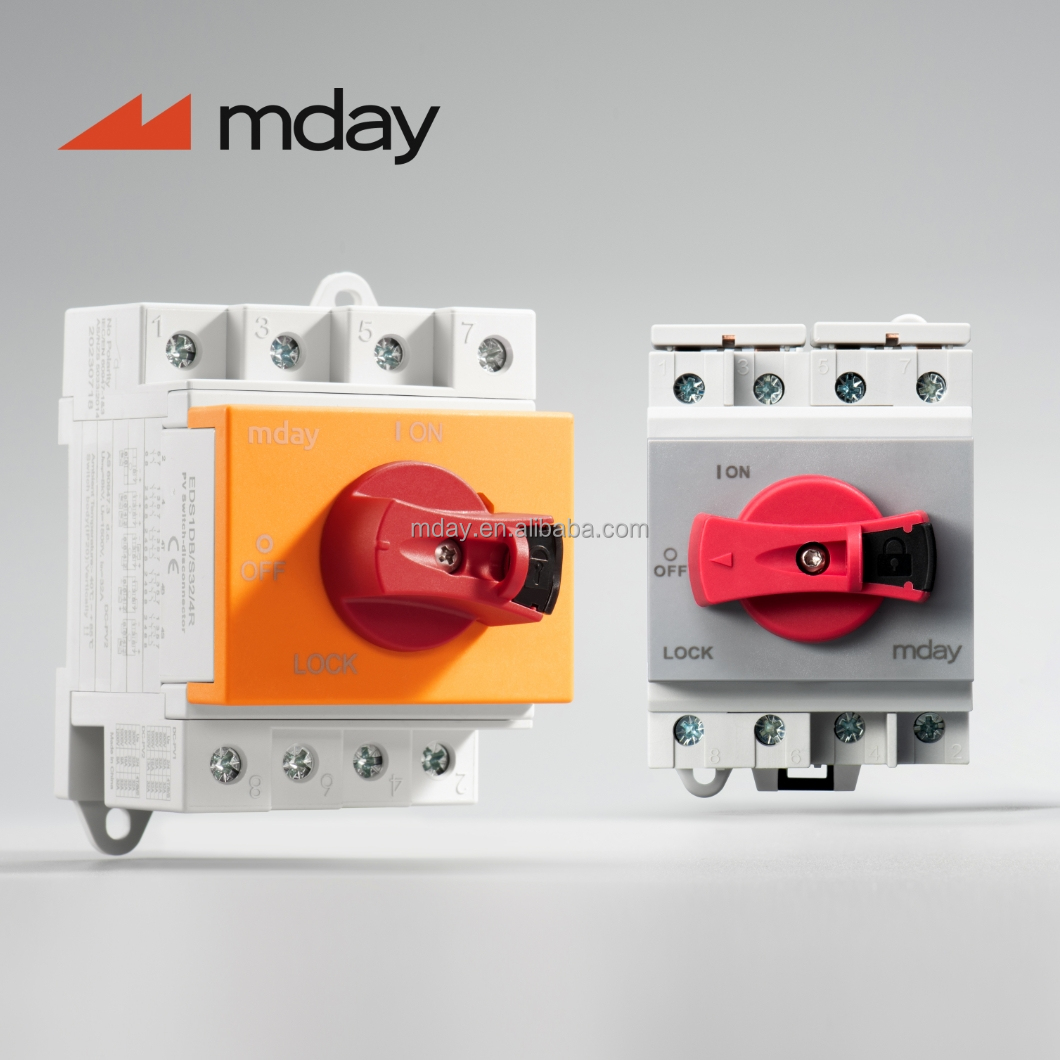
Mday 4-Pole IP66 32A 1200V DC Array Rotary Switch
- Current Capacity: 32A DC-PV2
- Protection Level: IP66 Sealed
- Solar Array Load Breaking
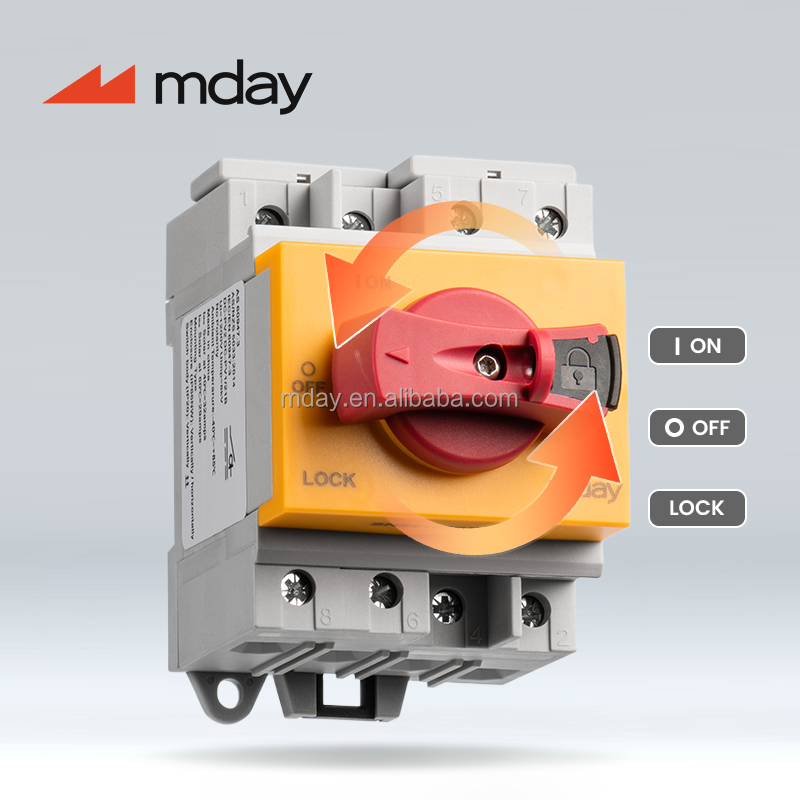
Mday 4-Pole 16A 1200V High-Reliability Isolator Switch
- Conductor: Premium Copper Busbars
- Weatherproofing: UV & Outdoor Rated
- Red Ergonomic Lockable Handle
Engineering Solar Photovoltaic Junction Boxes for Nagoya & The Chubu Industrial Region
A Comprehensive Guide for Solar Module Manufacturers, EPC Contractors, and Industrial Plant Engineers in Aichi Prefecture
As the capital of Aichi Prefecture and the epicenter of Japan’s automotive and heavy manufacturing cluster, Nagoya presents a uniquely demanding environment for solar photovoltaic (PV) installations. From rooftop installations on sprawling industrial facilities in the Minato and Port of Nagoya districts to ground-mounted utility arrays throughout the Nobi Plain, solar infrastructure must tolerate extreme environmental stress. The convergence of high ambient summer temperatures, typhoon-driven precipitation from Ise Bay, micro-salt air corrosion, and strict Japanese Electrical Safety (JIS/JET) mandates requires solar circuit protection hardware engineered far beyond generic commodity standards.
Information Gain Insight: Standard PV junction boxes often experience premature thermal breakdown or potting degradation when deployed on black thermal-insulated industrial roofs in Nagoya, where ambient enclosure temperatures routinely exceed 85°C during July and August. Our factory’s custom junction solutions utilize modified polyphenylene ether (PPO) resins paired with high-conductivity silver-plated copper busbars to keep internal junction temperatures 14°C lower than standard market benchmarks under full 15A–32A string loading.
1. Critical Engineering Requirements for PV Junction Boxes in Nagoya
When selecting a solar photovoltaic junction box factory and supply partner for B2B procurement in Nagoya, electrical design engineers must prioritize five key environmental and regulatory factors:
Thermal Dissipation & Diode Protection
Schottky bypass diodes housed inside junction boxes protect PV modules during partial shading. Under heavy shading on large manufacturing rooftops in Aichi, diode temperatures spike rapidly. Our junction boxes integrate high-efficiency aluminum heat-sinks and specialized thermal potting compounds to prevent thermal runaway.
IP68 Water & Salt-Fog Sealing
Coastal winds carrying marine salt spray from Ise Bay cause severe contact oxidation. Our IP68 rated junction boxes utilize dual-lip silicone gaskets and precision ultrasonic housing welds, passing IEC 60068-2-52 Severity 6 salt-mist corrosion testing.
1500V DC Insulation Capability
Commercial microgrids in Toyota City and Komaki are rapidly adopting 1500V DC architectures to decrease BOS (Balance of System) cable costs. Our junction boxes offer certified creepage and clearance distances rated up to 1500V DC operational capacity under IEC 62790 standards.
2. Localized Solar Trends: Aichi Net-Zero Mandates & Industrial Rooftops
Nagoya is leading Japan’s industrial decarbonization. Under Aichi Prefecture's updated global warming countermeasures, corporate facilities are expanding onsite solar self-consumption projects. Industrial roofs—ranging from logistics hubs near Central Japan International Airport (Centrair) to automotive parts stamping plants—are installing high-bifacial PV modules.
Bifacial modules generate up to 25% higher current outputs. Conventional 10A or 12A rated junction boxes are inadequate for these higher current outputs. Luck New Energy’s specialized junction boxes support string currents up to 30A/35A continuous duty without triggering false thermal bypass cycles or terminal melting.
3. Standard vs. Nagoya-Grade PV Junction Box Technical Comparison
To assist procurement managers evaluating B2B suppliers, the following specification matrix outlines the baseline requirements needed for reliable 25-year service life in the Chubu weather environment:
| Engineering Parameter | Generic Commodity Box | Luck (Zhejiang) Factory Grade | Benefit for Nagoya Installations |
|---|---|---|---|
| Enclosure Material | Standard ABS or Low-Grade PC | UV-Stabilized Flame-Retardant PPO / PC | Zero warping under severe UV & extreme rooftop temperatures |
| Ingress Rating | IP65 or IP67 Gasketed | IP68 Encapsulated / Dual-Lip Silicone | Prevents water penetration during 200km/h typhoon rains |
| Internal Conductor | Standard Brass / Tin Coating | High-Purity Red Copper with Silver Plating | Ultra-low electrical resistance; minimizes thermal loss |
| Diode Junction Temp (Tj) | Tj Max = 150°C | Tj Max = 200°C (High-Temperature Schottky) | Protects module against bypass diode thermal failure |
| Salt Spray Resistance | Basic IEC 60068 Test | IEC 60068-2-52 Severity 6 (Marine Grade) | Essential for installations near Nagoya Harbor & coastal Aichi |
| DC System Voltage | 1000V DC Max | 1000V / 1500V DC (IEC 62790 & UL 3730) | Fully compatible with next-gen commercial inverter systems |
4. Complete DC System Protection Integration
A PV junction box operates as the primary electrical interface of the module. However, maintaining system reliability across a B2B solar project in Nagoya requires an integrated defense strategy across the entire direct current circuit network:
- Array Level Isolation: Installing outdoor IP66 rotary disconnect switches—such as the Mday MYPV32-L2 1200V DC Isolator—at array entry points allows field technicians to execute safe physical isolation during maintenance.
- Combiner Box Aggregation: For multi-string roof configurations, pre-wired enclosures like the Mday MY-PV1 18-Way IP65 Combiner Box bundle string fuses, DC disconnects, and surge protectors into a central, easy-to-inspect enclosure.
- Transient Surge Suppression: Heavy lightning strikes in the mountainous zones surrounding Aichi can induce destructive voltage spikes along long cable runs. Deploying DIN-rail Type 2 DC SPDs shields sensitive inverter power electronics from permanent damage.
Why Solar System Integrators in Japan Partner with Luck New Energy
TÜV Rheinland Verified Manufacturing Capabilities Built for International OEM & ODM Requirements
In-House Automated Production
Located in the Yueqing Economic Development Zone, our facility operates 3 automated production lines equipped with high-precision plastic injection molding machines. We maintain strict control over housing dimensional accuracy, flame-retardant mixing, and terminal stamping.
9 In-House Testing Instruments
Every product design undergoes rigid electrical and environmental validation in our testing lab. We verify thermal-rise cycles, surge current impulse withstand capacities, IP rating seal integrity, and contact resistance on 100% of finished production batches.
Direct Factory OEM / ODM Pricing
By eliminating middle-man trading markups, we deliver tier-1 quality components at competitive factory-direct pricing. We support full custom brand labeling, customized cable lengths, custom terminal pin-outs, and customer-specific packaging for Japanese importers.
Frequently Asked Questions by Nagoya Solar Buyers
Everything You Need to Know About Ordering Custom PV Junction Boxes, Certifications, Shipping, and Quality Controls
Request a Custom Engineering Quote & Free Samples for Nagoya Projects
Partner with a TÜV-verified factory specializing in high-reliability PV junction boxes, DC circuit breakers, and custom IP68 solar combiner enclosures. Talk directly to our senior electrical engineers today.
Inquire Now