Factory Direct Solar DC Protection Components
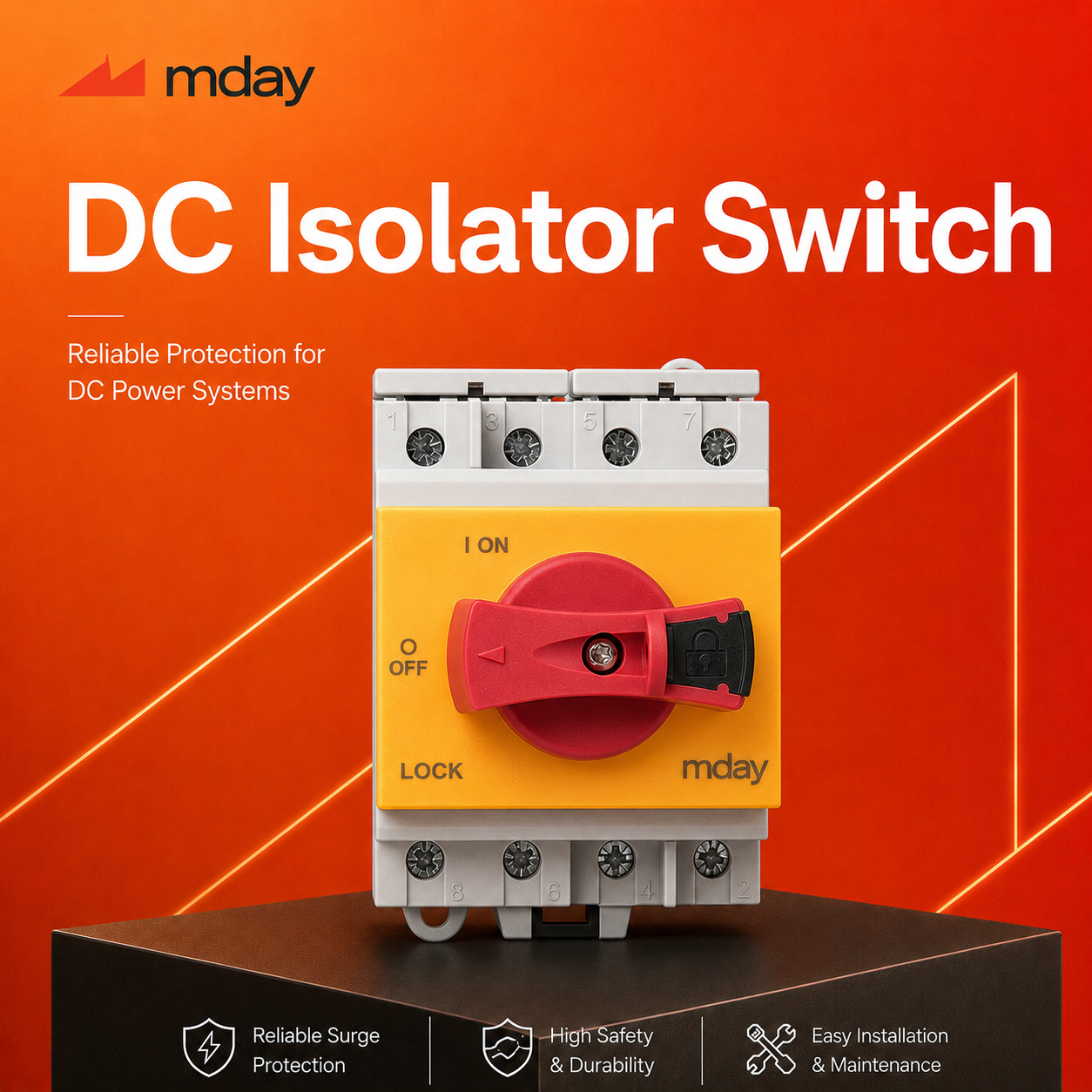
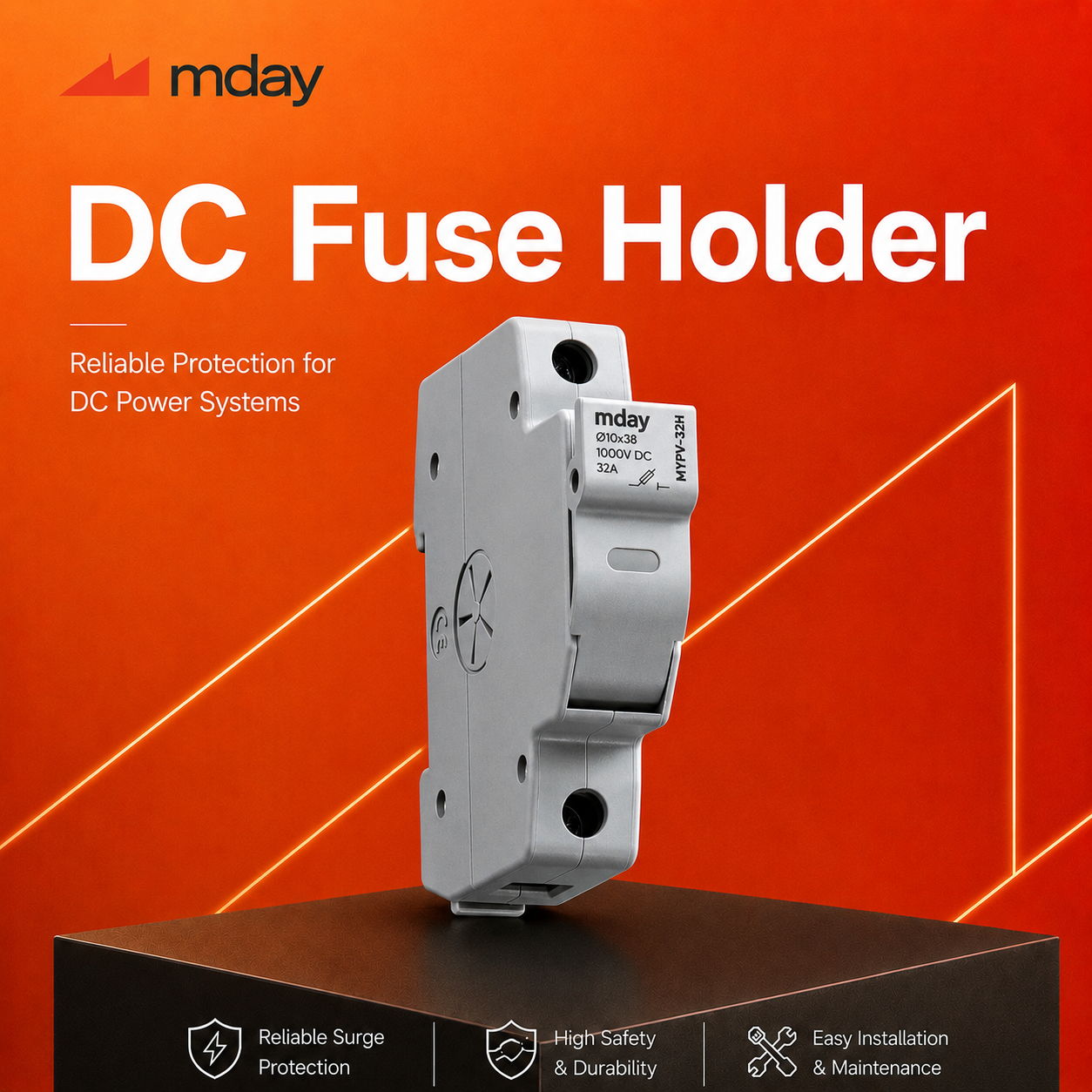
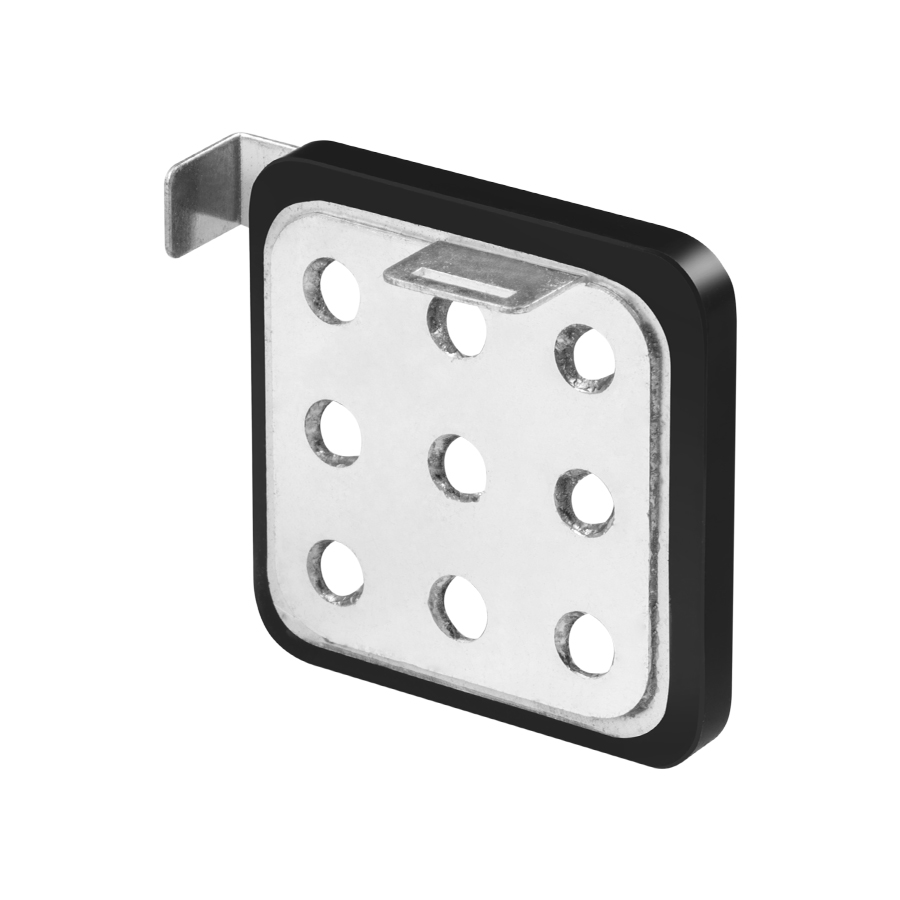
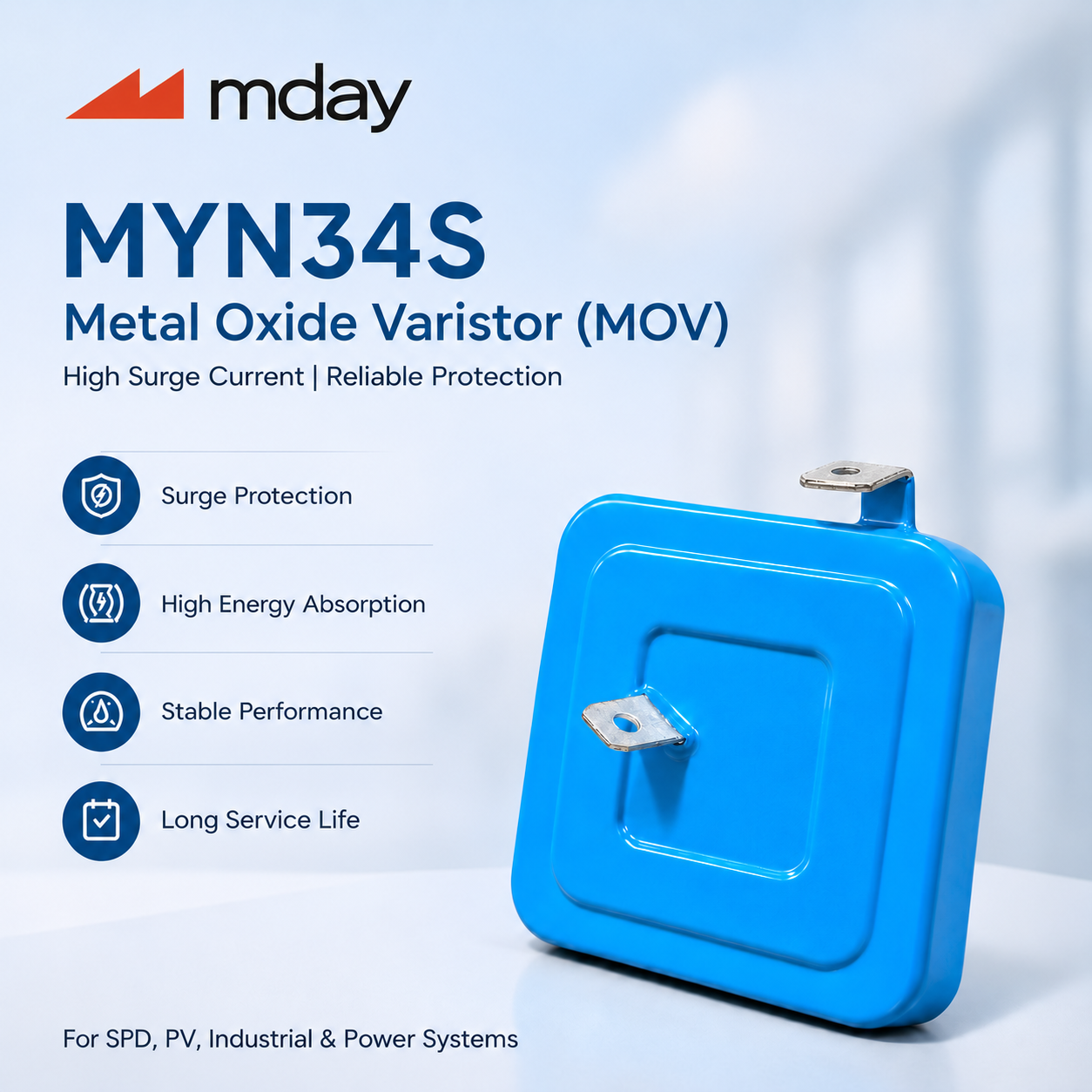
Explore our core certified DC isolators, high-capacity fuse holders, surge protective devices, and metal oxide varistors supplied directly to EPCs and electrical wholesalers in Kawasaki.
Industrial Whitepaper: Solar DC Moulded Case Circuit Breaker (MCCB) Arc Quenching & Protection Dynamics in Coastal Microgrids
In modern high-voltage photovoltaic (PV) systems and commercial Battery Energy Storage Systems (BESS), the switchgear infrastructure faces operational electrical stresses distinct from traditional AC power distribution. As solar installations transition rapidly across Kawasaki City and the broader Kanagawa Industrial Zone from 1000V DC to 1500V DC architectures, specifying the correct Moulded Case Circuit Breaker (MCCB) becomes critical to preventing catastrophic thermal runaway, sustained electrical arcing, and long-term asset degradation.
Unlike Alternating Current (AC) systems where the sinusoidal voltage naturally crosses the zero-voltage threshold 100 or 120 times per second—allowing electric arcs to extinguish naturally during a contact separation event—Direct Current (DC) maintains a continuous magnitude and direction. When a DC MCCB interrupts a fault current under 1000V or 1500V DC conditions, the arc established between the parting silver-alloy contacts remains continuous and extremely energized, reaching internal localized plasma temperatures exceeding 6,000°K.
Permanent Magnet Blowout
Integrated permanent magnetic field coils force the DC arc laterally off the contacts into arc chute chambers within milliseconds, stretching the arc path drastically.
AgSnO2 Anti-Sintering Contacts
Silver Tin Oxide contact matrix resists contact welding during extreme short-circuit fault currents up to 20kA–25kA in high-density DC arrays.
Multi-Plate Arc Splitter Grid
De-ionizing steel splitter plates segment the single high-voltage plasma arc into multiple series micro-arcs, rapidly raising arc voltage above system Voc.
Physics of DC Arc Extinction: Mechanical & Electromagnetic Engineering
To safely isolate high DC short-circuit currents (Icu) reaching up to 25kA in solar combiner enclosures and BESS disconnect panels, Luck (Zhejiang) New Energy Co., Ltd. incorporates specialized magnetic blowout techniques inside our CE-certified DC MCCB lines (e.g., MDM3DC series). When the thermal-magnetic trip unit activates due to an overload or short-circuit signal, internal permanent magnets mounted adjacent to the breaker contacts produce a dense magnetic field Lorentz force ($\vec{F} = I\vec{L} \times \vec{B}$).
This electromagnetic force immediately propels the ignited arc column upwards along runner rails directly into a multi-chambered, de-ionizing arc chute stack. Within the chute stack, the single arc column is fragmented into a series of smaller arcs across insulated steel splitter plates. As the cumulative arc voltage ($V_{arc}$) exceeds the total operating photovoltaic string voltage ($V_{system}$), the circuit current drops rapidly to zero, achieving clean arc extinction in under 10 milliseconds without damaging the glass-fiber reinforced plastic (GFRP) casing housing.
Comparative Analysis: DC Solar MCCB vs. Standard AC Distribution Breakers
| Electrical Parameter / Feature | Solar PV DC MCCB (MDM3DC Series) | Standard Industrial AC MCCB | DC Load Isolator Switch |
|---|---|---|---|
| Rated Operational Voltage (Ue) | 500V DC, 1000V DC, 1500V DC | 230V AC - 690V AC (50/60Hz) | 1000V DC - 1200V DC |
| Arc Suppression Mechanism | Lorentz Magnetic Blowout + Arc Splitters | Natural Zero-Crossing + Arc Chute | Double-Break Rotary Contact Friction |
| Short-Circuit Breaking Capacity (Icu) | 10kA to 25kA at 1000V/1500V DC | 25kA to 100kA at 400V AC | No Fault Breaking (Load Isolator Only) |
| Polarity Sensitivity | Polarity Specified / Bi-directional Options | Non-polar (AC Alternating) | Non-polar |
| Overload & Short Circuit Protection | Adjustable Thermal-Magnetic Units | Thermal-Magnetic or Electronic Unit | None (Requires Series Fuse Protection) |
| Compliance & Directives | IEC/EN 60947-2, CE, JIS C 8201-2 | IEC/EN 60947-2, CE, UL 489 | IEC 60947-3, CE, IP66 enclosure |
Localized Application Scenarios in Kawasaki & Kanagawa Prefecture
Kawasaki City, positioned centrally along the Keihin Industrial Area between Tokyo and Yokohama, represents one of Japan's most concentrated industrial and energy hubs. The geographic, climate, and structural realities of Kanagawa Prefecture demand rugged, reliable electrical protective components built specifically for severe industrial environments.
1. Keihin Industrial Area Rooftop C&I Solar Retrofits
The vast chemical plants, steel manufacturing facilities, and heavy machinery warehouses lining Kawasaki's coastal districts (such as Ukishima, Ogishima, and Mizue) feature multi-megawatt commercial & industrial (C&I) rooftop solar installations. These roofs are subjected to intense industrial chemical emissions, airborne particulates, and continuous operational vibrations from ground machinery. Installing CE-certified, high-temperature resistant DC MCCBs inside IP65 outdoor array combiner boxes ensures that localized string overcurrents or internal component degradations are instantly tripped without causing downtime to the main manufacturing plant's power grid.
2. Port of Kawasaki Container Terminal & BESS Integration
Under Kawasaki City's Carbon Neutral Port (CNP) Strategy, port logistics operators are installing battery energy storage systems (BESS) alongside megawatt-class solar arrays to power cold-ironing shore power for ships and automated electric container cranes. BESS battery racks present exceptionally low internal impedance, resulting in prospective short-circuit fault currents that rise within microseconds. Deploying Luck's 250A to 630A DC Moulded Case Circuit Breakers across main DC busbars provides high-speed current-limiting isolation, protecting lithium-ion battery banks against catastrophic short circuits.
3. Coastal Salt-Mist & High Humidity Operations
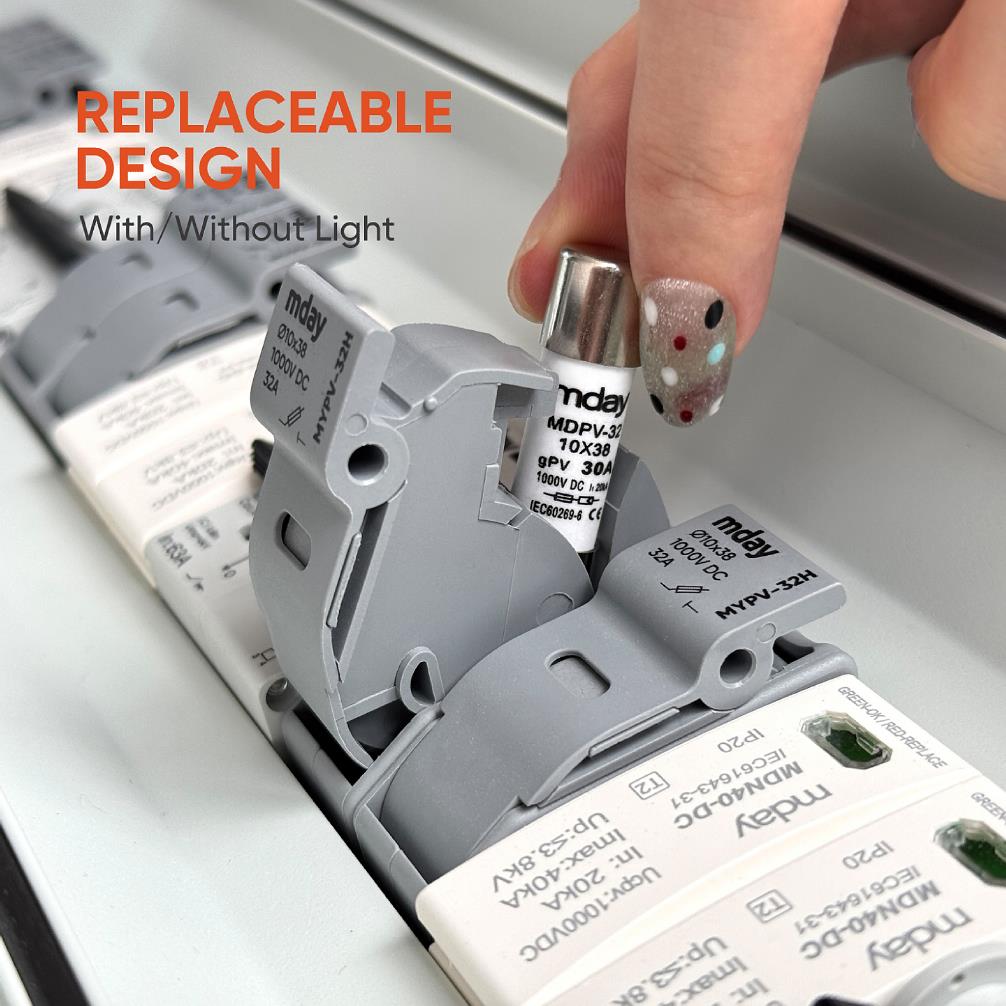
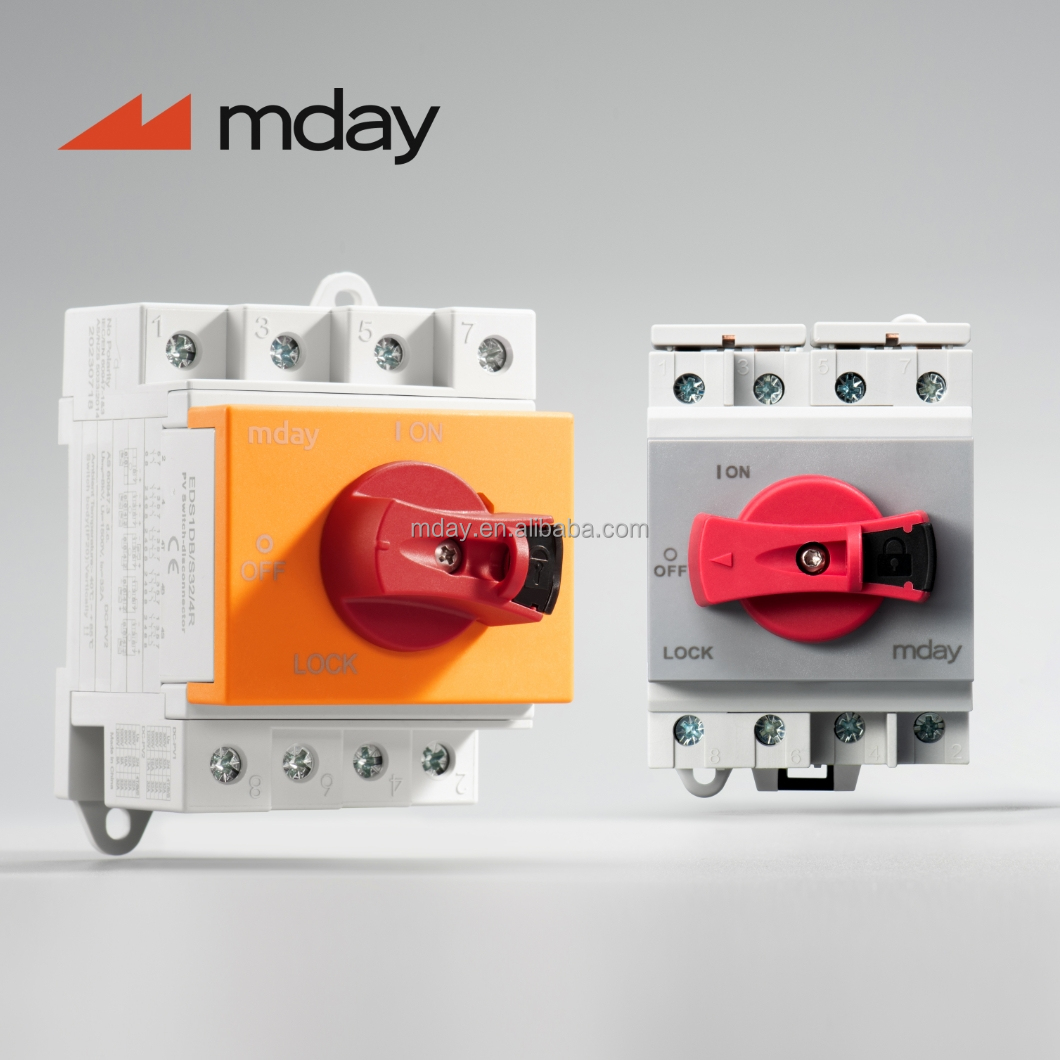
Kawasaki's maritime environment exposes solar switchgear enclosures to high ambient humidity and salt-laden corrosive coastal air. Standard metal components degrade rapidly under salt spray, leading to contact resistance oxidation, elevated thermal loss, and false nuisance tripping. Luck New Energy constructs all export-grade DC MCCBs, DIN rail fuse holders (MYPV-32H), and rotary disconnect switches (MYPV32-L2) using nickel-plated high-purity electrolytic copper, self-extinguishing V0 flame-retardant thermoplastics, and anti-corrosive stainless steel fasteners tested to rigorous salt fog exposure standards.
Localized Market Trends & Regulatory Compliance in Japan
Procurement teams, panel builders, and solar EPC project managers in Kawasaki and Tokyo face evolving statutory frameworks and technical transition vectors that shape component selection:
- Mandatory 1500V DC System Upgrades: To reduce balance-of-system (BOS) wiring costs and inverter count, utility-scale and large commercial developers in Kanagawa are shifting from legacy 1000V DC designs to 1500V DC topologies. This requires switchgear certified specifically to IEC 60947-2 / JIS C 8201-2 standards with elevated dielectric insulation voltages up to 1500V DC.
- Harmonization of CE Markings & JET/JIS Standards: While domestic Japanese projects often reference METI safety guidelines and JET certifications, importing high-capacity DC MCCBs directly from CE-certified, TÜV Rheinland verified direct manufacturers offers Kawasaki system integrators a 30%–45% cost advantage over local white-label distributors without compromising safety or breaking capacity.
- Tightened Thermal Derating Requirements: Due to summer heatwaves in Kanagawa where ambient enclosure temperatures inside metal combiner boxes frequently reach 50°C to 55°C, circuit breakers must be engineered with calibrated thermal trip bimetals or electronic trips that account for strict ambient temperature derating curves.
Factory Engineering Strengths & OEM Wholesaler Capabilities
Located in the Yueqing Economic Development Zone, Wenzhou—the globally recognized epicenter of low-voltage electrical apparatus manufacturing—Luck (Zhejiang) New Energy Co., Ltd. operates as a specialized direct manufacturer of solar photovoltaic circuit protection devices.
Vertical Manufacturing Integration
From in-house precision plastic injection moulding of V0 flame-retardant housings to automated terminal riveting and silver-contact welding across 3 dedicated production lines.
Rigorously Tested Laboratory
9 specialized in-house testing instruments perform routine dielectric withstand, impulse voltage, calibration, and temperature-rise verification on 100% of finished lots.
OEM / ODM Flexibility for Wholesalers
Complete private labeling, customized current ratings (16A to 630A), custom terminal extensions, pre-wired combiner box assemblies, and tailored packaging for Japan export markets.
With over 12 years of specialized PV manufacturing expertise, an onsite audit verification by TÜV Rheinland, and a dedicated team of 55 certified staff, Luck New Energy provides direct factory pricing, expedited lead times (2–7 days for standard product lines), and comprehensive international export compliance documentation to electrical wholesalers, panel builders, and engineering contractors in Kawasaki and nationwide across Japan.
Kawasaki Procurement & Technical FAQ
Common questions from Japanese electrical wholesalers, EPC contractors, and import procurement managers regarding solar DC MCCBs and distribution protection.
Direct Current (DC) lacks a natural voltage zero-crossing, making DC electric arcs significantly harder to extinguish than AC arcs. A DC MCCB, such as Luck's MDM3DC series, is specifically engineered with permanent magnetic blowout circuits and specialized multi-plate arc chutes to actively drive the DC plasma arc away from contacts and break short circuits up to 1000V or 1500V DC safely. Using an AC breaker in a DC circuit risks permanent arc welding, casing rupture, and fire hazards.
Yes. Our DC MCCBs, DC fuses, isolators, and Surge Protective Devices (SPD) are built and certified to international IEC/EN 60947-2, IEC 60269-6, UL 248-19, and carry official CE and VDE certifications. These international IEC test reports directly align with the technical safety criteria specified under Japan's JIS C 8201-2 and METI technical guidelines, enabling smooth project approval for commercial solar installations in Kanagawa.
During summer in Kawasaki, internal combiner box temperatures can reach over 50°C. Luck New Energy provides comprehensive thermal derating tables for all DC MCCB frame sizes (125A, 250A, 400A, 630A). Our thermal-magnetic trip units are calibrated at 40°C base rating, and our engineering team assists EPCs in selecting the precise nominal current rating (In) to prevent nuisance tripping under ambient heat.
Because we operate 3 direct factory production lines in Wenzhou, China, our MOQ for standard DC MCCBs and component products ranges from just 5 to 50 pieces. Standard stock models ship within 2 to 7 days. Sea freight to nearby Tokyo Bay ports (Kawasaki, Yokohama, Tokyo) typically takes 4 to 7 days transit time, making factory-direct supply fast and highly responsive for ongoing site builds.
Yes. With 7 years of specialized OEM/ODM manufacturing experience, we offer full private labeling services. We can customize casing colors, laser-engrave your corporate logo, supply custom terminal extension bars, adjust trip curves, and design custom retail/wholesale packaging according to your exact corporate specifications.
You can directly contact our engineering sales office by clicking the inquiry button on this page. Provide your required operational voltage (500V, 1000V, or 1500V DC), trip current rating, prospective short-circuit level, and quantity. Our technical team responds within 24 hours with complete datasheets, pricing, and sample delivery options.
Partner with a Direct CE Certified DC MCCB Manufacturer
Streamline your solar distribution supply chain in Kawasaki with factory-direct pricing, certified 1000V/1500V DC breaking capacity, and expert engineering support.
Contact Us