Flagship Solar PV Circuit Breakers & Protection Solutions
Precision-engineered DC MCBs, MCCBs, Surge Protective Devices, and MOV components manufactured under TÜV Rheinland & VDE certified quality management.

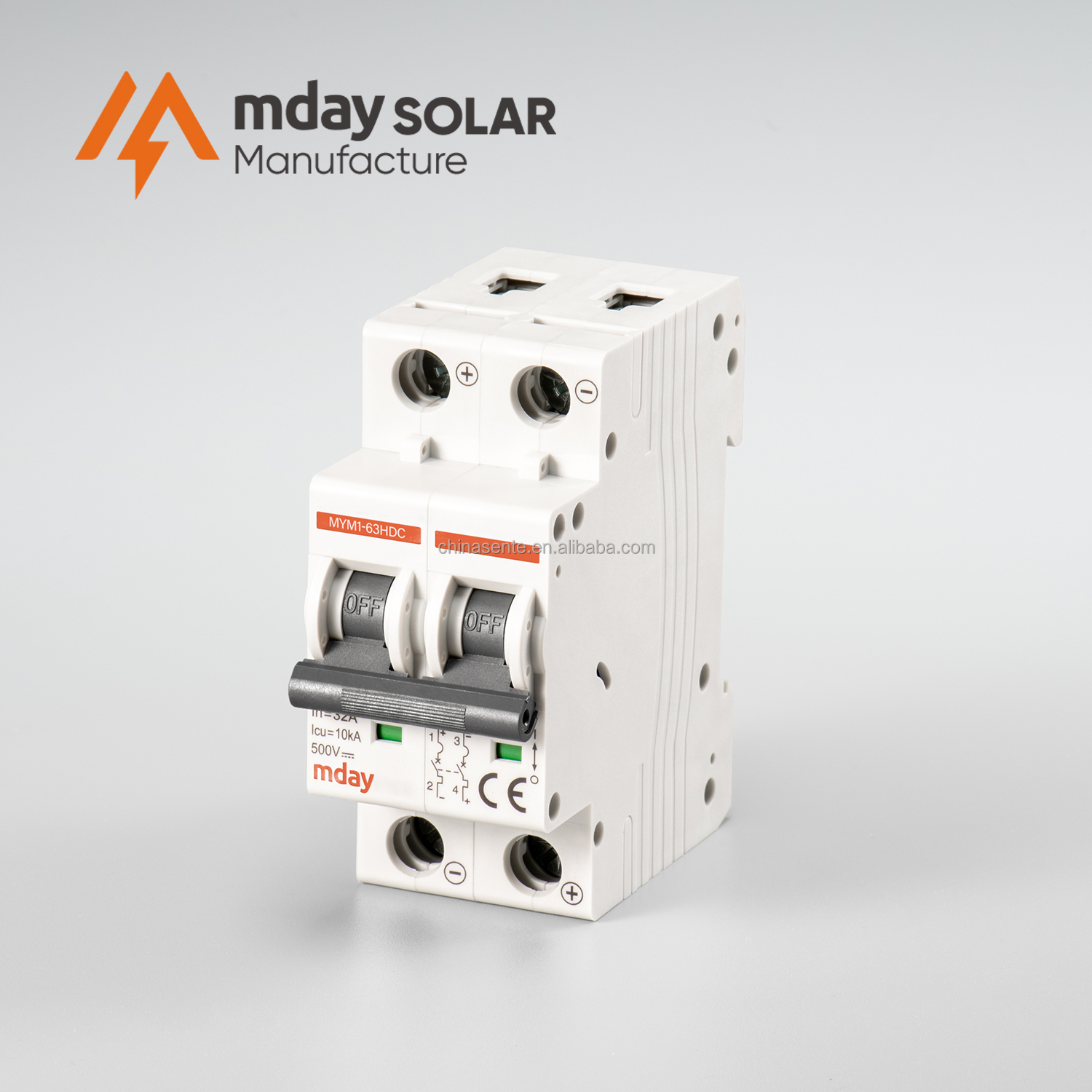
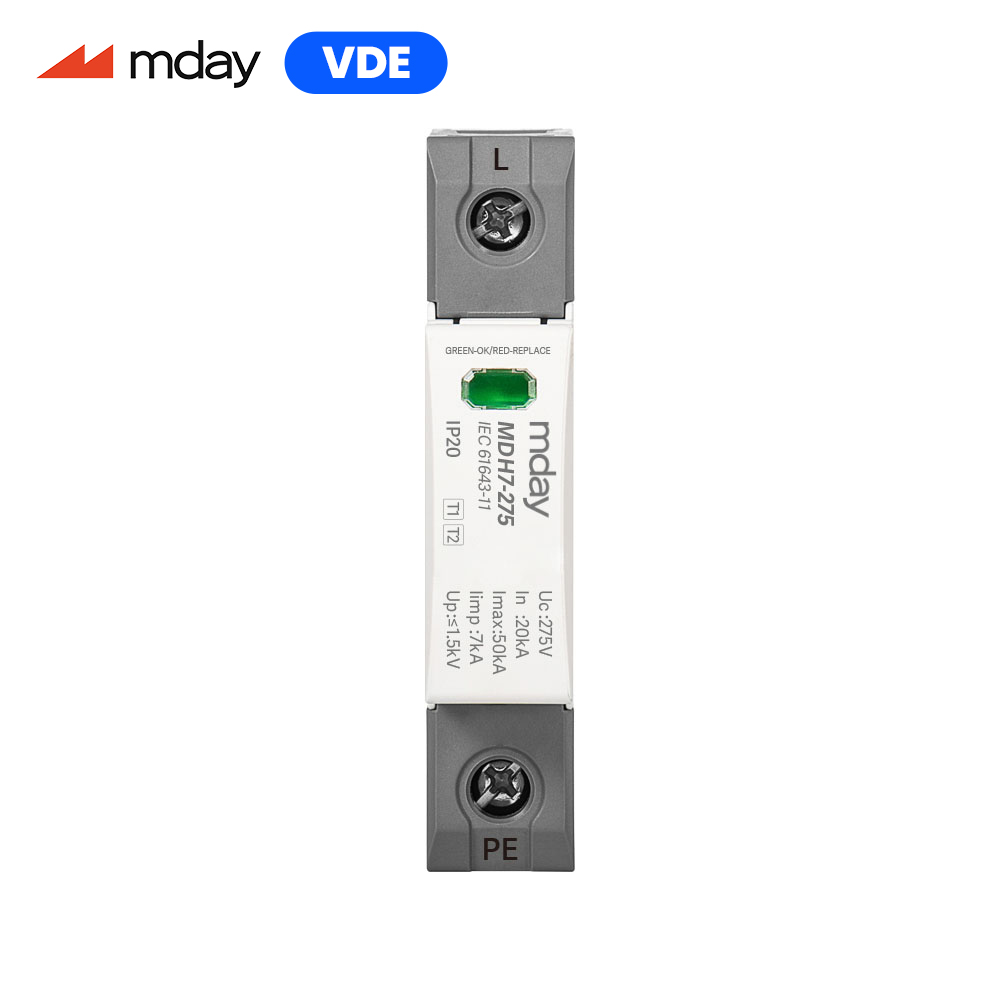
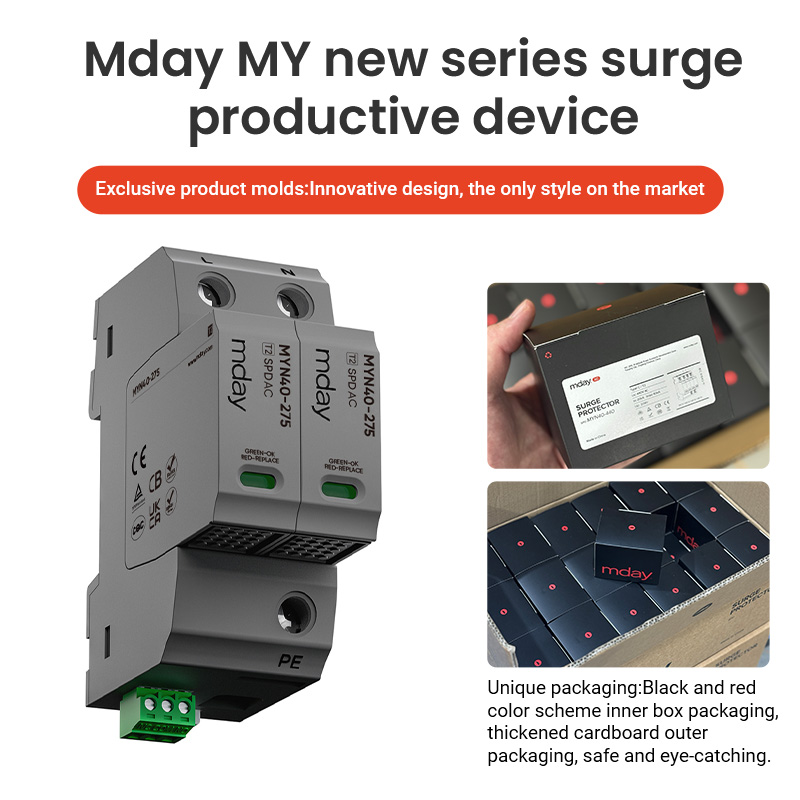
The Engineering Science Behind Photovoltaic DC Circuit Protection
In modern solar power generation systems, circuit breakers are the critical line of defense against short-circuit currents, reverse current flow, thermal overloads, and destructive arc faults. Unlike traditional alternating current (AC) systems where the voltage waveform naturally crosses zero twice per cycle—allowing electric arcs to extinguish naturally—direct current (DC) maintains continuous voltage and current levels. This physics dynamic presents an extraordinary technical challenge: when a DC circuit breaker trips under load, the resulting electric arc does not self-extinguishes; it forms a sustained plasma column capable of reaching temperatures over 6,000°C.
To safely interrupt DC arcs at operating voltages up to 1000V DC and 1500V DC, leading manufacturers utilize specialized permanent magnetic blowouts and multi-plate arc chutes. When the breaker contacts separate under fault conditions:
- Lorentz Force Deflection: Integrated permanent magnets create a dense transverse magnetic field. The interaction between the magnetic field and the arc current generates a powerful Lorentz force that physically drives the plasma arc away from the silver-alloy contact tips into the arc chute.
- Arc Chute Segmentation & Cooling: The arc is stretched and split into dozens of smaller series arcs across stacked insulated copper splitter plates. This rapidly increases the overall arc voltage ($V_{arc}$) above the system operating voltage ($V_{sys}$), depriving the arc of ionization energy and forcing immediate extinction within under 5 milliseconds.
- Polartity Sensitivity vs. Non-Polarized Protection: Bi-directional solar array topologies require non-polarized breaker designs. Specialized manufacturers employ dual-symmetrical magnetic arc chutes to guarantee bidirectional fault interruption, eliminating catastrophic failure risks caused by field wiring reversal errors.
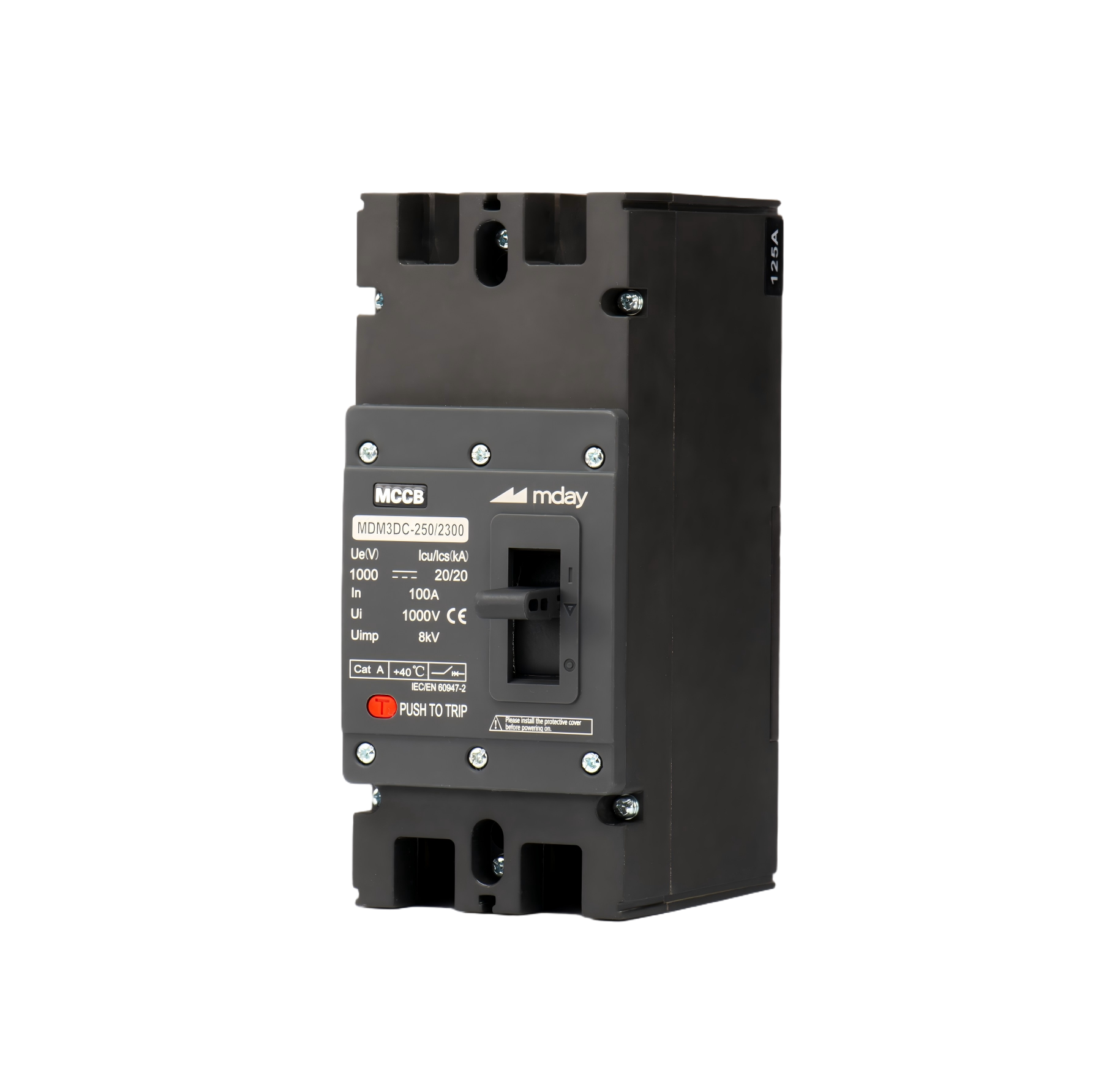
Photovoltaic system designers must carefully evaluate the protection technology deployed inside Miniature Circuit Breakers (MCB) and Moulded Case Circuit Breakers (MCCB):
Thermal-Magnetic Tripping Units
Utilizes a calibrated bimetallic strip for inverse time-delay overload protection and an electromagnetic coil for instantaneous short-circuit protection. Highly reliable, cost-effective, and ideal for string combiner boxes and residential PV systems operating between 1A and 250A.
Microprocessor Electronic Trip Units (ETU)
Employs current sensors and digital microcontrollers to execute complex protection curves (LSI: Long-time, Short-time, Instantaneous). Features programmable current thresholds, temperature compensation, and RS-485 Modbus communication for real-time monitoring in utility-scale solar farms.
Hybrid Arc Fault Detection (AFCI)
Next-generation intelligent breakers incorporate digital signal processors (DSP) to analyze high-frequency current noise signatures, identifying series and parallel DC arcing events prior to catastrophic electrical fires.
Engineering Selection Framework for PV Protection Components
A comprehensive engineering matrix comparing DC circuit breakers, fuses, surge protective devices (SPD), and isolator switches across solar array system nodes.
| Device Category | Primary Protection Target | Voltage Rating ($U_e$) | Breaking Capacity ($I_{cu}$) | Key Standard & Compliance | Best Application Node |
|---|---|---|---|---|---|
| DC Miniature Circuit Breaker (DC MCB) | String Overload & Short Circuit | 12V DC – 1000V DC | 6kA – 10kA | IEC/EN 60947-2, GB/T 14048.2 | Residential PV Strings, Inverter Input |
| DC Moulded Case Breaker (DC MCCB) | Sub-array Short Circuit & Main Bus | 500V DC – 1500V DC | 15kA – 50kA | IEC 60947-2, UL 489B | Central Inverters, Energy Storage Cabinets |
| Solar PV Fuse Link (gPV) | High-speed Short-circuit Protection | 1000V DC – 1500V DC | 20kA – 33kA | IEC 60269-6, UL 248-19 | Combiner Box In-line String Protection |
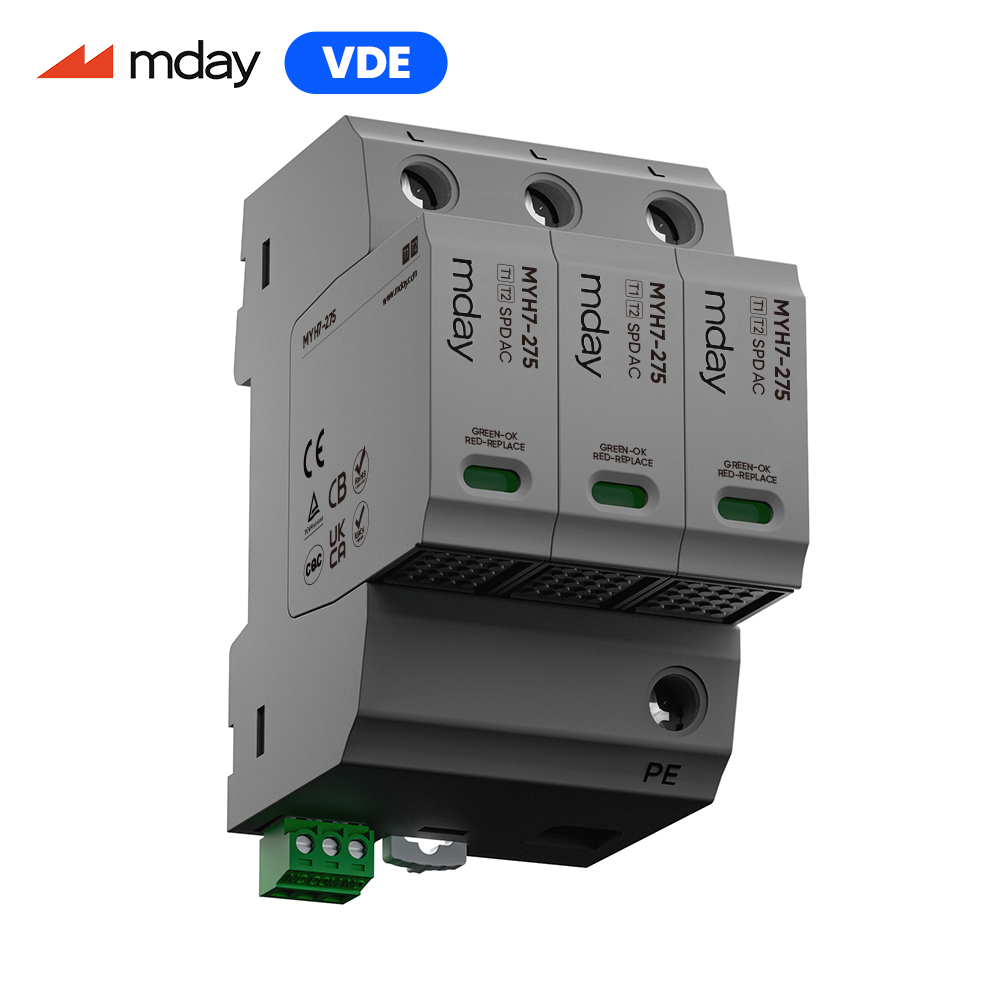
| DC Surge Protective Device (SPD) | Lightning & Overvoltage Transients | 320V DC – 1500V DC | $I_{max}$ up to 40kA | VDE 0675, IEC 61643-31 | Combiner Boxes, Inverter DC Input Terminals |
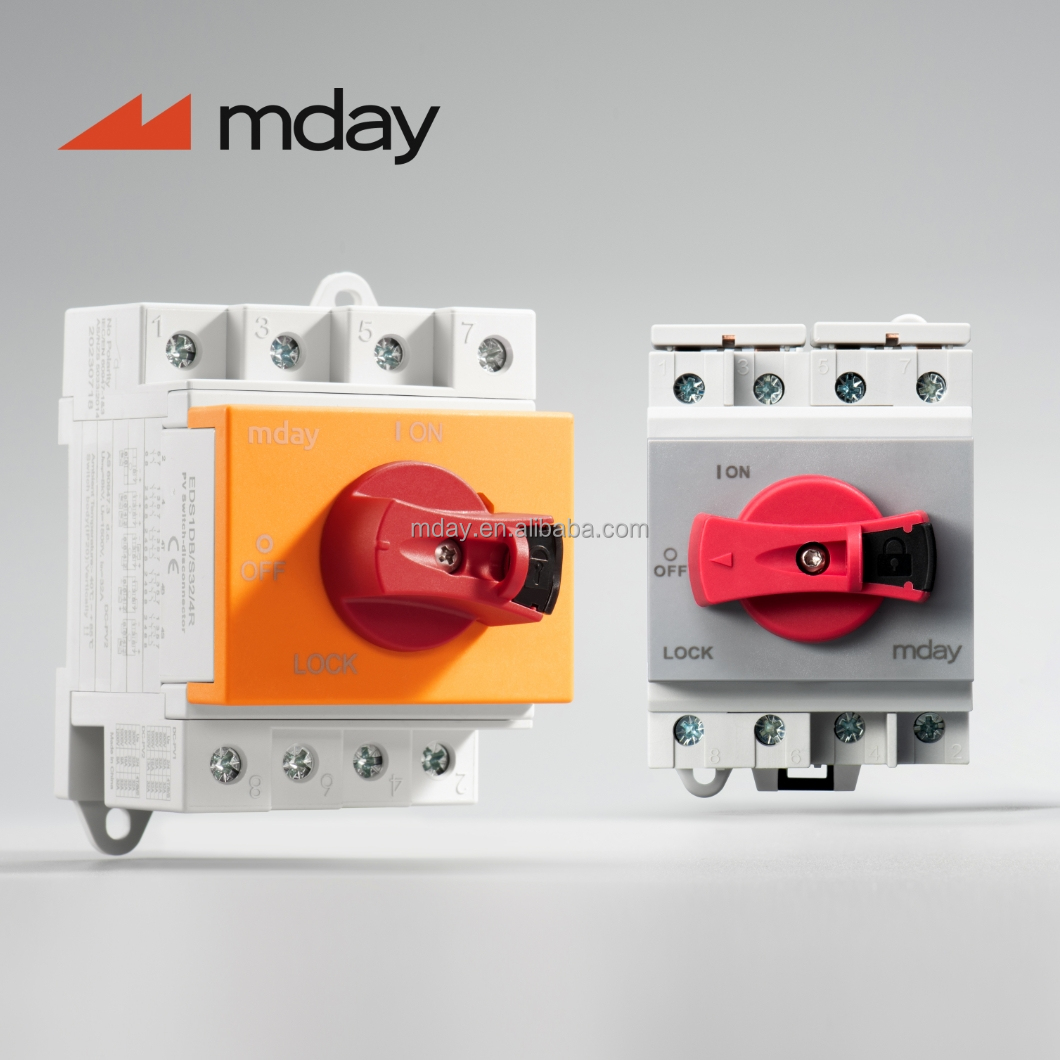
| Rotary PV Isolator Switch | Manual Load Isolation & Maintenance | 1000V DC – 1200V DC | $I_{make}/I_{break}$ up to 32A | IEC 60947-3, IP66 Enclosures | Rooftop Inverter Isolation, String Disconnect |
Global Procurement & Future Sourcing Trends for Solar B2B Buyers
As the global solar energy market transitions from megawatt-scale installations to multi-gigawatt utility projects, procurement directors, EPC contractors, and OEM panel builders face evolving regulatory and economic landscapes. Modern solar supply chains demand suppliers capable of delivering strict compliance, verifiable quality, and flexible OEM/ODM capabilities.
Higher operational voltages directly reduce $I^2R$ copper transmission losses and allow longer string lengths (up to 30% more modules per string). Consequently, global procurement teams are phasing out legacy 600V/1000V components in favor of 1500V DC certified MCCBs, fuses, and Type 1+2 SPDs designed to withstand increased dielectric stress and elevated ambient temperatures in desert environments.
Google’s Quality Guidelines and global engineering standards place heavy emphasis on verified manufacturer credentials. B2B buyers no longer rely on self-declared product specifications. Top-tier buyers mandate:
- Onsite Inspection Reports: Verified factory audits by independent testing bodies like TÜV Rheinland, Intertek, or SGS.
- In-House Testing Infrastructure: Facilities equipped with impulse voltage generators, high-current tripping test benches, thermal rise chambers, and salt-spray corrosion testers.
- International Certification Portfolios: Complete certification compliance including VDE (Germany), CE (Europe), UL (North America), and ISO 9001 Quality Management Systems.
To reduce field labor costs and eliminate wiring errors during installation, EPC contractors are increasingly sourcing ready-to-install, IP65/IP66 pre-wired combiner boxes customized with exact bill-of-materials (BOM)—integrating custom-rated DC MCBs, surge arresters, and metal oxide varistors (MOV) in bespoke enclosure geometries.
Why Global B2B Buyers Trust Luck (Zhejiang) New Energy Co., Ltd.
Headquartered in the Yueqing Economic Development Zone (Wenzhou, China)—the world's premier cluster for low-voltage electrical apparatus—Luck New Energy (Mday) represents engineering excellence in photovoltaic circuit protection.
12+ Years Manufacturing Expertise
Over a decade of specialized R&D and production experience dedicated exclusively to solar PV surge protective devices, DC fuses, DC circuit breakers, and MOV components.
TÜV Rheinland Verified Factory
Onsite assessed manufacturing facility featuring 3 automated assembly lines, 55+ qualified technical workers, and 9 advanced in-house electrical testing instruments.
Vertical In-House Production
From automated plastic injection moulding of flame-retardant V-0 housings to precision metal stamping and 100% finished-product trip testing, quality is controlled at every stage.
Global Certification Portfolio
Our product lineup holds prestigious VDE, TÜV, CE, and ISO certifications, meeting UL 248-19, IEC 60269-6, and IEC/EN 60947-2 standards for seamless worldwide deployment.
70% Global Export Share
Proven track record supplying leading solar distributors, panel builders, and energy storage integrators across Europe, Southeast Asia, South America, and the Middle East.
Flexible OEM / ODM Services
Comprehensive private-labeling, custom voltage/ampere ratings, custom enclosure colors, and rapid prototyping turnaround within 2 to 7 days for standard stock items.
Frequently Asked Questions (FAQ) for Engineering Buyers
Key technical and commercial inquiries addressed by our senior application engineering team.
Accelerate Your Solar Projects with Certified DC Protection Components
Consult with our senior technical engineers to receive single-line diagram evaluations, customized product specifications, factory pricing, and free evaluation samples.
