Core Electrical Protection Component Portfolio
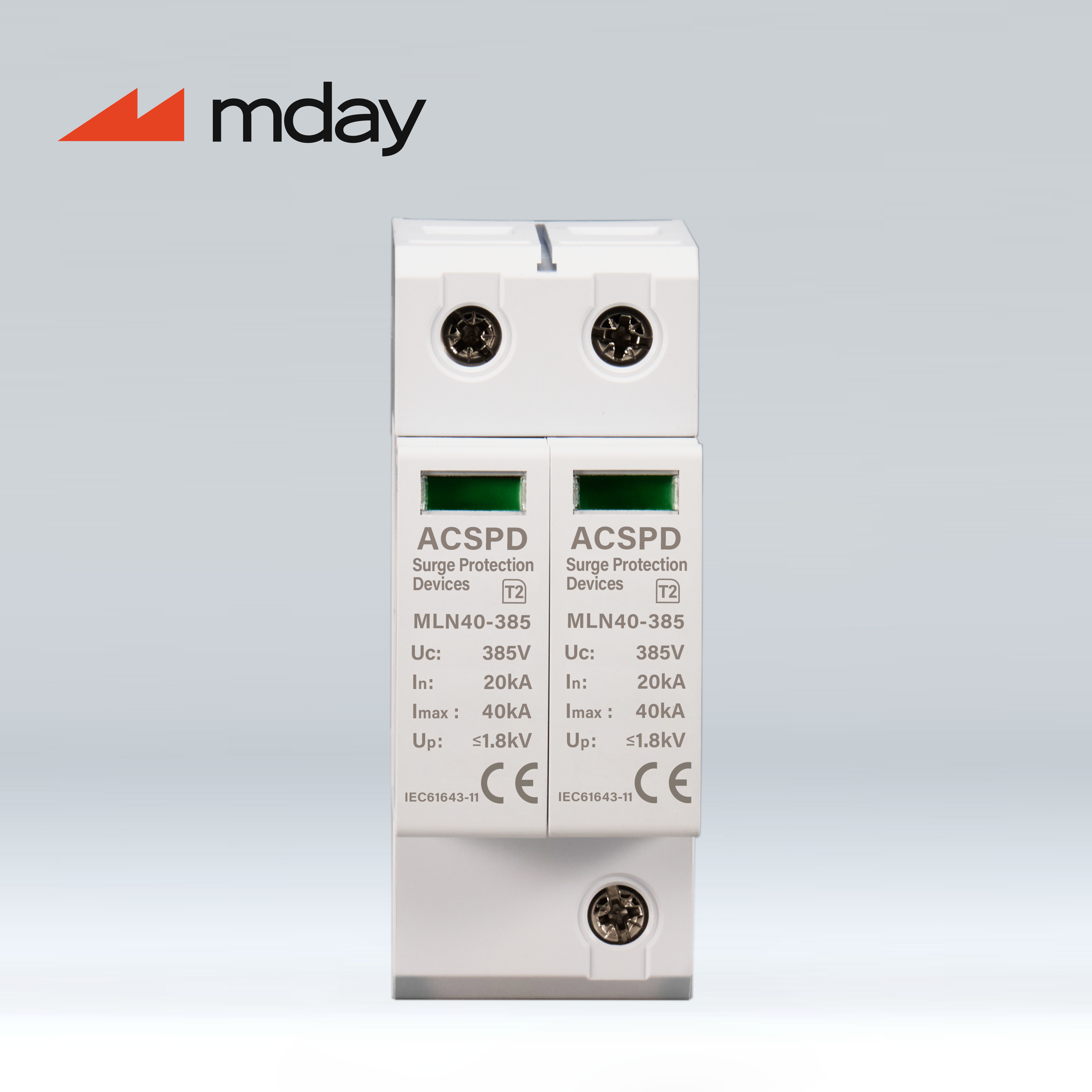
Explore our flagship lineup of Miniature Circuit Breakers (MCBs), Residual Current Breakers (RCCBs), Surge Protection Devices (SPDs), and PV Combiner Enclosures manufactured to strict IEC/EN standards.
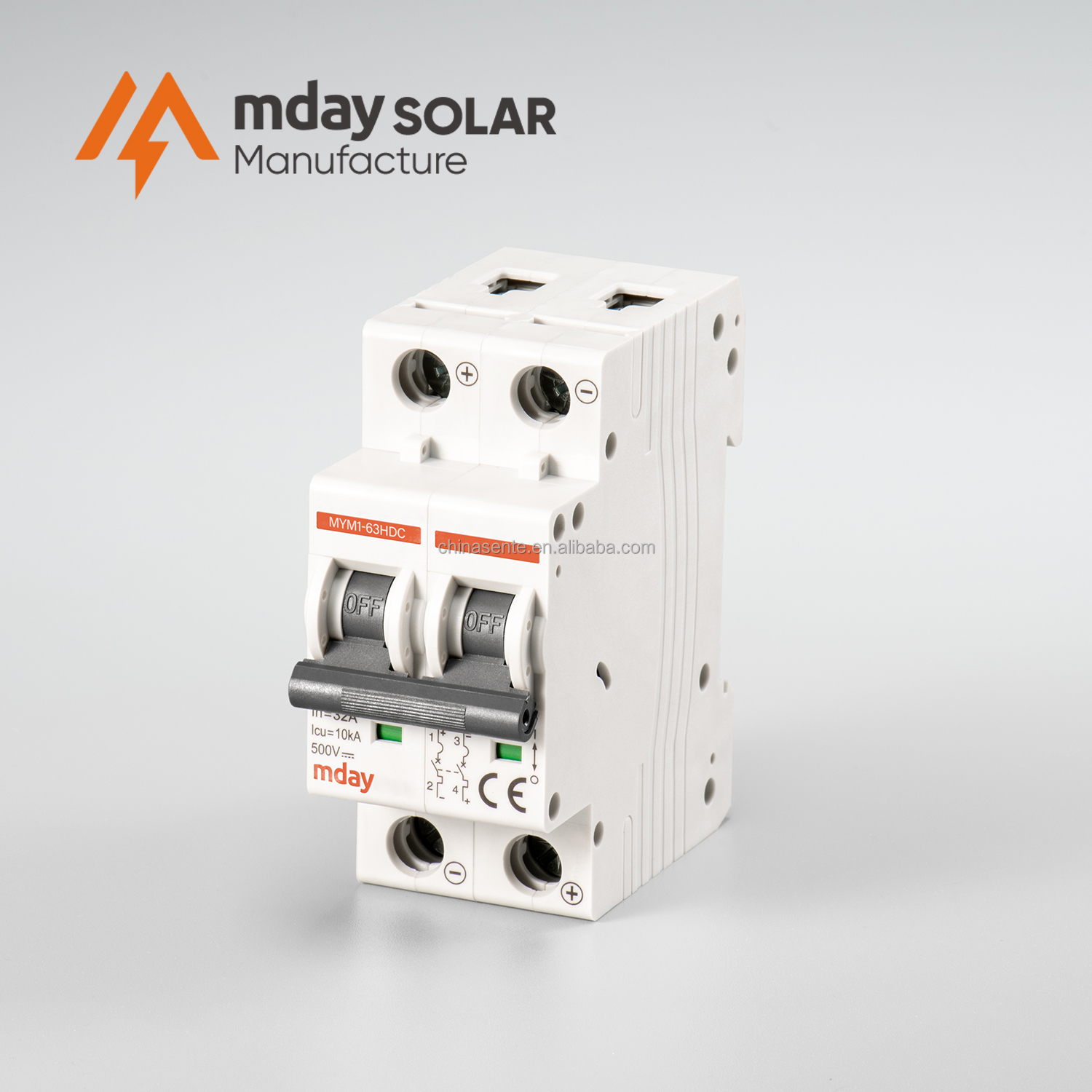
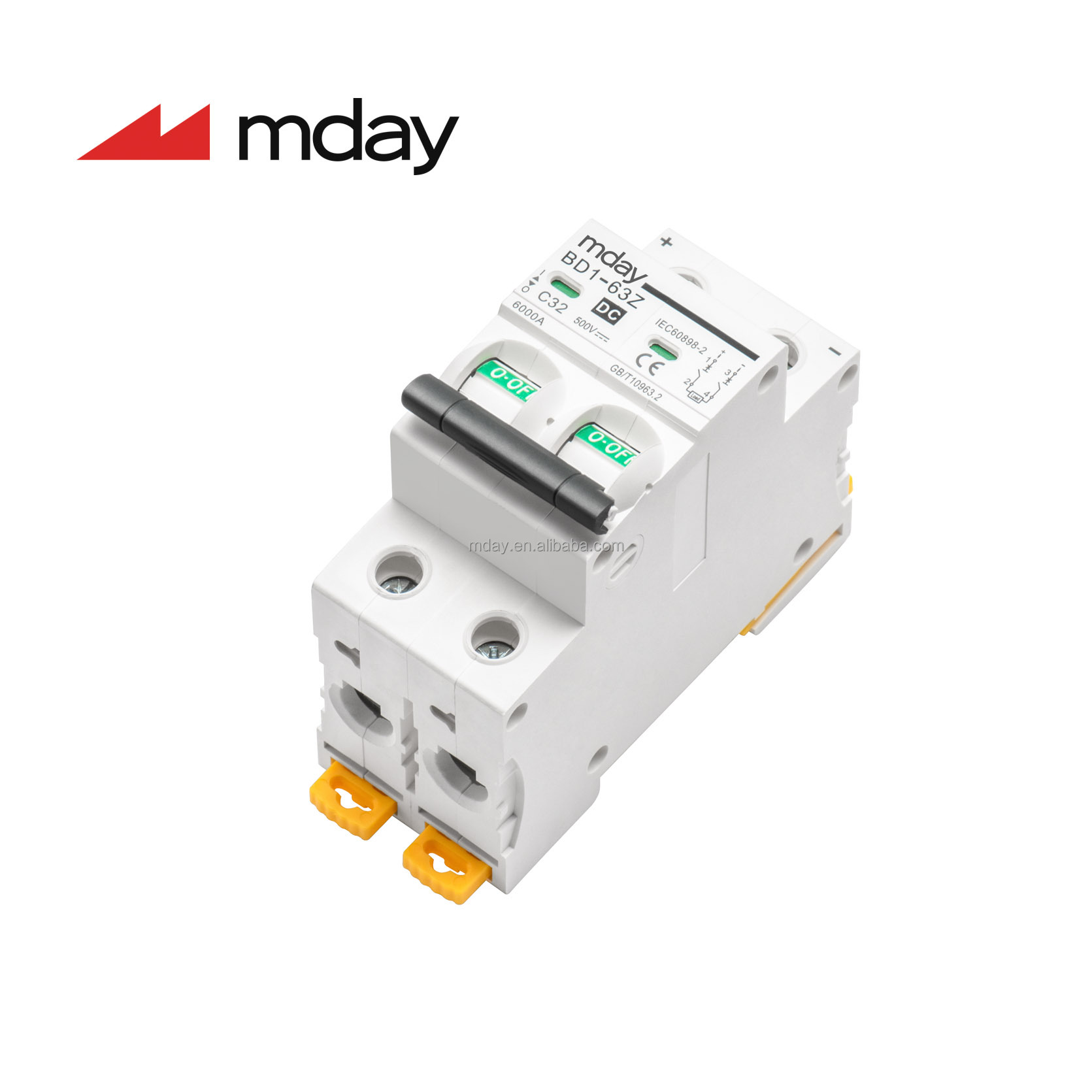
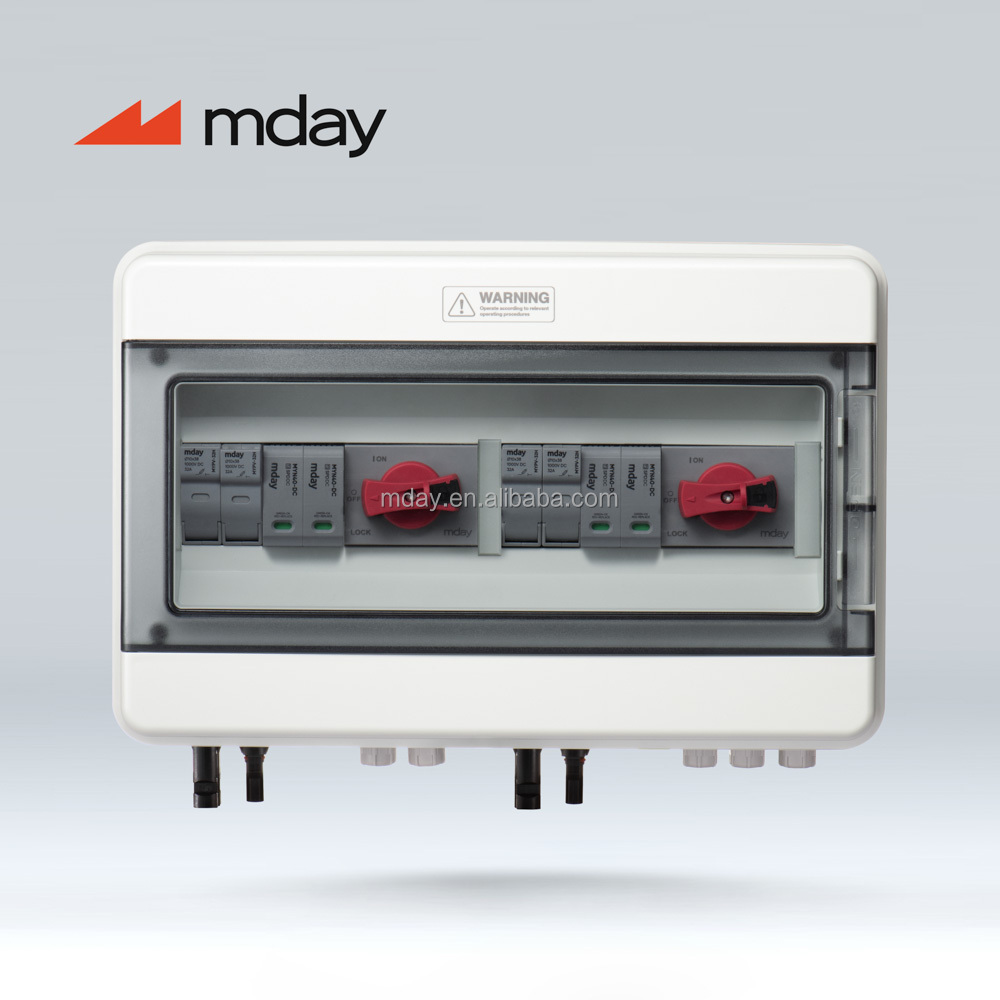
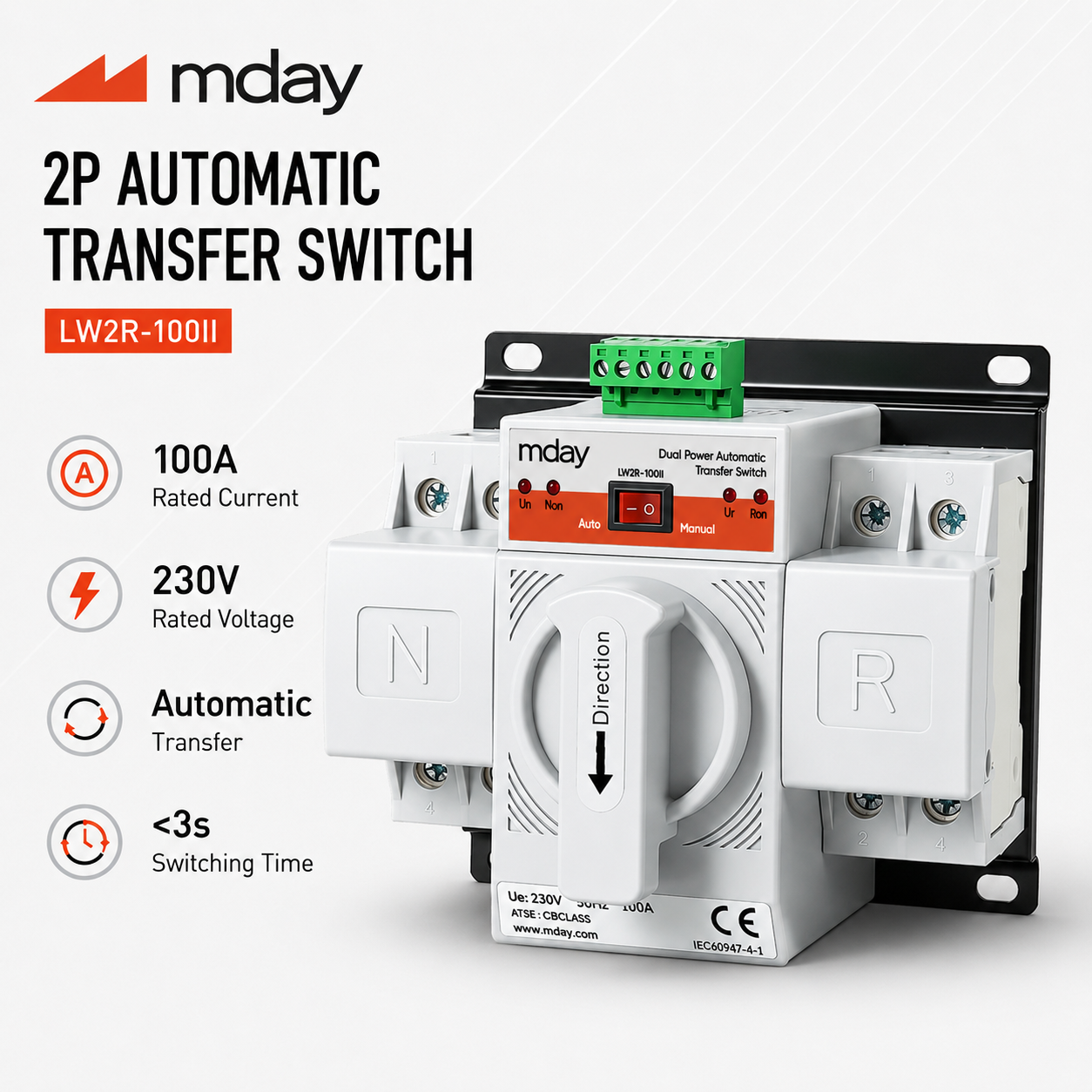
OEM AC Miniature Circuit Breaker Architecture & Sourcing Recommendations
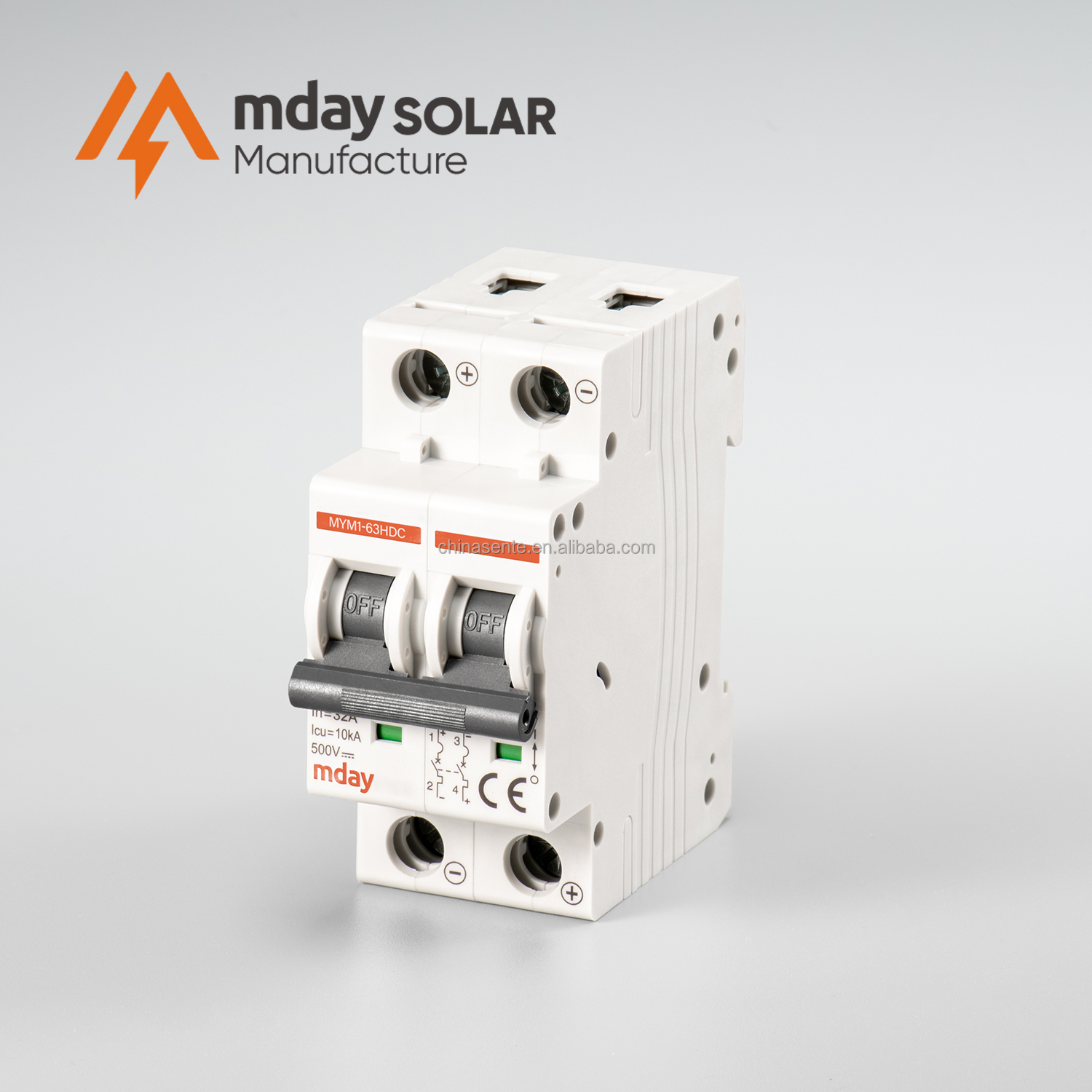
In modern commercial, industrial, and residential electrical distribution systems, the AC Miniature Circuit Breaker (MCB) serves as the fundamental safeguard against overcurrent conditions, thermal overloads, and short-circuit faults. As an experienced B2B manufacturer and exporter based in Yueqing, Zhejiang—the globally recognized hub for low-voltage electrical apparatus—we provide custom OEM/ODM production tailored to the strict regulatory demands of international markets.
Procuring AC MCBs at wholesale volumes requires a deep understanding of internal breaking mechanisms, contact material metallurgy, arc extinguishing chamber geometry, and thermal-magnetic calibration precision. Selecting the correct tripping curve, breaking capacity rating ($I_{cn}$ / $I_{cu}$), and housing polymer is paramount to ensuring system continuity and safety compliance under IEC/EN 60898-1 and IEC/EN 60947-2 standard frameworks.
1. Mechanical & Electromagnetic Core Components
Our OEM AC Miniature Circuit Breakers incorporate a dual-tripping mechanism designed for rapid fault clearance:
Thermal Overload Bi-Metal Unit
Utilizes high-precision thermo-bimetallic strips calibrated to deflect predictably under prolonged overcurrent conditions, triggering the latch mechanism before cable insulation reaches critical degradation temperature.
Instantaneous Electromagnetic Solenoid
Engineered with copper magnetic coils that instantly actuate an armature during high-magnitude short-circuit surges (sub-10 millisecond response), separating contacts almost instantaneously.
Multi-Plate De-Ionizing Arc Chute
Comprises 9 to 13 insulated steel splitter plates that stretch, cool, and extinguish high-temperature electric arcs generated during contact separation under maximum short-circuit energy fault levels.
2. OEM Selection & Tripping Curve Classification Matrix
To assist procurement managers, EPC contractors, and brand distributors in specifying the exact OEM parameters for their target markets, we categorize AC MCB operational profiles based on instantaneous tripping thresholds:
| Tripping Curve | Instantaneous Trip Range | Primary Application Field | Recommended Rated Current ($I_n$) | Standards Compliance |
|---|---|---|---|---|
| Type B Curve | $3 I_n \text{ to } 5 I_n$ | Resistive loads, domestic lighting, electronic heating circuits | 1A – 63A | IEC 60898-1 / EN 60898-1 |
| Type C Curve | $5 I_n \text{ to } 10 I_n$ | Standard inductive loads, commercial HVAC, fluorescent lighting arrays | 0.5A – 125A | IEC 60898-1 / IEC 60947-2 |
| Type D Curve | $10 I_n \text{ to } 20 I_n$ | High inductive surges, industrial motors, transformers, X-ray equipment | 1A – 100A | IEC 60947-2 |
| High-Breaking AC MCB | Sub-calibrated (6kA to 15kA) | Main service entrance panels, heavy commercial distribution boards | 6A – 125A | VDE, CE, TÜV Certified |
Future Global Procurement Trends in AC Circuit Protection (2025–2030)
The global low-voltage circuit protection market is undergoing a structural paradigm shift driven by grid decarbonization, localized microgrid deployment, smart building automation, and stringent energy efficiency directives. Wholesalers and brand importers must realign their sourcing strategies to capture emerging high-margin segments.
1. Acceleration of IoT-Enabled Smart Miniature Circuit Breakers
Traditional passive protection devices are increasingly giving way to Smart AC MCBs integrating microprocessors, RS485/Modbus, Wi-Fi, or Zigbee communications. Sourcing smart MCBs allows real-time current metering, remote trip reset capabilities, temperature monitoring, and predictive failure analytics for facility managers. OEM suppliers capable of integrating shunt actuators and metering chips within standard 18mm DIN-rail modules are capturing rapid market share in smart city projects.
2. Demand for High Breaking Capacity in Ultra-Compact Footprints
With distribution transformers scaling in density and short-circuit fault currents ($I_{cp}$) rising across urban networks, electrical contractors are specifying 10kA and 15kA breaking capacity MCBs in 1P, 2P, 3P, and 4P configurations without expanding module width beyond the standard 18mm per pole envelope. Manufacturers utilizing advanced silver-graphite ($AgC$) or silver-tin-oxide ($AgSnO_2$) contact tips are leading this miniaturization trend.
3. Hybrid AC/DC Protection for Distributed Renewable Ecosystems
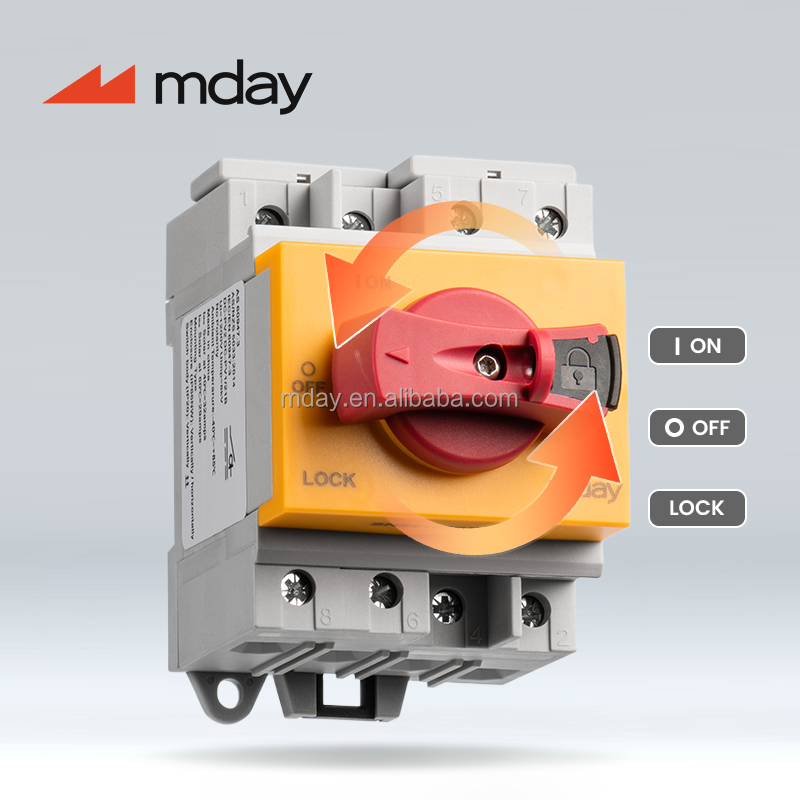
As commercial buildings integrate rooftop Solar PV, EV chargers, and battery energy storage systems (BESS), distribution panels experience bidirectional power flows and complex harmonic distortion. Sourcing portfolios must now bridge pure AC protection with specialized DC breakers, residual current monitors (Type B RCCBs sensitive to smooth DC currents), and surge protection devices (SPDs) to provide complete system protection under unified brand labeling.
Environmental & Eco-Design Directives
Global buyers now require halogen-free, flame-retardant polyamide polymers (PA66 with 25% glass fiber reinforcement) compliant with EU RoHS 3.0 and REACH certifications, eliminating polybrominated diphenyl ethers (PBDEs).
Arc Fault Detection Device (AFDD) Integration
Regulatory bodies in Western Europe and North America are expanding mandatory AFDD adoption in residential and high-risk commercial premises, prompting OEM buyers to combine AFDD, MCB, and RCCB protection into single compact enclosures.
Product Evolutionary Trends: Materials Science & Manufacturing Precision
The operational lifespan and reliability of an AC Miniature Circuit Breaker depend directly on manufacturing metallurgy and assembly precision. Over the past decade, low-voltage protection technology has evolved significantly from basic electro-mechanical switches to highly engineered trip units.
1. Contact Tip Metallurgy: Cadmium Elimination & Thermal Stability
Historical MCB contact points relied heavily on Silver-Cadmium-Oxide ($AgCdO$). Modern eco-friendly manufacturing utilizes Silver-Tin-Oxide ($AgSnO_2$) alloy contacts produced via powder metallurgy. $AgSnO_2$ offers superior resistance to electrical arc erosion, prevents contact welding during high short-circuit conditions, and maintains stable contact resistance across tens of thousands of operating cycles under full rated load ($I_n$).
2. Advanced Flame-Retardant Housing Polymers
The external casing of an MCB must maintain structural integrity and electrical insulation during extreme fault conditions. We utilize high-grade PA66 thermoplastic engineered to satisfy the UL94-V0 flammability rating. This material withstands glow-wire tests up to 960°C without sustaining ignition, protecting nearby panel components from thermal runaways.
3. Automated Calibration & High-Speed Stamping Assembly
Modern OEM production relies on automated calibration benches. Every single thermal bimetal strip is calibrated using computerized current sources, eliminating human error inherent in manual screw adjustments. Multi-station progressive stamping dies guarantee dimensional tolerances down to $\pm 0.02\text{ mm}$ for internal latches and copper conductors, ensuring uniform tripping characteristics across millions of manufactured units.
Enterprise Capabilities: Why Partner with Luck (Zhejiang) New Energy Co., Ltd.
As a leading custom manufacturer headquartered at 4th Floor, 299 Weishi Road, Yueqing Economic Development Zone, Wenzhou, Zhejiang, Luck (Zhejiang) New Energy Co., Ltd. (operating under the Mday brand) delivers end-to-end OEM and ODM services for global circuit protection buyers.
TÜV Rheinland Onsite-Verified Facility
Our 55+ qualified employee facility, production lines, and quality control systems are independently audited onsite by TÜV Rheinland, offering full transparency for international importers.
Extensive Global Certification Coverage
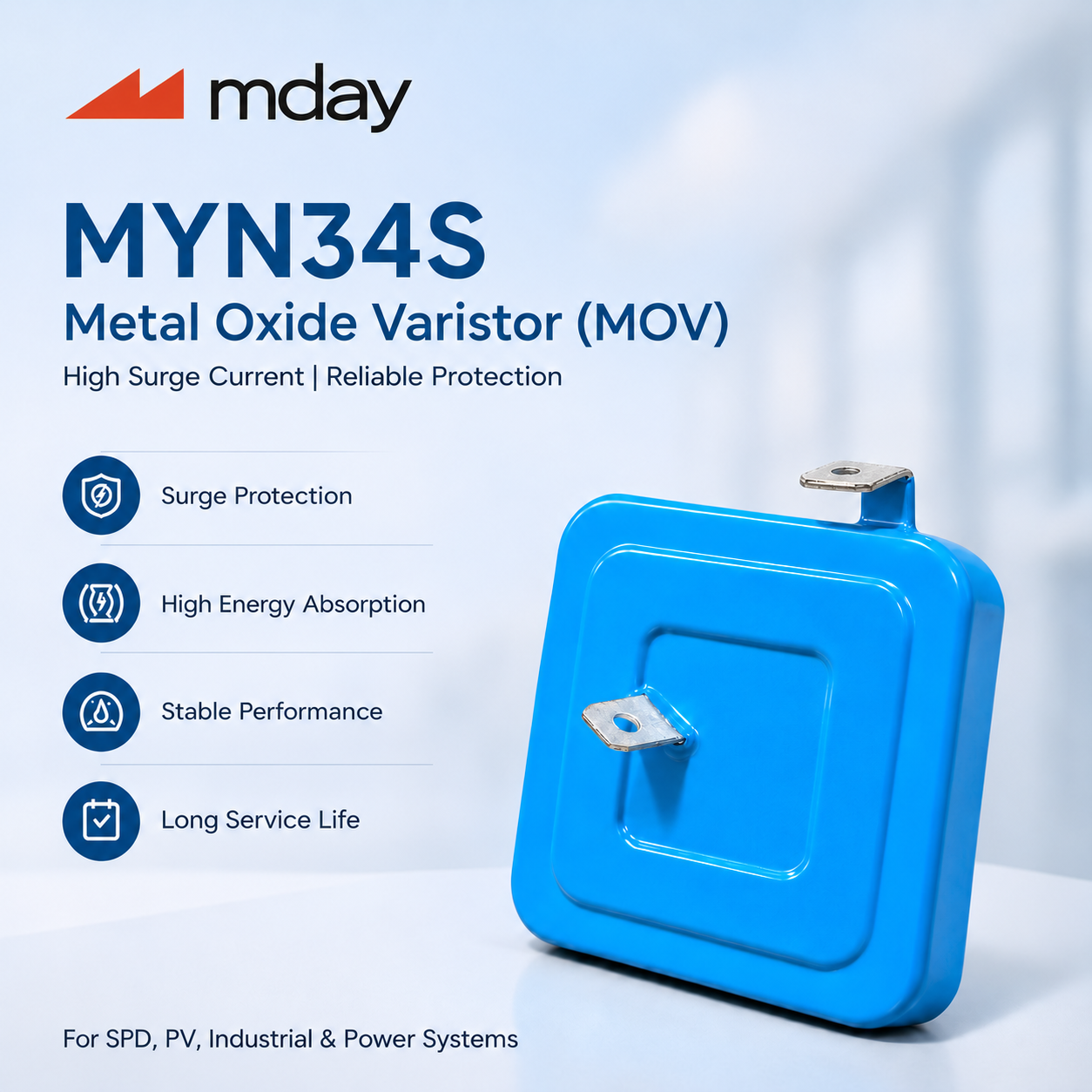
Our product portfolio carries prestigious international marks, including VDE certification for Surge Protective Devices, TÜV certification for MOV components, and CE / IEC compliance for MCBs and Fuses.
In-House Testing Laboratory (9 Instruments)
Equipped with 9 specialized testing instruments to execute 100% thermal trip verification, dielectric withstand tests, short-circuit impulse tests, and temperature rise checks prior to packaging.
7 Years of Private Label & OEM Excellence
Full design-based and sample-based customization. We provide laser-etched private branding, custom housing color schemes, tailored breaking curves, and localized packaging solutions.
Rapid Manufacturing & Lead-Time Stability
Operating 3 modern production lines with streamlined supply chain integration allows standard models to ship within 2 to 7 days, minimizing inventory holding costs for global wholesalers.
Dedicated Engineering R&D Staff
Supported by a senior technical team of 5+ certified electrical engineers with over 5 years of domain experience, assisting clients with compliance mapping and custom BOM engineering.
Frequently Asked Questions (FAQ) for OEM Sourcing & Wholesale
1. What is the fundamental difference between IEC 60898-1 and IEC 60947-2 certified AC MCBs?
2. What options are available for OEM custom branding and private labeling?
- Front Panel Branding: High-precision fiber laser marking or pad-printing of your company logo, trade name, model numbers, and custom wiring diagrams.
- Housing Colors: Custom injection molding for toggle switches, trip handles, and main body casings in signature brand colors (e.g., orange, blue, charcoal).
- Trip Curve Calibration: Custom thermal-magnetic response curve adjustment for specialized industrial equipment.
- Packaging: Custom printed inner display boxes, master cartons, barcode labels, and multilingual instruction inserts.
3. How does ambient temperature affect AC MCB current ratings, and do you offer tropicalization?
4. Can AC Miniature Circuit Breakers be used in DC (Direct Current) circuits?
5. What is the Minimum Order Quantity (MOQ) and typical delivery lead time for wholesale orders?
- Standard Stocked Models: Minimum order quantities starting from 5 to 200 pieces; typical dispatch within 2 to 7 working days.
- Custom OEM / Private Label Orders: MOQ typically ranges from 1,000 to 3,000 poles depending on the degree of housing molding and packaging customization. Lead time is generally 15 to 25 days following sample approval.
6. How does your factory guarantee quality control and prevent defective units from reaching buyers?
- IQC (Incoming Quality Control): Inspection of raw PA66 polymers, silver contact tips, bimetal strip lots, and copper stampings.
- IPQC (In-Process Quality Control): Automated vision systems and inline dimensional checks on all 3 assembly lines.
- 100% Thermal & Magnetic Calibration: Every single breaker passes through automated test benches for trip time verification under overload and short-circuit conditions.
- OQC (Outgoing Quality Control): Final sampling inspection for dielectric withstand voltage, mechanical toggle endurance, and laser marking readability prior to master packing.
7. What auxiliary accessories can be integrated with your OEM AC MCB lines?
- Auxiliary Contacts (AUX): For remote status indication (ON/OFF).
- Alarm Contacts (ALT): Triggers an electrical signal specifically when the breaker trips due to a fault.
- Shunt Trip Units (ST): Allows remote electrical opening of the breaker via external voltage signals.
- Under-Voltage Trip Units (UVT): Protects downstream motors and equipment by tripping during supply voltage drops.
8. Which international payment and trade terms do you support?
Request Custom OEM Samples & Wholesale Quotation
Partner with an onsite TÜV-verified circuit protection factory in Yueqing. Contact our engineering sales team to discuss technical specifications, obtain datasheets, or request custom samples.
