Featured Surge Protection & Circuit Control Equipment
Engineered, tested, and certified for commercial, industrial, and renewable energy infrastructure globally.
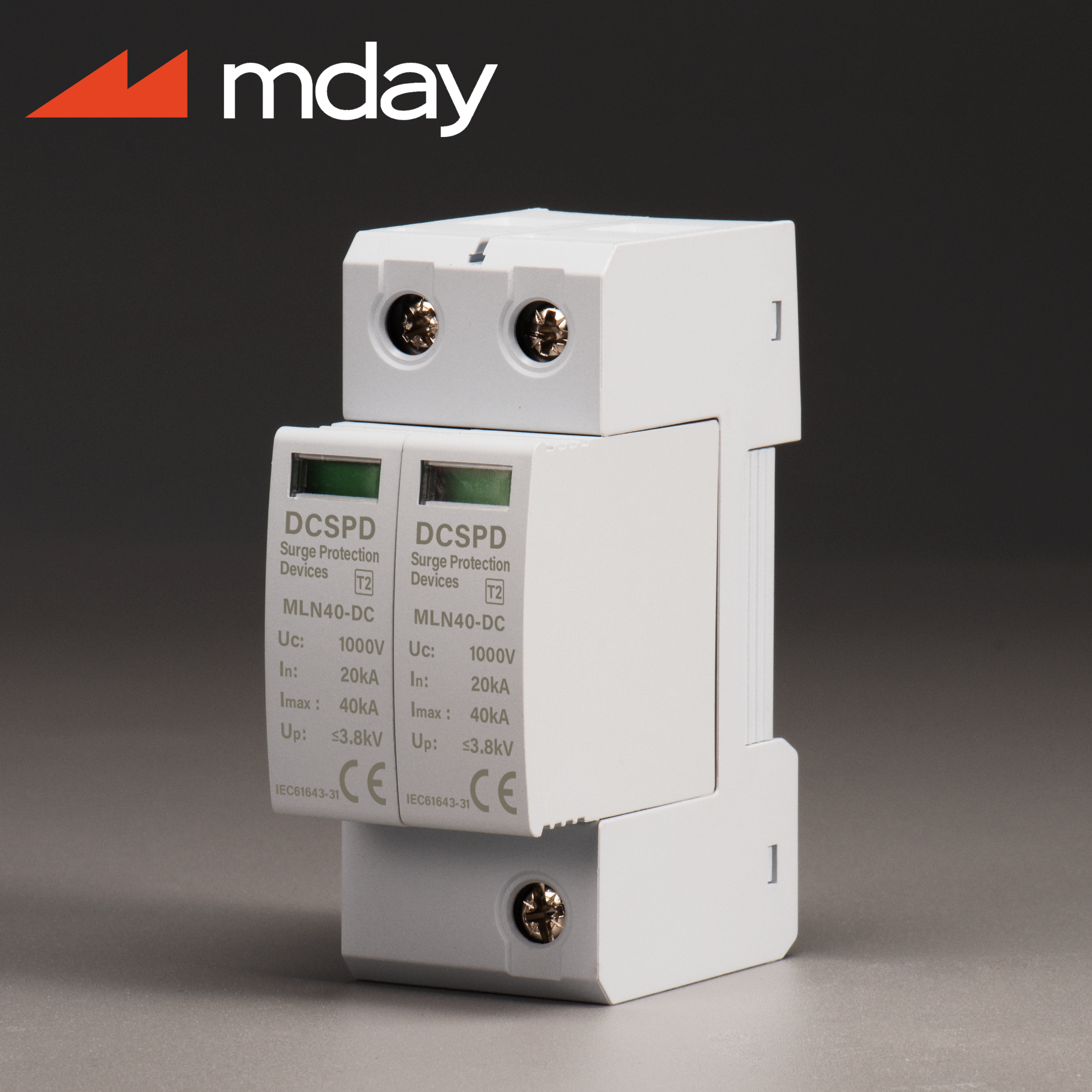
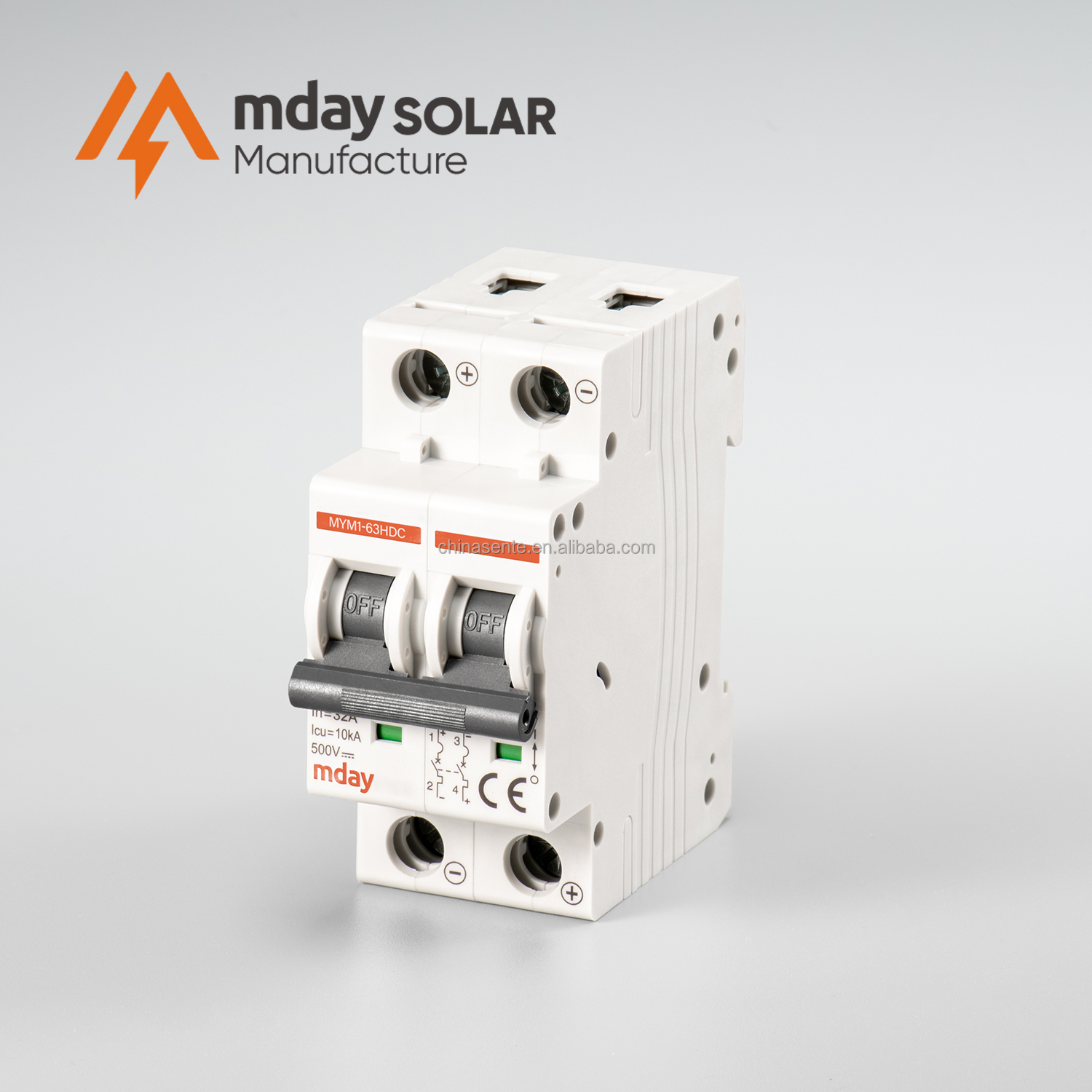
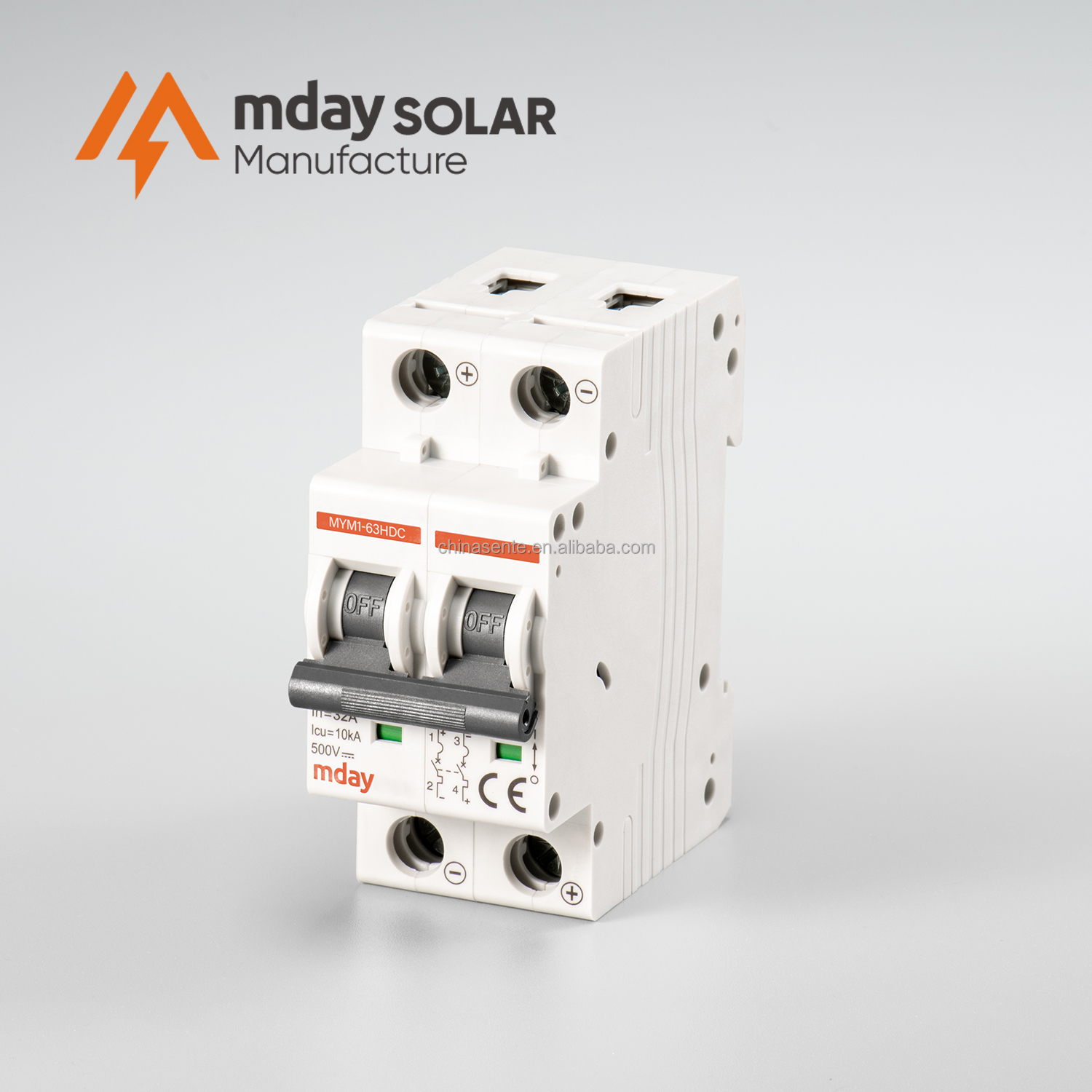
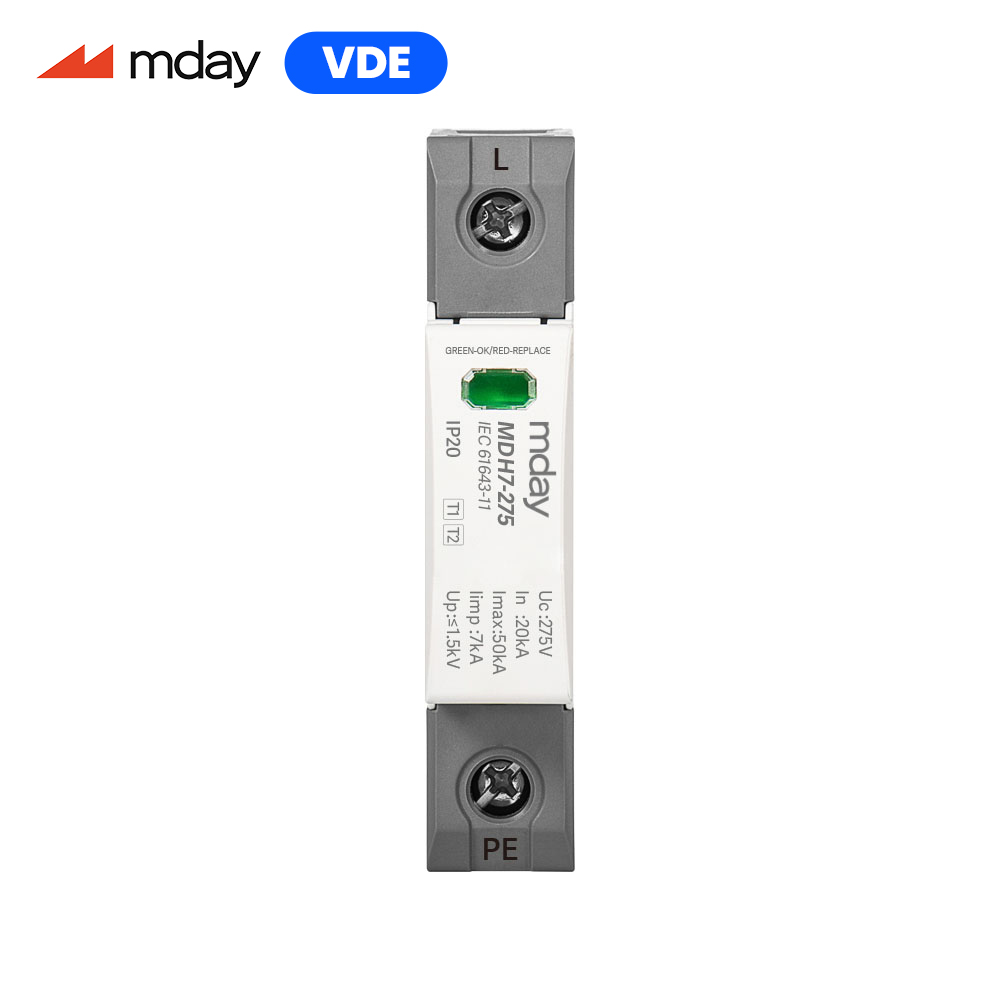


Engineering & Specification Guide for CE Certified AC Surge Arresters
An in-depth analysis of low-voltage surge protective devices (SPDs), compliance standards, physical suppression mechanics, and OEM selection parameters.
1. Executive Summary & Regulatory Framework
In modern industrial, commercial, and residential power distribution, electrical equipment faces unprecedented exposure to high-voltage transients. Transient overvoltages—arising from direct or indirect atmospheric lightning discharges, inductive switching operations within power grids, and fault clearances—can severely damage sensitive electronics, cause catastrophic operational downtime, and ignite thermal fires.
Selecting a verified, CE-certified AC Surge Arrester is a crucial engineering requirement governed by international safety regulations. European Harmonized Standard EN 61643-11 (equivalent to international standard IEC 61643-11) defines the testing protocols, functional parameters, and safety mechanisms necessary for low-voltage Surge Protective Devices (SPDs). Compliance under the European Union’s Low Voltage Directive (LVD 2014/35/EU) and Electromagnetic Compatibility Directive (EMC 2014/30/EU) requires manufacturers to rigorously validate energy absorption capability, thermal stability, temporary overvoltage (TOV) resilience, and fail-safe disconnect behavior.
2. Internal Suppression Dynamics & Thermal Disconnection Physics
The core component of a high-performance AC surge arrester is the Metal Oxide Varistor (MOV), typically constructed from high-density Zinc Oxide (ZnO) ceramic grains sandwiched between conductive metal electrode plates. Under nominal grid operating voltages ($U_c$), the MOV exhibits extremely high electrical impedance (micro-ampere leakage currents). When a transient voltage pulse strikes the line, the MOV transitions in nanoseconds from an insulating state to a highly conductive state, clamping the voltage transient to a safe residual level ($U_p$) while diverting peak surge currents ($I_n$ / $I_{max}$) harmlessly to ground.
Nanosecond Response Time
High-purity ZnO MOV elements clamp transient spikes within <25 nanoseconds, shielding delicate microprocessors and power supplies.
Thermal Disconnect System
Integrated low-melting-point solder joints automatically isolate degraded MOV modules before end-of-life thermal runaway occurs.
Visual Status & Aux Contacts
Green/Red mechanical status windows and optional dry-contact remote signaling terminals provide real-time status telemetry to BMS systems.
Repeated surge stress or sustained temporary overvoltages (TOV) can cause gradual degradation of the varistor ceramic lattice, increasing internal leakage current and generating heat. To prevent localized fires, premium CE-certified arresters incorporate a patented **Thermal Disconnector Mechanism**. If the internal temperature exceeds safe operating thresholds, a spring-loaded mechanical latch detaches the MOV element from the circuit, exposing a visual red fault indicator and activating remote signaling contacts for immediate maintenance notification.
AC Surge Protection Class Standardizations (EN/IEC 61643-11)
Choosing the correct surge protection class depending on installation zones (LPZ 0 to LPZ 3).
| SPD Classification | Test Waveform | Key Parameter | Installation Location | Typical Applications |
|---|---|---|---|---|
| Type 1 / Class I (T1) | 10/350 μs (Direct Lightning) | Impulse Current ($I_{imp}$) 12.5kA – 50kA | Main Service Entrance (LPZ 0A to LPZ 1) | Heavy industrial plants, buildings with external lightning protection systems (LPS). |
| Type 2 / Class II (T2) | 8/20 μs (Indirect Surge) | Max Discharge ($I_{max}$) 20kA – 60kA | Sub-distribution Boards (LPZ 1 to LPZ 2) | Commercial buildings, PV inverter AC outputs, industrial machinery control panels. |
| Type 1+2 / Combined (T1+T2) | 10/350 μs & 8/20 μs | $I_{imp}$ 7kA–12.5kA / $I_{max}$ 40kA–50kA | Compact Main Boards & Outdoor Enclosures | Space-constrained installations requiring unified direct and indirect lightning protection. |
| Type 3 / Class III (T3) | 1.2/50 μs & 8/20 μs | Open Circuit Voltage ($U_{oc}$) 6kV–10kV | Terminal Equipment Point-of-Use (LPZ 2 to 3) | Sensitive laboratory electronics, server racks, PLC automation controllers. |
Future Procurement & Technological Trends (2025–2030)
How evolving energy infrastructure is shaping the next generation of surge arresters and power protection equipment.
1. Proliferation of Smart Grid & IoT Health Telemetry
Traditional offline SPDs require physical visual inspection to identify end-of-life conditions. The market is rapidly shifting toward smart surge protective devices integrated with RS485 Modbus, Wi-Fi, or NB-IoT telemetry. These units monitor real-time surge counts, varistor temperature gradients, and remaining MOV health percentage, allowing predictive maintenance in critical data centers and unmanned solar farms.
2. Hybrid Gas Discharge Tube (GDT) & MOV Topologies
To eliminate continuous micro-ampere leakage currents that degrade MOV lifespan over time, advanced manufacturers are adopting zero-leakage hybrid topologies. By connecting a precision Gas Discharge Tube (GDT) in series with a high-capacity Metal Oxide Varistor, the arrester prevents varistor aging under normal voltage while maintaining lightning-fast response during high-energy impulse events.
3. High-Density DIN-Rail Modularization
Electrical enclosure space is becoming increasingly premium in commercial building automation and mobile energy storage systems (BESS). Procurement departments favor compact, pluggable DIN-rail designs. Pluggable cartridge modules enable field technicians to replace depleted surge modules in seconds without disconnecting the main power bus wiring.
4. Environmental Fire Safety & RoHS Plastic Polymers
Global environmental directives demand high-grade, halogen-free, self-extinguishing plastic housings (UL94 V-0 flame rating). Leading exporters must ensure that every plastic component, terminal block, and internal solder alloy conforms strictly to RoHS 3.0 and REACH environmental guidelines, minimizing toxic gas release in electrical cabinet flashover events.
Enterprise Manufacturing Infrastructure & Quality Control Excellence
Derived from over a decade of dedicated production expertise in low-voltage electrical protection systems.
In-House Plastic Tooling & Injection
By operating dedicated automatic injection moulding machinery, precise dimensional tolerances and structural integrity of flame-retardant housings are verified at the source, eliminating vendor dependence.
TÜV Rheinland Onsite Verification
Production lines, engineering personnel, trade compliance, and operational capacity are verified onsite by TÜV Rheinland, giving global procurement teams total confidence.
9 Precision Inspection Instruments
Every batch undergoes rigorous quality control using 8/20μs high-current impulse generators, thermal resistance chambers, insulation resistance meters, and automated tripping calibration benches.
Frequently Asked Questions (FAQ) for Importers & Engineers
Crucial technical and commercial queries addressed by our senior application engineering team.
What parameters verify a genuine CE certified AC surge arrester?
What is the difference between $I_n$ (Nominal Discharge) and $I_{max}$ (Maximum Discharge)?
How do I select the correct continuous voltage rating ($U_c$) for 230V/400V AC power systems?
What customization (OEM/ODM) options are supported for volume buyers?
How does the internal thermal disconnector prevent electrical cabinet fires?
What are the standard delivery lead times and MOQ terms for wholesale orders?
Request Complete Product Technical Specifications & Factory Direct Quotations
Consult directly with our electrical application engineers for product selection assistance, test report requests, or OEM project evaluations.
