A DC Surge Protector is a small component with a demanding job: limiting transient overvoltage before it reaches inverters, battery systems, or other sensitive equipment. The need is growing alongside solar power. In Renewables 2024, the International Energy Agency (IEA) projected nearly 5,500 GW of new renewable capacity between 2024 and 2030, with solar PV driving much of that expansion. More installations mean more systems where protection deserves careful attention.
Choosing a device takes more than matching a voltage number. Check the system’s maximum continuous operating voltage, expected short-circuit current, and grounding arrangement. Confirm that the protector is designed for the application, such as photovoltaic DC circuits, and review its discharge ratings and response characteristics. IEC 61643-31 sets requirements and test methods for surge protective devices used in photovoltaic installations. That is a useful reference, not a substitute for checking the product documentation and installation instructions.
The details matter. A rooftop array may face long cable runs, exposed connections, and changing weather. A battery cabinet has different constraints. I still find one point easy to overlook: a strong datasheet cannot compensate for incorrect coordination or poor installation. That matters. This guide explains how to compare protection levels, standards, system compatibility, and service indicators when selecting a DC Surge Protector in 2026. It also leaves room for a practical truth: no single model is best for every installation.
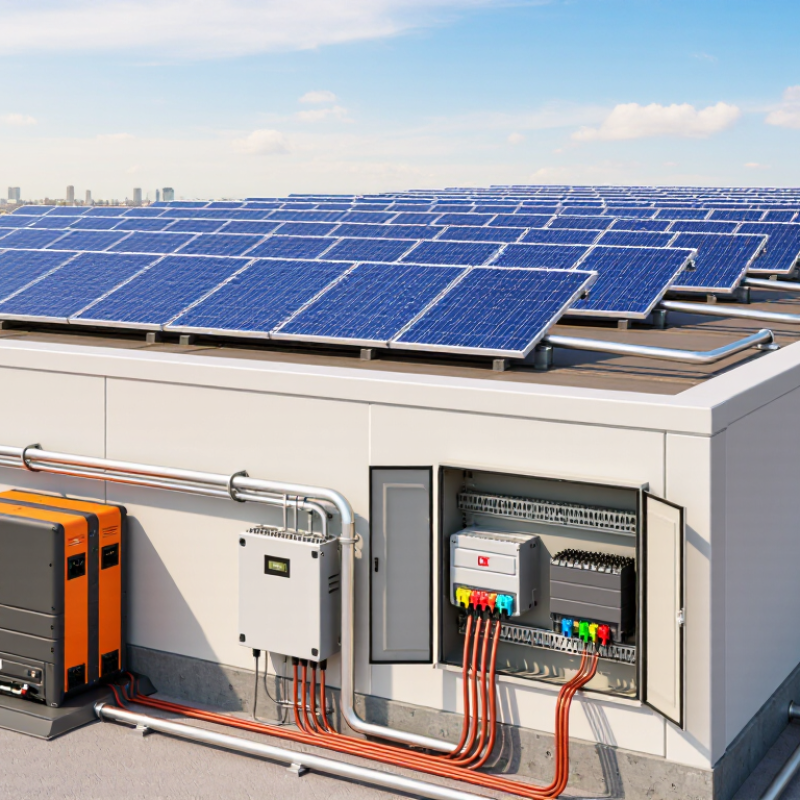
DC systems can experience sharp voltage spikes from nearby lightning, switching operations, or long cable runs. A solar array may sit on a roof while its inverter is several metres away. That distance adds exposure. Even without a direct strike, a transient can stress insulation and damage sensitive electronics.
A DC surge protective device, or SPD, limits excessive voltage and provides a controlled path for surge current, typically through the system’s bonding and earthing arrangement. It does not stop every surge. Its response depends on correct wiring, sound connections, and a suitable protective device. Short connection leads matter; long loops can reduce protection when a surge arrives.
Selection begins with the system’s maximum DC voltage, including the higher open-circuit voltage that cold conditions can produce. The SPD’s continuous operating voltage and protection level must suit the equipment it protects. For photovoltaic systems, consider array configuration, grounding arrangement, cable length, and exposure to lightning. A common mistake is choosing by nominal voltage alone. Not always enough. Check the device’s DC rating and installation instructions, and have a qualified professional verify the wiring. A status window can help reveal a failed module, but it cannot confirm the whole installation is safe.
A DC surge protector must match the circuit it protects, not just its nominal voltage. Check the system’s normal operating range and its highest possible voltage. In a solar array, cold weather can raise open-circuit voltage above the value measured on a mild day. Compare that maximum with the protector’s maximum continuous operating voltage, or Uc. A device rated too low may conduct during normal operation; one with excessive voltage protection may leave equipment less protected. Check the protection level, Up, against the connected equipment’s withstand rating. Small differences matter.
Current needs careful reading. The array or battery’s operating current helps determine suitable wiring and any required overcurrent coordination, but a surge protector does not normally carry the load current. Review its surge-current ratings, such as In and Imax, alongside the installation conditions and expected exposure. Ratings alone do not predict service life. They are useful clues, not a guarantee.
Grounding is equally specific to the system. Confirm whether the DC circuit is grounded or floating, and how positive, negative, and protective-earth conductors are arranged. Follow the equipment documentation and applicable installation requirements; do not assume a wiring scheme from another site will work. Keep connecting leads short and direct, since long, looping wires can reduce protection during a fast surge. I would verify the actual circuit diagram before choosing a model. That step can feel tedious. It is still easy to miss.
| DC System Example | Voltage to Verify | Current and Fault-Current Checks | Surge Protector Criteria | Grounding and Wiring Requirements |
|---|---|---|---|---|
| 24 V DC control or communications circuit | Confirm the highest normal operating and charging voltage, not just the nominal 24 V rating. Select a protector with a maximum continuous operating voltage (Uc) above that value. | The SPD is connected in parallel and does not normally carry the equipment’s load current. Check the circuit’s available short-circuit current and the SPD’s permitted backup fuse or protective-device rating. | Match the DC voltage rating and protection level to the equipment’s withstand voltage. Check that the SPD is specifically rated for DC use. | Use the connection arrangement specified for the circuit’s grounding or isolation scheme. Keep connecting leads short and follow the SPD installation instructions. |
| 48 V battery system | Use the battery manufacturer’s maximum charge voltage. For example, a 16-cell LiFePO4 battery may have a 58.4 V charge limit; actual limits depend on the battery design and manufacturer. | Check the battery system’s prospective short-circuit current, which can be high, and verify SPD short-circuit and backup-protection ratings. Do not size the SPD from battery load current alone. | Choose a DC-rated SPD whose Uc exceeds the system’s maximum operating voltage and whose protection level is suitable for connected equipment. | Confirm whether the battery circuit is floating or has an intentional grounded conductor. Match the SPD pole configuration to that arrangement; do not create an unintended ground connection. |
| Solar PV string with a maximum cold-weather open-circuit voltage up to 600 V DC | Calculate the array’s maximum open-circuit voltage using module data and the lowest expected site temperature. The SPD’s PV maximum continuous operating voltage (UCPV) must be at least that calculated voltage. | Check the array short-circuit current and the SPD’s rated short-circuit current, plus any required backup fuse. Follow the PV design rules and the SPD manufacturer’s limits. | Use an SPD intended for PV DC circuits. Select Type 2 where the installation risk assessment and applicable rules permit; select Type 1 or Type 1+2 where the lightning-protection design requires it. | PV arrays may be unearthed or use a functional earth, depending on the inverter and system design. Use a PV-compatible circuit configuration and bond the SPD to the designated equipotential bonding point. |
| Solar PV system rated for up to 1,000 V DC | Base the selection on maximum cold-weather array Voc—not the inverter’s nominal voltage. Ensure UCPV is not below the calculated maximum array voltage. | Verify PV short-circuit current, the SPD’s short-circuit rating, and the specified overcurrent backup device. Confirm compatibility with the inverter’s DC input limits. | Choose a PV-rated SPD with a voltage rating and protection level coordinated with the inverter and other protective devices. Check its declared surge-current ratings and applicable product standard. | Follow the inverter and SPD manufacturers’ instructions for floating or grounded arrays, conductor placement, and bonding. Keep SPD leads as short as practicable. |
| Solar PV system rated for up to 1,500 V DC | Confirm that the complete PV circuit—including modules, connectors, cables, and switching devices—is rated for the calculated maximum system voltage. Select an SPD specifically rated for the required PV voltage class. | Check the PV array’s available short-circuit current and verify the SPD’s stated short-circuit and backup-protection limits for the installation. | Use a PV-specific SPD with suitable UCPV, protection level, and declared discharge-current ratings. Confirm compliance with the standards and regulations applicable to the project. | Match the SPD topology to the array’s insulation and grounding arrangement and the inverter design. Ensure the protective bonding path is correctly installed and coordinated with the lightning-protection system, if present. |
Selection note: Voltage, current, and grounding requirements vary by equipment and jurisdiction. Check the system drawings, equipment manuals, SPD datasheet, and applicable electrical codes before installation. Surge-current ratings such as In, Imax, or Iimp describe surge performance; they are not the normal load-current rating of the circuit.
A DC surge protector should be compared by more than its headline discharge-current rating. Check the maximum continuous operating voltage against the circuit’s highest normal voltage, including realistic temperature or operating changes. Then review nominal discharge current and maximum discharge current, which describe different test conditions. The voltage protection level, or Up, indicates the voltage that may reach connected equipment during a specified test. Numbers need context. A larger current rating alone does not guarantee better protection for every installation.
Response time can be useful, but it should not decide the purchase by itself. Published values depend on test methods, wiring, and measurement conditions. Shorter response times sound reassuring, yet a suitable voltage protection level and correctly matched ratings matter more in the actual circuit. Keep the connecting leads short and follow the installation instructions; long leads can add unwanted voltage during a surge. A tidy data sheet can still leave questions.
Check that the cited standard applies to the DC system, not merely to an AC product family. For photovoltaic circuits, look for standards such as IEC 61643-31 and verify the product’s declared scope and test documentation. Applicable requirements can vary by installation and region, so confirm them with a qualified electrical professional. It is easy to overfocus on one impressive figure. A careful comparison should match the protector’s ratings, response data, and verified standards to the circuit and the equipment being protected.
Before comparing features, match the protector to the circuit’s actual DC voltage and grounding arrangement. For a solar array, calculate the highest possible open-circuit voltage, including the increase caused by cold weather. The protector’s maximum continuous operating voltage must exceed that value. Check polarity and whether the system is floating, grounded, or connected to a battery. Small details matter.
Compare the protector’s protection level and discharge ratings with the equipment it must safeguard. Sensitive controllers may need a lower protection level than rugged loads. Confirm that the wiring diagram supports the circuit’s number of poles and grounding method. Also check any required backup fuse. A common mistake is choosing by voltage alone. That is not enough.
The installation environment matters just as much. A damp outdoor cabinet needs a suitable enclosure, while high temperatures can shorten service life. Check the specified temperature and humidity ranges, and keep connecting leads short to reduce unwanted voltage during a surge. Space can be tight. I would measure the panel before ordering; that step is easy to overlook. Follow the equipment documentation, and have a qualified installer verify the connection plan.
How to Choose the Best DC Surge Protector in 2026?
Evaluate Status Indicators, Service Life, and Maintenance Needs
A clear status indicator makes routine checks easier. Look for a visible window or signal contact that shows whether the protection module remains operational. Indicator colors and meanings vary, so confirm them in the product documentation. A green display is useful, but it does not prove the entire installation is correctly protected. Small details matter.
Service life depends on surge exposure, operating temperature, and the electrical system. There is no universal replacement interval for every DC surge protector. Check the manufacturer’s stated service guidance, and record installation dates and inspection results. If a severe surge occurs, inspect the device and connected equipment, even when the indicator appears normal. Not always obvious.
Tips: Add the protector to a scheduled maintenance checklist. Note its status, inspect for heat damage or loose connections, and replace it if its indicator signals failure. Follow the product instructions and isolate power before any inspection that requires access to electrical connections. If readings or status are unclear, ask a qualified technician rather than guessing.
Evaluate status indicators, service life, and maintenance needs before selecting a DC surge protective device (SPD).
Suggested evaluation priorities—not measured product ratings. Prefer a clear end-of-life indicator, documented replacement guidance, and accessible modules where applicable. Follow the device datasheet and local electrical requirements; inspect after a known surge and as part of the site maintenance schedule.
Nearby lightning, switching operations, and long cable runs can create sharp voltage spikes. A direct strike is not required.
It limits excessive voltage and gives surge current a controlled path through bonding and earthing. It cannot stop every surge. Short leads matter.
Check the system’s highest possible open-circuit voltage, including the increase in cold weather. The device’s continuous operating voltage must exceed it. Nominal voltage alone is not enough.
Confirm whether the circuit is floating, grounded, or battery-connected. Check polarity, pole count, and the wiring diagram. Small details matter.
Yes. Long connection loops can reduce protection during a surge. A rooftop array and an inverter several metres away may also mean a longer exposed cable path.
Compare the protection level and discharge ratings with the equipment being protected. Sensitive controllers may need a lower protection level. Check whether a backup fuse is required.
Match the enclosure to damp conditions, and check the specified temperature and humidity ranges. I would measure the cabinet first; that is easy to overlook.
No. It can show that a module has failed, but it cannot confirm the whole installation is safe. Have a qualified professional verify the wiring.
Choosing the best DC Surge Protector in 2026 starts with understanding the surge risks in your system and how a protector helps limit damaging voltage spikes. Identify your system’s operating voltage, expected current, and grounding arrangement before comparing devices. These details help narrow the options and ensure the protector is suited to the electrical conditions it will encounter.
Next, compare surge ratings, response time, and relevant technical standards, then check compatibility with your equipment and installation environment. Consider factors such as temperature, moisture, available space, and wiring requirements. Finally, review status indicators, expected service life, and maintenance needs so you can tell when protection may need attention or replacement. A careful evaluation of these points can help you select a practical, compatible DC Surge Protector for your setup.